Iran · Fars Province
Where to Stay in Lār, Fars Province
Lār is an old caravan town of southern Fars in Iran, famed for its domed water cisterns and its ancient covered bazaar.
Find your area →


Where to stay in Lār
Where the beds are, and what that means for the visit.
Where you stay in Lār turns on the old town or the new. The lanes around the old bazaar keep the cisterns, the citadel, and the market within a walk, and staying by the bazaar suits anyone here for the old town. Wind-towers rise over the roofs.
Small inns stand near the bazaar. Out in the newer town beyond the ruins, the streets run wide and modern. A room in the new town trades the old lanes for space, the shops, and an easy road out to the Gulf.
Bare hills open past the edge. Stay by the bazaar for the old town, or in the new town for space. The old cisterns are never far.
Things to do in Lār
Ranked by global recognition; descriptions from Wikidata (CC0).
Castles & Historic Sites
6- Dragon Castle (Lar) Heritage
- Nader Shah's mother Mausoleum Heritage
- چهاربرکه اول بگال Heritage
- برکه قوال Heritage
- خرفخانه لار Heritage
Show 1 more →
- برکه شغال Heritage
Parks & Gardens
1- برکه باغ Heritage
Landmarks & Notable Places
5- خانه سوداگر اوز Heritage
- خانه طالب منیری Heritage
- خانه علی یار سپند آسا Heritage
- خانه بمان علی مویدی Heritage
- خانه نعمتالله قنادی Heritage
worth knowingacross 3 categories in Lār
About Lār
Lār is the cistern town of Larestan.
What is Lār known for?
On the dry road from Shiraz to the Persian Gulf, it built scores of great domed cisterns to hoard the winter rain, and it keeps an ancient covered bazaar cooled by tall wind-towers, a ruined citadel called the Dragon Castle, and the old merchant houses of Lari traders. Bare hills ring the town. Domed cisterns dot the streets.
What are the main landmarks in Lār?
The old covered bazaar is the heart of Lār. The cross-shaped Qeysariyeh market, roofed in brick and cooled by tall wind-towers, has traded for four hundred years, the emblem of the town, in the centre. Domed cisterns stand all around.
Great brick āb-anbārs, sunk to hold the rain, dot the old quarters, while the ruined Dragon Castle and the old Lari houses look over the streets of Lār.
What is the history of Lār?
Lār grew as a trading town on the road to the sea. For centuries it was the seat of the rulers of Larestan, a small mountain state on the caravan road between Shiraz and the Gulf, and its merchants carried goods far across the water. Water ruled the dry town.
With almost no river, the people built great domed cisterns to catch and keep the winter rain, and dug a covered bazaar with tall wind-towers to draw cool air through the shops. Earthquakes shook the town more than once. A great quake in the last century threw down much of old Lār, and a new town grew beside the ruins, but the cisterns and the bazaar held on.
Its traders went out into the world. Men of Lār settled along the Gulf and beyond as merchants, and the Lari tongue and trade spread to distant shores. The old cisterns still stand in the streets.
Lār keeps its bazaar and its cisterns in the hills of Fars.
Where is Lār?
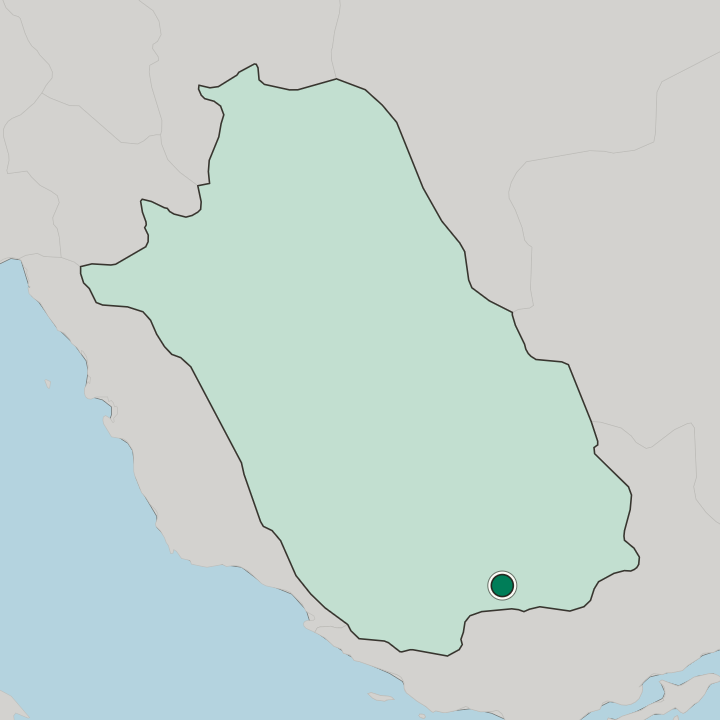
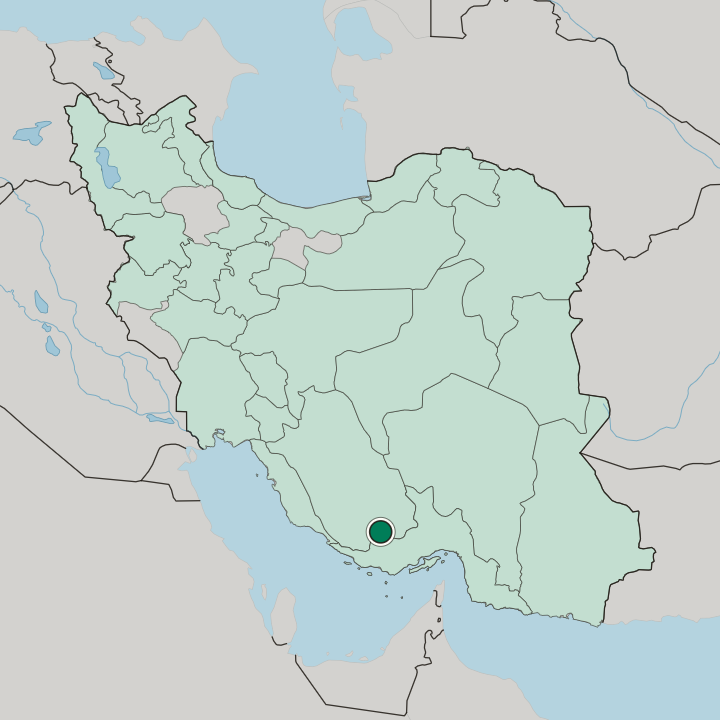
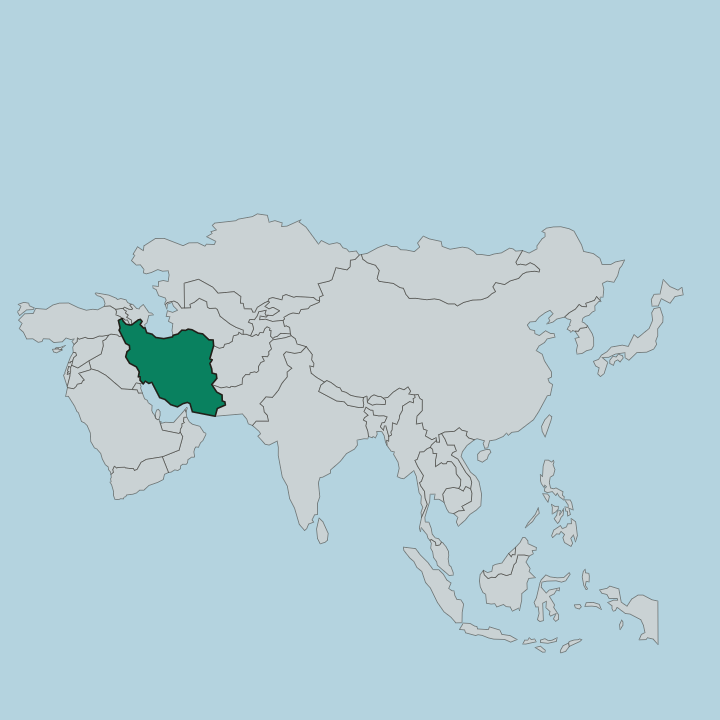
Lār lies in a dry valley of southern Fars in Iran, on the road toward the Persian Gulf. The town sits on a hot, arid plain among bare brown hills, where little rain falls and water is stored against the drought, south of Shiraz. Bare ranges rise around.
The dry plain runs south to the coast.
What is the climate of Lār?
Lār has a hot, arid desert climate. Long, blazing summers scorch the valley, and short, mild winters bring a little rain that the cisterns hoard, with wide swings from day to night. Heat hammers the plain in summer.
The cisterns keep the water cool underground.
How do you get to Lār?
Lār lies in southern Fars, on the road from Shiraz to the Gulf. Roads and a rail line run to it from Shiraz over the dry hills and on toward Bandar Abbas, and an airport serves the region. Local roads reach the villages of Larestan.
Shiraz lies some hours to the north.
Good for
More cities in Fars Province
Updated September 2026