Iran · Fars Province
Where to Stay in Shahr-e Ṣadrā, Fars Province
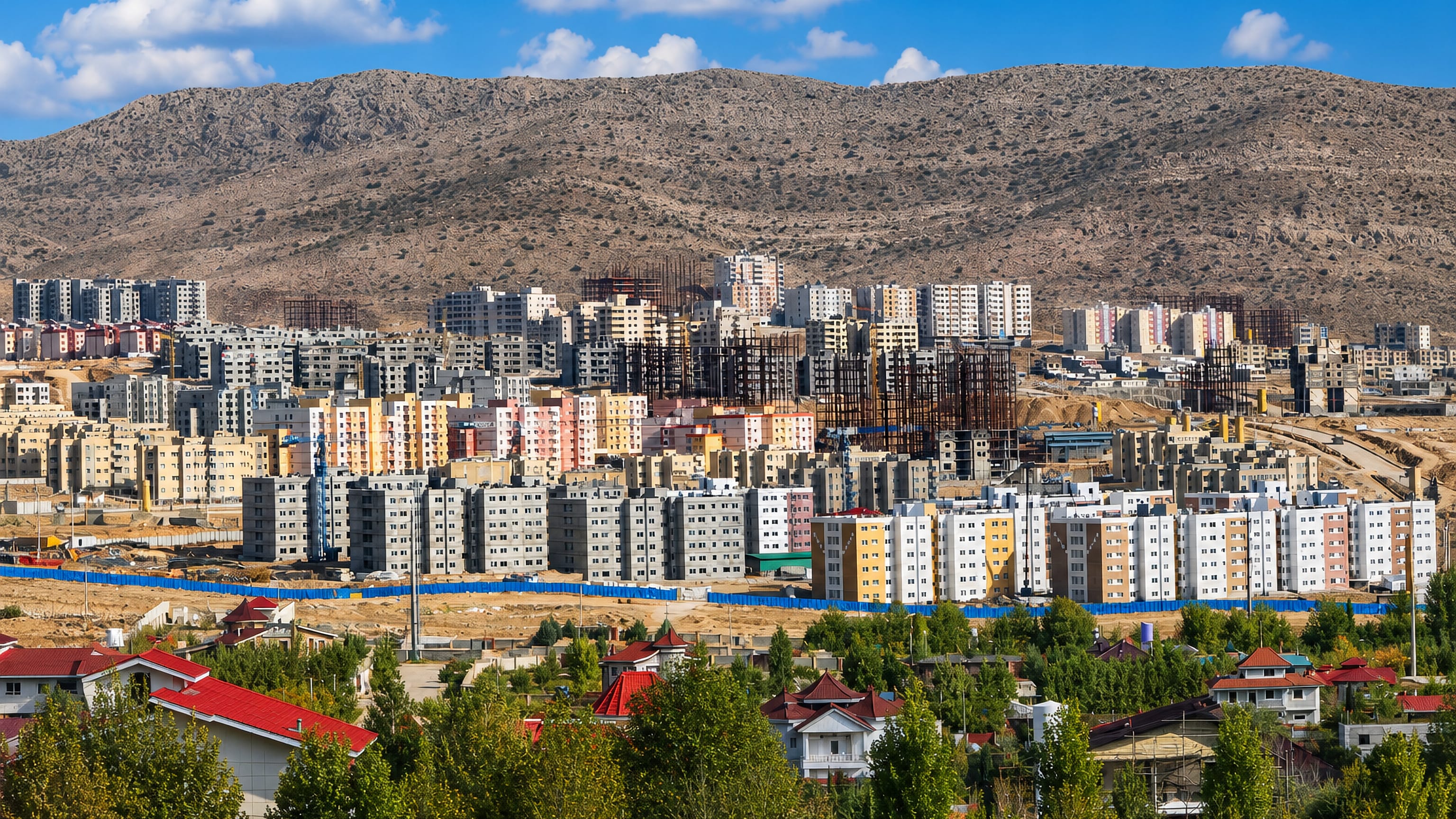
Shahr-e Ṣadrā is a planned city on the Ahu-char Plain, laid out northwest of Shiraz and well above it, in the Fars province of Iran.
Find your area →


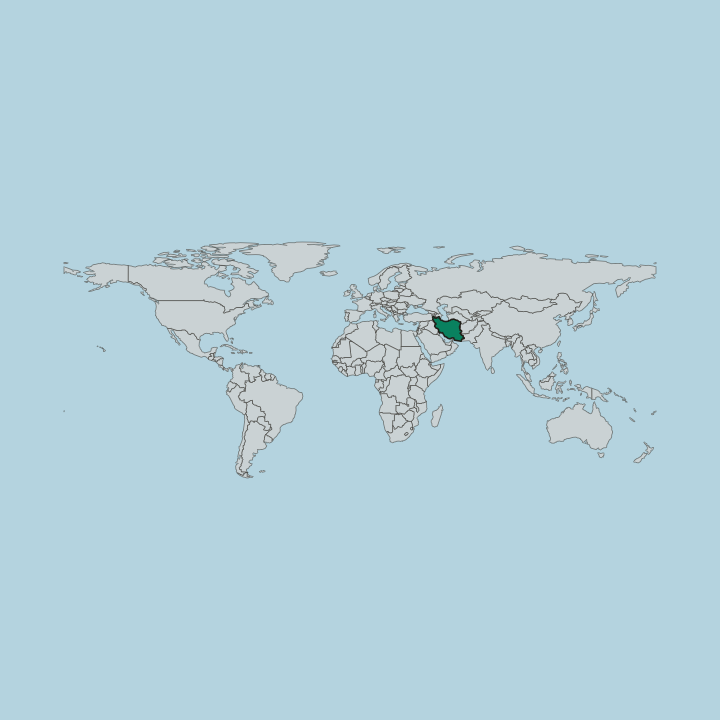
Where to stay in Shahr-e Ṣadrā
The practical side of choosing where to sleep.
A planned city gives a traveller a legible grid and very little else to choose between. Shahr-e Ṣadrā has no old quarter, no bazaar lane and no waterfront in the record, so the decision is really about which way you intend to face each morning: towards the offices and blocks of the Ahu-char Plain, or back down the road to Shiraz. Both are short journeys.
The city was laid out on a plain more than 300 metres above Shiraz, and that difference in height, rather than any difference between districts, is what a visitor actually feels when moving between the two. Shiraz is the obvious alternative bed. Anyone here for the older city and merely priced out of it treats Sadra as a dormitory, which works because the two sit about fifteen kilometres apart within the same Shiraz County, on one well-used road.
Work brings most people. The rooms that exist in Shahr-e Ṣadrā serve the plain's employers and the traffic of the Central District rather than sightseers, so they cluster where the plan put its commerce instead of spreading along an edge. Book for the road, not the view.
About Shahr-e Ṣadrā
Planning is the point.
What is Shahr-e Ṣadrā known for?
Shahr-e Ṣadrā was drawn up as a planned city rather than grown out of a village, and that single fact separates it from every older settlement in Shiraz County and accounts for the regularity of its streets. Sadra is the short name. It ranks among the larger cities of Fars province, and it stands on the Ahu-char Plain a short run northwest of Shiraz, high enough that the two places do not share a skyline.
What are the main landmarks in Shahr-e Ṣadrā?
No monument is recorded. The sources attach not one landmark to Shahr-e Ṣadrā, which is the honest signature of a planned city young enough that its plan is still the most conspicuous thing about it. The plain is the sight.
Sadra's position on the Ahu-char Plain, raised well over Shiraz and open on every side, does the work that a tower or a shrine would do in an older town of Shiraz County.
What is the history of Shahr-e Ṣadrā?
Shahr-e Ṣadrā begins on paper. A planned city is one that exists because a decision was taken to build it, and that decision is the founding event here, even though the record that names Sadra a planned city of the Central District of Shiraz County does not date it. No charter year survives in the sources.
What can be said is that the site was chosen rather than inherited, on the Ahu-char Plain, at a remove of some fifteen kilometres from Shiraz and more than 300 metres above it. That choice explains the shape. Older towns in Fars province thickened around a water source, a route or a fort, whereas the streets of Shahr-e Ṣadrā were drawn before anyone lived in them, and a visitor reads that difference immediately in the width and repetition of the blocks.
Growth came fast afterwards. The city now stands among the larger ones in the province, which for a settlement with no recorded founding year and no listed monument is a history told almost entirely in the present tense. Shiraz remains the reference point.
Sadra is described against it in every source that mentions the plain, by distance, by direction and by height, and that dependence on an older neighbour is itself the most durable historical fact the record carries about the place.
Where is Shahr-e Ṣadrā?
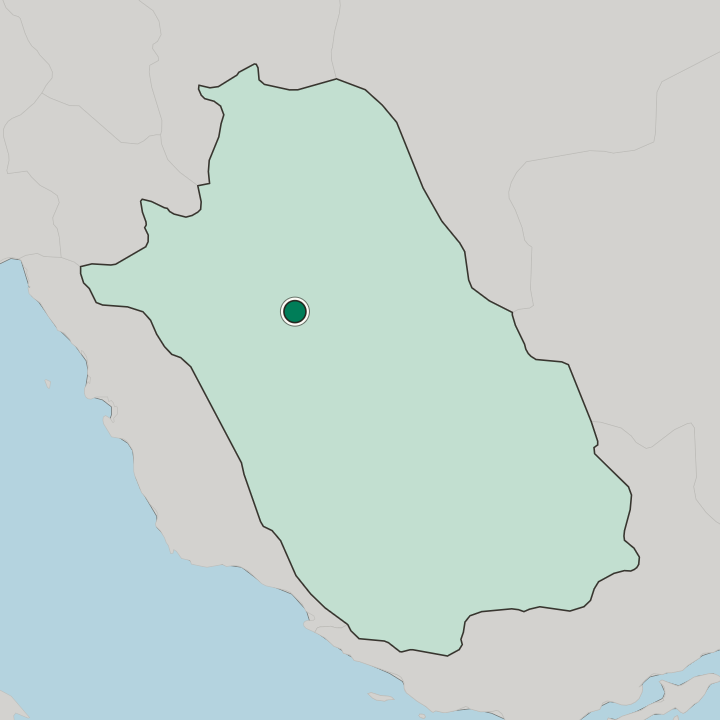
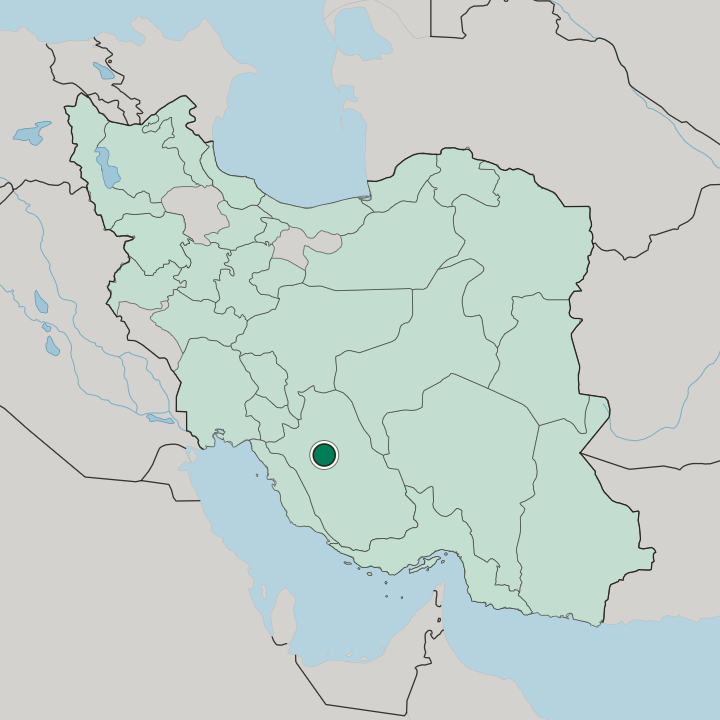
The Ahu-char Plain carries the city. Shahr-e Ṣadrā occupies open ground northwest of Shiraz, some fifteen kilometres out and more than 300 metres higher, which puts the two in the same Shiraz County but on distinctly different floors. Sadra sits within the subtropical belt.
No river, coast or named range appears against Sadra in the record, so the plain and the step up from Shiraz are the whole of its physical description.
What is the climate of Shahr-e Ṣadrā?
Height does the tempering here. The Ahu-char Plain lifts Shahr-e Ṣadrā more than 300 metres clear of Shiraz, and a step of that size tells in the evenings and the early mornings, which are the hours a visitor plans around in the subtropical band. Summer is the hard season.
Shade and timing matter more than any garment, and the open plain offers little of the first, so the day tends to be worked at its ends rather than through its middle.
How do you get to Shahr-e Ṣadrā?
Everything comes through Shiraz. No airport, railway or terminal of its own is recorded for Shahr-e Ṣadrā, so arrival means the road up from the older city, a climb of more than 300 metres over roughly fifteen kilometres onto the Ahu-char Plain. The road is the link.
Sadra sits inside the Central District of Shiraz County, and traffic between the two is local traffic, which makes the journey a matter of minutes on the map and of the plain's gradient in practice.
More cities in Fars Province
Updated September 2026