Iran · Fars Province
Where to Stay in Shiraz, Fars Province
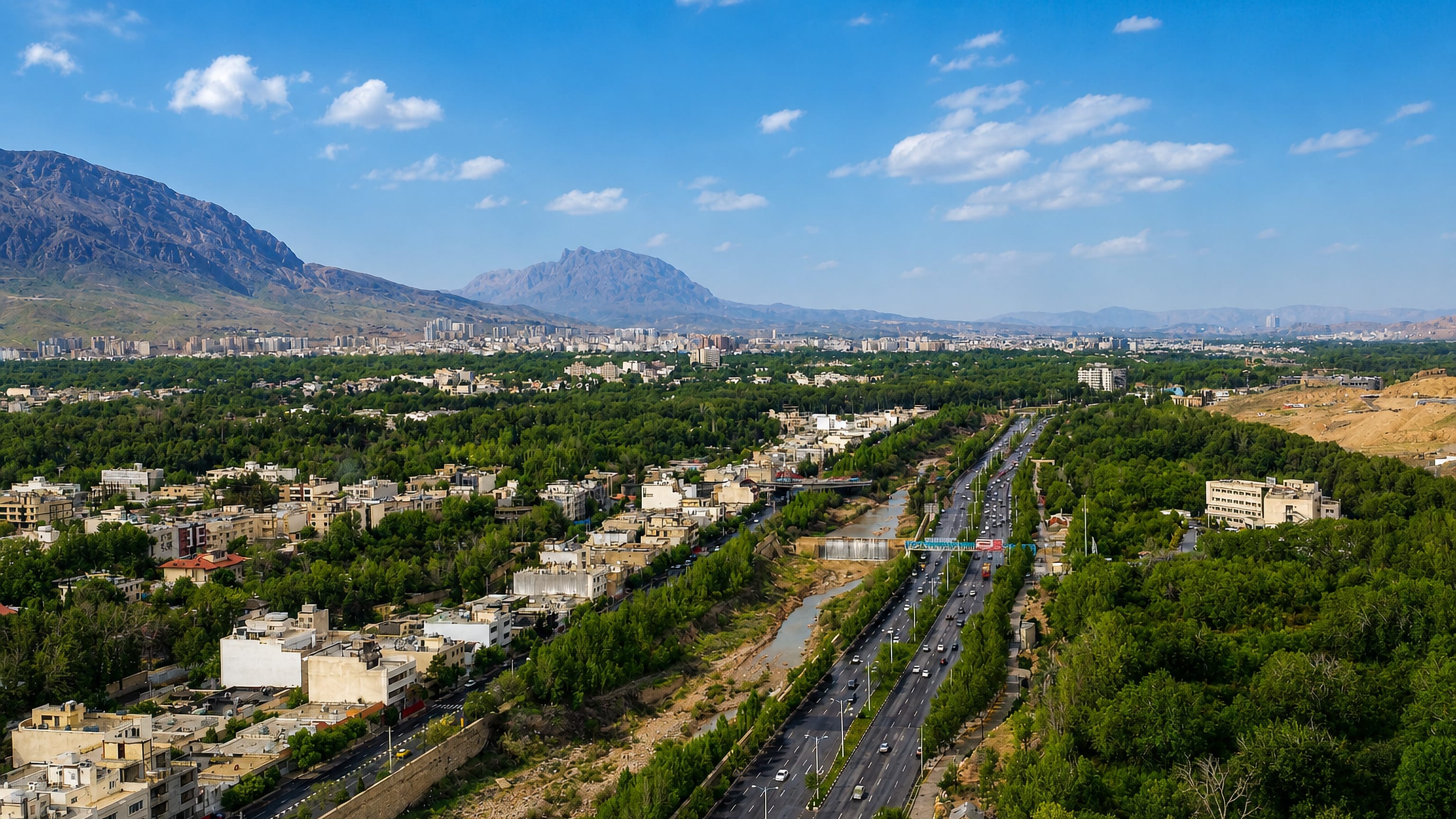
Cypress shade falls over the Tomb of Hafez in Shiraz, capital of Fars Province in southwestern Iran and the celebrated home of Persian poetry.
Find your area →


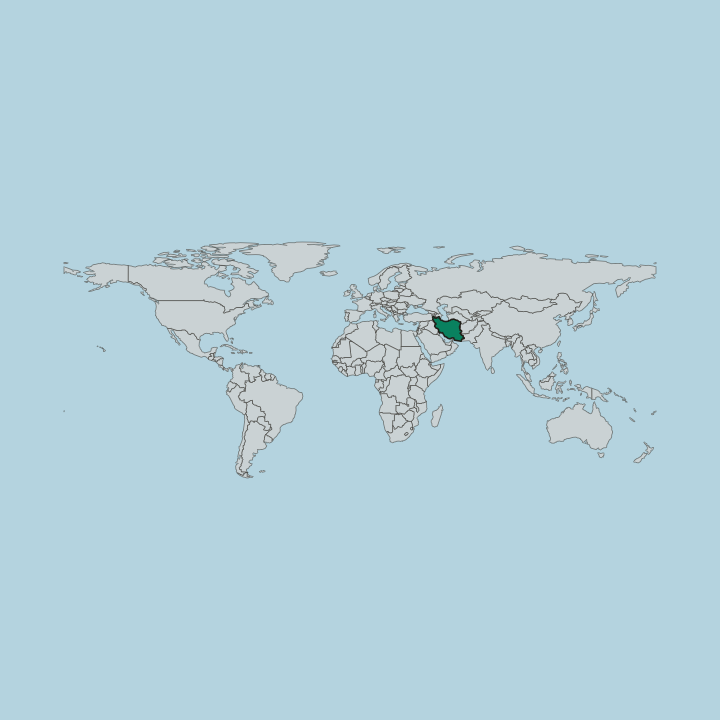
Where to stay in Shiraz
How the choice of base plays out on the ground.
Most travellers base themselves in the old core around the Karim Khan Citadel, where the Zand-era squares put the main sights and the bazaar within a short walk. The lanes here fill with converted courtyard houses turned into small hotels, and a first stay of two or three nights rarely needs a car to reach the citadel, the gardens, and the shrines. Rooms book early in spring.
North of the centre, the ground rises toward the Qur'an Gate at the old city edge, a quieter stretch of hillside overlooking the valley. Stay there for calm evenings above the traffic. The gardens near the Tomb of Hafez and the Tomb of Saadi lie a little farther out, set among cypress groves that draw visitors at dusk.
This district suits readers of Persian verse who want the poets' memorials close at hand, with taxis linking back to the centre in minutes. Around the seasonal riverbed of the rudkhaneye khoshk, newer avenues carry business hotels and broad boulevards away from the historic quarters. Beds there trade atmosphere for space and easy parking.
Choose the old core if the monuments matter most, and the northern slopes if quiet does.
Things to do in Shiraz
Ranked by global recognition; descriptions from Wikidata (CC0).
Museums & Galleries
2- Natural History and Technology Museum of Shiraz University
- Adel Yazdi Gallery
Churches & Religious Sites
3- Saint Simon Church (Shiraz) Heritage
- Mortaz Ali Well Heritage
- Saint Mary Church
Castles & Historic Sites
4- Tomb of Hafez Heritage
- Karim Khan Citadel Heritage
- Qur'an Gate Heritage
- خانه نیره بهنام Heritage
Landmarks & Notable Places
8- خانه کازرونی Heritage
- خانه نصر Heritage
- خانه بیات Heritage
- خانه زارع Heritage
- خانه اوجی Heritage
Show 3 more →
- خانه حسین نمازی Heritage
- خانه کمپانی Heritage
- خانه مدرسی Heritage
worth knowingacross 4 categories in Shiraz
About Shiraz
What is Shiraz known for?
Shiraz is known above all as the city of poets, the birthplace of Hafiz and Saadi whose verse shaped the Persian language. Their memorials draw pilgrims. The Tomb of Hafez and its garden pavilion stand at the centre of that literary pull, and the Karim Khan Citadel recalls the years when Shiraz served as the Zand dynasty capital of Iran.
Fars Province surrounds it. The Qur'an Gate still marks the old northern approach into the city.
What are the main landmarks in Shiraz?
Poets and Zand rulers anchor them. The main landmarks in Shiraz gather within a short compass around the old core, where the Tomb of Hafez rests under a domed pavilion in a garden of cypresses that has anchored the city's literary fame for generations. Nearby stands the Karim Khan Citadel, the fortified seat of the Zand dynasty, its brick towers marking the old royal centre.
The Qur'an Gate frames the northern road. Faith adds another layer through the Saint Simon Church and the Ahmadi Monastery, Christian sites set among the mosques and shrines of Fars Province.
What is the history of Shiraz?
Shiraz has been a regional trade centre for more than a thousand years, growing on the routes that crossed Fars Province in southwestern Iran. Its long fame rests on learning rather than arms. The city gave the Persian world two of its greatest poets, Hafiz and Saadi, whose lives and graves fixed Shiraz in literary memory across the centuries.
Verse became its calling card. In the eighteenth century the city rose to political height when it served as the Zand dynasty capital, and Karim Khan raised the citadel, bazaar, and gardens that still frame the old core. The Karim Khan Citadel dates from those years.
Around it grew the halls and courtyards of a working capital, and the Qur'an Gate rebuilt on the northern road carried travellers past a blessing carved above the arch. The seasonal river, the rudkhaneye khoshk, cut its dry bed along the valley floor and set the limits of the old town. Trade in the locally grown grape once lent the city's name to a wine of its own, distinct from the French variety that later borrowed the word.
A settled Christian community raised its own churches too, among them the Saint Simon Church, standing quietly beside the mosques. Through each of these turns the memory of the poets held firm, and the gardens around the Tomb of Hafez remain the city's enduring emblem.
Where is Shiraz?
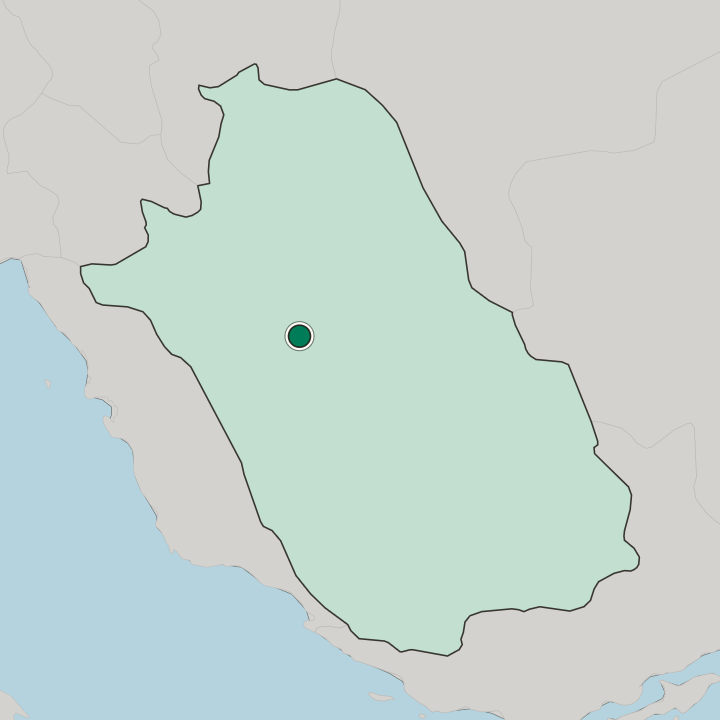
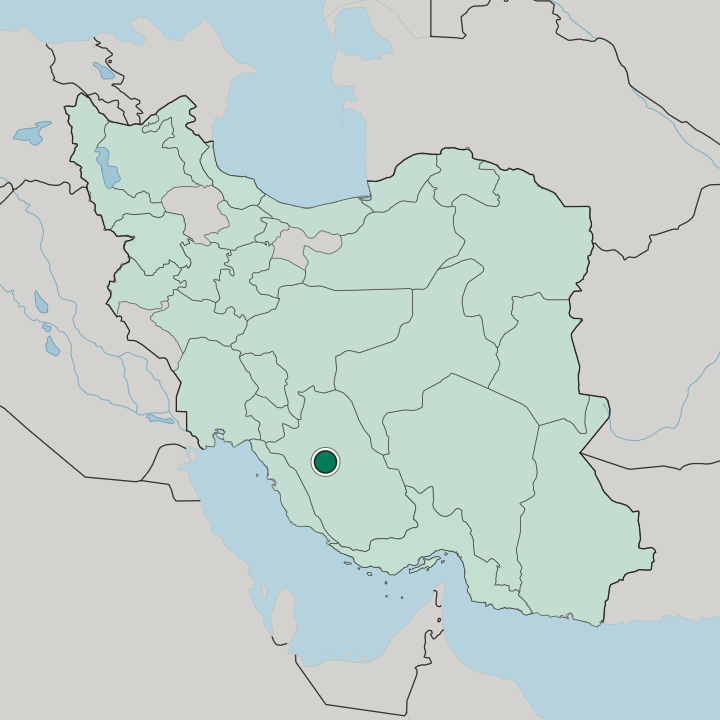
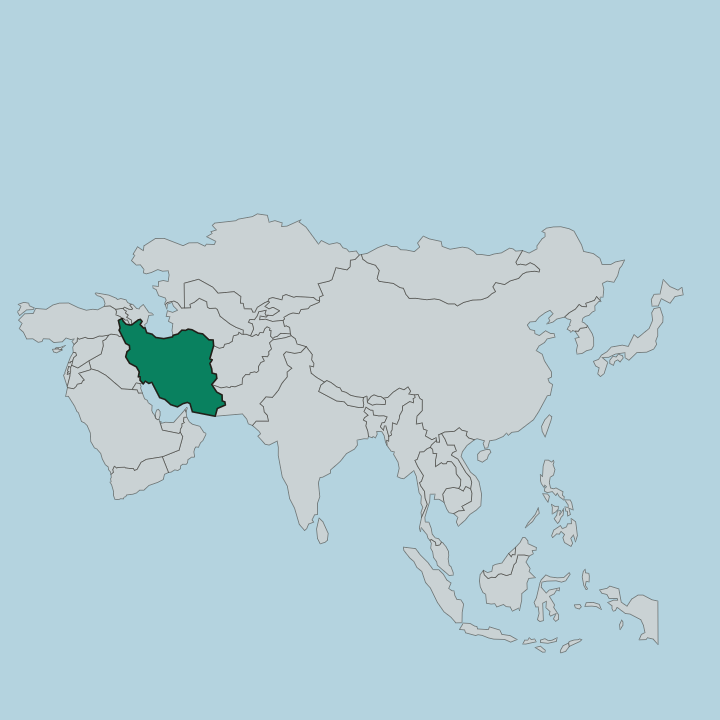
Shiraz sits in southwestern Iran, the capital of Fars Province, spread across a broad upland plain enclosed by mountains. The seasonal river known as the rudkhaneye khoshk runs dry for much of the year through the valley floor. Ridges wall the horizon.
That elevated basin, ringed by high ground and drained by the intermittent watercourse, gives the city its moderate air and set the bounds within which the old town around the Karim Khan Citadel first grew.
What is the climate of Shiraz?
Shiraz has a moderate climate shaped by its upland plain in southwestern Iran. Its elevation softens the extremes felt lower in Fars Province, giving warm dry summers and cool winters with occasional frost. Rain falls mainly in the cooler months.
The seasonal rudkhaneye khoshk fills only after those rains and stays dry through the long summer, and spring turns the gardens around the Tomb of Hafez green before the heat arrives.
How do you get to Shiraz?
Shiraz connects to the rest of Iran by air and road as the main entry point for Fars Province. An international airport on the southern edge of the city links it to the capital and to points abroad, while long-distance coaches run to the terminals from cities across the country. Highways climb into the surrounding hills.
From the arrival points, taxis reach the old core around the Karim Khan Citadel and the gardens of the Tomb of Hafez, most of which lie close enough to walk once you are downtown.
Good for
More cities in Fars Province
Updated October 2026