Iran
Fars Province, Iran — Towns & Travel Guide
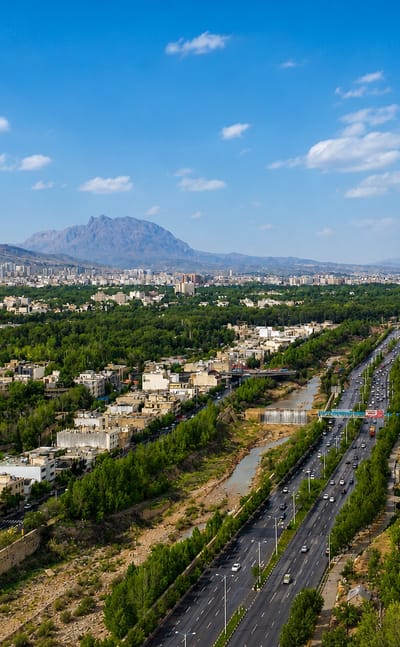
Fars Province is the old homeland of Persia, holding the Achaemenid ruins of Persepolis, Pasargadae, and the poets' city of Shiraz.
Find your area →


Towns & cities in Fars Province
Pick a town or city — each links to where to stay.
 Iran
Iran
Shiraz
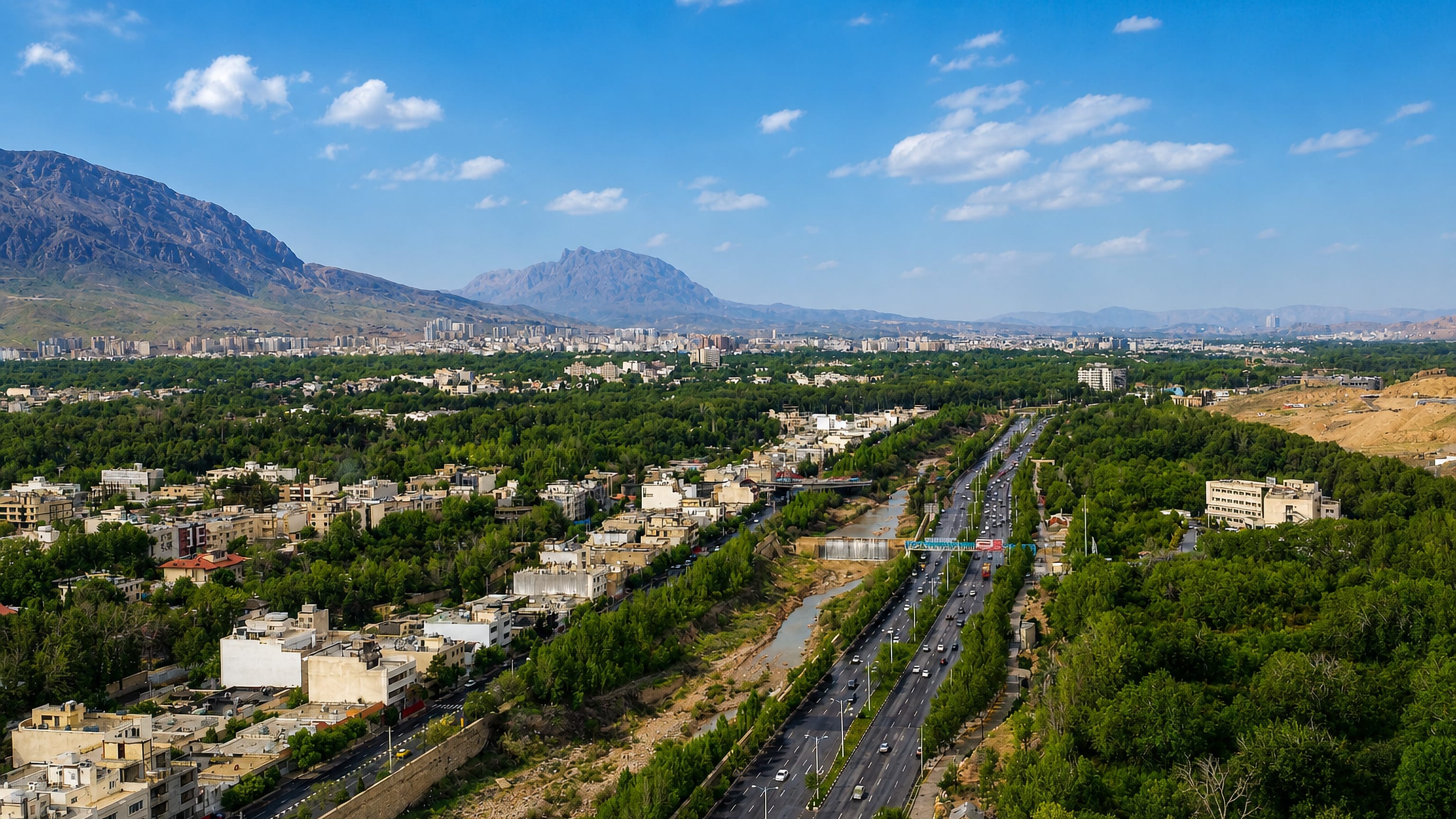
Cypress shade falls over the Tomb of Hafez in Shiraz, capital of Fars Province in southwestern Iran and the celebrated home of Persian poetry.Where to stay →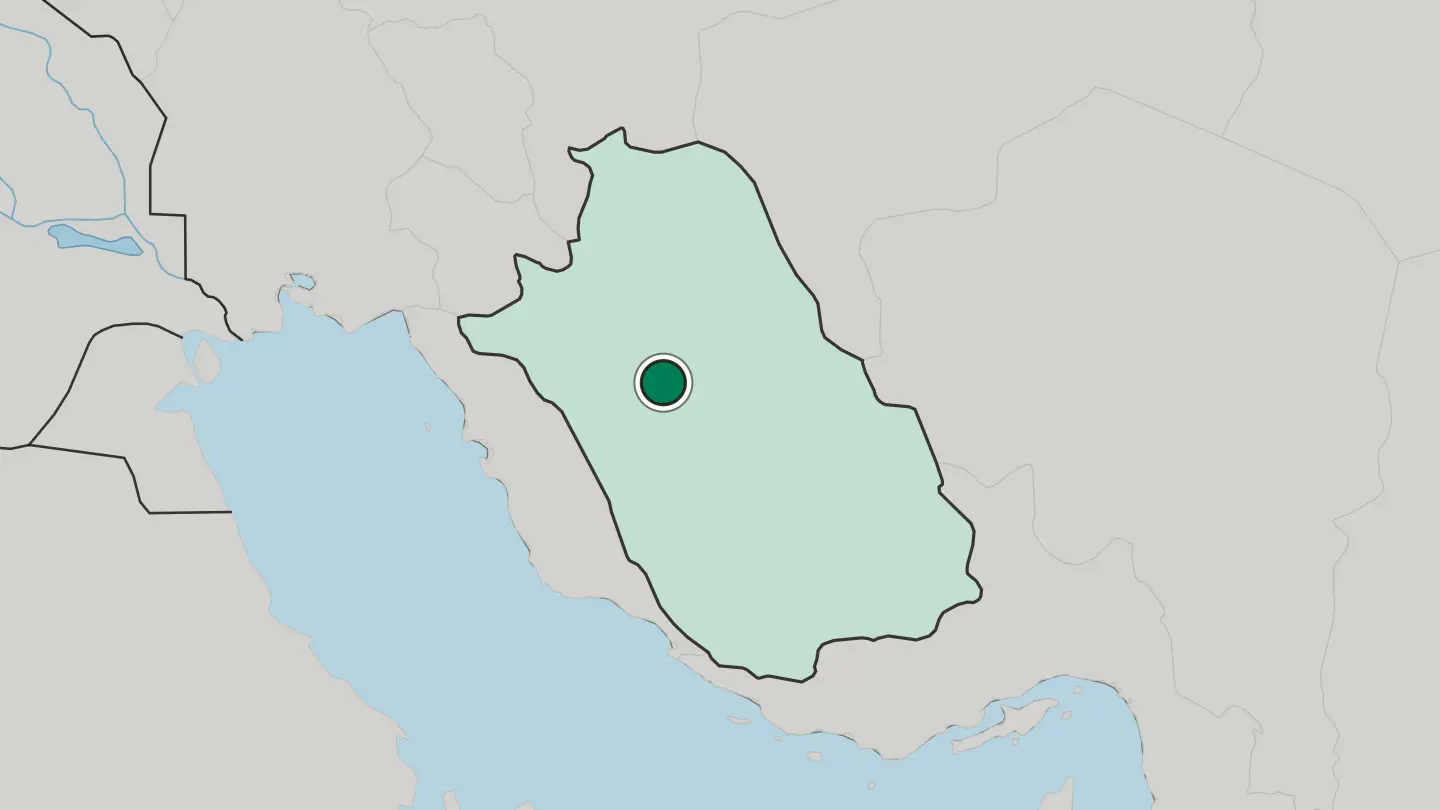
 Iran
Iran
Marvdasht
Marvdasht is a city of Fars province in Iran, capital of both Marvdasht County and the Central District at that county's centre.Where to stay →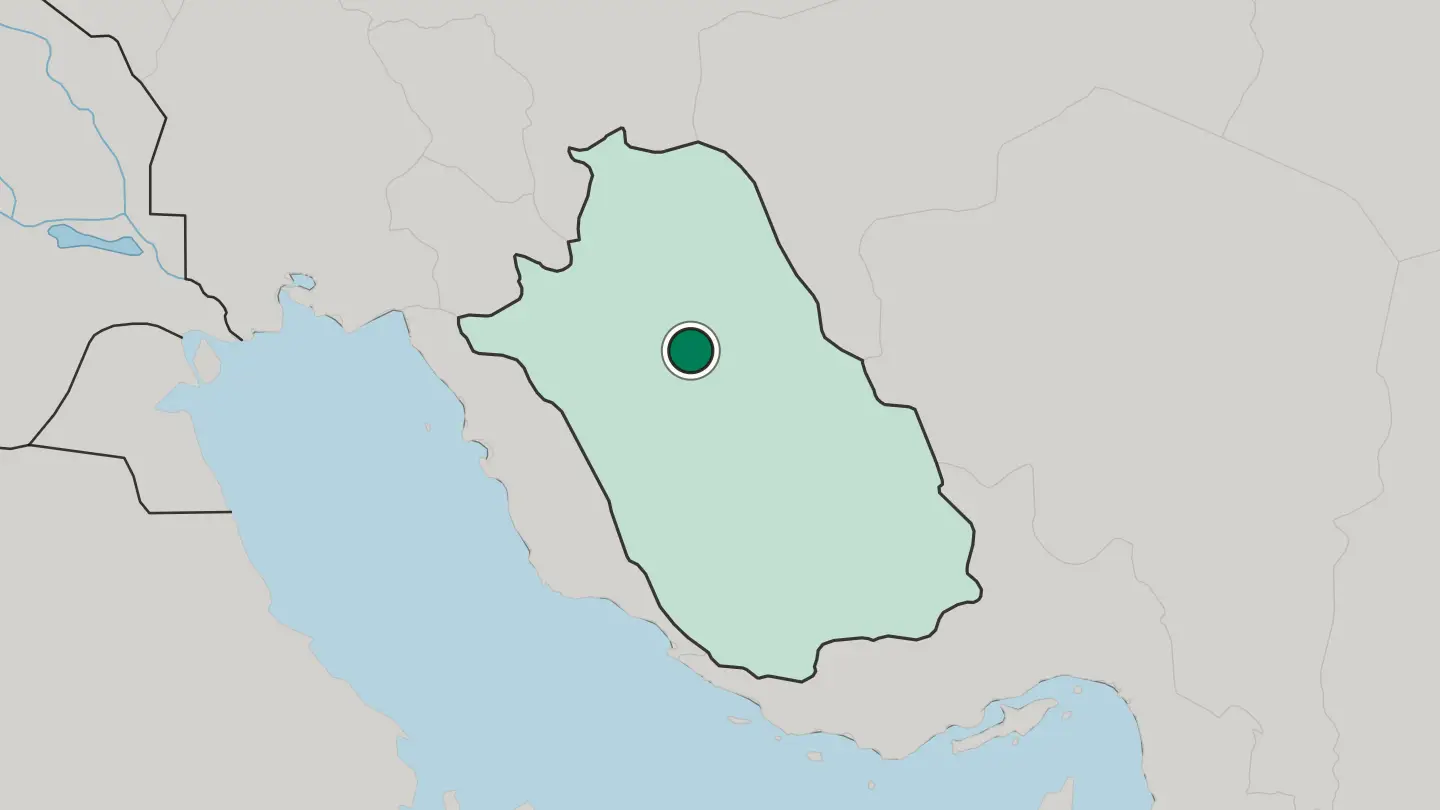
 Iran
Iran
Jahrom
Jahrom is a city in Fars province, Iran, capital of Jahrom County and of its Central District, and the second city of the province by size.Where to stay →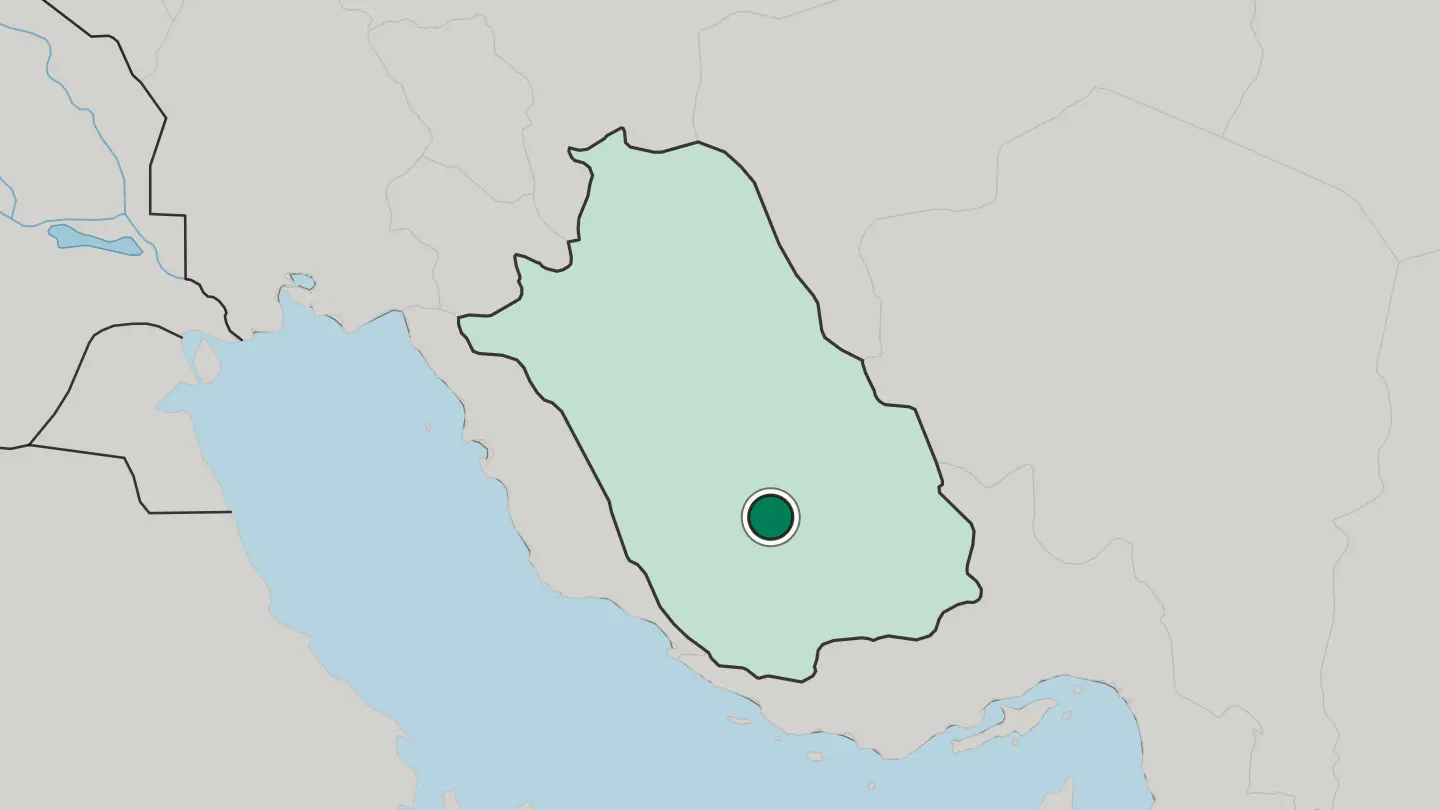
 Iran
Iran
Shahr-e Ṣadrā
Shahr-e Ṣadrā is a planned city on the Ahu-char Plain, laid out northwest of Shiraz and well above it, in the Fars province of Iran.Where to stay →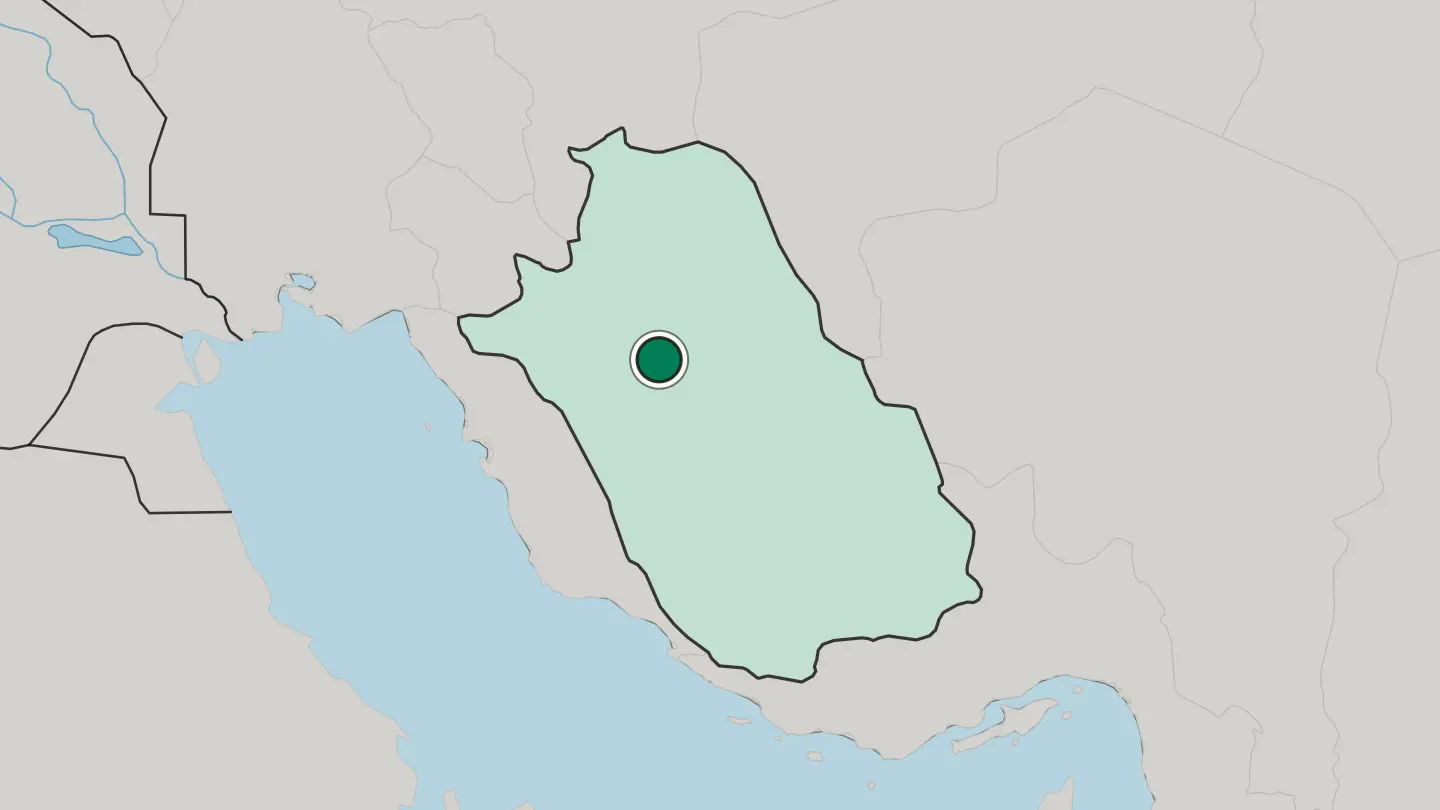 Iran
Iran
Fasā
Fasā heads Fasa County in Fars province and dates back to the Achaemenid period, with mounds and a caravanserai on its heritage register.Where to stay →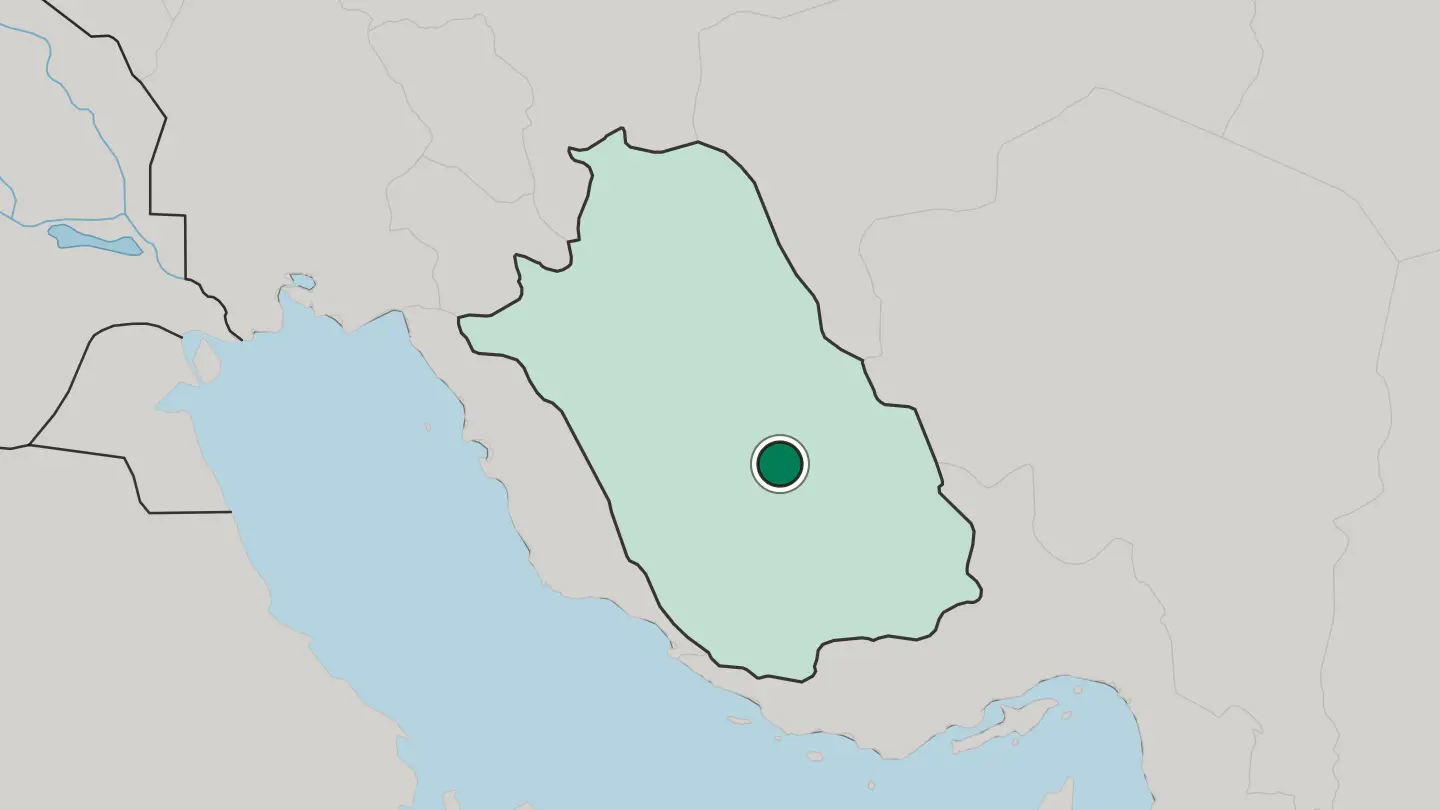
 Iran
Iran
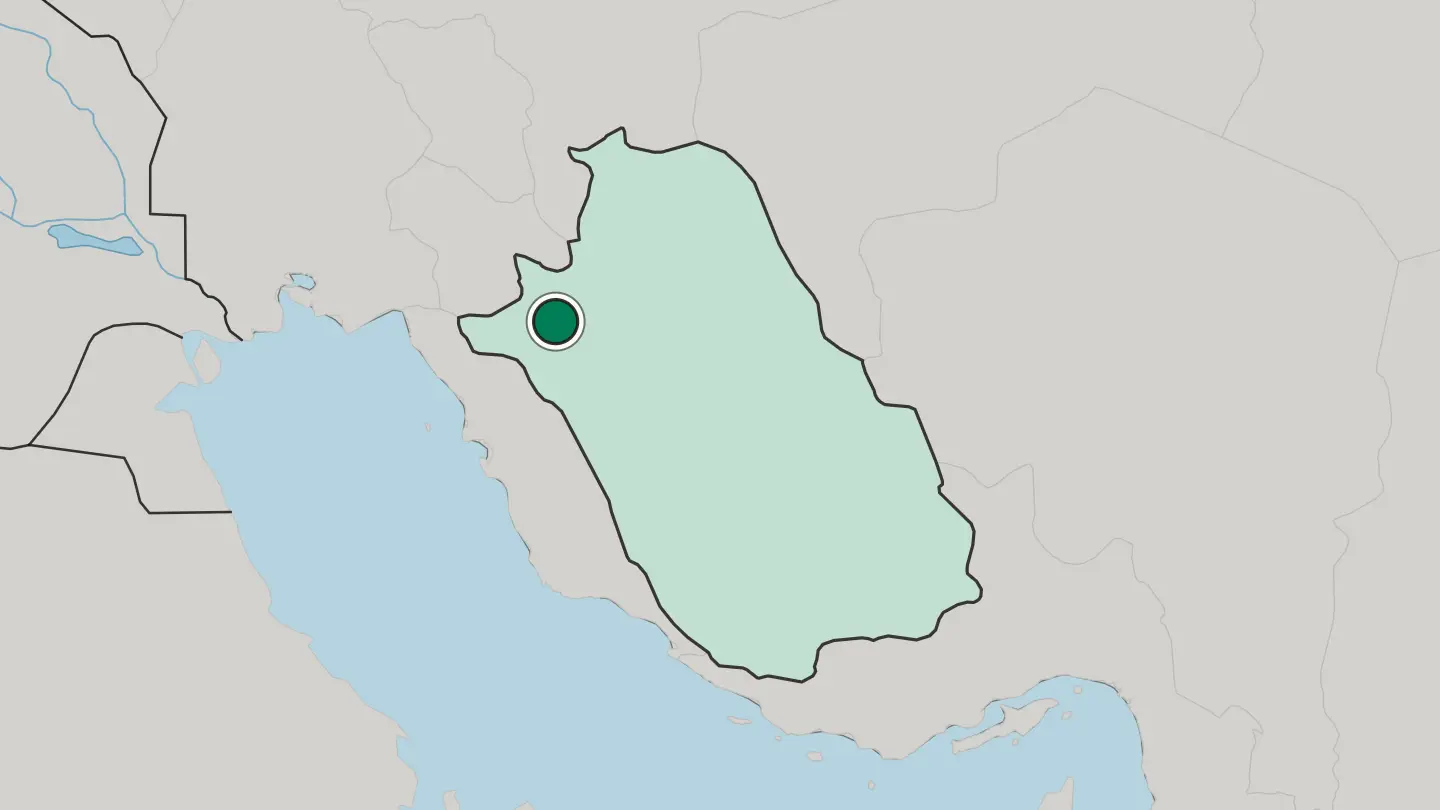
Kāzerūn
Kāzerūn is an old town of Fars in southern Iran, near the ruins of ancient Bishapur and the reliefs cut in the Chogan gorge.Where to stay →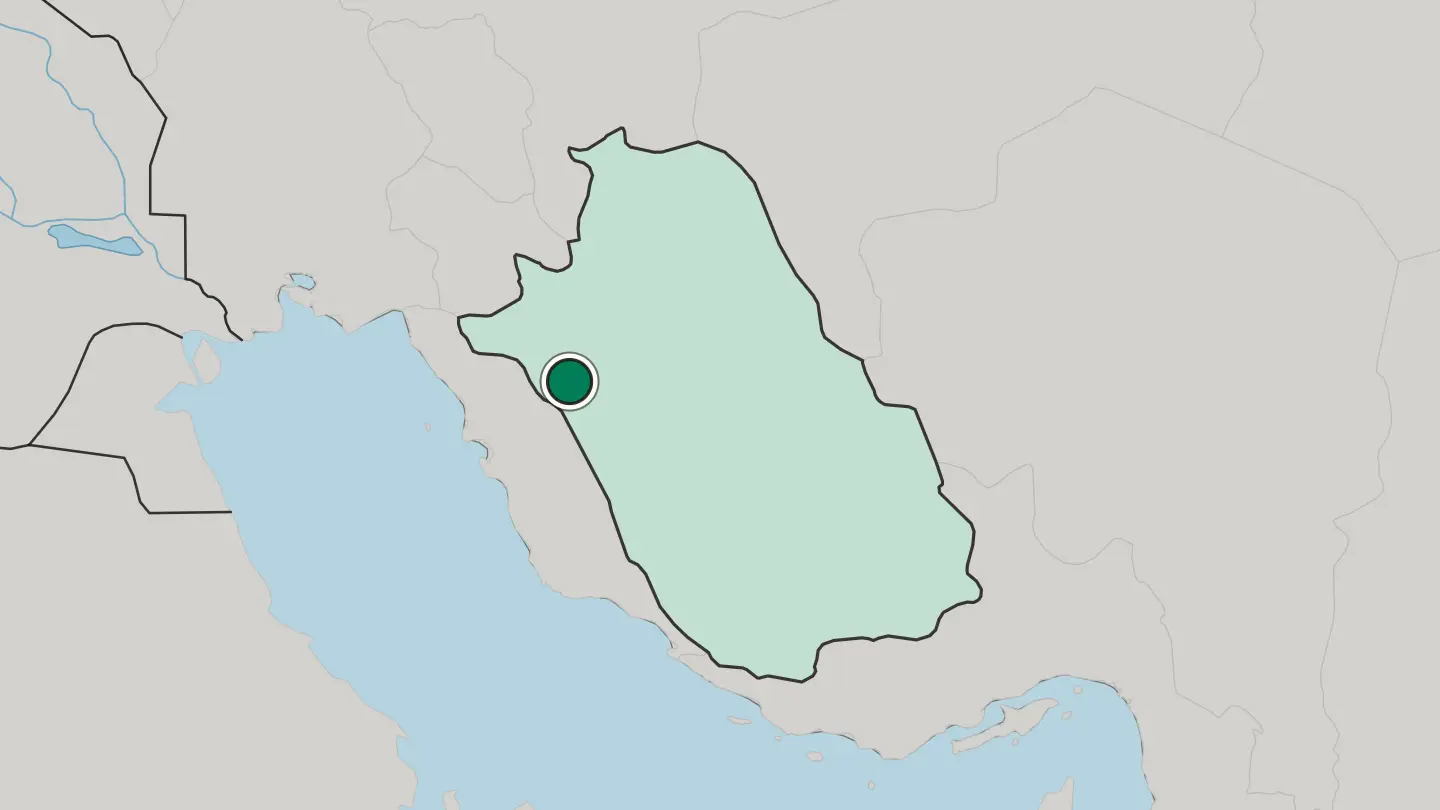
 Iran
Iran
Dārāb
Dārāb heads its county in Fars province and lists the Jameh Mosque of Darab and the Sahra Pushang Chahartaqs among its monuments.Where to stay →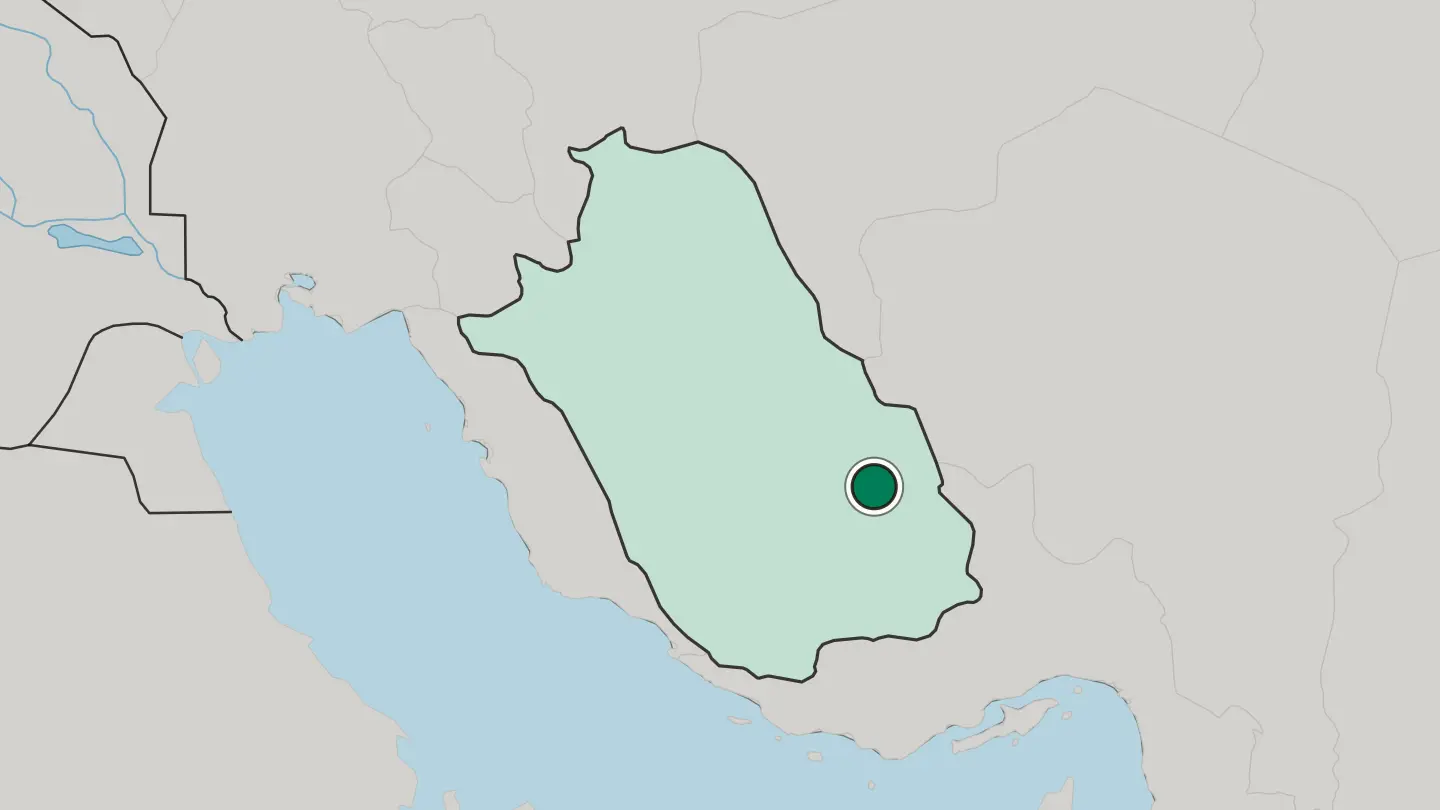 Iran
Iran
Fīrūzābād
Fīrūzābād lies south of Shiraz in Fars province, a county seat ringed by a mud wall and ditch, with Qal'eh Dokhtar on its register.Where to stay →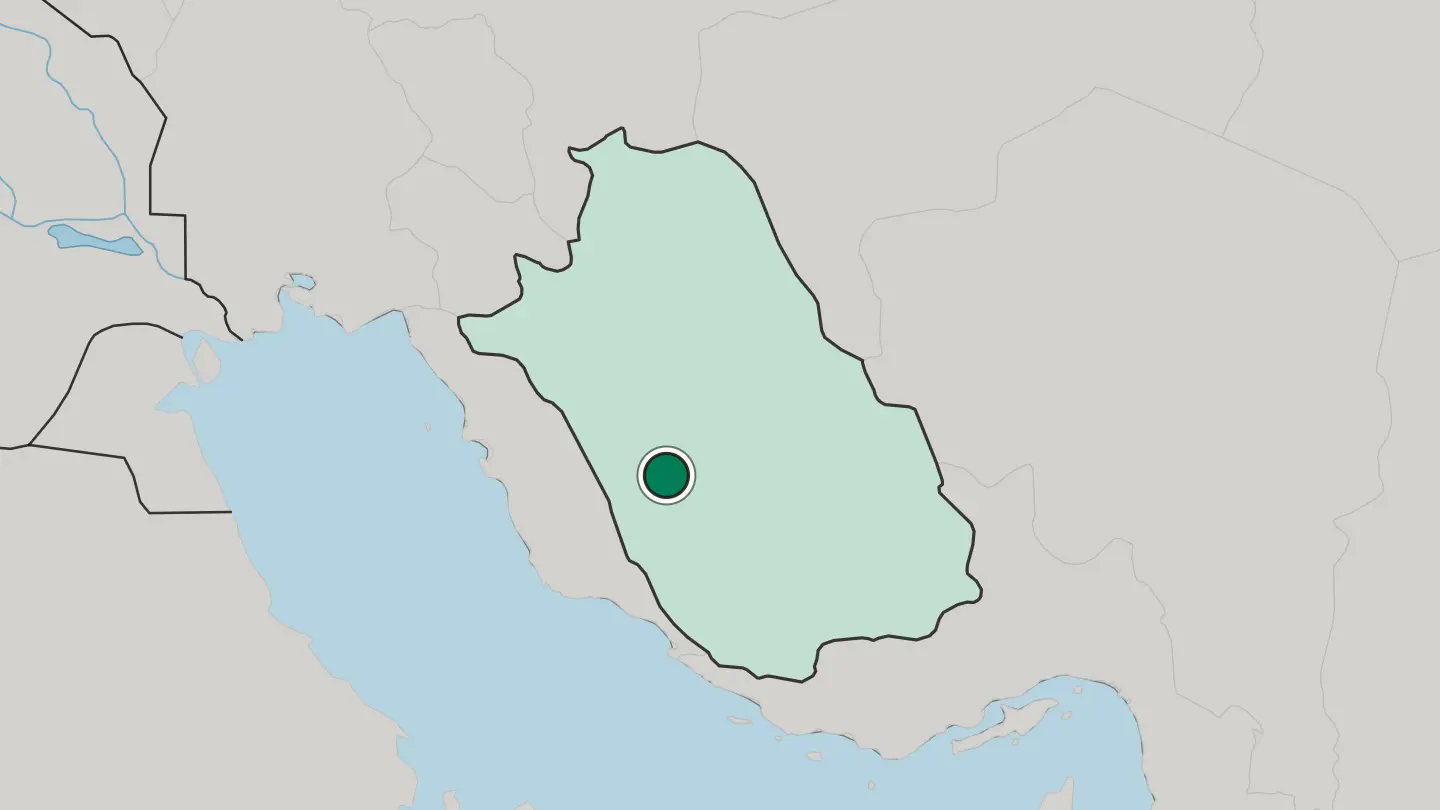
All towns & cities (10)


About Fars Province
Two ruined capitals made this province famous.
What is Fars Province known for?
Persepolis, the ceremonial seat of the Achaemenid kings, still lifts its stone columns above the Marvdasht plain, and Pasargadae, older still, holds the tomb of Cyrus the Great on the open steppe to the north. Shiraz anchors the modern province. The city keeps the tombs of the Persian poets Hafez and Saadi, the mirror-tiled halls of its old mosques, and gardens like Eram that made Shiraz a byword for roses and wine.
Vineyards, nomads, and Sasanian rock reliefs fill the country between.
Where is Fars Province?
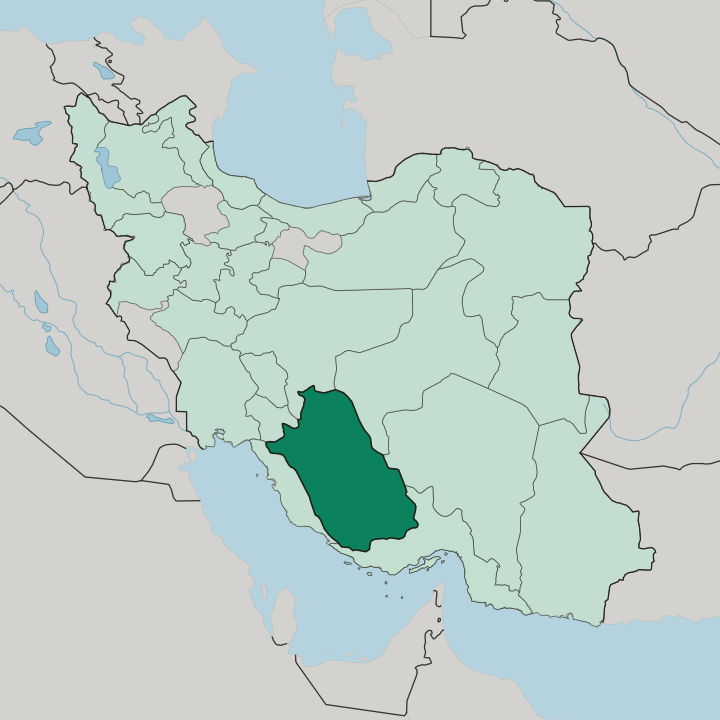
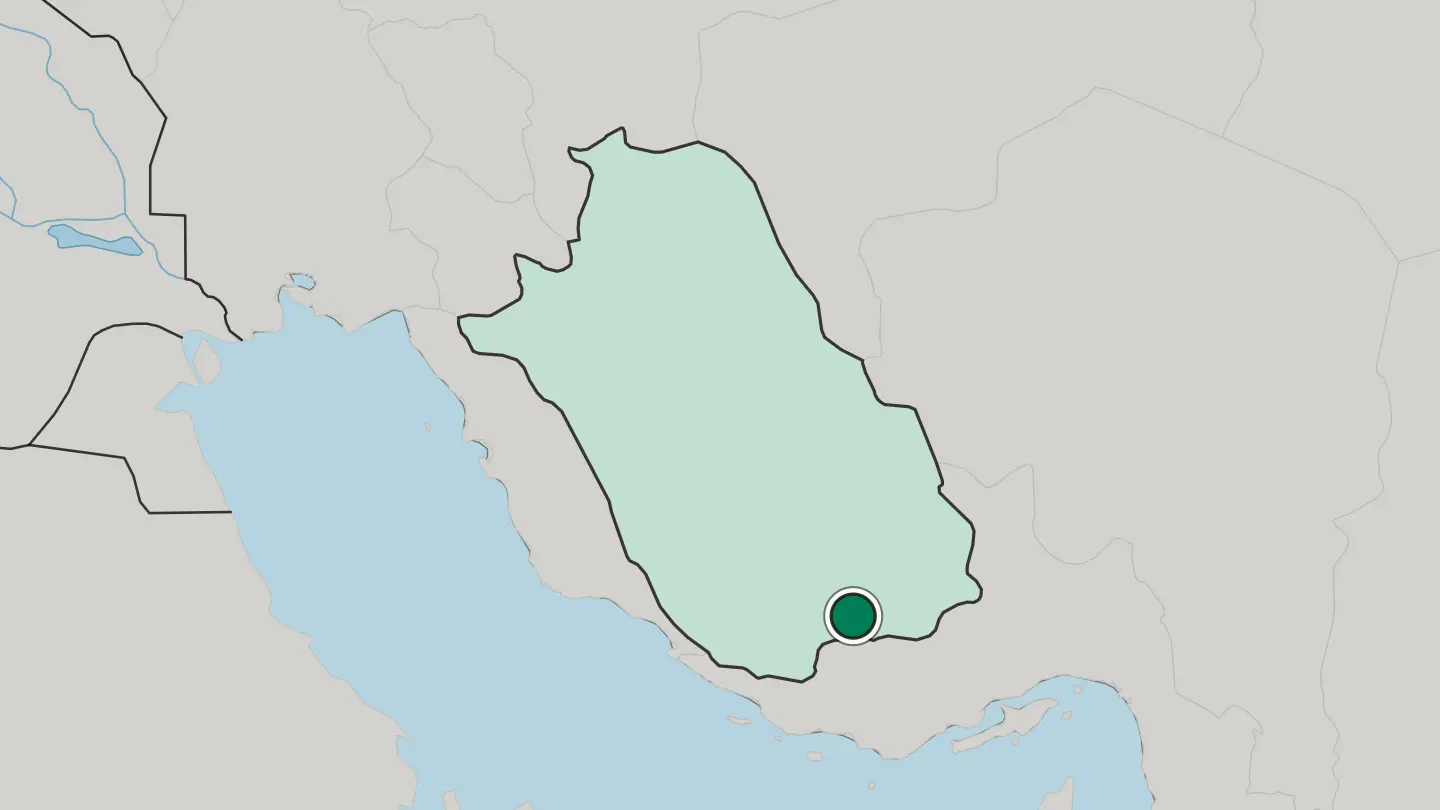
Fars sits in the interior of southern Iran, a high country of parallel ridges and the plains caught between them. The mountains are the southern Zagros, running from the north-west down toward the south-east and rising in long limestone walls that pen each valley off from the next. Shiraz lies in one such basin, ringed by bare hills at close to five thousand feet.
No coast belongs to the province. Its lowest southern reaches fall away toward the Persian Gulf, but that shoreline sits in neighbouring Bushehr, a full day beyond the last ridge. Isfahan borders it to the north, Kerman to the east, and the oak-clad ranges of the Zagros wall off the west.
Water gathers where the ridges relent. The Kor River drains the northern plains and empties into Bakhtegan, a broad salt lake east of Shiraz that shrinks to glittering flats in the dry months. Nearer the city lies Maharlu, a shallow pan that turns rose-pink when its brine blooms.
Between the lakes spreads the Marvdasht plain, the widest lowland in the province and the ground the Achaemenid kings chose for Persepolis. Elsewhere the land climbs and folds. Vineyards, wheat, and grazing fill the valley floors, while the bare ridgelines above them stay the colour of dust.
It is a province measured out in mountains and the fertile gaps between them.
What is Fars Province like?
Fars is the cradle the Persian language is named for. Farsi means simply the speech of Fars, and the province still hears itself as the keeper of high Persian culture. That claim rests above all on Shiraz.
Two of the greatest Persian poets, Hafez and Saadi, are buried there, and their tomb gardens draw pilgrims who come to read a verse aloud over the marble rather than to sightsee. Shiraz built its whole self-image on poetry, roses, nightingales, and wine, and its spring gardens like Eram keep that image alive. The tiled prayer hall of the Nasir al-Mulk mosque throws coloured light across its carpets each winter morning.
Beyond the city the culture turns pastoral. The Qashqai, a Turkic-speaking confederation, still drive their flocks twice a year between summer pastures high in the Zagros and winter grazing in the warm lowlands toward the Gulf, and their women knot the thick gabbeh rugs that reach bazaars far beyond Iran. Nomad weaving, not factory looms, gives Fars its carpets.
Village life keeps older rhythms, too. Nowruz, the Persian new year at the spring equinox, empties the towns into the orchards for picnics, and by autumn the same families are back for the grape and date harvests. Warm-country manners run to long tea, sweet with dates.
Hospitality here is a point of pride.
What is the history of Fars Province?
Persia takes its name from here. The province was Pars, the homeland of the Persian people, and Greek writers turned Pars into Persis and then Persia for the whole empire that grew from it. Cyrus the Great raised the first Achaemenid capital at Pasargadae in the sixth century BC; his successors built the greater ceremonial city of Persepolis on the Marvdasht plain, until Alexander the Great burned it in 330 BC.
Fars rose again as the cradle of the Sasanian dynasty, whose kings cut the rock reliefs at Bishapur. Much later Shiraz became a royal capital under Karim Khan of the Zand dynasty.
What is the climate of Fars Province?
Altitude decides the weather in Fars. The northern and western highlands sit under real winter, with snow closing the higher Zagros passes and short, mild summers on the upland pastures. Central Fars, Shiraz among it, is the temperate middle ground: cool wet winters that green the plains, then hot rainless summers under hard blue skies.
The southern lowlands around Jahrom and Lar bake. Rain there is thin and the heat runs long. Spring, when the orchards flower and the plains turn green, is the season the province is built for.
How do you get to Fars Province?
Almost everyone lands at Shiraz. Shiraz Shahid Dastgheib International Airport is the busy air hub for the whole south of Iran, with constant flights from Tehran and direct links to Gulf cities, and it sits only a short drive from the old centre. Overland, highways climb into Fars from Isfahan in the north and from the Gulf coast, and a rail line reaches Shiraz.
From the city, Persepolis lies about an hour's drive north across the Marvdasht plain, with Pasargadae and Bishapur further out. Distances between sights are long. Hire a car or a driver.
Common questions
What is the best area to stay in Fars Province?
Shiraz: a first base for the whole province. Marvdasht: the Persepolis ruins and Naqsh-e Rostam. Kazerun: the Sasanian ruins of Bishapur. Firuzabad: the round Sasanian city of Gor.
Good for
More regions in Iran
Updated September 2026