Iran · Kerman Province
Where to Stay in Bam, Kerman Province
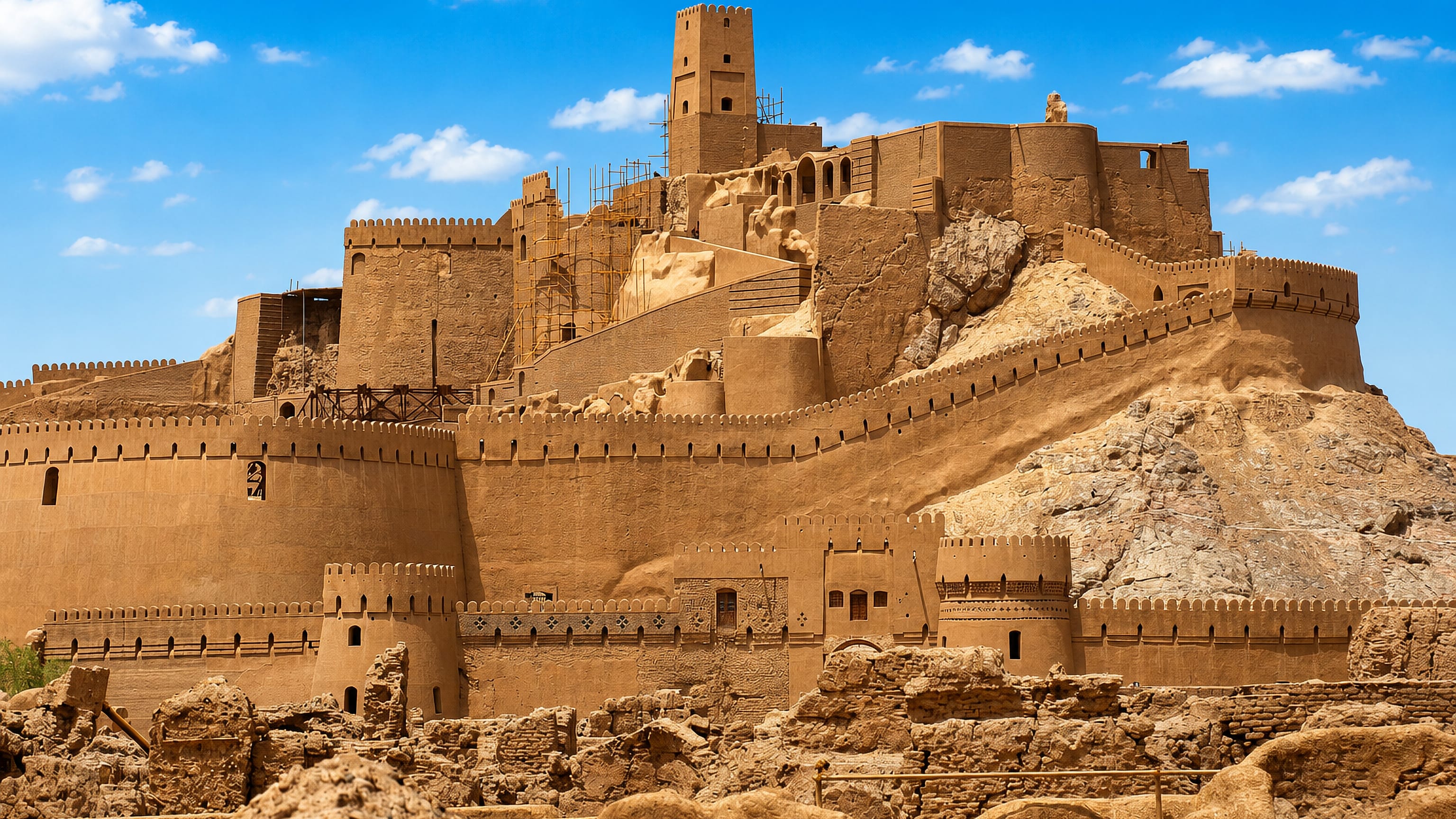
Bam is a desert oasis town in southeastern Iran, famous for a vast mud-brick citadel on the old Silk Road.
Find your area →


Where to stay in Bam
The practical side of choosing where to sleep.
Where you stay in Bam turns on the citadel and the town. The streets near the Arg keep the old bazaar, the citadel, and the shops within reach, and staying in the centre suits anyone here for the great fortress. The mud walls glow at sunset.
Rooms sit near the citadel gate. Out toward the date groves and the desert edge, the town gives way to palms and channels. A room in the groves trades the streets for the shade of the palms, the quiet, and a start into the desert.
The bare plain opens past the edge. If you want the citadel, stay in the centre; if you want the groves, take a room outside. Either way, the great citadel is close at hand.
Things to do in Bam
Ranked by global recognition; descriptions from Wikidata (CC0).
Churches & Religious Sites
1- Jameh Mosque of Arg Heritage
Castles & Historic Sites
3- بازار بم Heritage
- مجموعه بازارهای قدیمی بم Heritage
- یخدان ارگ بم Heritage
Landmarks & Notable Places
5- Naderi House (Bam) Heritage
- خانه سیستانی (آرشام) Heritage
- خانه انصاری Heritage
- خانه غرب ساباط ارگ بم Heritage
- خانه سروش زابلستانی Heritage
worth knowingacross 3 categories in Bam
About Bam
Bam is known for its great mud citadel.
What is Bam known for?
On the edge of the town rises the Arg-e Bam, once the largest mud-brick structure in the world, a whole walled city of towers and houses built of earth on the old Silk Road, and green date palms ring the desert oasis. An earthquake shook the citadel not long ago. Mud walls and dates mark the town.
What are the main landmarks in Bam?
The Arg-e Bam crowns the edge of the town. The vast mud-brick citadel, once the largest earthen building in the world, rises in towers and walls of clay, the emblem of Bam, above the palm groves. A city stands inside the walls.
The Jameh Mosque, the old bazaar, and the Naderi House fill the citadel, all raised of packed earth, while the date groves spread across the oasis around.
What is the history of Bam?
Bam grew up around a great citadel on the Silk Road. For two thousand years the town clustered below a vast fortress of mud brick, the Arg-e Bam, which guarded the caravan road across the desert of the southeast. The whole city was built of earth.
Its walls, towers, houses, and bazaars were raised from mud brick and packed clay, and in the dry desert air they stood for age after age. Dates and silk made the oasis rich. Underground channels watered the famous date groves, and the town wove fine cloth and traded the goods of the caravans that crossed the sands.
Then the earth shook it down. A terrible earthquake struck Bam in 2003 and toppled much of the ancient citadel, killing thousands, but the people set to rebuilding the great mud fortress stone by stone. The old towers rise again from the earth.
Bam guards its mud citadel on the edge of the desert.
Where is Bam?
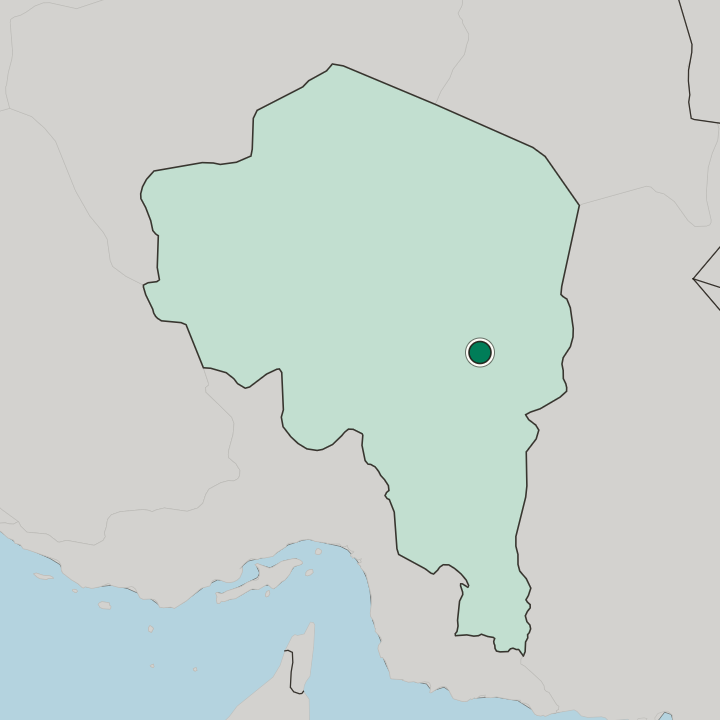
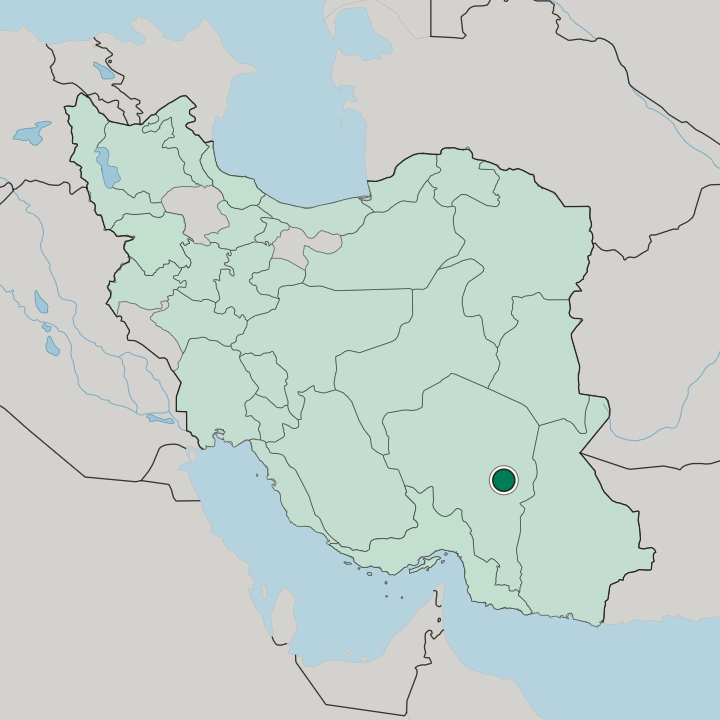
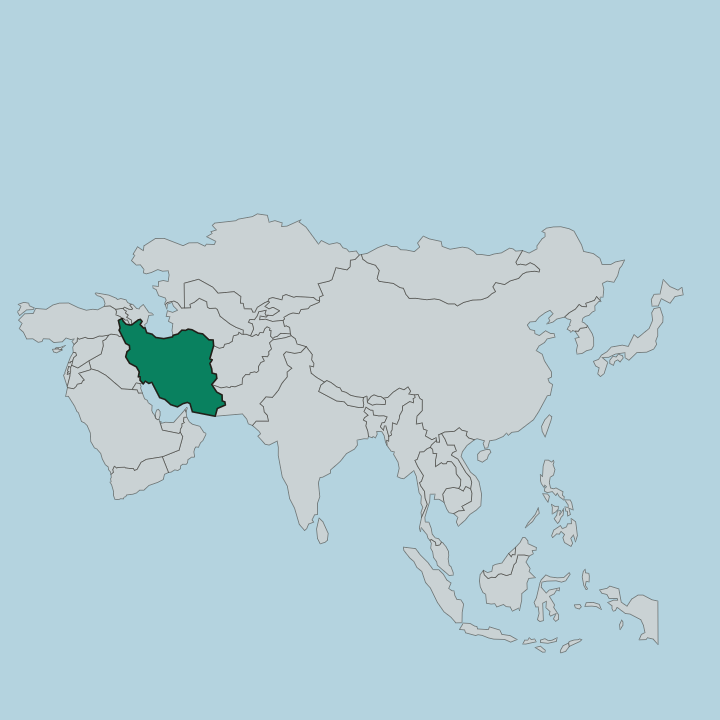
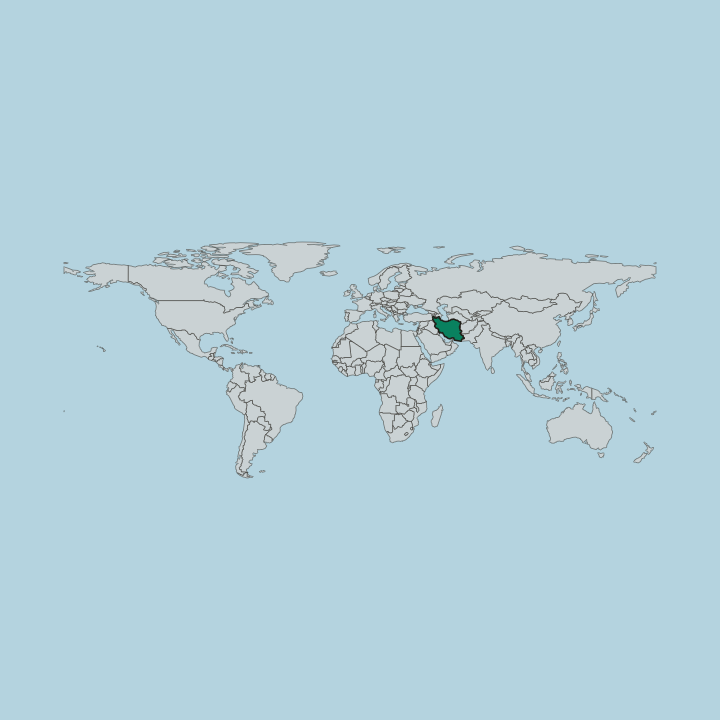
Bam lies in a desert oasis in the southeast of Iran. The town sits on a dry plain ringed by bare mountains, on the edge of the great Lut Desert in the province of Kerman, where underground channels water its famous date groves. Bare ranges rise around the plain.
The desert stretches away beyond the palms.
What is the climate of Bam?
The desert sets the year at Bam: fierce heat, and next to no rain. Fierce heat bakes the oasis through the long summer, and the winters turn mild and short, with almost no rain but the runoff from the hills. Dust blows across the plain in the heat.
The date palms stay green on the channels.
How do you get to Bam?
Bam lies in the southeast of Iran, on the old road to the east. Roads and rail run to it from Kerman in the west and toward Zahedan and the Pakistan border, and the town has a small airport. Buses reach the desert towns around.
Most arrive by road across the desert.
Good for
More cities in Kerman Province
Updated September 2026