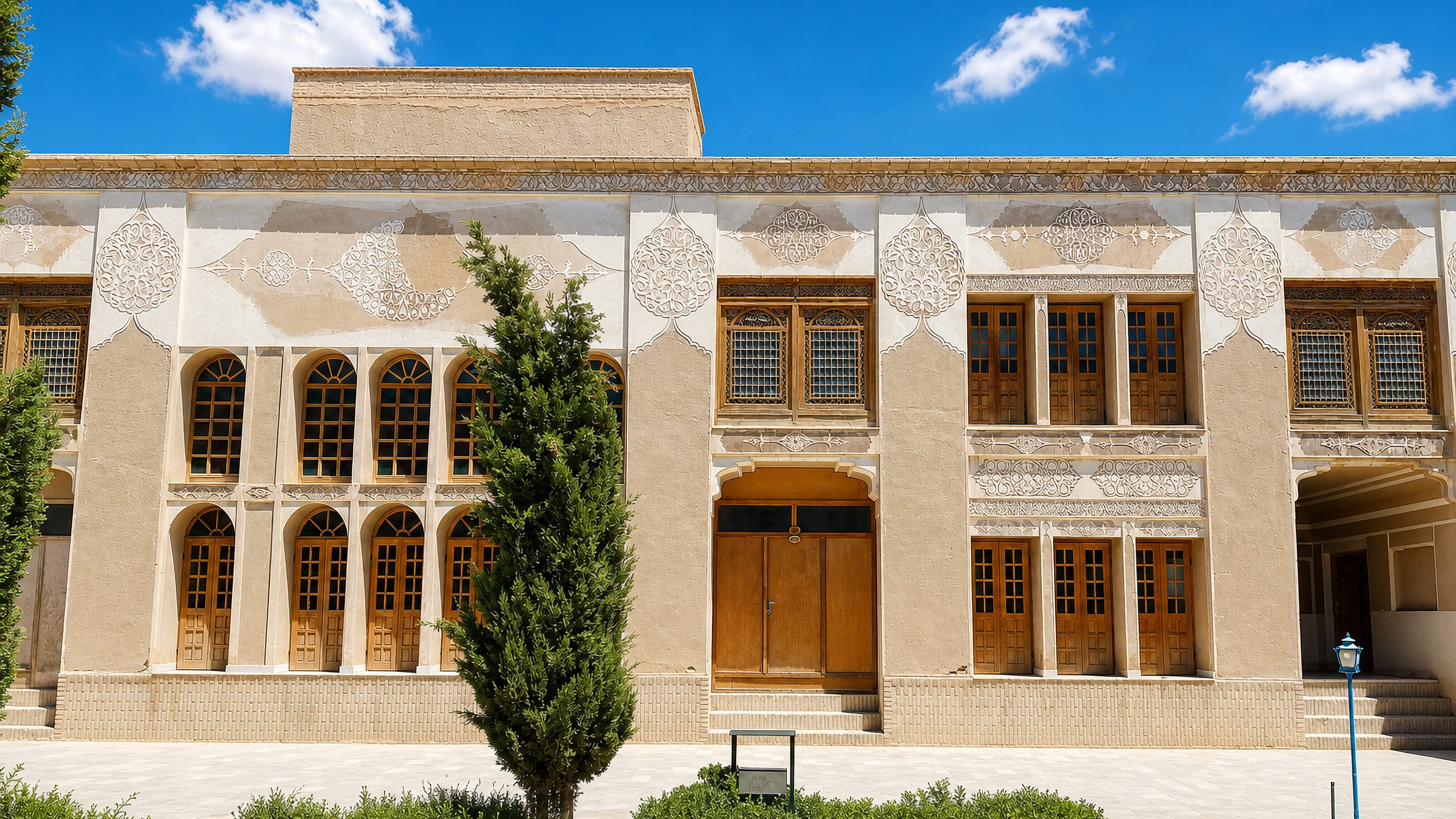
Iran · Kerman Province
Where to Stay in Shahr-e Bābak, Kerman Province
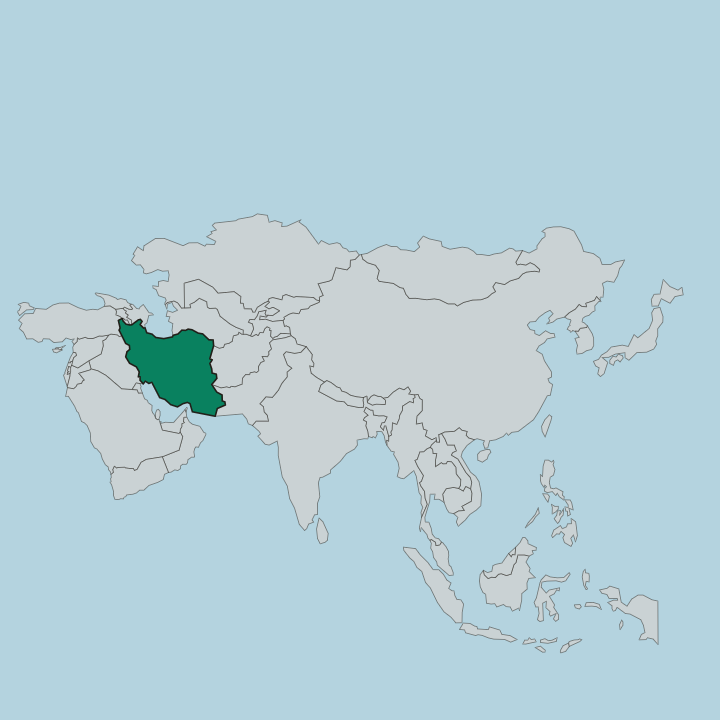
Shahr-e Bābak is the capital of Shahr-e Babak County in Kerman province, Iran, an ancient town in copper country named for the father of Ardeshir Babakan.
Find your area →


Where to stay in Shahr-e Bābak
Where the beds are, and what that means for the visit.
Shahr-e Bābak is a working town with one famous neighbour. The centre holds the county administration and serves the copper industry, and it is where a visitor on business belongs. Meymand lies 36 km out along its own road.
The mining road is the third, towards Sarcheshmeh and Miedook.
About Shahr-e Bābak
They call it the Land of Copper.
What is Shahr-e Bābak known for?
Sarcheshmeh and Miedook, the largest copper mines in Iran, both lie around Shahr-e Bābak, and the ore rather than the farmland is what the county runs on. Antiquity is the other draw. Meymand, one of the oldest villages in Iran, sits a short way off, and the town itself is credited to the Sasanian house.
What are the main landmarks in Shahr-e Bābak?
Meymand is the great sight of this county. It is one of the four oldest villages in Iran, a short run from the town, and its houses are cut into the rock. Near Dehaj lies the cave that tradition gives to Ayyoub, the prophet Job.
The copper workings at Sarcheshmeh and Miedook are landmarks of another kind, and the villages of Eshkoor, Barfeh, and Pah Qaleh lie scattered between them.
What is the history of Shahr-e Bābak?
Historians hold that this town was raised by Ardeshir Babakan, the most famous of the Sasanian kings, though the name itself is usually given to his father Babak, and either way the foundation belongs to that house. Ancient geographers recorded the place, and others tied its past to Kerman rather than to any nearer centre. The Nizari Ismailis ruled here later.
Where is Shahr-e Bābak?
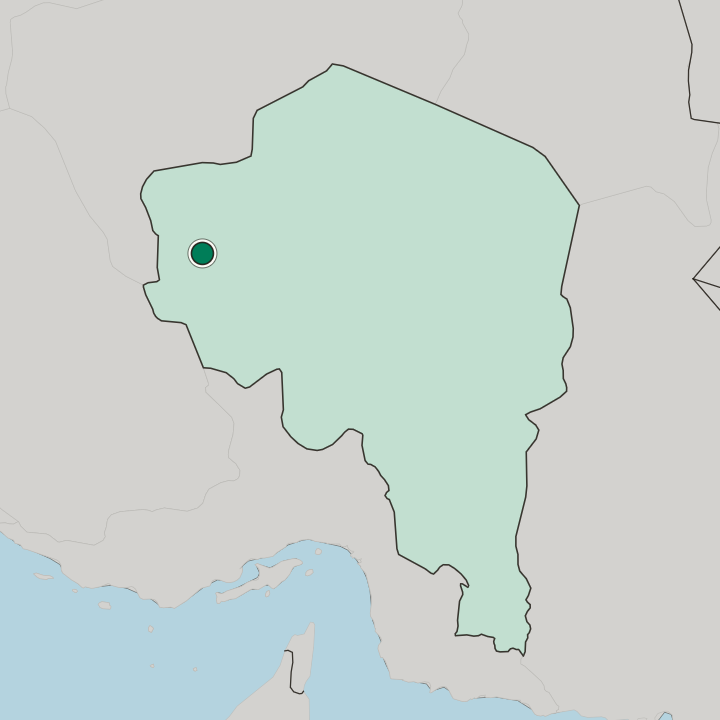
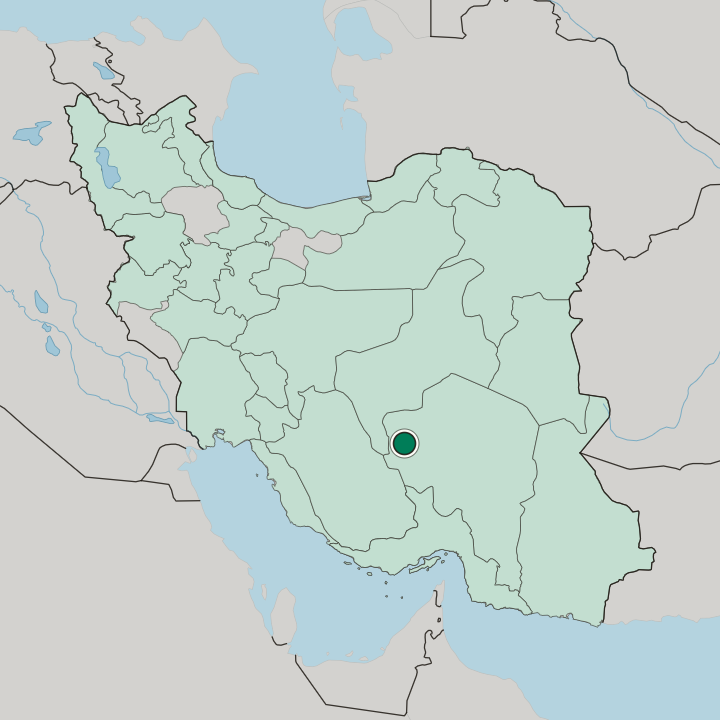
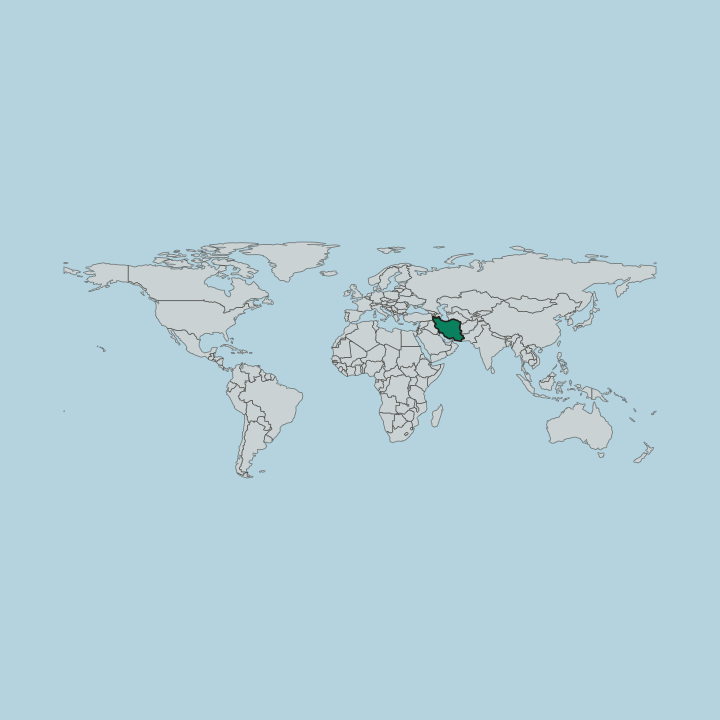
Shahr-e Bābak lies in the western part of Kerman province, with Rafsanjan to the east and Sirjan to the south, and the boundary of Yazd province running along the north and west. The country is dry upland. Copper lies under it, which is why Sarcheshmeh and Miedook are here, and the villages of the county, Hesarooyeh, Sohrab, Estabraq, and Riseh among them, are strung across the same ground.
What is the climate of Shahr-e Bābak?
This is the arid interior of Iran, so the year runs hot and very dry in summer with cold nights in winter, and the swing between day and night is wide on ground this high and open. Little rain falls. The rock-cut houses at Meymand are one traditional answer to that climate, holding their temperature where a built house would not.
How do you get to Shahr-e Bābak?
Roads bring everyone. Rafsanjan lies east of Shahr-e Bābak and Sirjan south, and both connect the town to the rest of Kerman province, while the northern and western roads cross into Yazd province. The copper traffic uses the same routes.
Meymand is reached on a short run out from the town.
More cities in Kerman Province
Updated October 2026