Iran · Kerman Province
Where to Stay in Rafsanjān, Kerman Province
Rafsanjān is a desert town of Kerman province in southeast Iran, the pistachio capital of the country beside one of the world's great copper mines.
Find your area →


Where to stay in Rafsanjān
The practical side of choosing where to sleep.
Rafsanjān's old bazaar quarter decides where most visitors take a room. The lanes around the bazaar keep the caravanserai, the cisterns, and the market within a walk, and staying by the bazaar suits anyone here for the old town. Vaulted roofs shade the market lanes.
Small guesthouses stand by the bazaar. Out in the newer town and among the orchards, the streets run wide and green. A room away from the centre trades the old lanes for space, the shops, and the road out through the pistachio groves.
Green orchards open past the edge. Stay by the bazaar for the old town, or in the new town for space. The pistachio country lies all around.
Things to do in Rafsanjān
Ranked by global recognition; descriptions from Wikidata (CC0).
Castles & Historic Sites
6- Rafsanjan Bazaar Heritage
- یخدان عباسآباد حاجی Heritage
- Wahabzadeh Caravanserai Heritage
- کاروانسرای تیمچه پرویز Heritage
- سرای معین Heritage
Show 1 more →
- Naseriyeh Caravanserai Heritage
Landmarks & Notable Places
8- خانه دهقان حسینی Heritage
- برج خلیلآباد Heritage
- خانه عذرا مرعشی Heritage
- خانه محمد صالحی Heritage
- خانه اسدالله بهرامی Heritage
Show 3 more →
- خانه میرزا محمد هاشمی پور Heritage
- خانه حسین تقی زاده Heritage
- خانه موسی رحیمی Heritage
worth knowingacross 2 categories in Rafsanjān
About Rafsanjān
Rafsanjān is the pistachio town of the Kerman desert.
What is Rafsanjān known for?
On the dry plateau at the edge of the central desert, it is ringed by the largest pistachio orchards on earth and rich in the copper of the Sarcheshmeh mine nearby, and it keeps an old covered bazaar, a caravanserai on the desert road, and cool cisterns and ice-houses of mud brick. Pistachio groves ring the town. Bare desert stretches beyond.
What are the main landmarks in Rafsanjān?
The old bazaar is the heart of Rafsanjān. Its long vaulted lanes of shops, trading pistachios, copper, and desert crafts, run through the town centre, the emblem of the place, under brick domes. A caravanserai stands nearby.
The Wahabzadeh caravanserai kept the traders of the desert road, while the old ice-houses, the cisterns, and the pistachio orchards mark the country around Rafsanjān.
What is the history of Rafsanjān?
Rafsanjān grew as a caravan town of the desert road. On the way between Kerman and the north, it gathered traders and craftsmen at its bazaar and caravanserai, and watered its gardens from the qanats that reach far under the plateau. The pistachio made it rich.
Over the centuries its people planted vast orchards of pistachio trees in the dry soil, and Rafsanjān became the heart of the world's pistachio trade. Copper lay in the hills nearby. At Sarcheshmeh in the mountains south of the town lies one of the greatest copper deposits on earth, mined and smelted on a huge scale in our own age.
The town gave Iran a statesman. Akbar Hashemi Rafsanjani, a leading figure of the modern republic, came from a pistachio-farming family here. The old bazaar still trades under its vaults.
Rafsanjān keeps its orchards and its bazaar on the Kerman plateau.
Where is Rafsanjān?
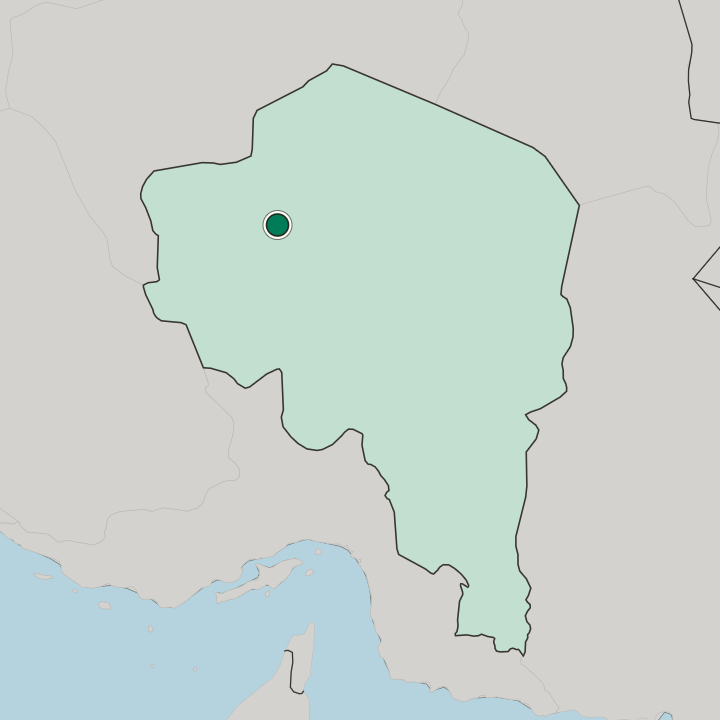
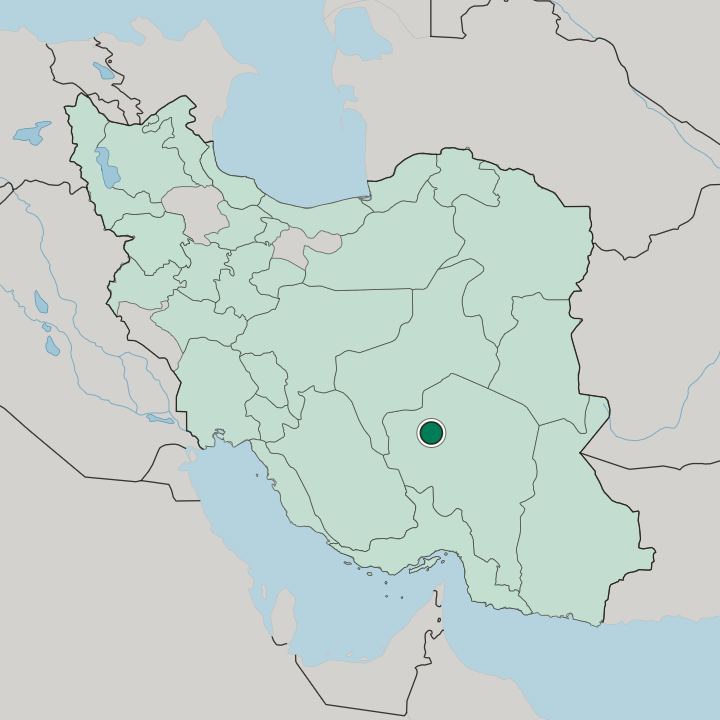
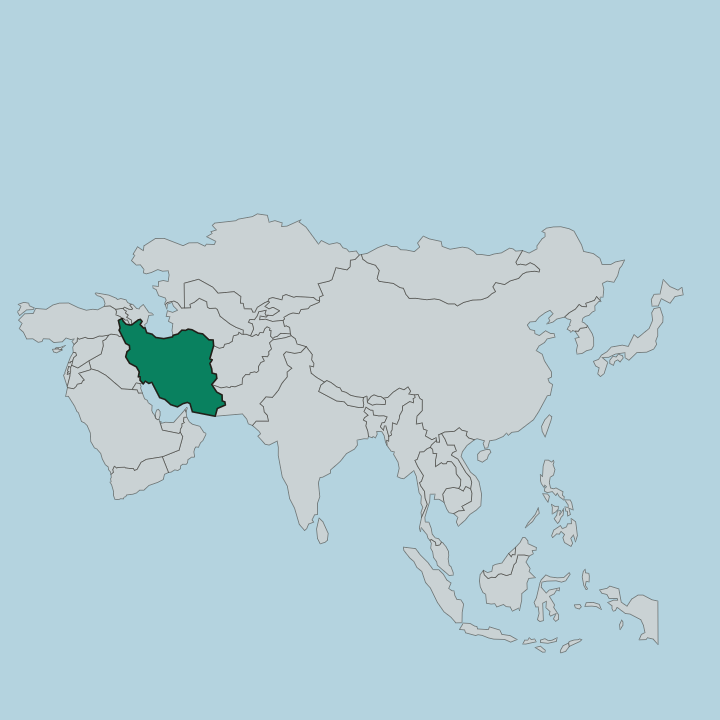
Rafsanjān lies on a high desert plain in Kerman province, southeast Iran, between the mountains and the sand. The town sits in a dry basin watered by qanats, on the old road from Kerman to Yazd, where pistachio orchards spread green over the pale plateau. Bare ranges rise around.
The desert opens flat to the north.
What is the climate of Rafsanjān?
Rafsanjān has a harsh desert climate. Long, hot summers scorch the plateau by day and cool at night, and short winters bring frost and almost no rain, dry enough to ripen the pistachios well. Dust hangs over the plain in summer.
Snow rarely dusts the far mountains.
How do you get to Rafsanjān?
Rafsanjān lies in Kerman province, northwest of the city of Kerman. Roads and a rail line run across the desert to it from Kerman and Yazd, and the highway crosses the plateau southwest to Shahr-e Babak and the cave village of Meymand. Local roads reach the orchard villages.
Kerman lies a couple of hours off.
Good for
More cities in Kerman Province
Updated September 2026