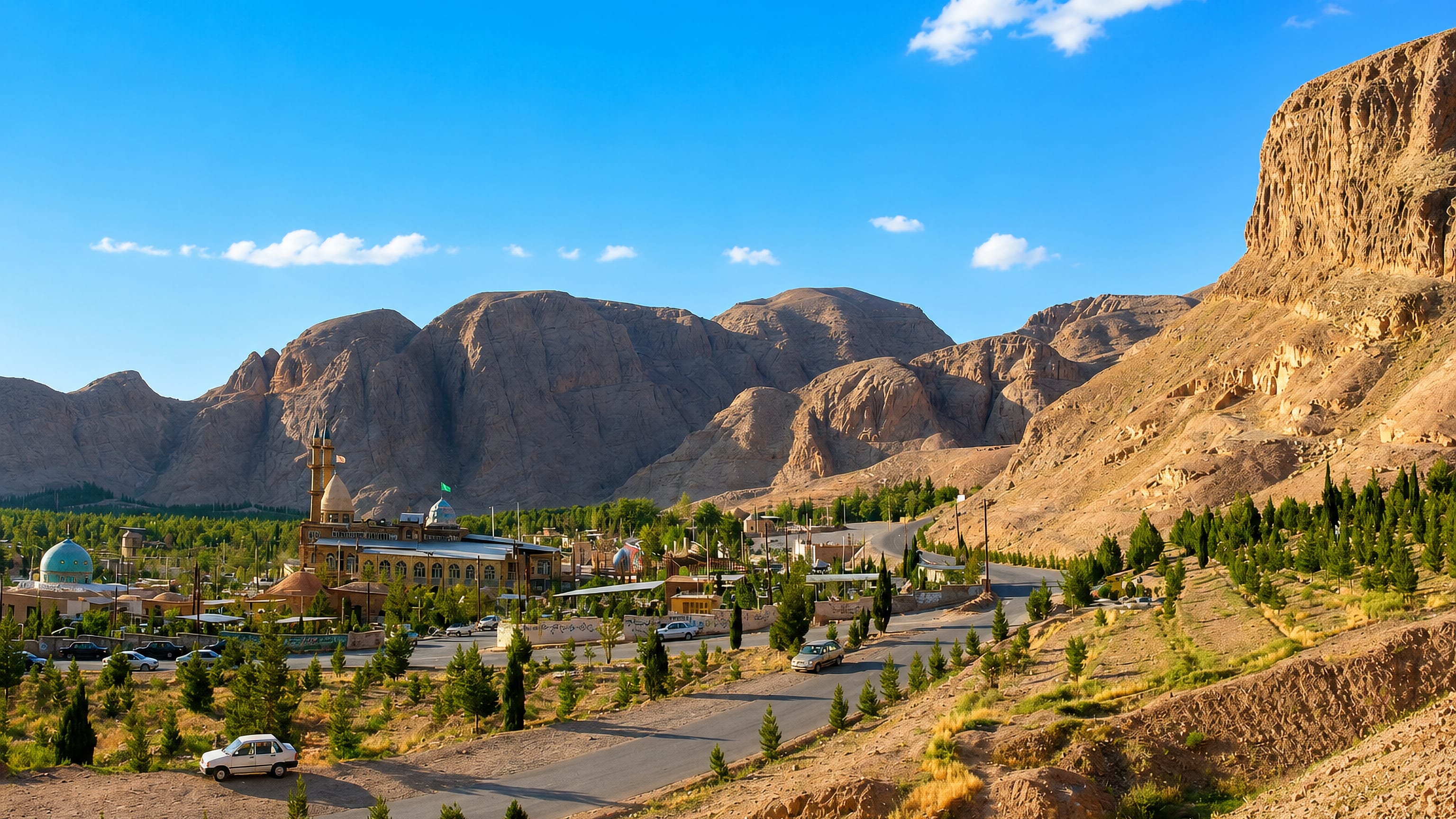
Iran · Kerman Province
Where to Stay in Kerman, Kerman Province
Old bazaars and gardens fill the heart of Kerman, the capital of Kerman Province in southeastern Iran, known for its mosques and mansions.
Find your area →


Where to stay in Kerman
The practical side of choosing where to sleep.
Kerman centres on its old bazaars and gardens in southeastern Iran, so where you stay turns on how close to the historic core you want to be. The old city pulls you in. Around the Haj Agha Ali Bazaar and the Ibrahim Khan Complex, the heart of Kerman gathers its lodging near the mosques and the old lanes, while leafier streets follow the gardens toward the edges of Kerman County.
Each quarter has its own mood. Stay in the historic centre near the Haj Agha Ali Bazaar for the mosques, the Ibrahim Khan Complex, and the old trading lanes within reach. It suits you if you want the bazaar at your door.
For greenery, the Harandi Garden and the Beyramabad Garden mark a quieter, shaded side of the city. Both draw their own visitors. The choice runs between the bazaar-lined old centre and the garden quarters of Kerman.
Things to do in Kerman
Ranked by global recognition; descriptions from Wikidata (CC0).
Churches & Religious Sites
5- Haj Agha Ali Mosque Heritage
- Teh Bagh Laleh Mosque Heritage
- Paktang Mosque Heritage
- Malek Dinar Mosque Heritage
- Ayatollah Mosque Heritage
Castles & Historic Sites
8- Dokhtar Castle (Kerman) Heritage
- Takht-e Dargah Qoli Beyk Heritage
- Ardashir Castle (Kerman) Heritage
- Harandi Garden Heritage
- Ibrahim Khan Complex Heritage
Show 3 more →
- Khajeh Atabak Mausoleum Heritage
- Beyramabad Garden Heritage
- Qaleh Mahmud Bazaar Heritage
Landmarks & Notable Places
2- Khoshro House and Adjacent Sabat Heritage
- خانه امینیان Heritage
worth knowingacross 3 categories in Kerman
About Kerman
What is Kerman known for?
Kerman is known as the capital of Kerman Province in southeastern Iran, the seat of Kerman County and its Central District. Its old city runs on trade and faith. Bazaars such as the Haj Agha Ali Bazaar and the Meydan Qaleh Bazaar wind past mosques like the Malek Dinar Mosque, while gardens such as the Harandi Garden and heritage houses give the historic centre of Kerman its shape.
What are the main landmarks in Kerman?
Kerman's landmarks crowd its old city, from bazaars and mosques to gardens and mansions. The Haj Agha Ali Bazaar and the Ibrahim Khan Complex anchor the trading centre, while the Malek Dinar Mosque and the Khajeh Atabak Mausoleum mark its faith. Older still are the castles.
Ardashir Castle and Dokhtar Castle recall the city's ancient defences, and the Harandi Garden and Harandi Mansion hold its gentler heritage in Kerman Province.
What is the history of Kerman?
Kerman ranks among the ancient cities of southeastern Iran, its origins guarded by the old citadels of Ardashir Castle and Dokhtar Castle. Its roots run to antiquity. These fortresses recall the early city, long before Kerman grew into the capital of a province, and their walls still mark the deep past of the Central District.
Through the centuries the city prospered on trade and faith. Bazaars such as the Haj Agha Ali Bazaar and the Qaleh Mahmud Bazaar drew merchants, while mosques like the Malek Dinar Mosque and the Ayatollah Mosque and the Ibrahim Khan Complex rose across the old centre. Gardens softened the old city.
The Harandi Garden and the Beyramabad Garden, with mansions such as the Harandi Mansion, carry the later heritage of Kerman County through the old streets.
Where is Kerman?
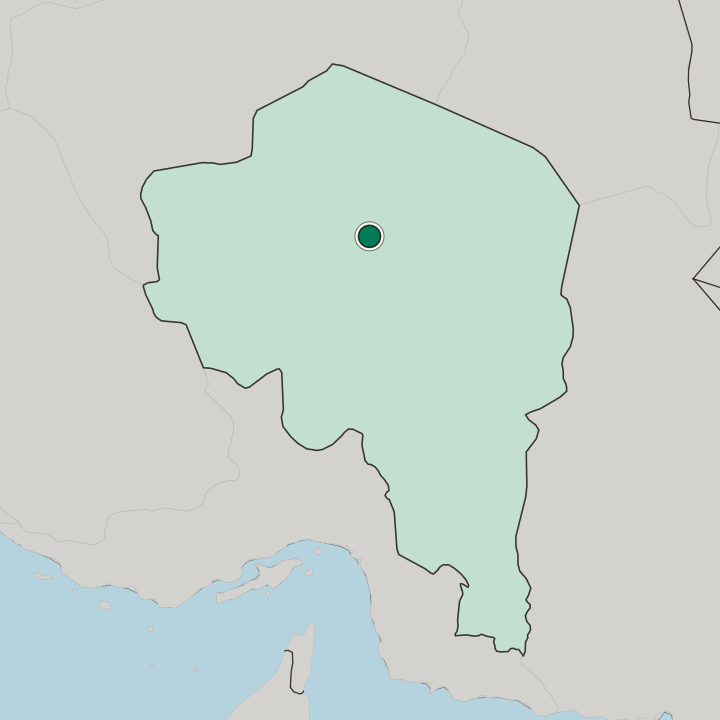
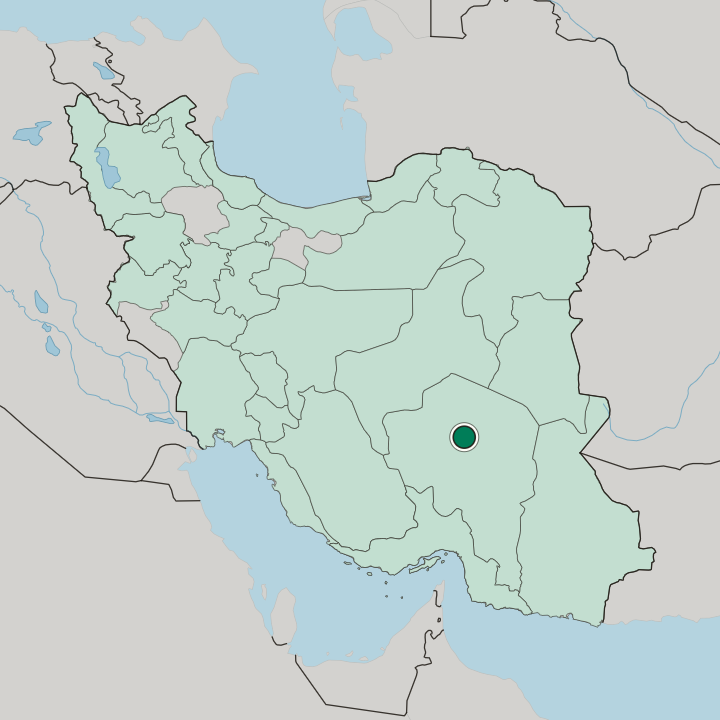
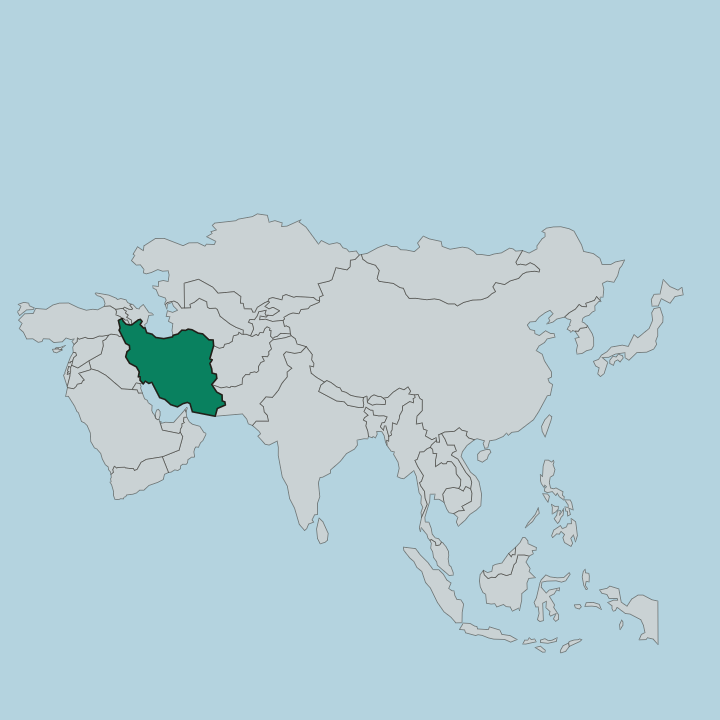
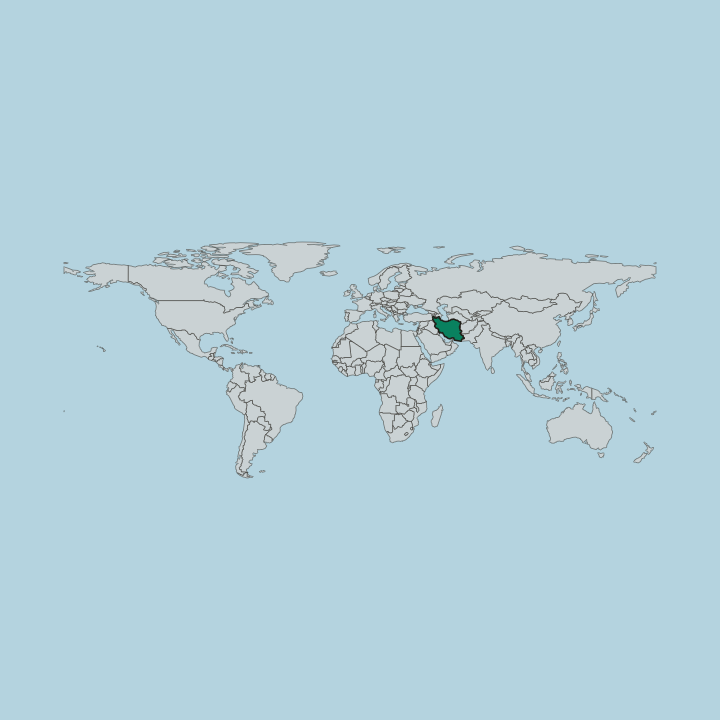
Kerman lies deep in southeastern Iran, the capital of Kerman Province far from the coast. The interior surrounds it. Ringed by the open country of the southeast, the city gathers its bazaars, mosques, and gardens at the centre of Kerman County and its Central District.
That inland ground shapes the city.
What is the climate of Kerman?
Kerman has a dry climate in the interior of southeastern Iran. Rain stays scarce here. Hot and dry through the summer days, the city cools sharply at night and into the winter, with little rain falling on Kerman Province across the year.
Summer and winter sit far apart. That dryness marks the weather of the old city.
How do you get to Kerman?
Kerman is the main hub of its province, tied to the rest of Iran by the long roads that cross the southeast. Most journeys pass through the capital. As the seat of Kerman County, the city gathers the routes that thread the dry interior, linking the Central District to the wider country far beyond the coast.
Distance defines the approach. From the old bazaars at its centre, Kerman opens onto the roads of the province.
Good for
More cities in Kerman Province
Updated September 2026