Iran · Mazandaran Province
Where to Stay in Āmol, Mazandaran Province
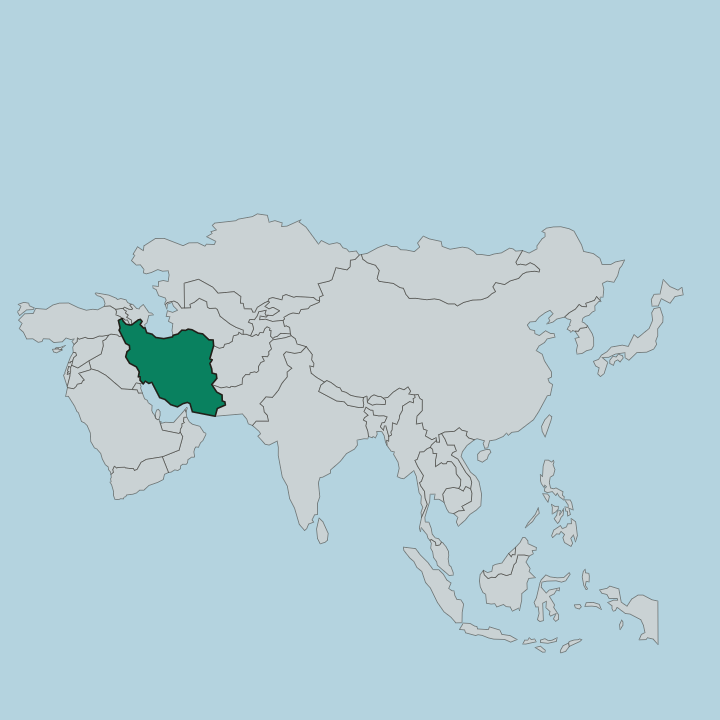
Amol is a city of Mazandaran in north Iran, one of the country's oldest towns, on the Haraz below Mount Damavand between the Caspian and the mountains.
Find your area →


Where to stay in Āmol
How the choice of base plays out on the ground.
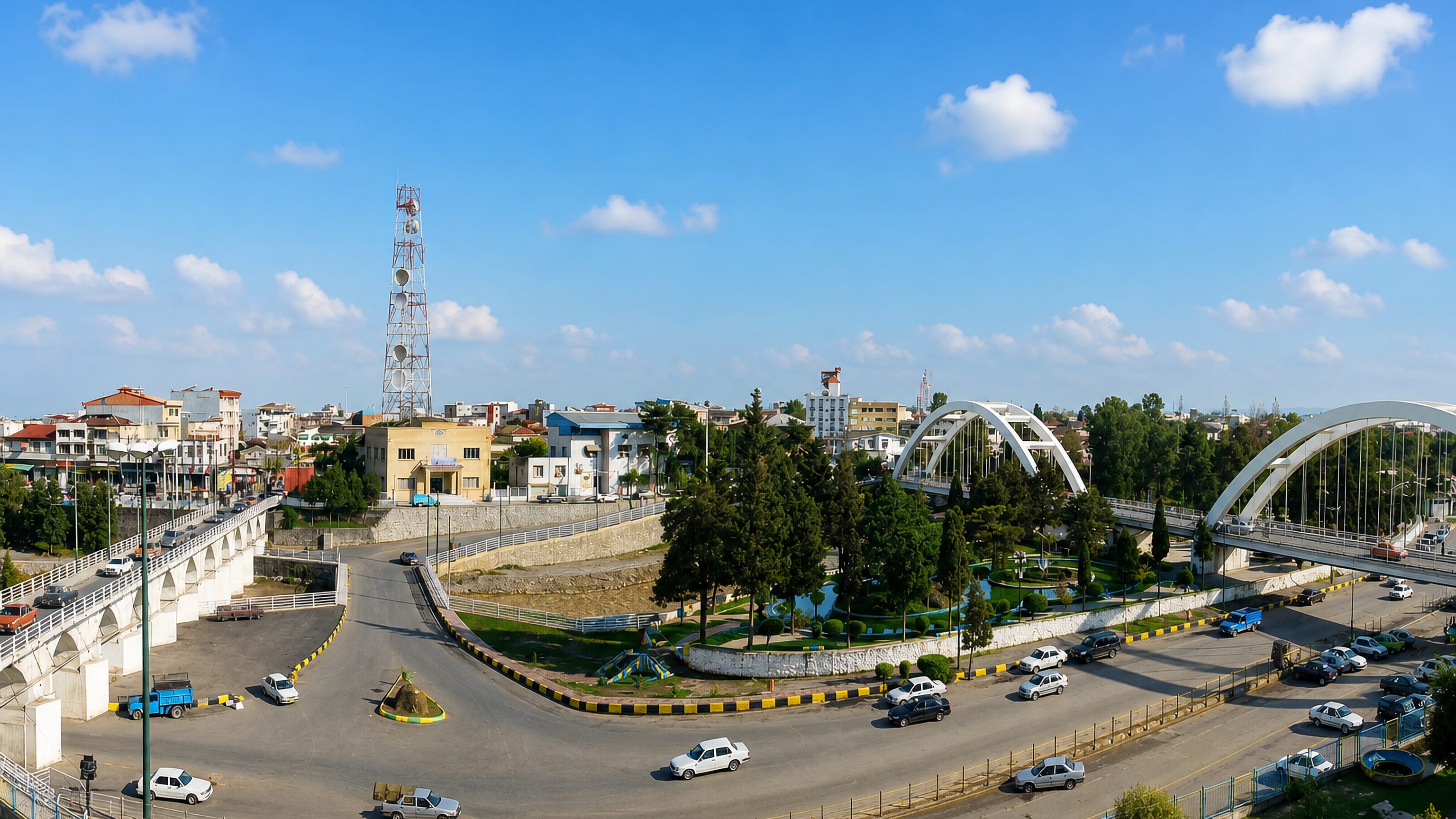
Where you stay in Amol turns on the town or the country. The streets around the old bridge keep the shrines, the bazaar, and the river within a walk, and staying in the centre suits anyone here for the old town. The river runs through the streets.
Shrine domes rise over the roofs. Out toward the mountains and the coast, the town gives way to the rice plains, the forests, and the road to Damavand. A room out of town trades the streets for the green paddies, the wooded hills, and the far white peak.
The Caspian lies north of the fields. Stay in the centre for the shrines, or out for the mountains and forest. Only a short stretch of rice fields separates Amol from the sea.
Things to do in Āmol
Ranked by global recognition; descriptions from Wikidata (CC0).
Museums & Galleries
1- Amol History Museum Heritage
Castles & Historic Sites
7- Shams al-Rasul Mausoleum Heritage
- Imamzadeh Ibrahim Heritage
- Nasir al-Haqq Mausoleum Heritage
- Haydar Amuli Mausoleum Heritage
- Imamzadeh Khezr Heritage
Show 2 more →
- Manuchehri House Heritage
- Shafaei House Heritage
worth knowingacross 2 categories in Āmol
About Āmol
Amol is the ancient city of the Caspian plain.
What is Āmol known for?
On the Haraz river in the green north of Iran, it grew as one of the oldest towns of the land, and it keeps the old shrines and mausoleums of its saints and scholars, the cone of Mount Damavand towering to the south, the dense Hyrcanian forests along the slopes, and the wide rice fields of the Mazandaran plain. Rice fields stretch north to the Caspian shore. Damavand stands white and high.
What are the main landmarks in Āmol?
The old mausoleums are the pride of Amol. The tiled tomb towers of the town's saints and scholars, among them the mystic Haydar Amoli, rise by the streets, the emblem of the city, downtown. An old bridge spans the Haraz.
The twelve-arched stone bridge crosses the river in the heart of town, while the shrine of Mir Bozorg, the Amol History Museum, and the peak of Damavand mark the country around Amol.
What is the history of Āmol?
Amol is one of the oldest cities of Iran. On the Caspian plain it stood for thousands of years, a seat of old kings and a town of the Tabari people before the coming of Islam. Saints and scholars made it famous.
In its early centuries Amol became a great seat of learning and faith, and holy men and thinkers were buried here, their shrines still drawing pilgrims to the town. The city guarded the road to the south. Amol held the mountain pass where the Haraz cuts through the Alborz toward the plateau, and armies and traders crossed here between the Caspian and the heart of Iran.
Damavand loomed over all. The great volcano of legend rose above the town, wound through with old tales of demons and heroes, and Amol lived on by its rice, its forests, and its shrines, keeping its old bridge, its mausoleums, and its plain. The forests still climb the hills.
Amol keeps its ancient streets below Damavand in the green north.
Where is Āmol?
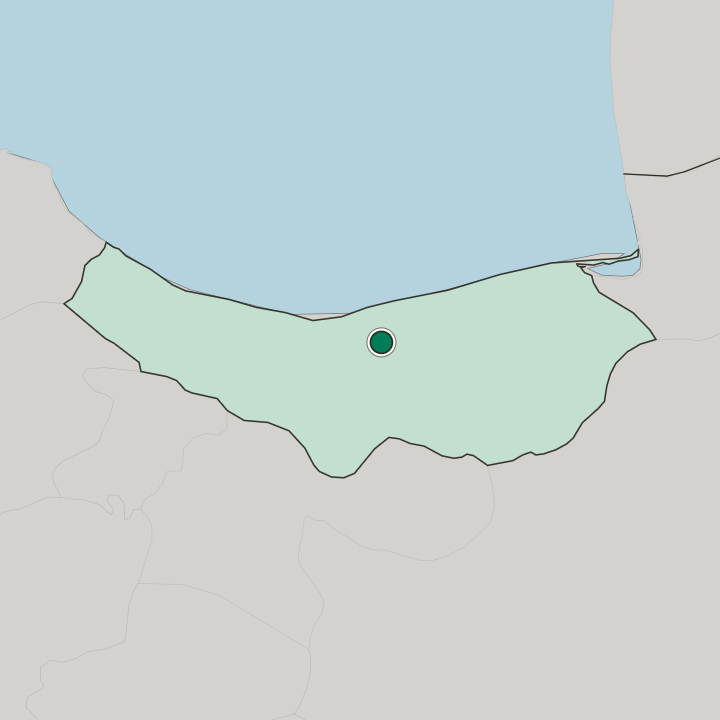
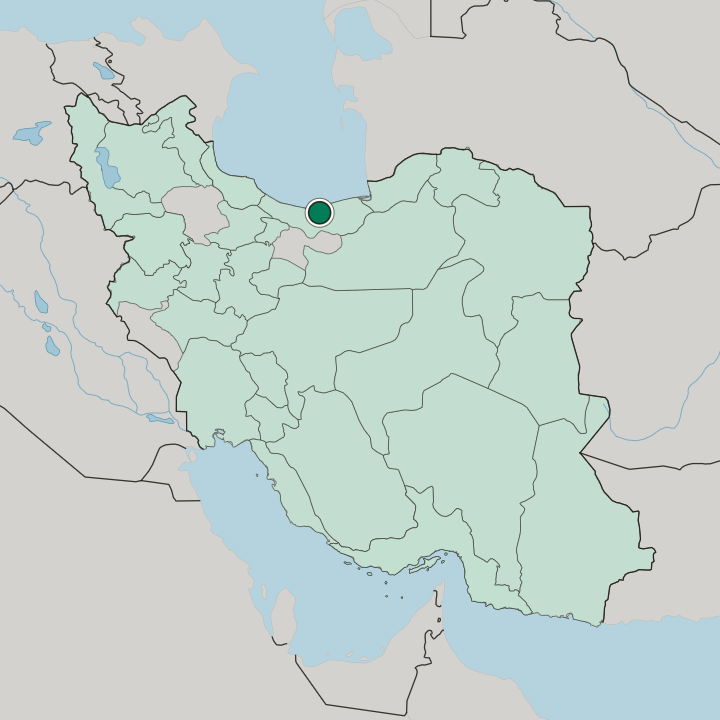
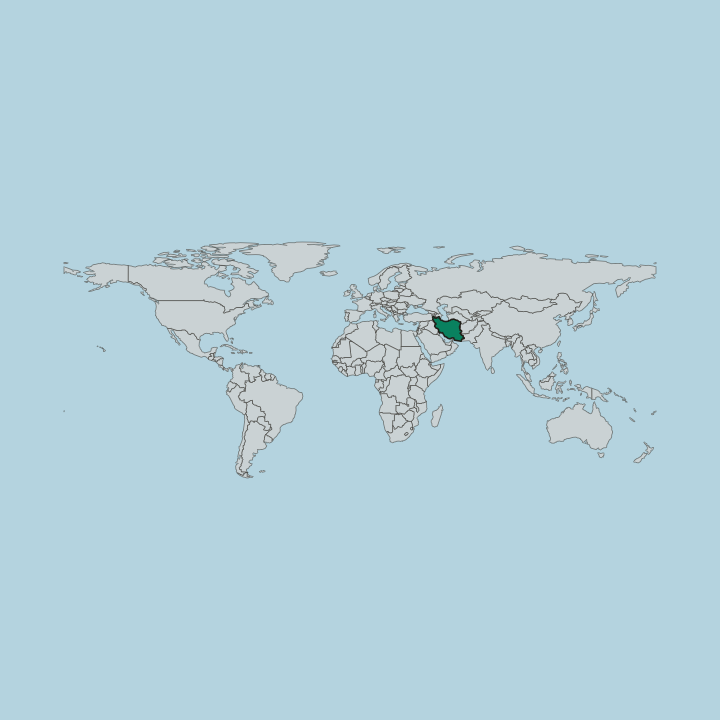
Amol lies in the north of Iran, on the Haraz river in the coastal plain of Mazandaran. The city sits on the green lowland between the Caspian Sea and the Alborz mountains, in a wet land of rice paddies and orchards, with the forests climbing the slopes and the snow cone of Damavand rising beyond. The river runs down from the peaks.
Rice fields fill the plain.
What is the climate of Āmol?
Amol has a mild, humid Caspian climate. Warm wet summers and cool damp winters hold on the plain, with heavy rain off the sea and green growth the year round. The rains keep it green.
Mist hangs on the hills.
How do you get to Āmol?
Amol lies in northern Iran, on the road from Tehran to the Caspian coast. The highway climbs to it up the Haraz gorge from the capital, and roads run along the plain to the sea and the neighboring towns. Buses cross the rice country.
The Caspian lies north over the fields.
Good for
More cities in Mazandaran Province
Updated September 2026