Iran · Mazandaran Province
Where to Stay in Sari, Mazandaran Province
Sari is a city of northern Iran on the Caspian lowland, the capital of Mazandaran, an ancient town of forests and rice fields below the Alborz mountains.
Find your area →


Where to stay in Sari
How the choice of base plays out on the ground.
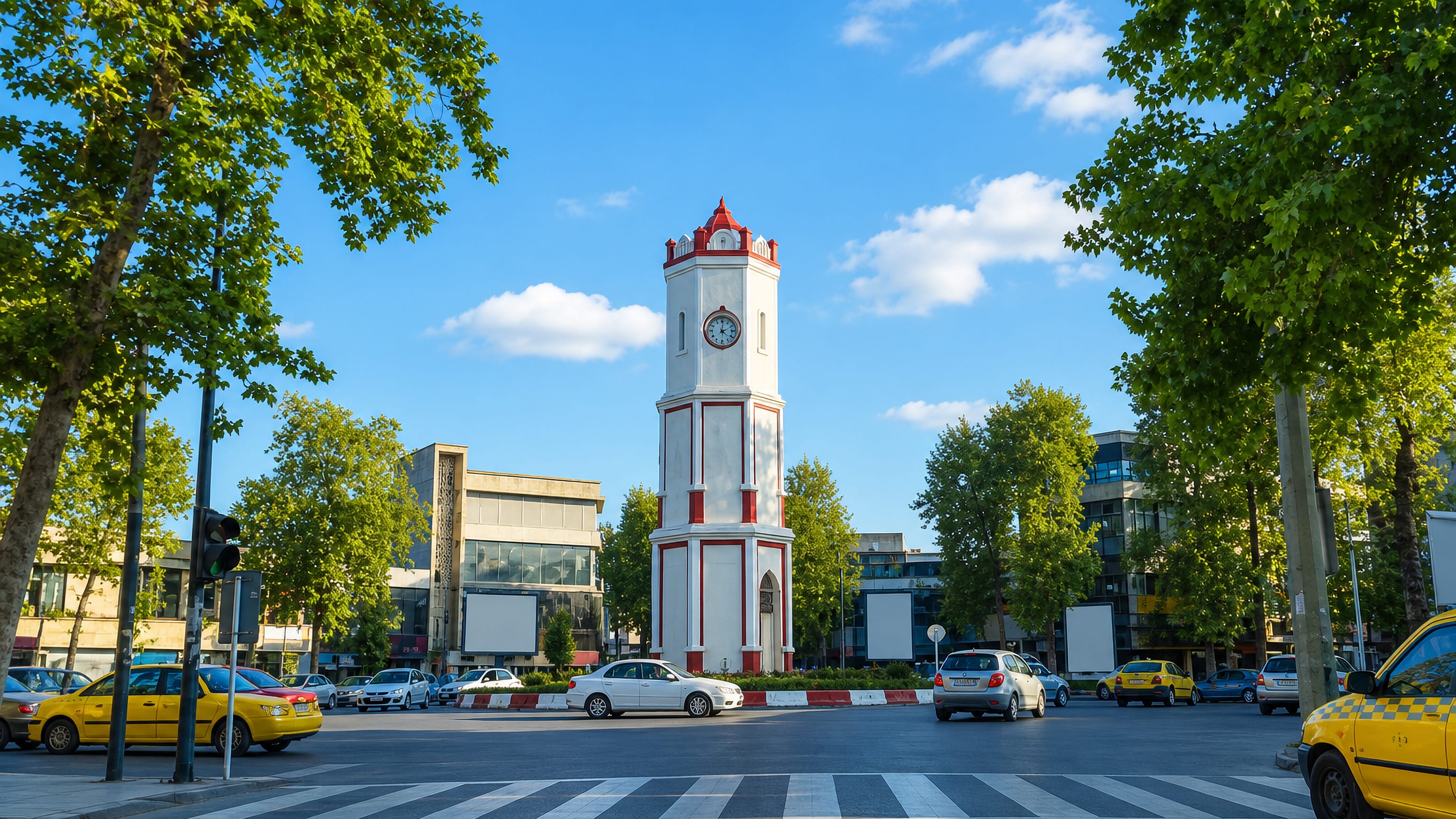
Sari offers two kinds of base: the old town or the Caspian coast. The streets around the clock tower keep the bazaar, the shrines, and the square within a walk, and staying downtown suits anyone here for the old city. The old towers rise over the roofs.
Bazaars fill the lanes. Out toward the sea and the forests, the town gives way to the rice country, the Caspian beaches, and the wooded Alborz. A room out of town trades the streets for the green paddies, the forest hills, and the cool Caspian shore.
The mountains rise wooded behind. Stay downtown for the bazaar, or out for the coast. The bazaar is a short drive inland from the shore.
Things to do in Sari
Ranked by global recognition; descriptions from Wikidata (CC0).
Museums & Galleries
1- Sari Museum
Castles & Historic Sites
4- Imamzadeh Abbas (Sari) Heritage
- Imamzadeh Yahya (Sari) Heritage
- Imamzadeh Zayn al-Abidin (Sari) Heritage
- Fazeli House (Sari) Heritage
worth knowingacross 2 categories in Sari
About Sari
Sari is the old capital of the Caspian north.
What is Sari known for?
On the green lowland of Mazandaran below the Alborz, it was the ancient seat of Tabaristan, and it keeps the old tomb-towers of its saints, a clock tower on its central square, the rice fields and citrus groves of the plain, and the Hyrcanian forests and high peaks that rise behind. Rice country runs flat down to the Caspian. The forests climb the hills.
What are the main landmarks in Sari?
The tomb-towers are the mark of old Sari. The shrines of its imamzadehs, their tall brick towers and tiled domes rising over the old town, hold the city's past, the emblem of Sari, at its heart. A clock tower stands on the square.
The old clock tower rises over the central square nearby, while the museum, the bazaar, and the forest roads mark the country around Sari.
What is the history of Sari?
Sari is one of the old cities of the north. Long ago it was the seat of Tabaristan, the green mountain land by the Caspian that held out for centuries under its own lords when much of Persia had changed. The forests shielded it.
Behind their wall of trees and peaks the people of the coast kept their old ways late, and Sari grew as the chief town of the region. The town rose and fell with the north. Local kings, then Mongols and others, ruled the Caspian land, and for a short while a Persian ruler even made Sari his capital before the crown moved to Tehran.
The rice made it rich. On the wet green plain the farmers grew rice and citrus in plenty, and Sari lived by its fields, its shrines, and its trade below the mountains, keeping its tomb-towers and its old square. The forests still climb behind the town.
Sari keeps its shrines and its green plain on the Caspian shore.
Where is Sari?
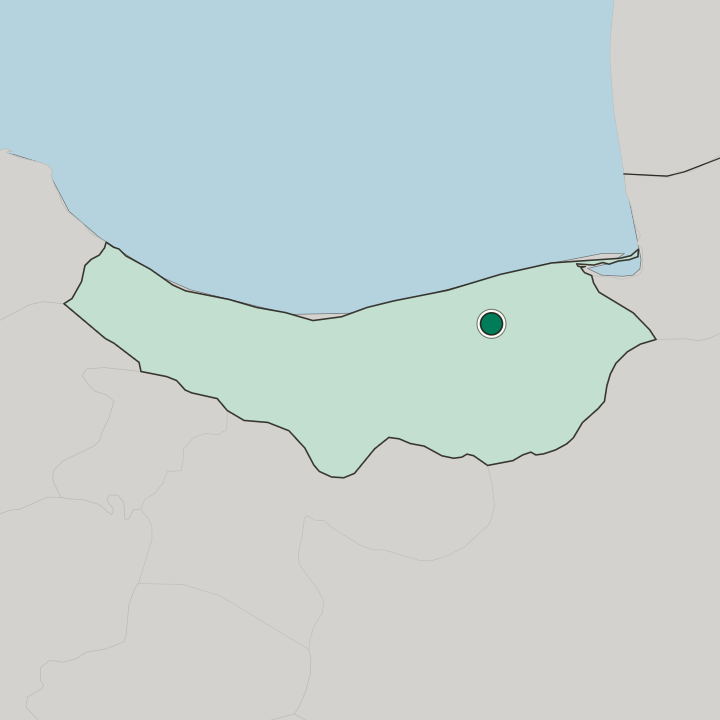
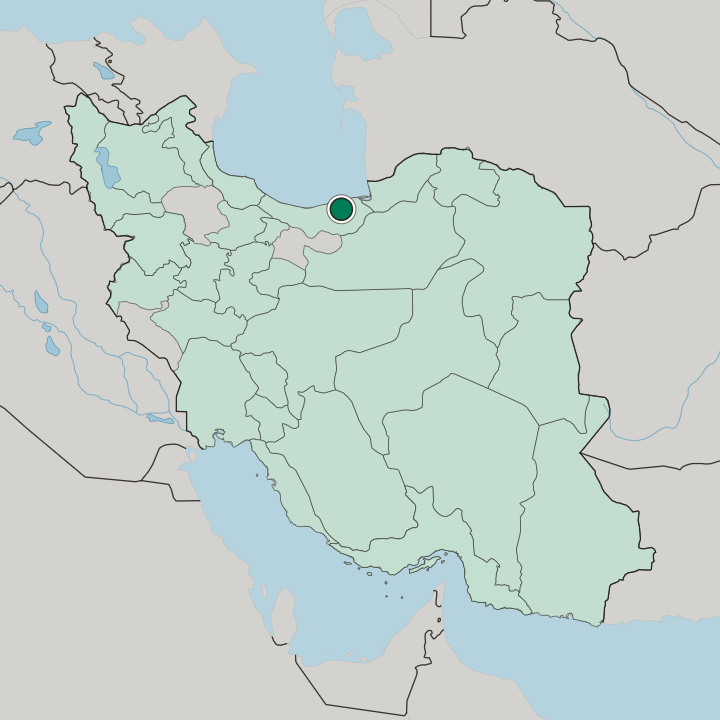
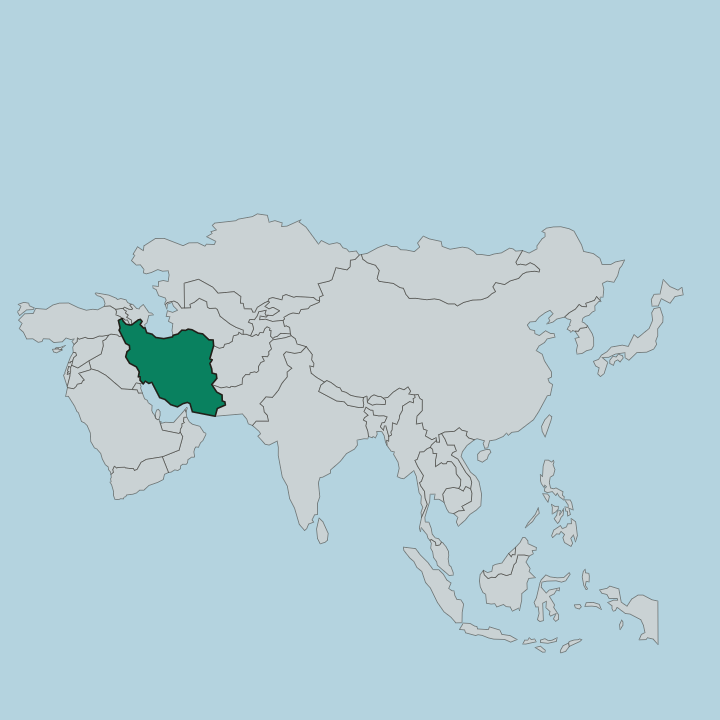
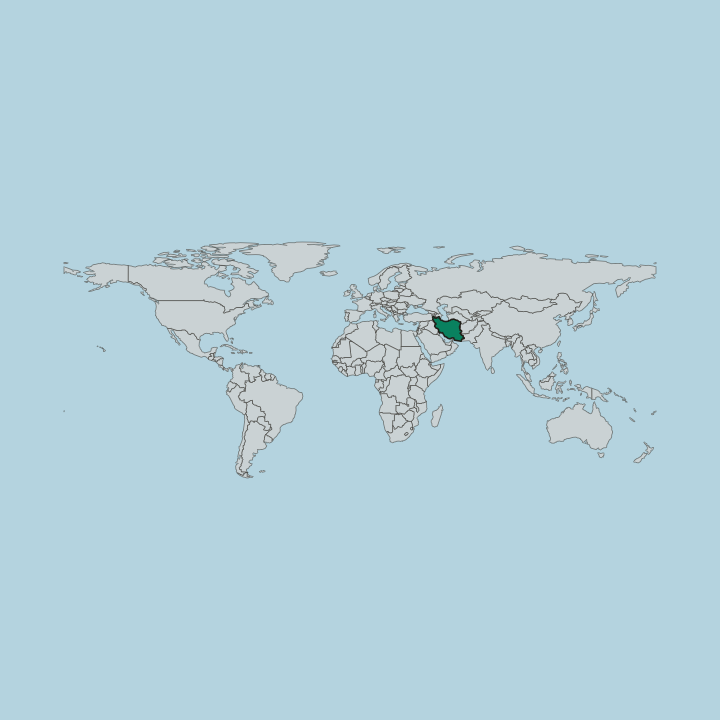
Sari lies in the north of Iran, on the Caspian plain between the sea and the Alborz mountains. The city sits on the flat green lowland a little back from the Caspian shore, where the Tajan river runs down from the hills, with rice fields around and the forested Alborz rising steeply to the south. Green paddies run to the sea.
The mountains wall the south.
What is the climate of Sari?
Sari has a mild, wet Caspian climate. Warm damp summers and mild rainy winters cross the lowland, with rain in every season off the sea and green all year, softer than the dry interior. The rains keep the plain green.
The air hangs warm and damp.
How do you get to Sari?
Sari lies on the Caspian plain of northern Iran, below the Alborz. Roads and a railway climb over the high passes from Tehran and run along the coast, and its airport links the north. Buses cross the green plain.
Tehran lies south over the range.
Good for
More cities in Mazandaran Province
Updated September 2026