Iran · Razavi Khorasan Province
Where to Stay in Torbat-e Jām, Razavi Khorasan Province
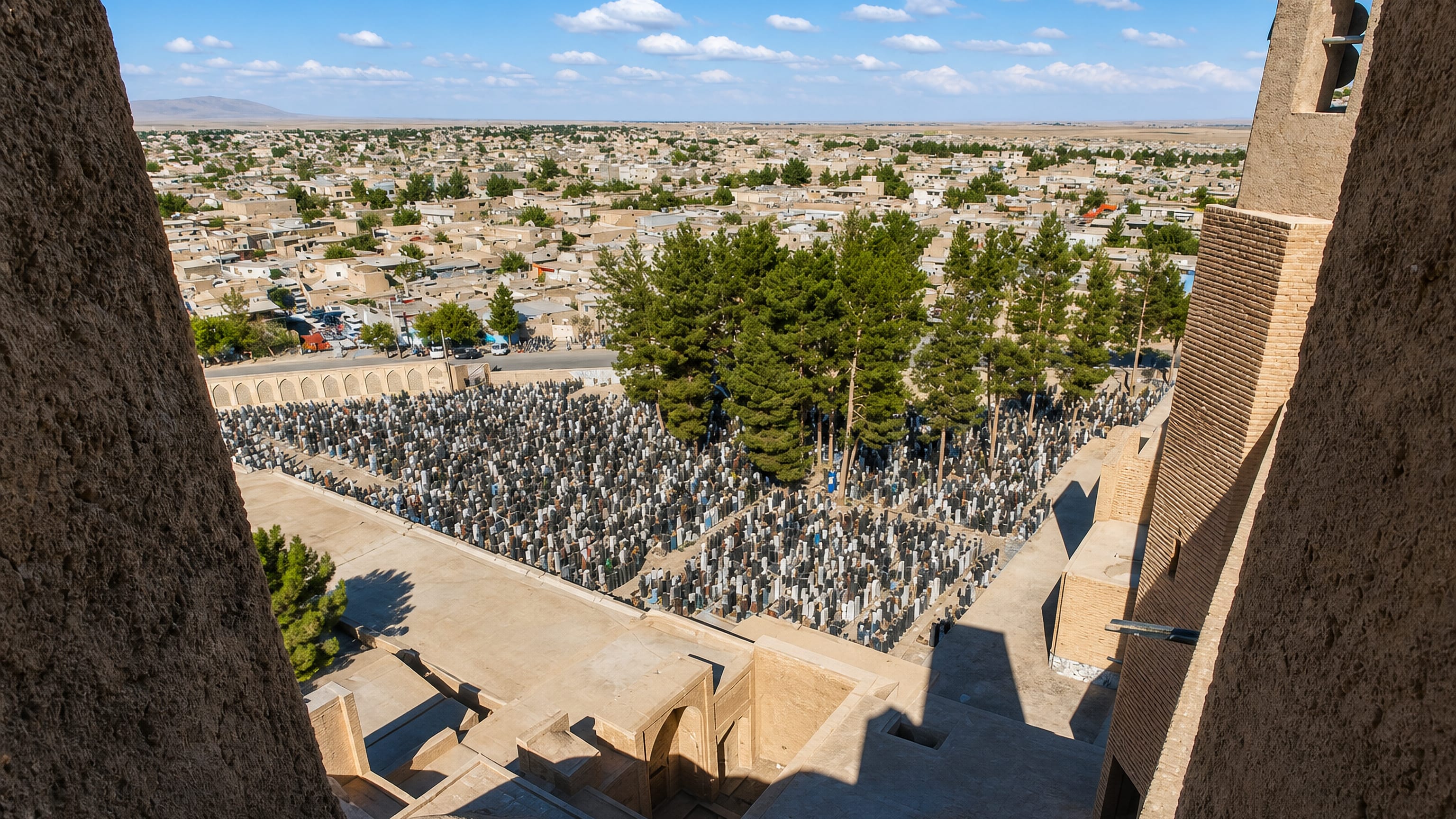
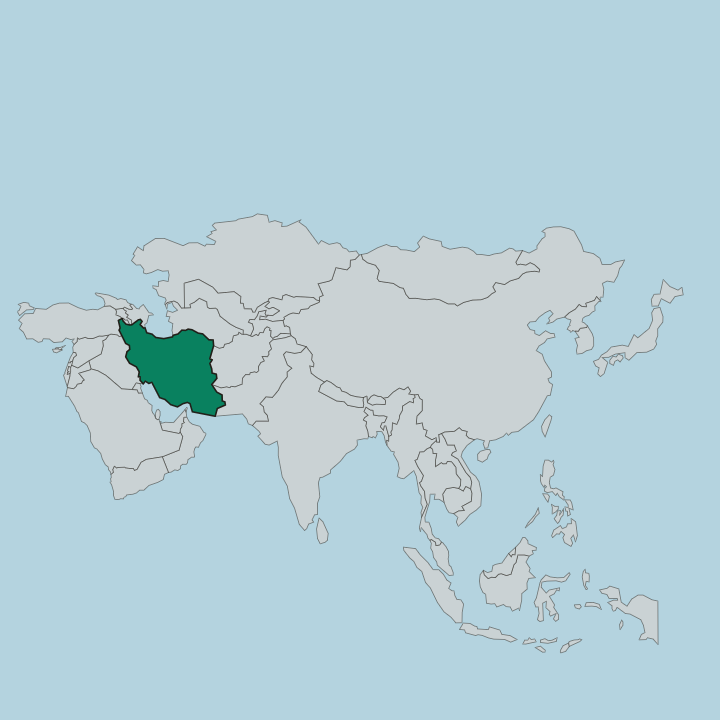
Torbat-e Jām is a city of Greater Khorasan in Razavi Khorasan province, Iran, built around the shrine of Sheikh Ahmad Jami near the Afghan frontier.
Find your area →


Where to stay in Torbat-e Jām
How the choice of base plays out on the ground.
Torbat-e Jām arranges itself around its shrine. The Sheikh Ahmad-e Jami complex is the centre and the reason for the pilgrim trade, so a first visit belongs beside it. Carpet weaving fills the working quarter, where the workshops turn out the red and brown pieces marketed under Mashhad designs, and pottery and tent-weaving go on alongside them.
The Mashhad road is the practical third. It carries the traffic from Mashhad on towards Taybad.
About Torbat-e Jām
A saint and a stringed instrument.
What is Torbat-e Jām known for?
Torbat-e Jām grew around the mazar of Sheikh Ahmad Jami, and the tomb of the poet Qasem-e Anvar stands here too, which is what draws pilgrims across Razavi Khorasan province. The dotar does the rest. The city's music is among the best known in Iran, carried on that instrument through lullabies, travel songs, and the reciting of couplets.
What are the main landmarks in Torbat-e Jām?
The Sheikh Ahmad-e Jami Mausoleum Complex is the great monument, and the Noor Mosque and the Khajeh Azizullah Mosque stand with it. Khatoon Bridge crosses nearby. The country around holds a long list of older sites, Estai Castle, Zurabad Castle, Faizabad Castle, and Gabri Castle among the fortifications, with Bazd Mountain and the mounds at Jahangir Abad, Sarab, and Ganjabad scattered across it.
What is the history of Torbat-e Jām?
Torbat-e Jām is one of the ancient cities of Greater Khorasan, the region that ran across what is now eastern Iran and beyond, and its standing has always rested on the shrine at its centre. Sheikh Ahmad Jami is buried here, and the mausoleum complex raised over him drew a town around itself. Qasem-e Anvar lies here as well.
The population remains largely Sunni, which sets the city apart in this part of Iran, and the villages of the county, Bezd, Mahmoodabad, and Nilshahr among them, have kept the older Khorasani culture in their music and their weaving.
Where is Torbat-e Jām?
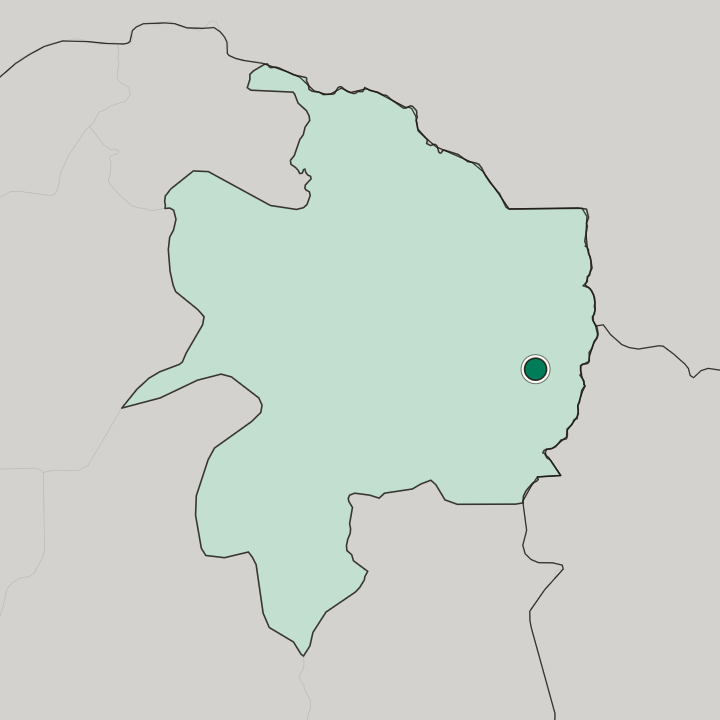
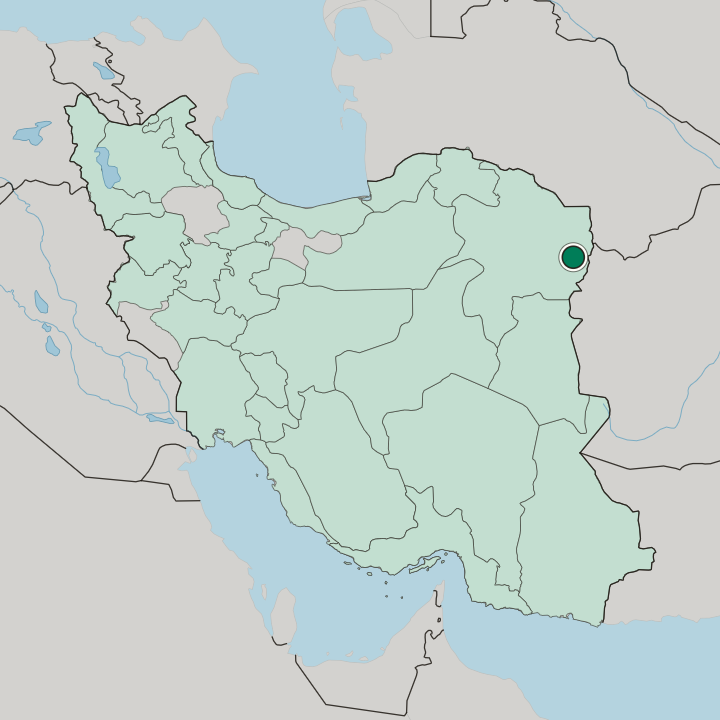
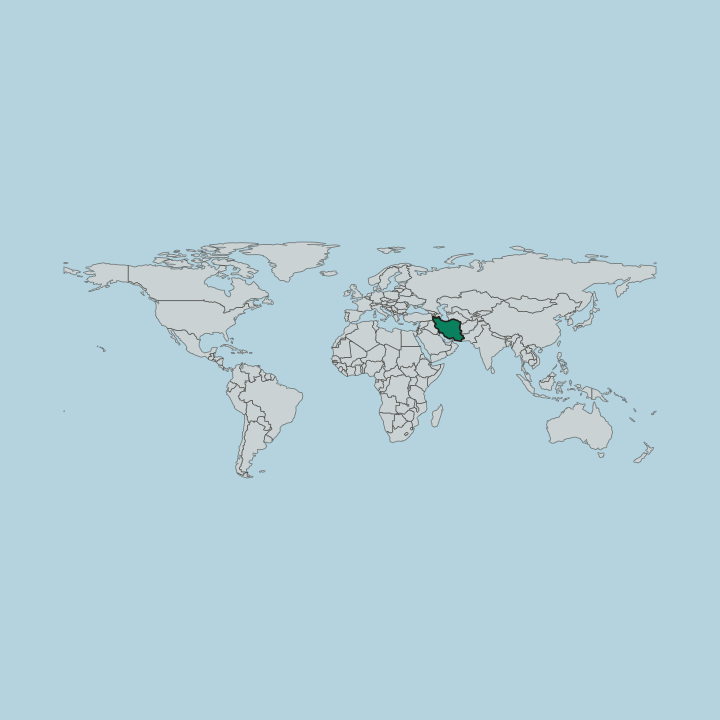
Torbat-e Jām lies in the east of Razavi Khorasan province, south-west of Mashhad and north of Taybad, with the Afghanistan border a short distance to its east. The country is high and dry. Bazd Mountain rises nearby, the county spreads across villages like Bezd and Zurabad towards the frontier, and the city serves as the centre for all of it.
What is the climate of Torbat-e Jām?
Torbat-e Jām has a cold semi-arid climate, which on this high eastern ground means hot dry summers and genuinely cold winters rather than the mild ones of the Iranian south. Rainfall runs thin. What falls has to serve the farming of the whole county, and the irrigation works that carry it, the kariz among them, are old enough to be counted among the region's monuments.
How do you get to Torbat-e Jām?
Almost everyone comes via Mashhad. It lies north-east of Torbat-e Jām and serves as the regional hub of Razavi Khorasan province, so the road down from it carries both the pilgrims heading for the shrine and the freight that supplies the county. Roads run south towards Taybad and east to the Afghanistan border.
That crossing is close. The city is the seat of its county and of the Central District within it.
More cities in Razavi Khorasan Province
Updated October 2026