Iran
Razavi Khorasan Province, Iran — Towns & Travel Guide
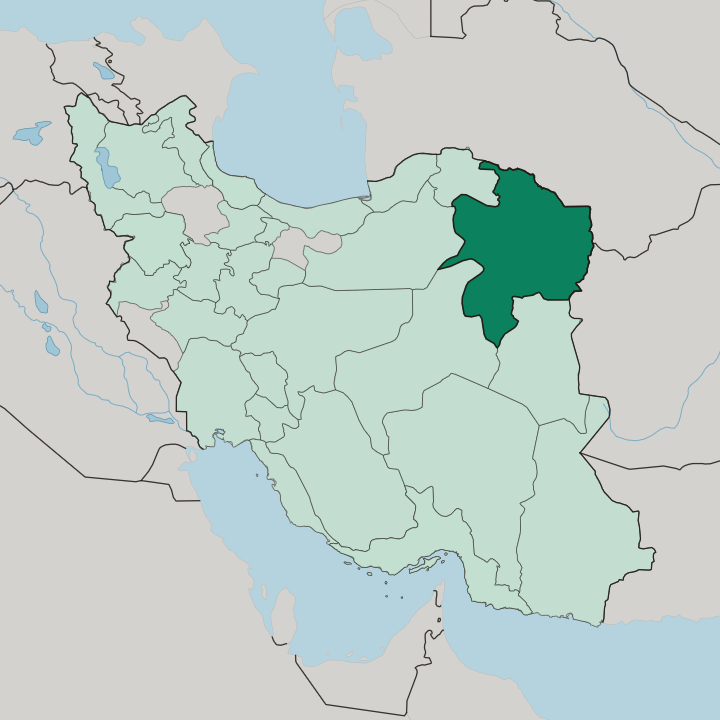
Razavi Khorasan is a province of north-eastern Iran built around Mashhad and the Imam Reza shrine, Shia Islam's holiest pilgrimage site.
Find your area →


Towns & cities in Razavi Khorasan Province
Pick a town or city — each links to where to stay.
 Iran
Iran
Mashhad
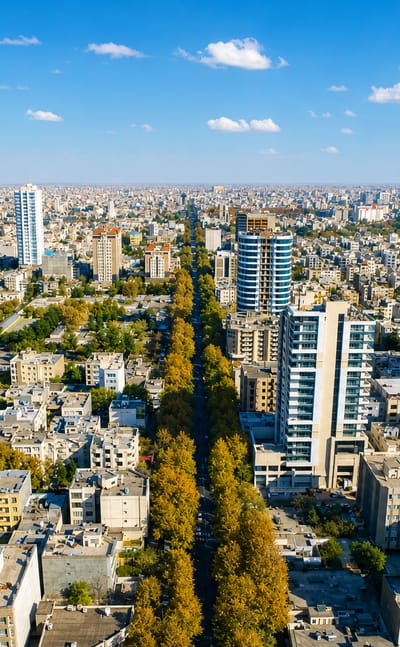
Pilgrims fill the vast courtyards of the Imam Reza Shrine in Mashhad, the holiest city in Iran and capital of Razavi Khorasan Province in the north-east.Where to stay →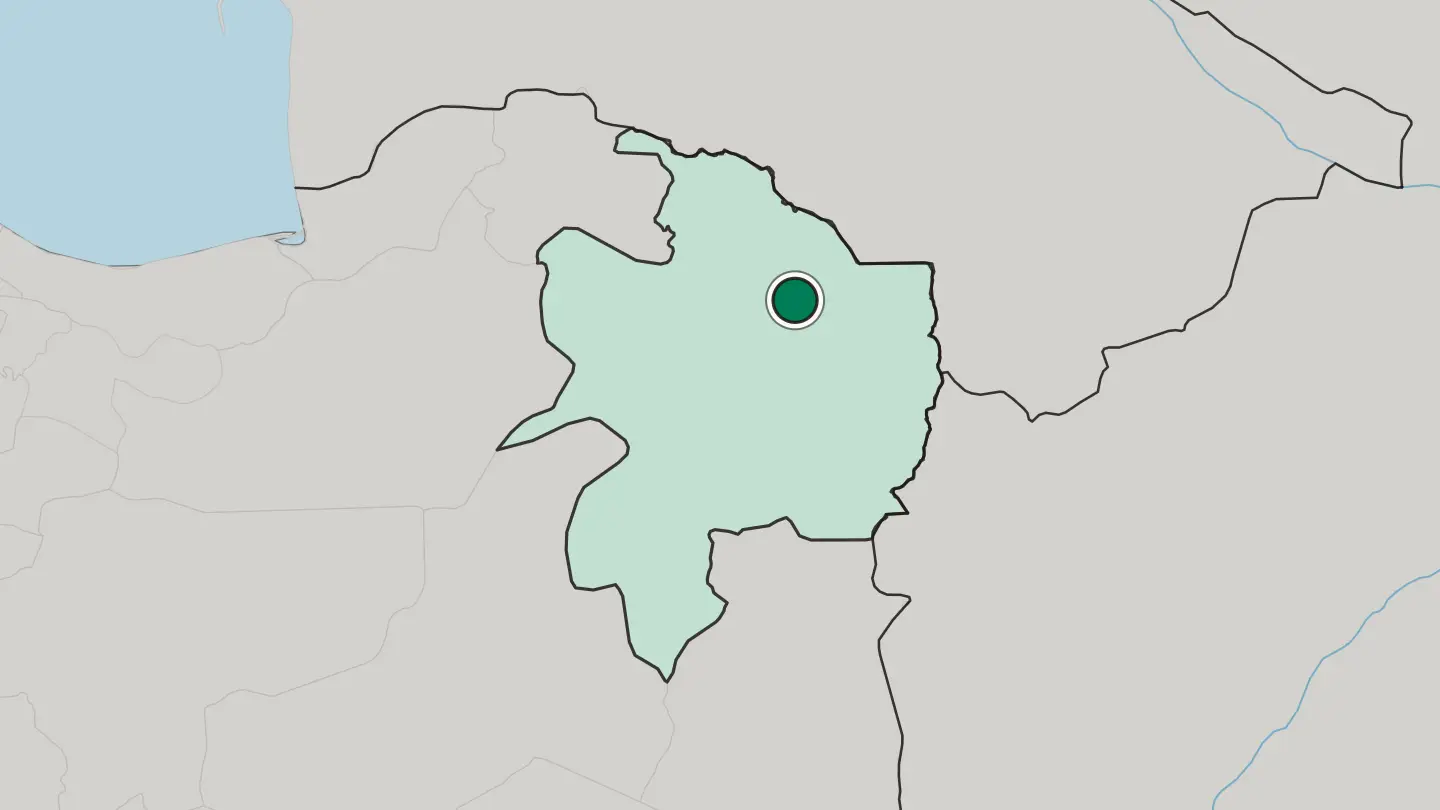
 Iran
Iran
Sabzevar
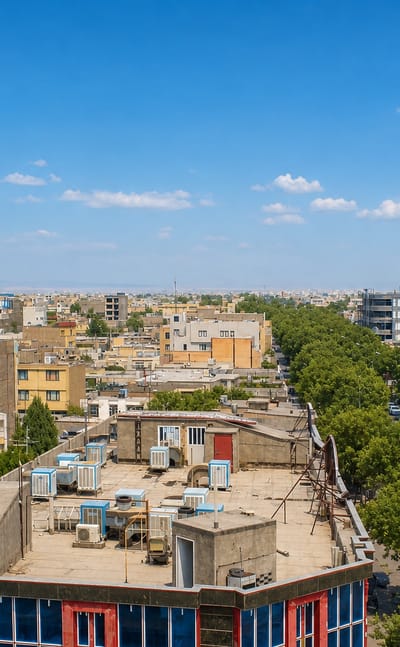
Sabzevar is an old city of northeastern Iran, a town of the Khorasan road, a place of saffron fields and learned men on the edge of the great desert.Where to stay →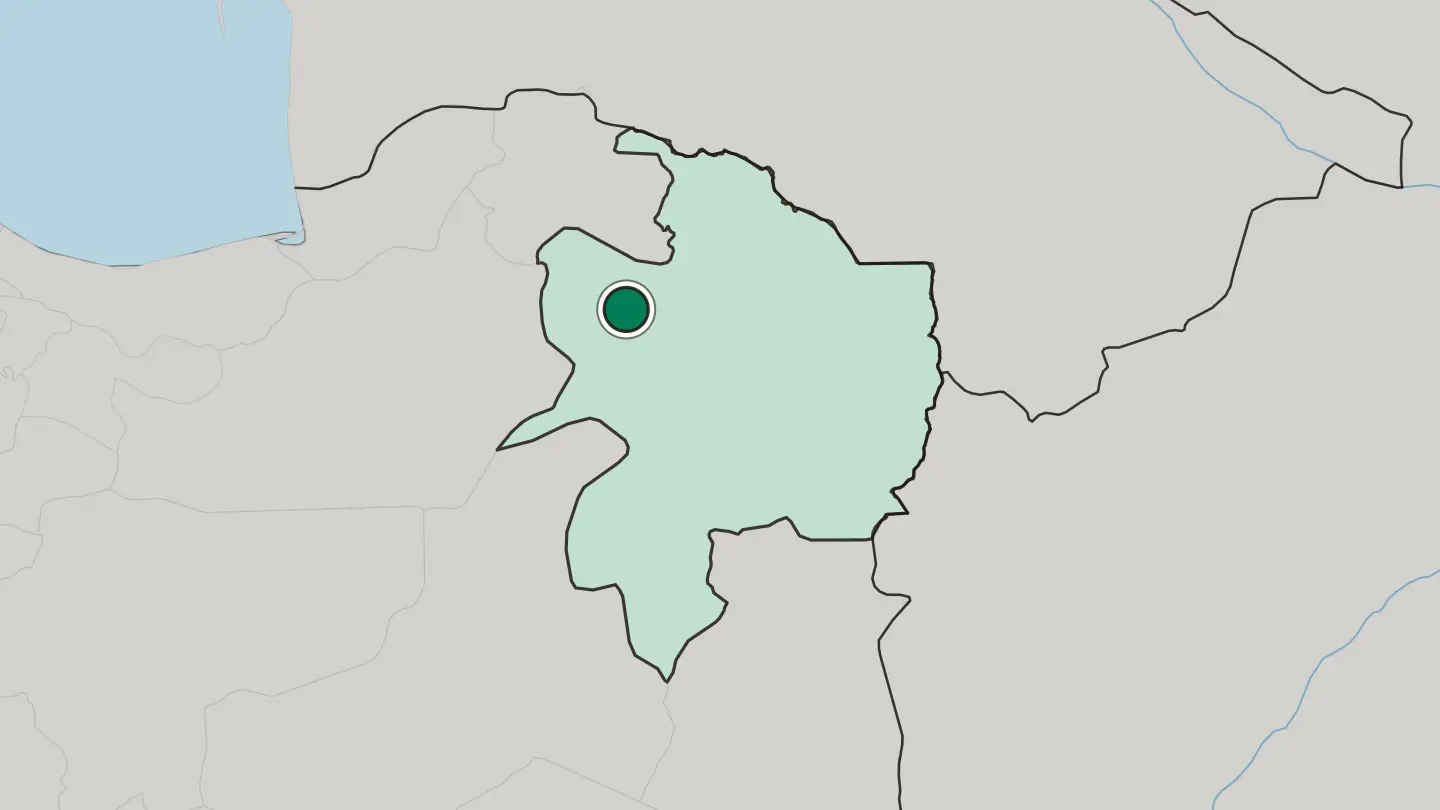
 Iran
Iran
Neyshābūr
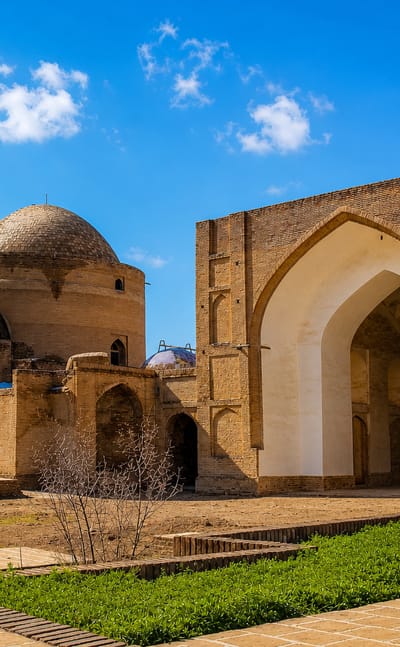
The turquoise dome of the Omar Khayyam Mausoleum rises over Neyshābūr, an old city of the Khorasan plain in Razavi Khorasan Province.Where to stay →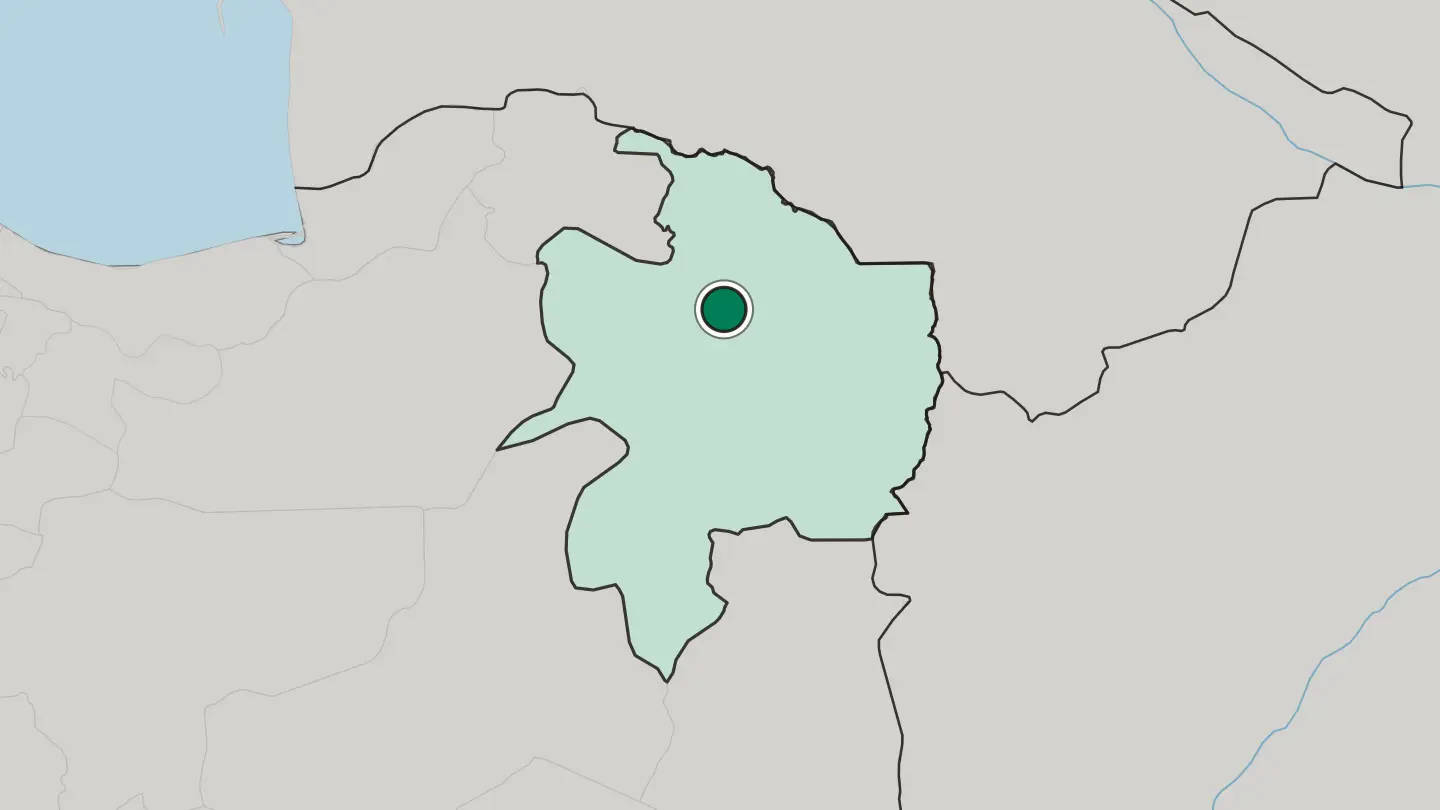
 Iran
Iran
Torbat-e Ḩeydarīyeh
Torbat-e Ḩeydarīyeh, the world's largest saffron producer, keeps the tomb of Qutb ad-Dīn Haydar at its centre, south of Mashhad in Razavi Khorasan.Where to stay →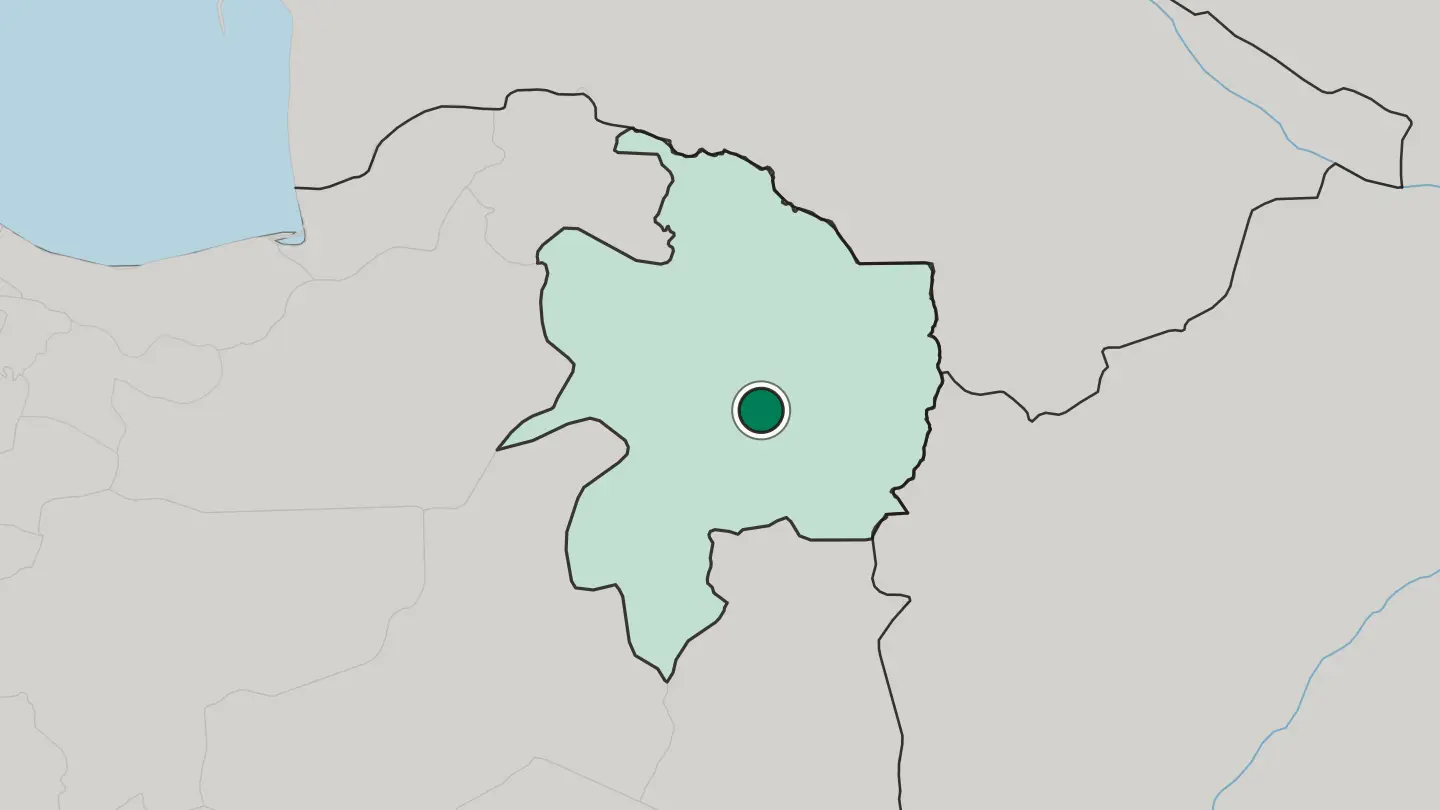 Iran
Iran
Qūchān
Qūchān is the seat of Quchan County in Razavi Khorasan, Iran, a frontier town roughly 97 kilometres from Ashgabat in Turkmenistan.Where to stay →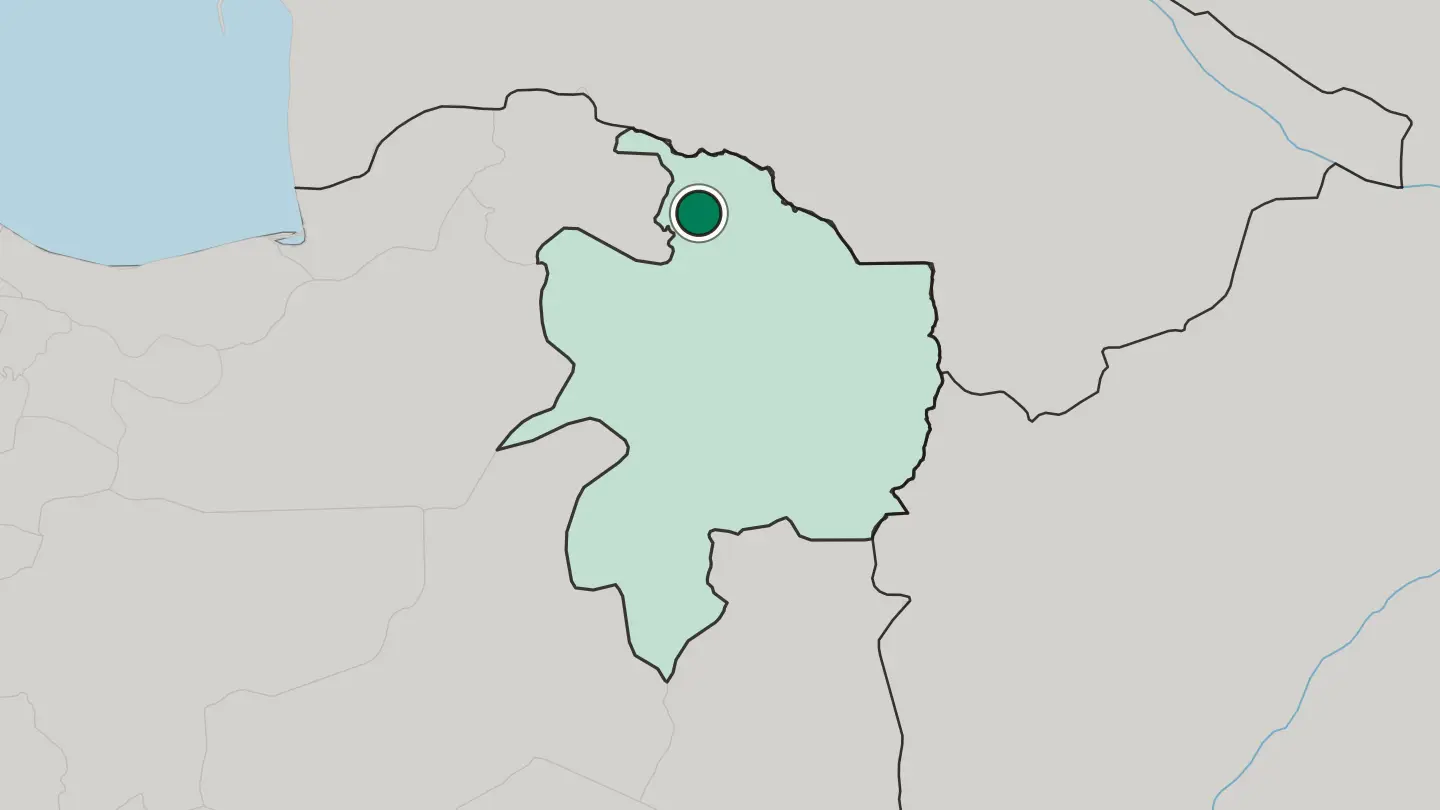 Iran
Iran
Kāshmar
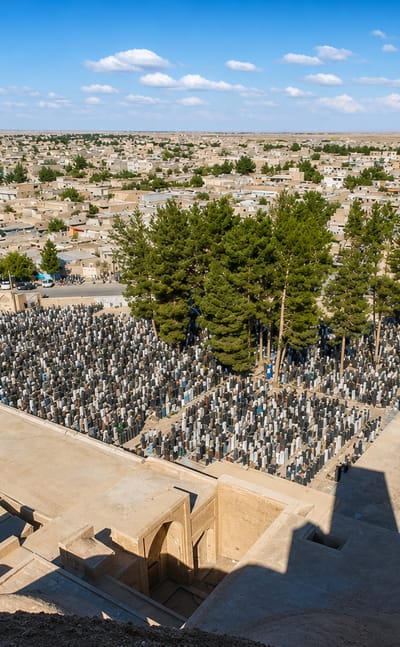
Kāshmar is the seat of Kashmar County in Razavi Khorasan, Iran, a town near the Shesh Taraz known in older records as Torshiz.Where to stay →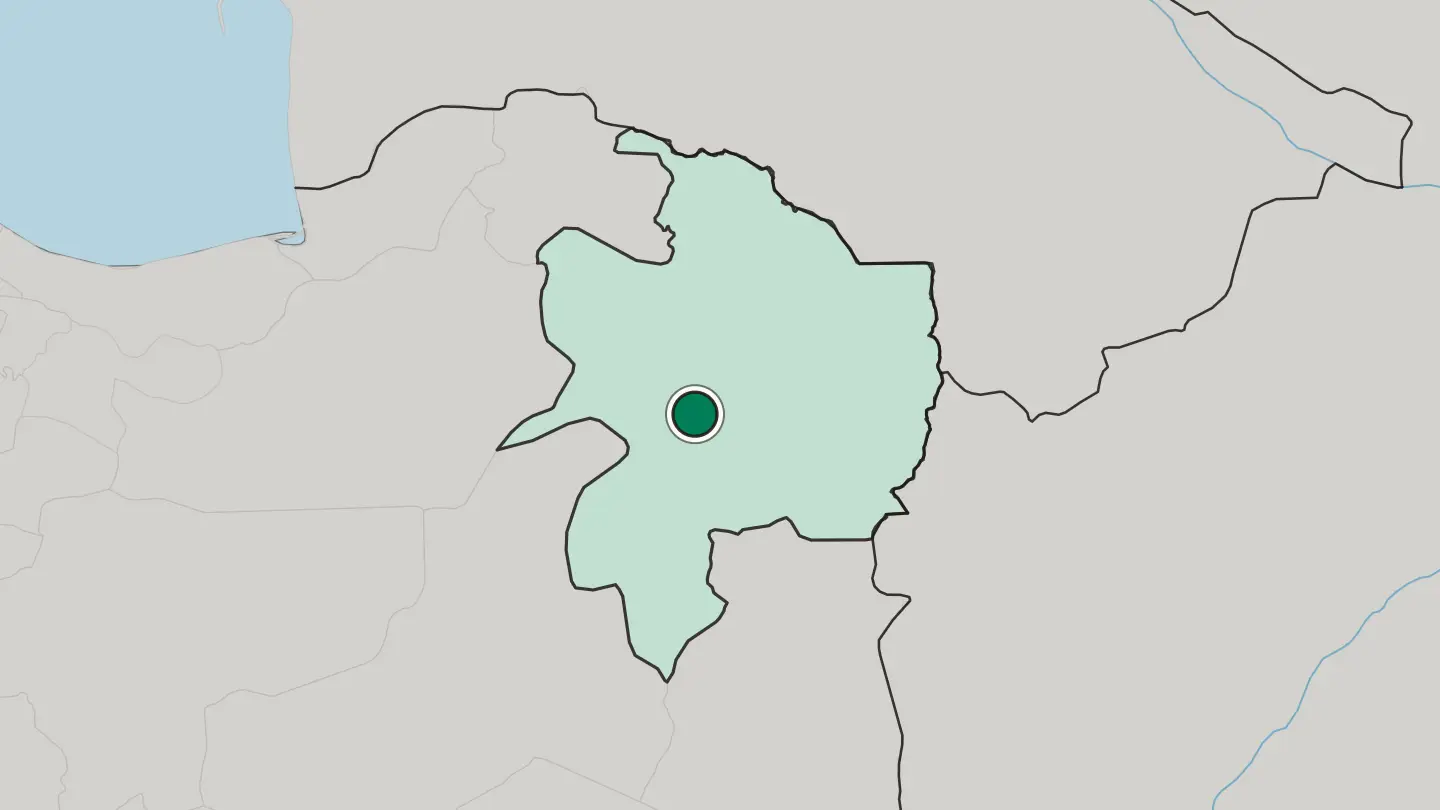
 Iran
Iran
Torbat-e Jām
Torbat-e Jām is a city of Greater Khorasan in Razavi Khorasan province, Iran, built around the shrine of Sheikh Ahmad Jami near the Afghan frontier.Where to stay →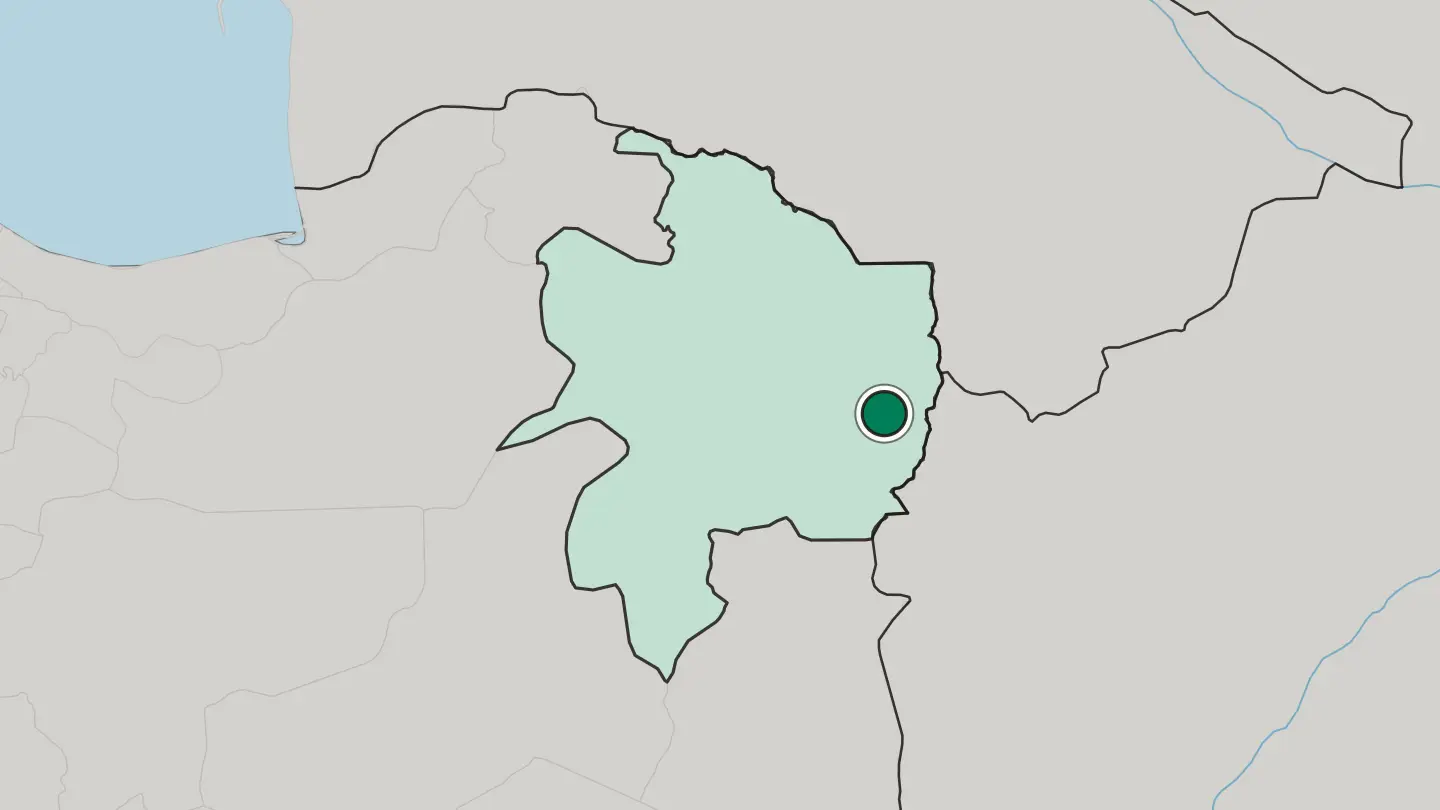
About Razavi Khorasan Province
One city dominates: Mashhad.
What is Razavi Khorasan Province known for?
The city holds the Imam Reza shrine, the burial place of the eighth Shia Imam and the largest mosque in the world by area, and pilgrims arrive by the million. Beyond the shrine, the province is Iran's saffron heartland, the crop that growers call red gold. Neyshabur supplies the turquoise that fills the bazaars and gave the world the poet Omar Khayyám.
At Tus, a marble tomb honours Ferdowsi, who wrote the Shahnameh.
Where is Razavi Khorasan Province?
Razavi Khorasan occupies the far north-east of Iran. It presses against two international frontiers: Turkmenistan across the north and Afghanistan down the eastern flank, while the Iranian provinces of North Khorasan, Semnan and South Khorasan close off the interior. The shape is recent.
The province was cut from the old, sprawling Khorasan in 2004, when that single north-eastern giant was split into three parts and Razavi kept the central slice around Mashhad. For centuries this ground carried the Silk Road's long caravans between Iran and Central Asia. Mountains fold most of the province.
The Binalud range runs diagonally across it, and its highest summit, Mount Binalud, climbs past three thousand metres. Beneath that ridge the Kashaf River threads a long valley, and Mashhad spreads along it at roughly a thousand metres of elevation, beside the road that carries the western towns. North of the valley the Hezar Masjed ridges seal the Turkmen frontier.
Elsewhere the high ground opens onto dry tableland. Saffron fields ring Torbat-e Heydarieh in the south, while the western highway strings Neyshabur and Sabzevar on toward Tehran. Water is the constant limit.
What is Razavi Khorasan Province like?
Faith orders life here more than anywhere else in Iran. Mashhad is the country's holiest city, and the Imam Reza shrine sits at its heart, a vast complex of courtyards, gold domes and prayer halls that pilgrims circle day and night. The word Razavi itself honours that shrine's saint, the eighth Shia Imam.
Devotion sets the rhythm. Streets around the sanctuary fill with pilgrims from across Iran and the wider Shia world, and the trade in prayer beads, saffron and turquoise follows them. The province is also the old homeland of Persian poetry.
At Tus, just north of Mashhad, a marble mausoleum honours Ferdowsi, whose Shahnameh gathered Iran's myths into a single epic. Neyshabur answered with its own poets. Omar Khayyám, mathematician and verse-maker, lies buried there beneath a lattice of tilework, and Attar of Nishapur rests nearby.
The same town cuts the blue-green turquoise that Iran is known for. Kitchens lean on saffron and grilled lamb; the hill town of Shandiz built its name on shishlik kebab. Persian is the everyday language throughout.
Tea, sweets and the pilgrim crowds fill the lanes of the Bazaar-e Reza until late.
What is the history of Razavi Khorasan Province?
The story predates the province by a thousand years. In 818 the eighth Shia Imam, Ali al-Ridha, died at Tus, and the shrine that rose over his grave grew into Mashhad. Nearby Neyshabur was one of the medieval world's great cities, a seat of Seljuk power and learning until Mongol armies levelled it in 1221.
Both places recovered as pilgrimage and trade centres. Razavi Khorasan itself dates only to 2004, when greater Khorasan was split three ways.
What is the climate of Razavi Khorasan Province?
The climate is dry and continental. Summers over the plains and in Mashhad run hot and rainless, while winters turn cold enough for snow to settle on the Binalud slopes. Most of the little rain that falls comes in winter and spring.
The mountains stay cooler than the valleys year-round. Down on the saffron plateau around Torbat-e Heydarieh, the air is thin, sunlit and parched for much of the growing season.
How do you get to Razavi Khorasan Province?
Nearly all arrivals come through Mashhad. Mashhad International Airport is one of Iran's busiest, kept full by pilgrim traffic and linked by direct flights to the Gulf and neighbouring countries. A rail line runs east from Tehran across the plateau to the city.
Roads climb in over the passes. Overland crossings reach Turkmenistan in the north, at Sarakhs and Bajgiran, though far fewer visitors arrive that way than through the airport or the Tehran train.
Common questions
What is the best area to stay in Razavi Khorasan Province?
Mashhad: pilgrimage and a first base. Neyshabur: the poets' tombs and turquoise.
Good for
More regions in Iran
Updated September 2026