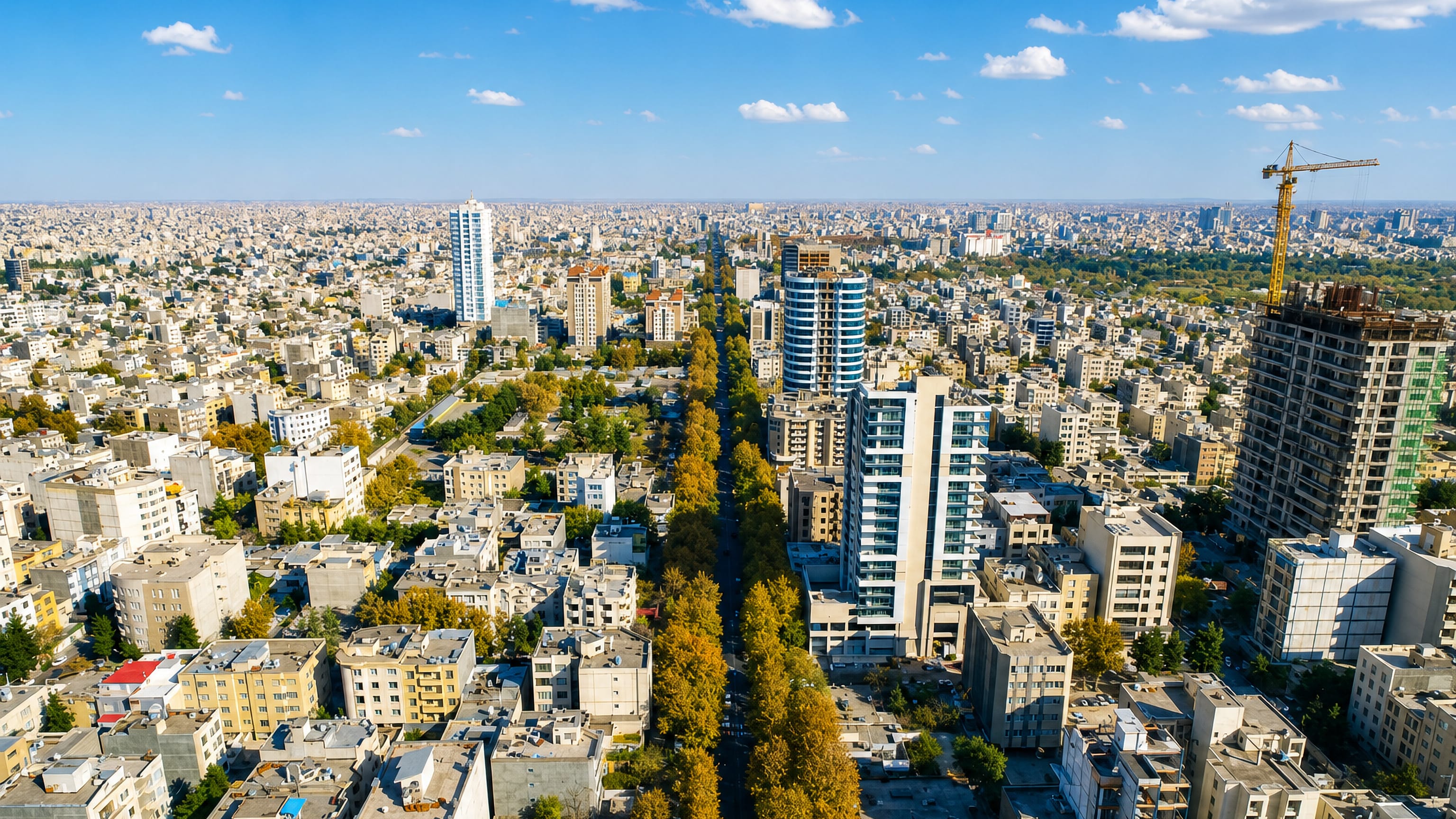
Iran · Razavi Khorasan Province
Where to Stay in Mashhad, Razavi Khorasan Province
Pilgrims fill the vast courtyards of the Imam Reza Shrine in Mashhad, the holiest city in Iran and capital of Razavi Khorasan Province in the north-east.
Find your area →


Where to stay in Mashhad
One neighbourhood here has its own guide — here's what it is best for.

 MashhadIran
Sanābād
Sanabad Street runs corner to corner across Sanābād, a neighbourhood of Mashhad in District 1, known for Takhti Stadium and the metro stop at Saadi Square.Sanābād →Things to do in Mashhad
Ranked by global recognition; descriptions from Wikidata (CC0).
Museums & Galleries
1- Astan Quds Razavi Museum
Churches & Religious Sites
1- Saint Mesrop Church (Mashhad) Heritage
Castles & Historic Sites
8- Imam Reza Shrine Heritage
- Nader Shah Mausoleum Heritage
- Tavakkoli House (Mashhad) Heritage
- Davudi House (Mashhad) Heritage
- خانه امیری Heritage
Show 3 more →
- Tavakkolizadeh House (Mashhad) Heritage
- Salari House (Mashhad) Heritage
- Abbasian Hosseini House Heritage
worth knowingacross 3 categories in Mashhad
About Mashhad
What is Mashhad known for?
Mashhad is known above all as the holiest city in Iran, built around the Imam Reza Shrine that draws pilgrims from across the Shi'ite world. The shrine complex shapes almost everything here, from the street plan to the city's name. Faith is its calling.
Beyond the sanctuary, the Nader Shah Mausoleum honours the eighteenth-century ruler, and the Astan Quds Razavi Museum holds the treasures gathered by the shrine over generations. Razavi Khorasan Province surrounds it, deep in the old land of Khorasan.
What are the main landmarks in Mashhad?
The main landmarks in Mashhad centre on the Imam Reza Shrine, whose golden dome, courtyards, and iwans form the largest sacred complex in the country. Within its grounds the Astan Quds Razavi Museum displays carpets, manuscripts, and gifts amassed over centuries. Faith dominates the map.
A short way west lies the Nader Shah Mausoleum, the tomb and equestrian monument to the eighteenth-century ruler set in its own garden. Domestic heritage endures in restored courtyard homes such as the Tavakkoli House and the Bani Hashemi House, and the Armenian Saint Mesrop Church marks the small Christian presence in Razavi Khorasan Province.
What is the history of Mashhad?
Mashhad grew from a burial place into a great city of pilgrimage. Its origin is dated to the year 818, when the eighth Shi'ite Imam was laid to rest at a village on the road through Khorasan, and the settlement that rose around the tomb took a name meaning the place of martyrdom. The grave drew the faithful from the start.
Over the centuries the Imam Reza Shrine expanded from a single mausoleum into a walled precinct of courtyards, schools, and libraries, and the pilgrim traffic reshaped the whole of the surrounding town in the north-east of the country. Dynasty after dynasty added to the sanctuary. In the eighteenth century Nader Shah made the region a seat of power and was later entombed in the city, the monument that became the Nader Shah Mausoleum.
The shrine's endowment, administered by the Astan Quds Razavi, accumulated the carpets, manuscripts, and gifts now held in its museums. A settled Armenian community raised its own church here. The Saint Mesrop Church still stands among the mosques of the growing city, a small witness to the mix of faiths that trade and pilgrimage brought to Khorasan over the long centuries.
Merchant families built the courtyard houses whose survivors, among them the Tavakkoli House, preserve the domestic architecture of the old quarters. Through every change the sanctuary held its place at the centre, and the identity of Mashhad as the holiest city in Iran was fixed by that unbroken devotion to the shrine of the Imam.
Where is Mashhad?
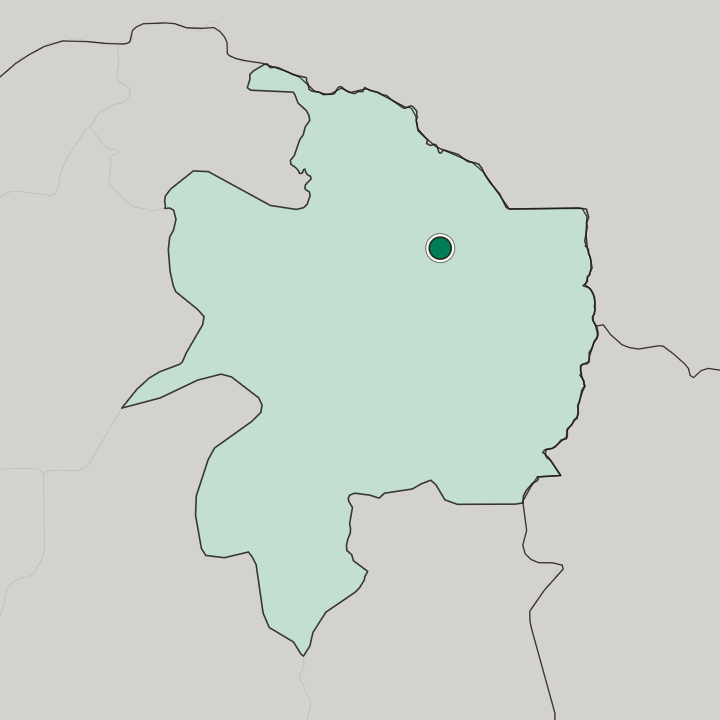
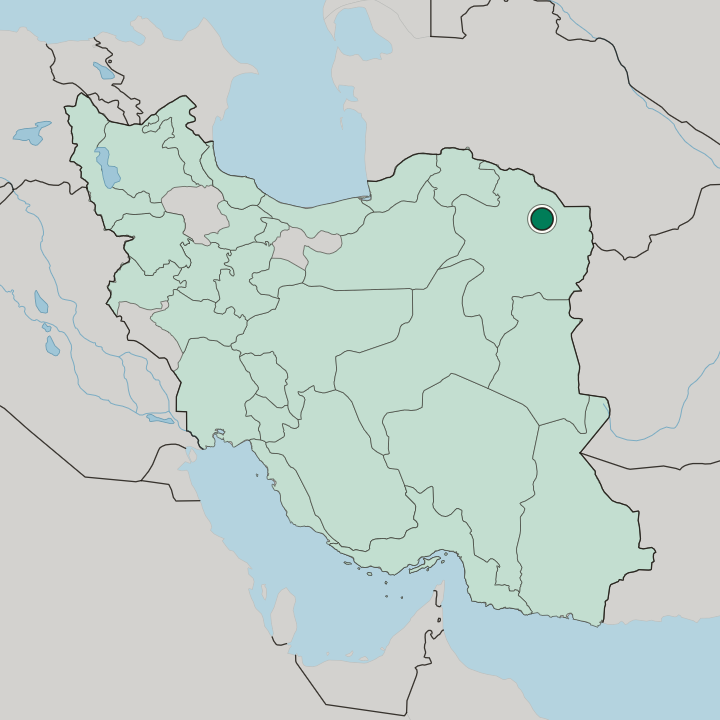
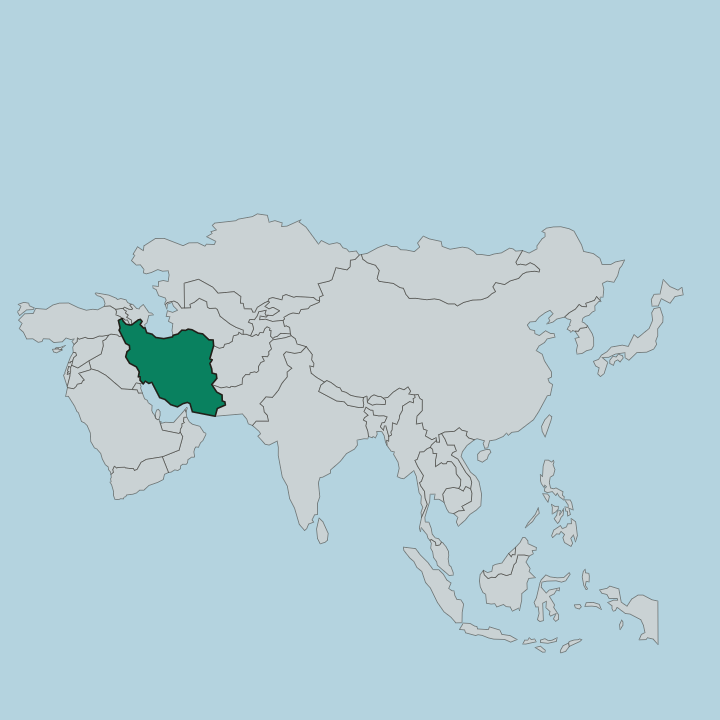
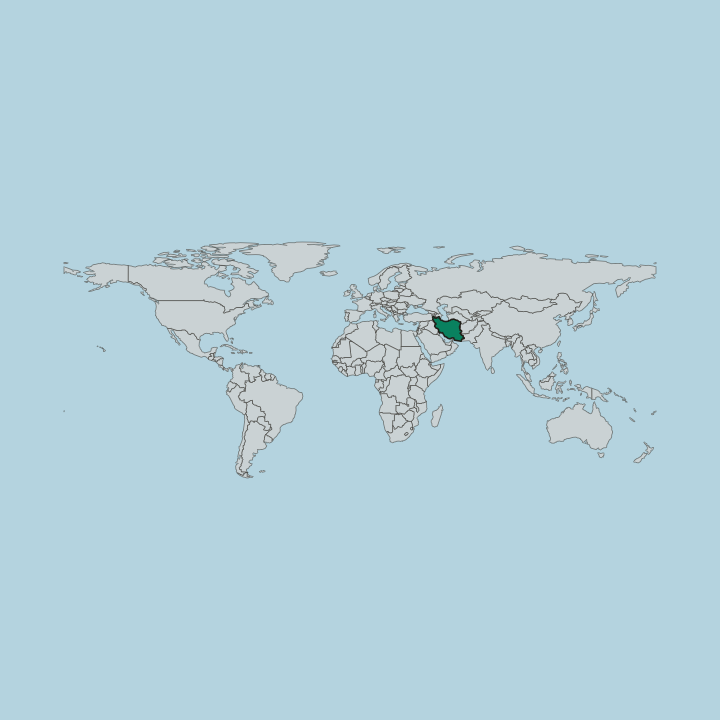
Mashhad lies in the north-east of the country, the capital of Razavi Khorasan Province and Iran's second city by size. It spreads across a broad valley between mountain ranges, well inland and far east of Tehran near the borderlands of Khorasan. High ridges enclose it.
The city stands at a considerable elevation, and the surrounding uplands feed the streams that watered the old settlement around the Imam Reza Shrine long before it grew into a metropolis.
What is the climate of Mashhad?
Mashhad keeps year-round cool temperatures set by its high valley in the north-east of the country. Winters run cold across Razavi Khorasan Province, with snow settling on the enclosing ranges, while summers stay warm and dry rather than fierce. Spring is short and green.
The elevation and the mountain surroundings soften the heat, so the pilgrim seasons around the Imam Reza Shrine draw their largest crowds in the milder months of spring and autumn.
How do you get to Mashhad?
Mashhad is one of Iran's busiest arrival points, served by air, rail, and road for the pilgrims who converge on Razavi Khorasan Province. Its international airport ranks among the country's largest, with flights from Tehran, the provinces, and abroad, while the railway and the long-distance coach terminals link it across the wider region. Trains run east from the capital.
From the airport and the stations, taxis and the city metro carry visitors toward the Imam Reza Shrine, around which most hotels and the main bazaars are gathered.
Good for
More cities in Razavi Khorasan Province
Updated September 2026