Iran · Tehran Province
Where to Stay in Shahrīār, Tehran Province
Shahrīār heads its county. The seat of Shahriar County in Tehran province keeps Deh Shad Castle and the mound of Tepe Juqin within its own ground.
Find your area →


Where to stay in Shahrīār
The practical side of choosing where to sleep.
Beds here answer to county business rather than to sightseeing. The seat of the Central District sits at the middle of everything the town does, and a room near it puts the county offices, the shops that serve them and the road out within the same short walk. For most stays, that settles it.
Deh Shad Castle and Baba Mahmud Tower are the two standing monuments the record credits to Shahrīār, and either one is reason enough to keep a base in the built-up core rather than out at the edge of Shahriar County. The mounds are not a base. Tepe Juqin and Tepe Balkin are archaeological ground without frontage of any kind, visited from the town in an afternoon and left again the same day, which is how the record frames them.
You would take a room for business with Shahriar County, for the two towers, or for a stop on a working route across Tehran province in Iran. Choice is thin either way. Whatever brings a visitor to Shahrīār, the answer to where to sleep is the same built-up core around the Central District offices, since nothing in the record puts accommodation anywhere else in the county.
About Shahrīār
Four sites carry the record here.
What is Shahrīār known for?
Deh Shad Castle and Baba Mahmud Tower stand for the built past of Shahrīār, while Tepe Juqin and Tepe Balkin are mounds, the kind of raised ground that holds occupation layers rather than standing walls. County business fills out the rest. As capital of both Shahriar County and its Central District, the town handles the paperwork of a wide slice of Tehran province, and that double role explains more of what a visitor meets on its streets than any monument does.
What are the main landmarks in Shahrīār?
Deh Shad Castle is the headline. Baba Mahmud Tower stands as the other piece of standing architecture the record gives Shahrīār, and between them they cover what is left above ground from the town's older centuries. Two mounds complete the list.
Tepe Juqin and Tepe Balkin are raised sites rather than buildings, the sort of ground that reads as a low hill until someone explains that the hill is made of settlement.
What is the history of Shahrīār?
The record gives 1367 as the founding year and very little around it. What sits on the ground says more than the paperwork: Tepe Juqin and Tepe Balkin are mounds, and mounds of that kind build up where people settle, leave and settle again on the same spot across long stretches. Neither is dated here.
Deh Shad Castle and Baba Mahmud Tower are the standing counterparts, a fortification and a tower that the record names without placing in any century, which leaves them as evidence of continuity rather than as fixed points in a chronology. Administration is the documented part. Shahrīār serves as capital of Shahriar County and of that county's Central District at once, a double role that gathers the offices and services of a wide district into one town instead of spreading them across Tehran province.
Names shift in the sources. The town appears as Shahriar in Iran's own English-language record and as Shahrīār where the diacritics are kept, and the two forms cover a single place with a single administrative job. That job is the thread.
A town that runs a county pulls in traffic from every settlement beneath it, and the effect of that on Shahrīār's streets is easier to read than anything left by the castle, the tower or the two mounds.
Where is Shahrīār?
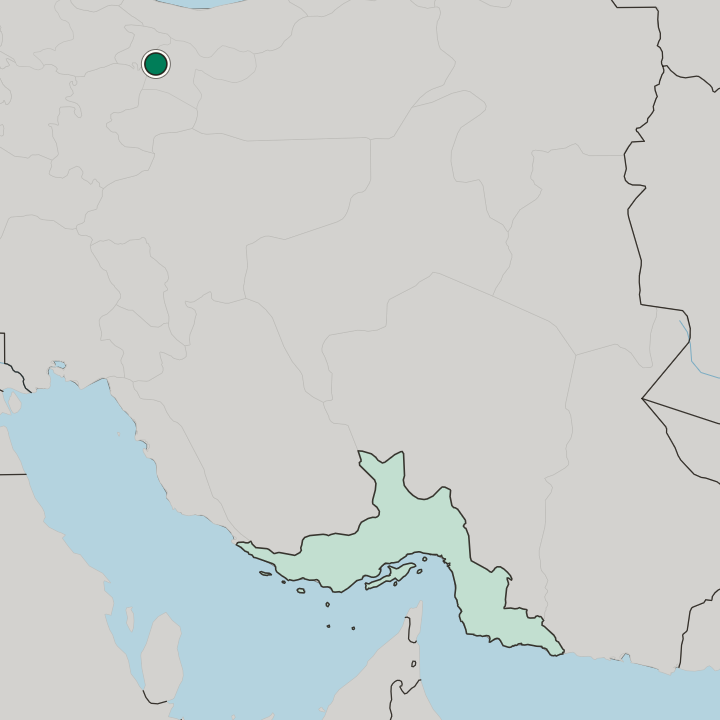
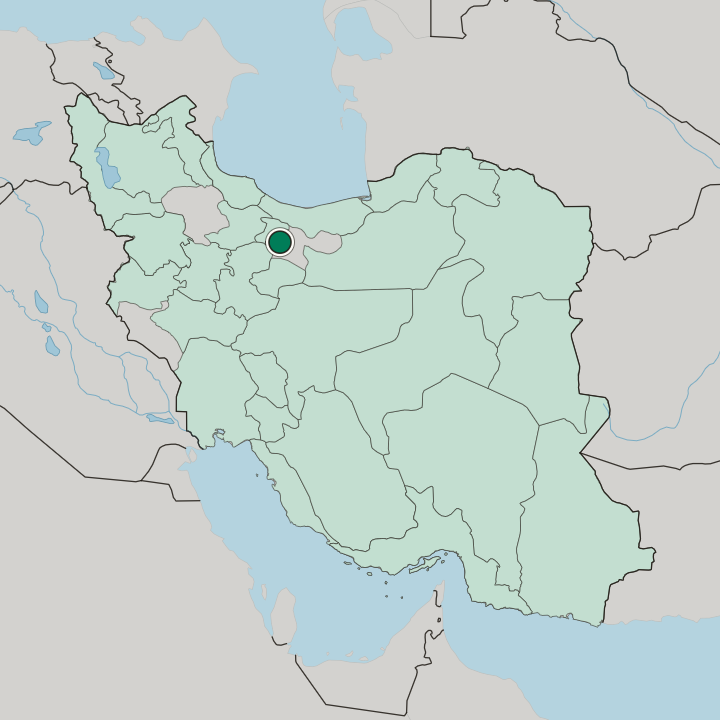
Tehran province supplies the frame. Shahrīār sits inside it in the temperate band north of the equator, and the record attaches no river, no ridge and no coastline to the town, which leaves administration rather than terrain as the thing that fixes its position. The mounds are the exception.
Tepe Juqin and Tepe Balkin stand above the surrounding ground because they are made of it, layer on layer, and they are the only raised features the record puts inside Shahriar County.
What is the climate of Shahrīār?
The temperate band sets the year here. Shahrīār shares the seasonal swing of the wider Tehran province, with the gap between the coldest and warmest parts of the year doing more to shape a visit than anything local to the town itself. A coast would soften that, and there is none.
Nothing in the record puts a lake, a coast or a mountain wall near Shahriar County, so the pattern is the province's own, and the walking season for Deh Shad Castle and the mounds runs on the province's terms.
How do you get to Shahrīār?
Every arrival here comes overland. The record names no airport, no railway station and no bus terminal for Shahrīār, which leaves the highways of Tehran province as the only documented way in and out of the county seat. Administration does the pulling.
Because the town is capital of both Shahriar County and its Central District, the business that brings most arrivals ends at the same offices, and Deh Shad Castle stands within the same short reach of them.
Good for
More cities in Tehran Province
Updated October 2026