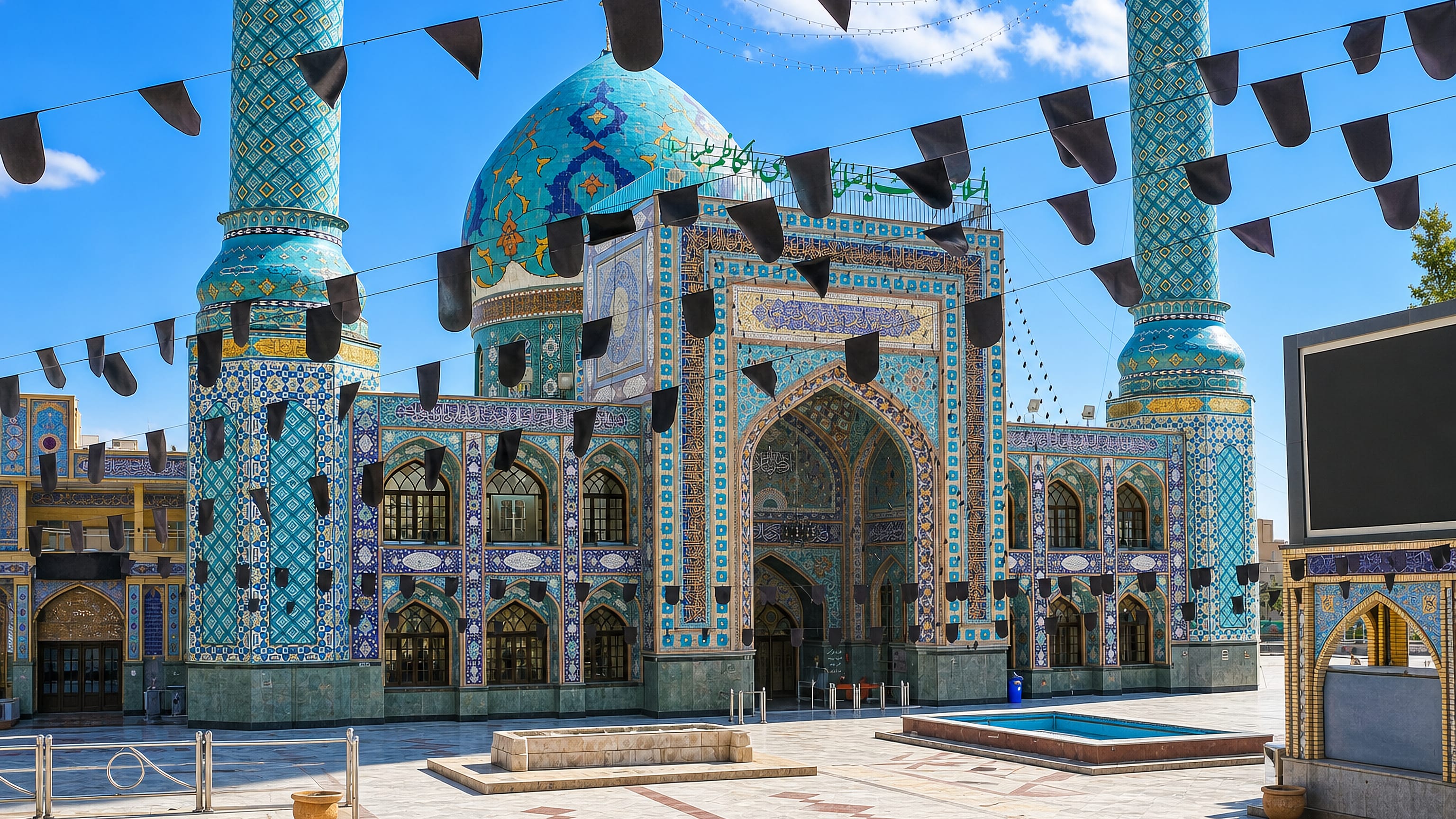
Iran · Tehran Province
Where to Stay in Tajrīsh, Tehran Province
Tajrīsh was a village once. Absorbed into Tehran, the quarter holds Sa'dabad Palace, the Niavaran Complex and the seat of Shemiranat County.
Find your area →


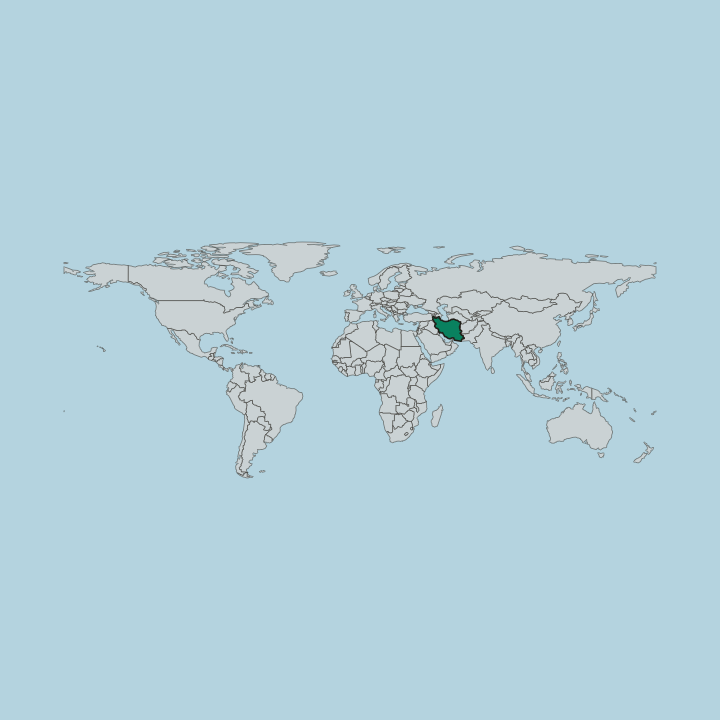
Where to stay in Tajrīsh
Where the beds are, and what that means for the visit.
A stay in Tajrīsh is a stay in Tehran with a different texture. The quarter was a village before the capital reached it, and the museums, the garden compounds and the county offices of Shemiranat County all sit within a compact stretch that a visitor can work through on foot over two or three days. Rooms follow the palaces.
Sa'dabad Palace anchors one end of that stretch and the Niavaran Complex the other, so the choice is really about which compound a morning should start from. The Iranian Art Museum Garden and the Iran Music Museum sit between the two ends, which makes the middle of the quarter the safe pick for anyone unwilling to commit to either palace. Jamaran holds the third option.
The Khomeini House stands there as a house museum, and a base on that side keeps Imamzadeh Qasem and the smaller collections, the Simin and Jalal House, the Nima Yushij House and the Ashiyaneh Heydar House, within an easy walk. Families lean elsewhere. Shahr-e Bazi and the Mellat Park Zoo pull a different kind of visitor than the Iran Cinema Museum does, and a room chosen for one is a long way from being the right room for the other.
You would stay here for the museums above all.
Things to do in Tajrīsh
Ranked by global recognition; descriptions from Wikidata (CC0).
Museums & Galleries
3- Niavaran Complex Heritage
- Iranian Art Museum Garden
- Hayk Mirzayans Insect Museum
Churches & Religious Sites
1- German Speaking Protestant Congregation in Iran
Castles & Historic Sites
5- Khomeini House (Jamaran) Heritage
- Imamzadeh Qasem (Tehran) Heritage
- Nima Yushij House (Tehran) Heritage
- Iran Music Museum Heritage
- Simin and Jalal House Heritage
Stadiums & Sports
1- Enghelab Sport Complex
Parks & Gardens
1- Shahr-e Bazi
Landmarks & Notable Places
3- Sa'dabad Palace Heritage
- خانه شیخ خزعل Heritage
- خانه کیانیان Heritage
worth knowingacross 6 categories in Tajrīsh
About Tajrīsh
Museums, one after another.
What is Tajrīsh known for?
Tajrīsh carries an unusual concentration of them for a single district, with the Iran Cinema Museum, the Iran Music Museum, the Mahmoud Hessabi Museum and the Hayk Mirzayans Insect Museum all within reach of one another. Then there are the palaces. Sa'dabad Palace and the Niavaran Complex are the two compounds here, and the private library of the Niavaran Palace is recorded separately inside the second of them.
What are the main landmarks in Tajrīsh?
The list runs long for a quarter this size. Sa'dabad Palace and the Niavaran Complex head it, the Iran Cinema Museum, the Iran Music Museum and the Hayk Mirzayans Insect Museum fill the middle, and the Mahmoud Hessabi Museum and the Nima Yushij House keep two names attached to the buildings they occupy. Imamzadeh Qasem is older.
Shahr-e Bazi and the Mellat Park Zoo cover the far end of the range, and the Enghelab Sport Complex sits with them among the things built for use rather than for display.
What is the history of Tajrīsh?
Tajrīsh has no date of foundation on file. The one clear line in the record is a change of status: Tajrīsh was a village, then it was taken into the city of Tehran, and it serves as capital of Shemiranat County while standing inside the capital's built-up area. Both hold at once.
That is why the quarter reads as two things stacked on each other, a settlement with its own name and an administrative seat inside a far larger place. What remains is architecture. Sa'dabad Palace and the Niavaran Complex are compounds rather than single structures, and the private library of the Niavaran Palace is listed on its own, which is the sort of detail that survives only where a place has been documented closely.
Houses were kept too. The Nima Yushij House, the Simin and Jalal House, the Ashiyaneh Heydar House and the Khomeini House at Jamaran all stand as named residences, and the German Speaking Protestant Congregation in Iran is recorded here as well. Imamzadeh Qasem anchors the older layer.
Nothing in the record dates it, and the name sits among the collections as the one entry that is neither a museum, a palace nor a park.
Where is Tajrīsh?
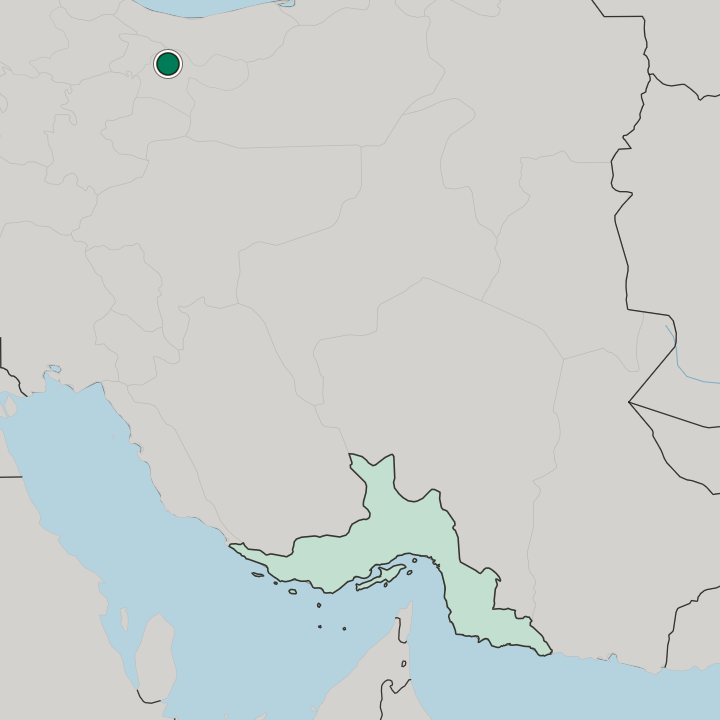
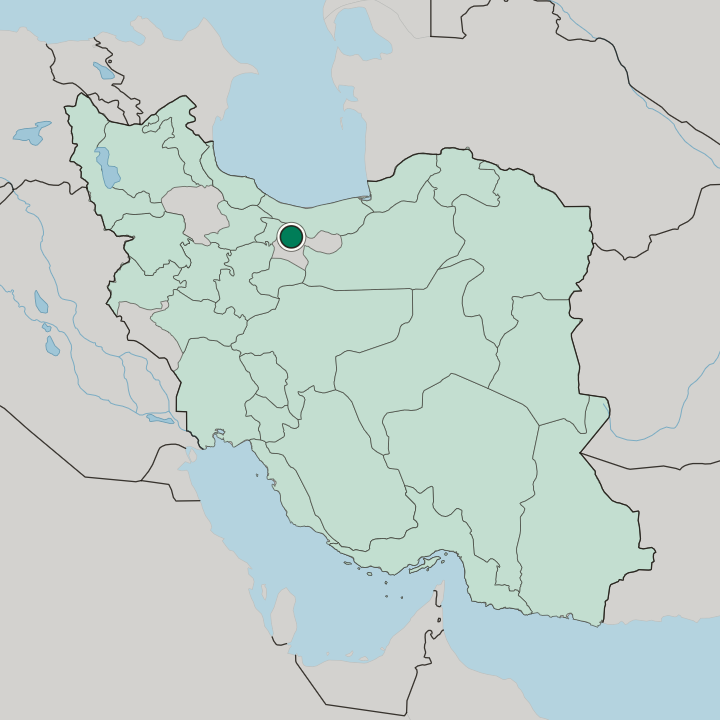
Tehran surrounds it. Tajrīsh has no edge a visitor would notice, since the city grew up to and then around the old village, and only Shemiranat County's boundary marks the quarter as administratively distinct. The compounds do the shaping.
Sa'dabad Palace and the Niavaran Complex take up more ground than any block of streets near them, and their grounds do more to fix the map of Tajrīsh than any natural feature the record names.
What is the climate of Tajrīsh?
Tehran's year is the quarter's year. Tajrīsh sits in the temperate band north of the equator and takes the capital's seasons unchanged, which matters mainly for the walking that the museums and the palace grounds demand of anyone working through them. Gardens set the calendar.
The Iranian Art Museum Garden and the grounds at Sa'dabad Palace are outdoor propositions, so the months that suit them are the months worth planning around, and the indoor collections cover everything else.
How do you get to Tajrīsh?
Tehran is the arrival point, not Tajrīsh. Nothing in the record gives the quarter a station, a terminal or an airport of its own, which is what absorption into a capital does to a place's transport listings. The last stage is local.
Whatever route brings a visitor into the city, the approach to Sa'dabad Palace, the Niavaran Complex and the offices of Shemiranat County is made from inside Tehran.
Good for
More cities in Tehran Province
Updated October 2026