Iceland · Norðurland Eystra
Where to Stay in Akureyri, Norðurland Eystra
Akureyri is the main town of northern Iceland, set at the head of the long Eyjafjörður fjord.
Hotel links are affiliate links: booking through them may earn us a commission, at no extra cost to you. It never affects how places are ranked. How this works


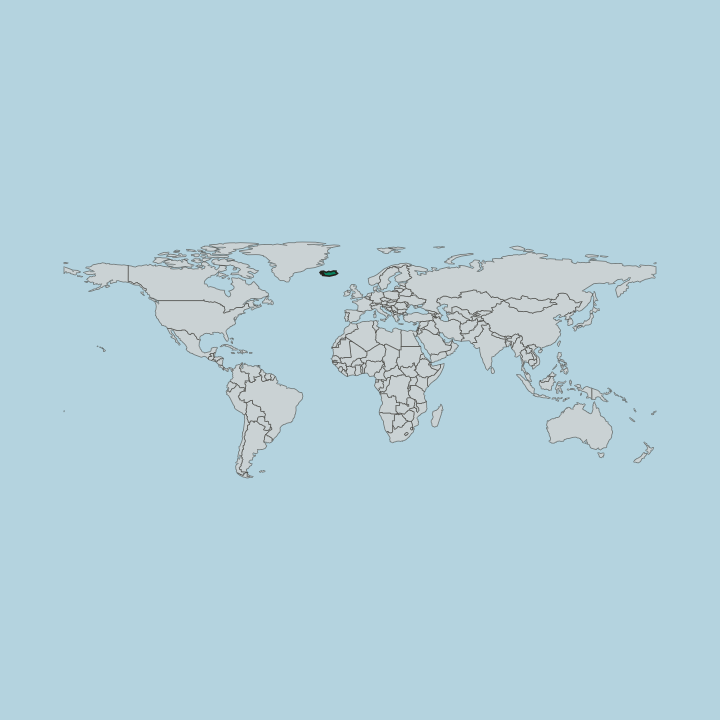
Where to stay in Akureyri
The practical side of choosing where to sleep.
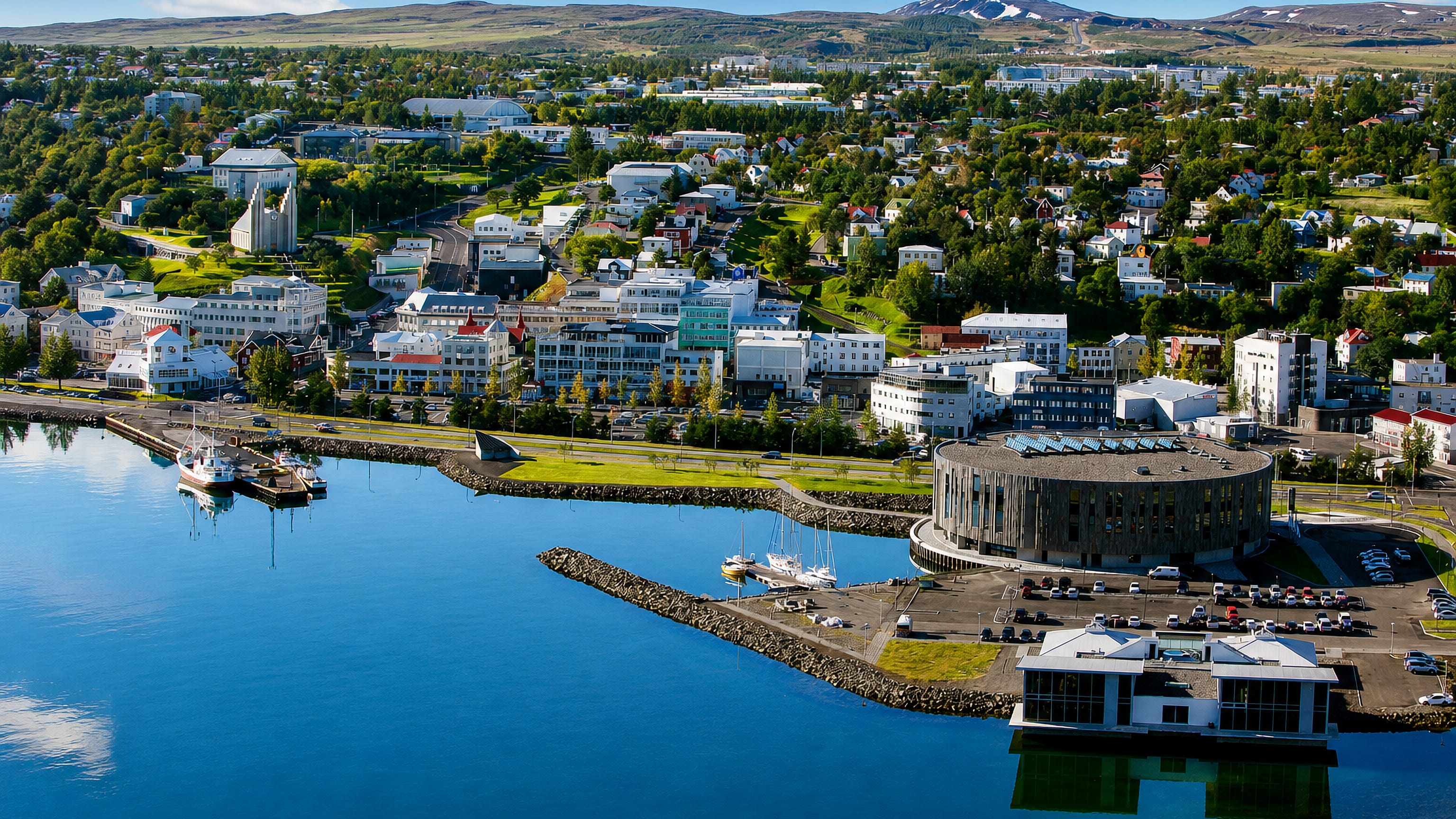
Rooms sit close to the water. Most of Akureyri's beds gather in the compact centre below Akureyrarkirkja, a short walk from the harbour, the galleries and the few streets where the town's life is packed in, and the rest spread north across the river toward the newer quarters and the open fjord beyond. Pick by what you want at the door.
The church-side core puts you among the museums and the cafes, the harbour edge faces the boats and the cruise quay on Eyjafjörður, and the northern districts trade the bustle for quiet and quick reach to the Glerárkirkja side and the road out of town. Choose the centre to walk everywhere, or the fjord-mouth islands of Hrísey and Grímsey for a slower northern base reached by boat from the same shore.
Find hotels in Akureyri
Direct booking searches for these neighbourhoods.
Church-side centre
the compact core stepping up to Akureyrarkirkja, packing the town's shops and galleries inFind hotels in Church-side centretravellers facing the boats and the cruise quayHarbour edge
the working waterfront where the cruise quay and fishing piers meet the inner Eyjafjörður. Few places to stay nearby — book ahead.Find hotels in Harbour edgea quiet base with a fast road out of townNorthern districts across the river
the newer quarters around Glerárkirkja, trading the centre's crowd for calm and quick exits. Few places to stay nearby — book ahead.Find hotels in Northern districts across the rivera slow island stay reached by boatHrísey and Grímsey
the fjord-mouth islands of Hrísey and Grímsey, a slower northern outpost off Akureyri's shore. Few places to stay nearby — book ahead.Find hotels in Hrísey and GrímseyHotel links are affiliate links: booking through them may earn us a commission, at no extra cost to you. It never affects how places are ranked. How this works
Things to do in Akureyri
Ranked by global recognition; descriptions from Wikidata (CC0).
Museums & Galleries
3- Akureyri Art Museum
- Akureyri Museum
- Davíðshús
Churches & Religious Sites
3- Akureyrarkirkja
- Glerárkirkja
- Péturskirkju
Stadiums & Sports
1- Akureyrarvöllur
worth knowingacross 3 categories in Akureyri
About Akureyri
The north answers to it.
What is Akureyri known for?
Akureyri stands as the unofficial capital of the region, the largest town in Iceland outside the southwest, and a working harbour at the inner end of Eyjafjörður where the mountains close in around the water. Its skyline has one anchor. Akureyrarkirkja rises in steps above the centre, and below it the town gathers galleries, schools and the trade that keeps the whole north of the country supplied and connected.
What are the main landmarks in Akureyri?
One church marks the town. Akureyrarkirkja climbs the slope above the centre in two stepped towers and sets the whole skyline, while Glerárkirkja serves the northern districts and Péturskirkju holds the Catholic congregation nearby. The arts have their own corners.
Listasafnið á Akureyri shows the region's work, Minjasafnið á Akureyri keeps its past, the writer's home of Davíðshús stands among the old streets, and Akureyrarvöllur draws the crowds for football on match days.
What is the history of Akureyri?
Commerce built Akureyri. Akureyri was established in 1786, and the sheltered inner reach of Eyjafjörður gave it the safe anchorage that the open northern coast of Iceland mostly lacked. The fjord did the rest.
Goods came in by sea and farm produce came down from the surrounding valleys, and the cluster of warehouses at the head of the water slowly grew into the trading hub for the whole north of the country. The town climbed the slope from there. Akureyrarkirkja was raised above the centre in the twentieth century to crown the growing place, the schools and museums followed, and the harbour kept its role as the link between the north and the wider world.
The islands stayed in its orbit. Hrísey and Grímsey out toward the mouth of Eyjafjörður remained tied to Akureyri, leaving the town the steady anchor of Norðurland Eystra and the unofficial capital of the north.
Where is Akureyri?
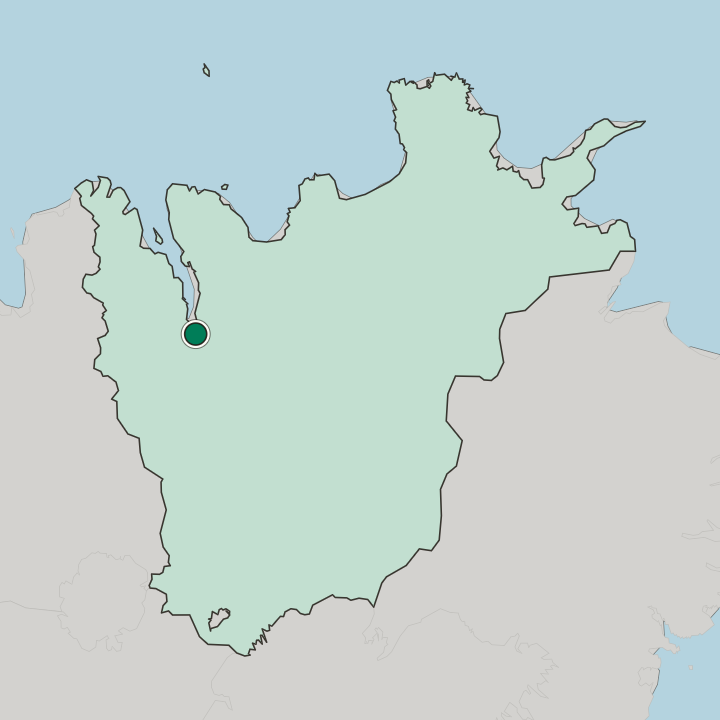
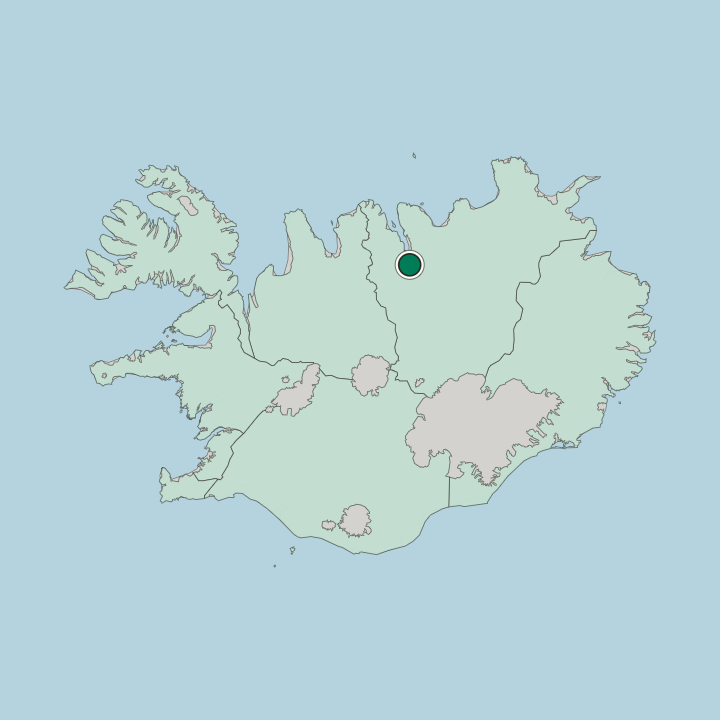
Mountains pen the town in. Akureyri sits at the head of Eyjafjörður, the longest fjord cutting south into northern Iceland, on a narrow shelf of flat ground where steep slopes drop almost to the water and a river runs down through the northern districts. The fjord opens northward to the sea.
Out toward its mouth lie the islands of Hrísey and Grímsey, the latter touching the Arctic Circle, and from the town's shelf the land rises fast on both sides into the high country that walls Norðurland Eystra off from the rest of the island.
What is the climate of Akureyri?
The fjord softens the cold. Held deep at the head of Eyjafjörður and shielded by the mountains around it, Akureyri runs drier and calmer than the exposed coast of northern Iceland, with cool short summers, long dark winters and snow that lingers on the slopes well into spring. The light swings hard with the seasons.
Close under the Arctic Circle, the town moves between near-endless summer daylight and deep midwinter gloom, and the sheltered inner water keeps the worst of the Atlantic storms from reaching the shore.
How do you get to Akureyri?
Most arrive by road or short flight. Akureyri sits on the ring road that circles Iceland, a long drive north from Reykjavík through the interior valleys, and its airport at the head of Eyjafjörður takes domestic flights that cut the journey from the capital to under an hour. The sea still counts here.
Ferries run from the town's shore out to the fjord-mouth islands of Hrísey and Grímsey, and the harbour takes the cruise ships that work the northern coast of Norðurland Eystra in summer.
Common questions
What is the best area to stay in Akureyri?
Church-side centre: walkers who want the museums and cafes at the door. Harbour edge: travellers facing the boats and the cruise quay. Northern districts across the river: a quiet base with a fast road out of town. Hrísey and Grímsey: a slow island stay reached by boat.
Good for
Updated October 2026