Italy · Calabria
Where to Stay in Cosenza, Calabria
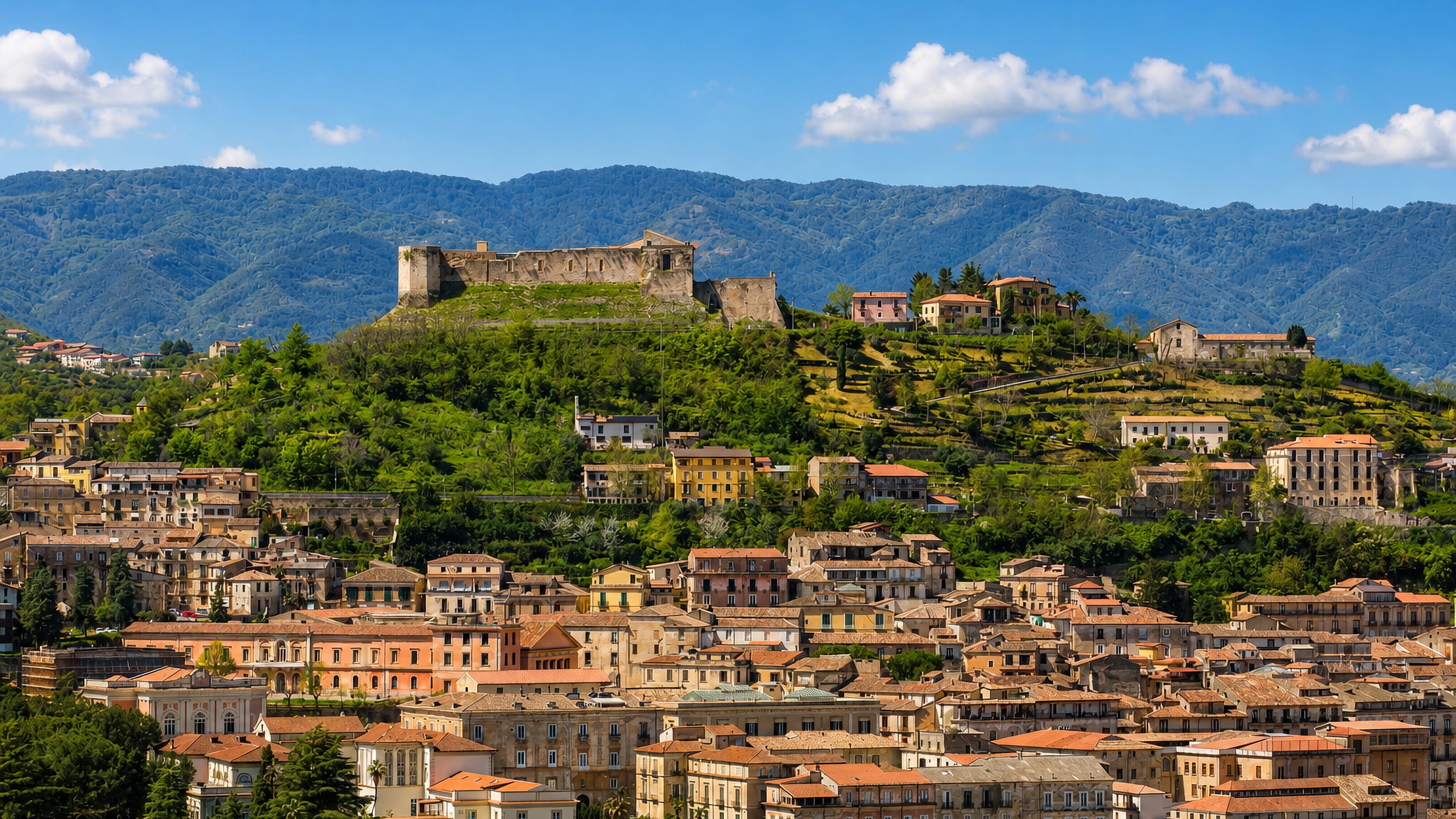
The Normanno-Svevo Castle and the Museo all'aperto Bilotti mark Cosenza, capital of its province in Calabria.
Hotel links are affiliate links: booking through them may earn us a commission, at no extra cost to you. It never affects how places are ranked. How this works


Where to stay in Cosenza
Where the beds are, and what that means for the visit.
The old centre is the obvious base. Beds between the Cathedral of Cosenza and the Normanno-Svevo Castle leave San Domenico, Santa Chiara and the Museo diocesano within a few streets, which is as much of the historic city as most visitors will want in one stay. Streets here are narrow.
San Francesco d'Assisi and San Giovanni Battista fill the same quarter, so the walk from one to the next never turns into a journey. The modern side runs on sculpture. Rooms along the Museo all'aperto Bilotti put open-air work outside the door, with BoCS Art, the Museo del presente and the Galleria nazionale di Cosenza close by, and this is the base that suits you when contemporary art rather than church architecture is the reason for the trip.
The Museo del Fumetto belongs to the same half of the city. Comics have their own building here. Outside both, the comune runs to 37 square kilometres.
Rooms toward the edge, out past San Francesco di Paola and the chiesa delle Cappuccinelle, buy space and easy parking at the cost of the evening walk, and Zumpano keeps its own small collection of sacred art beyond the boundary. The Museum of Brettii and Enotri sits between the two halves. Choose by which of the two you plan to see first.
Find hotels in Cosenza
Direct booking searches for these neighbourhoods.
The old centre
San Domenico, Santa Chiara and the Museo diocesano stand within these streetsFind hotels in The old centreContemporary art, with BoCS Art and the Museo del presente close byAlong the Bilotti sculptures
The Museo all'aperto Bilotti runs in the open through this part of CosenzaFind hotels in Along the Bilotti sculpturesParking and space on the rim of a 37-square-kilometre comuneThe edge toward Zumpano
San Francesco di Paola and the chiesa delle Cappuccinelle mark this outer ground. Lodging is scarce in this area; reserve in advance.Find hotels in The edge toward ZumpanoHotel links are affiliate links: booking through them may earn us a commission, at no extra cost to you. It never affects how places are ranked. How this works
Things to do in Cosenza
Ranked by global recognition; descriptions from Wikidata (CC0).
Museums & Galleries
3- Galleria nazionale di Cosenza Heritage
- Museum of Brettii and Enotri Heritage
- Museo diocesano Heritage
Churches & Religious Sites
8- Cathedral of Cosenza Heritage
- San Domenico Heritage
- San Francesco di Paola Heritage
- San Francesco d'Assisi Heritage
- San Nicola Heritage
Show 3 more →
- chiesa delle Cappuccinelle Heritage
- San Giovanni Battista Heritage
- Santa Chiara Heritage
Castles & Historic Sites
3- Normanno-Svevo Castle Heritage
- Ara dei fratelli Bandiera
- Monument to Bernardino Telesio
Landmarks & Notable Places
1- BoCS Art Heritage
worth knowingacross 4 categories in Cosenza
About Cosenza
Sculpture stands in the street.
What is Cosenza known for?
The Museo all'aperto Bilotti puts art in the open air, BoCS Art and the Museo del presente carry the contemporary side, and the Galleria nazionale di Cosenza keeps the older painting under a roof. Antiquity has its own museum. The Museum of Brettii and Enotri names two peoples from the early record of this ground, while the Normanno-Svevo Castle and the Cathedral of Cosenza fix the historic centre.
What are the main landmarks in Cosenza?
The Normanno-Svevo Castle heads the list. Churches follow it in number, among them the Cathedral of Cosenza, San Domenico, San Nicola, San Francesco d'Assisi, San Francesco di Paola, Santa Chiara, San Giovanni Battista and the chiesa delle Cappuccinelle. Museums cover the rest of the ground, from the Museum of Brettii and Enotri and the Museo diocesano to the Galleria nazionale di Cosenza, the Museo del presente and the Museo del Fumetto.
Monuments stand in the open. The Ara dei fratelli Bandiera, the Monument to Bernardino Telesio and the Monument to Scanderbeg keep company with the Museo all'aperto Bilotti.
What is the history of Cosenza?
Two peoples open the account. The Museum of Brettii and Enotri holds the early record of the ground Cosenza occupies, and the Normanno-Svevo Castle is the oldest structure standing over the present city, a fortification that gave everything built afterwards its fixed point. Churches came next.
The Cathedral of Cosenza, San Domenico, San Nicola, Santa Chiara and San Francesco d'Assisi trace how far the religious city reached, and the Museo diocesano keeps what those foundations accumulated between them. Names in stone carry the modern part. The Monument to Bernardino Telesio gives one figure permanent standing in the streets, the Ara dei fratelli Bandiera commemorates the Bandiera brothers, and the Museo delle rimembranze takes remembrance itself as its subject, with a Monument to Scanderbeg among the other public works.
Art is the newest layer of all. The Galleria nazionale di Cosenza, the Museo all'aperto Bilotti, BoCS Art, the Museo del presente and the Museo del Fumetto were added by a city that is capital of the province of Cosenza and ranks fifth among Calabria's cities, and the Piccolo museo d'arte sacra di Zumpano continues the same habit past the municipal edge. No founding year is recorded for any of it.
Where is Cosenza?
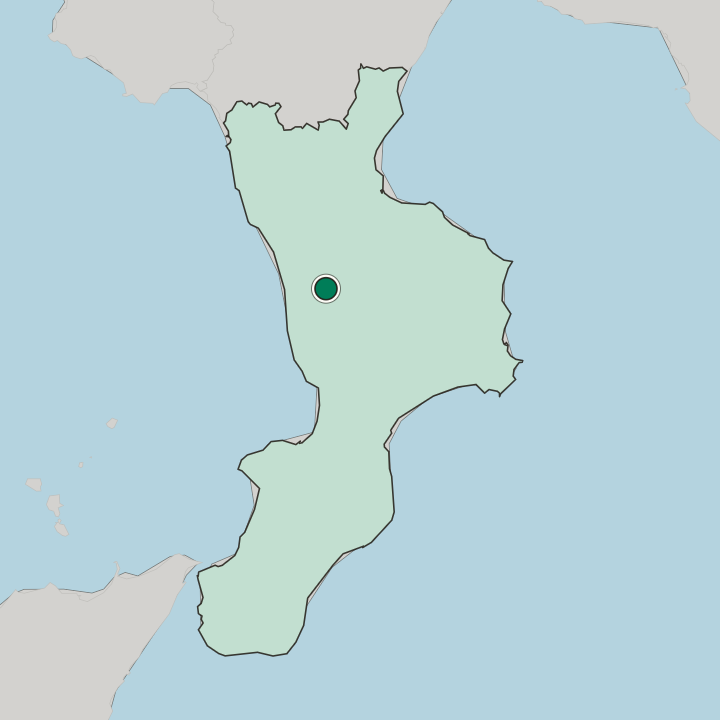
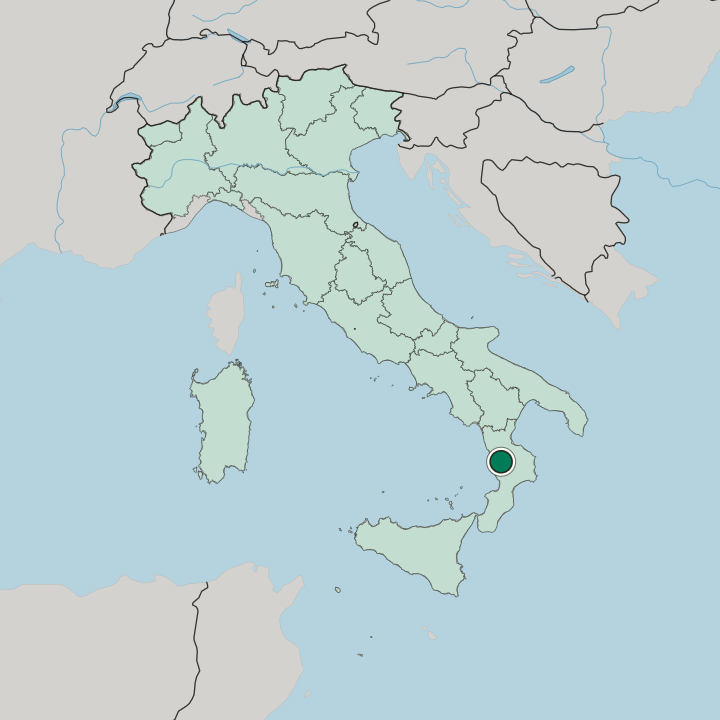
This is a compact comune of 37 square kilometres. Cosenza holds that ground in Calabria, in the temperate band of the northern hemisphere, and the historic quarter around the Cathedral of Cosenza and the Normanno-Svevo Castle takes up only a small share of it. Zumpano lies outside the boundary.
The Museo all'aperto Bilotti runs through open streets rather than standing in a single building, which spreads the city's art across the map instead of concentrating it.
What is the climate of Cosenza?
Calabria decides the year here. Cosenza sits in the temperate band of the northern hemisphere, where the warm half runs long and the cold one arrives without much severity, so the season for walking a city like this one is wide rather than narrow. Midsummer is the exception.
Shade near the Cathedral of Cosenza is worth more than any itinerary through the middle of it.
How do you get to Cosenza?
Calabria has to be crossed first. Cosenza serves as capital of its province, and reaching it means travel overland across the region rather than a coastal approach, which is the practical difference between this city and the seaside comuni of Calabria. Its historic centre takes up little space.
The Cathedral of Cosenza, the Normanno-Svevo Castle and the Museo all'aperto Bilotti fall inside a single walk once the city is reached.
Common questions
What is the best area to stay in Cosenza?
The old centre: Walking between the Cathedral of Cosenza and the Normanno-Svevo Castle. Along the Bilotti sculptures: Contemporary art, with BoCS Art and the Museo del presente close by. The edge toward Zumpano: Parking and space on the rim of a 37-square-kilometre comune.
Good for
More cities in Calabria
Updated October 2026