Italy · Calabria
Where to Stay in Crotone, Calabria
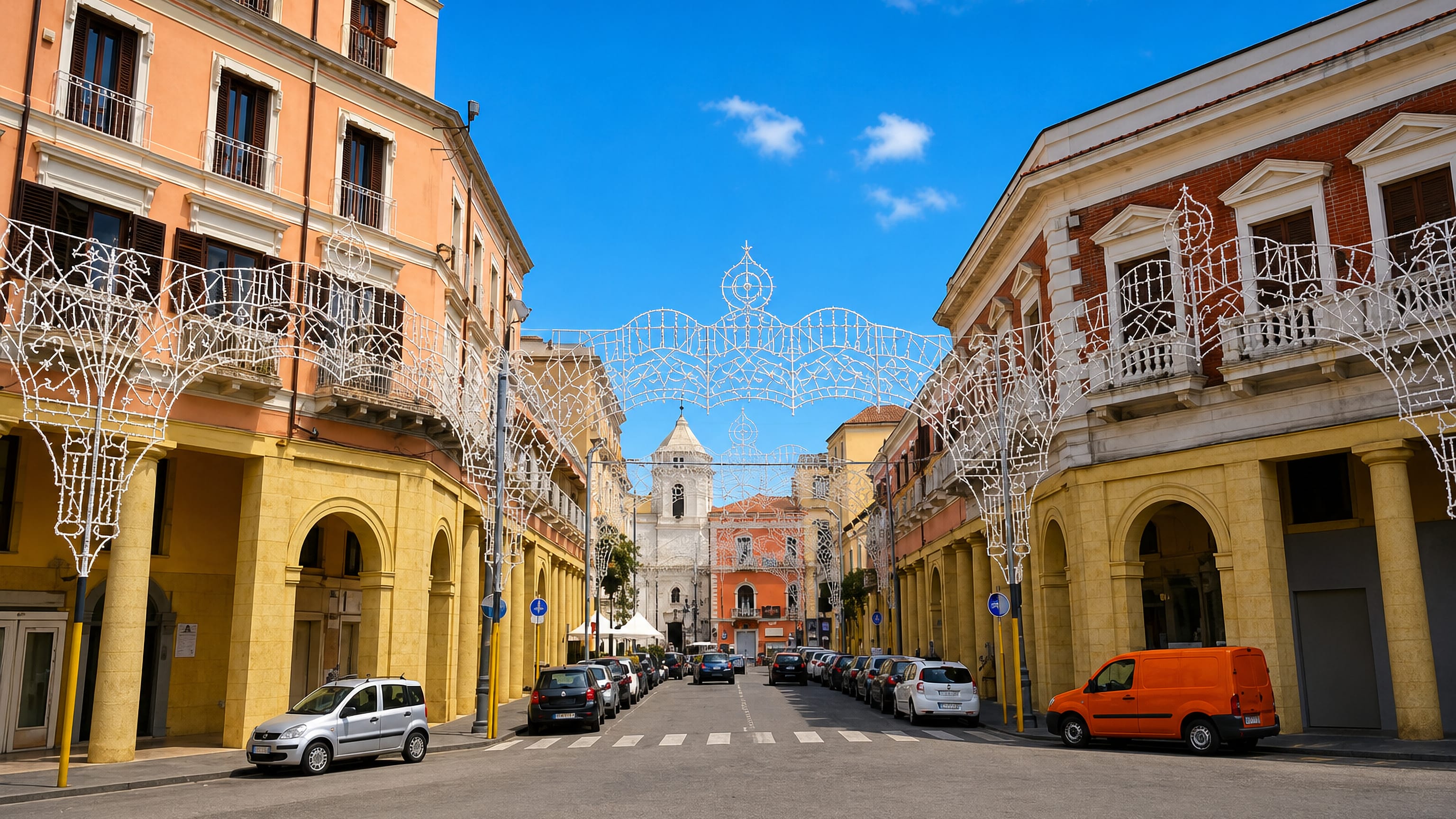
Crotone stands on the Ionian Sea in Calabria, a port city grown from Magna Graecia under the Castle of Charles V.
Hotel links are affiliate links: booking through them may earn us a commission, at no extra cost to you. It never affects how places are ranked. How this works


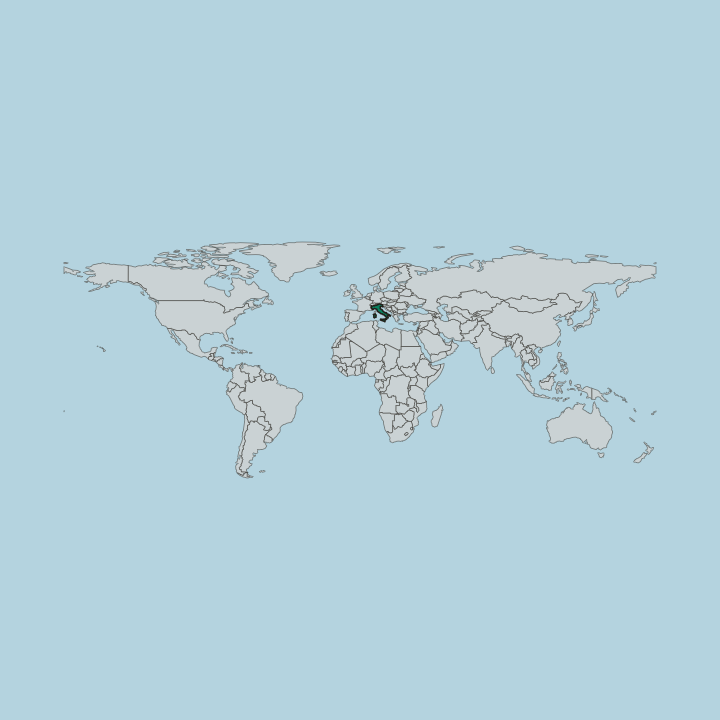
Where to stay in Crotone
The practical side of choosing where to sleep.
Crotone splits in two for a visitor. The medieval lanes under the Castle of Charles V carry the Cathedral of Saint Mary of the Assumption, Santa Veneranda church, and a run of small squares, all of it close enough to cross on foot in a quarter of an hour. Rooms here suit anyone who wants the National Archaeological Museum of Crotone and the Pythagoras Museum in walking distance.
The Museum of Contemporary Art of Crotone and the Civic Museum of Crotone are on the same side of town, which makes a wet afternoon easy to fill without moving the car. Traffic thins after dark. Down at the water the mood changes, with the port, the open Ionian Sea, and a longer seafront giving a different sort of stay, quieter at night and further from the museums.
The Collina di Santa Lucia rises behind. Drivers do better out this way, where the streets are wider and parking gives less trouble than in the lanes below the castle. PalaMilone and PalaKrò sit outside the medieval streets.
Both halves of Crotone lie inside the same short stretch of the Calabrian coast, so the choice is one of atmosphere rather than distance, and neither leaves the Urban archaeological area of Crotone far behind.
Find hotels in Crotone
Direct booking searches for these neighbourhoods.
The medieval old town
Ringed by the Cathedral of Saint Mary of the Assumption, Santa Veneranda church and the Urban archaeological area of CrotoneFind hotels in The medieval old townDrivers wanting the open Ionian Sea outside the doorThe port and seafront
Under the Collina di Santa Lucia, with the working port and the seafront at handFind hotels in The port and seafrontHotel links are affiliate links: booking through them may earn us a commission, at no extra cost to you. It never affects how places are ranked. How this works
Things to do in Crotone
Ranked by global recognition; descriptions from Wikidata (CC0).
Museums & Galleries
3- National Archaeological Museum of Crotone Heritage
- Civic Museum of Crotone Heritage
- Pythagoras Museum Heritage
Churches & Religious Sites
6- Cathedral of Saint Mary of the Assumption, Crotone Heritage
- St. Clare's Church, Crotone Heritage
- Church of the Immaculate Conception, Crotone Heritage
- St. Joseph's Church, Crotone Heritage
- St. Margaret's Church, Crotone Heritage
Show 1 more →
- Ex convento di San Francesco di Paola Heritage
Castles & Historic Sites
4- Castle of Charles V, Crotone Heritage
- Monument to Carlo Turano Heritage
- Collina di Santa Lucia Heritage
- Urban archaeological area of Crotone Heritage
Stadiums & Sports
2- PalaMilone
- PalaKrò
worth knowingacross 4 categories in Crotone
About Crotone
Ancient Greece left its mark.
What is Crotone known for?
The National Archaeological Museum of Crotone holds the finds of that older city, while the Pythagoras Museum and the Museum of Contemporary Art of Crotone give the centre two more collections within a few streets of each other. The Castle of Charles V looms over the old town. Its walls, the Cathedral of Saint Mary of the Assumption, and the small squares below draw most visitors on a city break in Calabria.
What are the main landmarks in Crotone?
The Castle of Charles V dominates Crotone. Below its walls the medieval old town keeps the Cathedral of Saint Mary of the Assumption, the Church of the Immaculate Conception, and Santa Veneranda church among squares and old houses that have held their lines for centuries. Three collections sit close together: the National Archaeological Museum of Crotone, the Pythagoras Museum, and the Civic Museum of Crotone.
The Urban archaeological area of Crotone lies open to walkers.
What is the history of Crotone?
Crotone begins in Magna Graecia. The Greek city of the Ionian coast gave the place its first shape, and most of what survives from it sits inside the National Archaeological Museum of Crotone rather than standing above ground. The Urban archaeological area of Crotone marks the rest.
From those ancient centuries the record runs forward through the medieval town to the Aragonese, and the accumulated layers are what the city offers a visitor. The Castle of Charles V came out of that later age. Its walls close off one side of the old town, and the churches nearby, among them Santa Veneranda church, the Church of the Immaculate Conception and the Ex convento di San Francesco di Paola, belong to the same long stretch of building and rebuilding.
Historic houses and old places of worship still line the squares of the medieval quarter. Later additions belong to the modern town, among them the Museum of Contemporary Art of Crotone, the Monument to Carlo Turano, PalaMilone, and PalaKrò. The Pythagoras Museum and the Civic Museum of Crotone keep the record inside the city.
Where is Crotone?
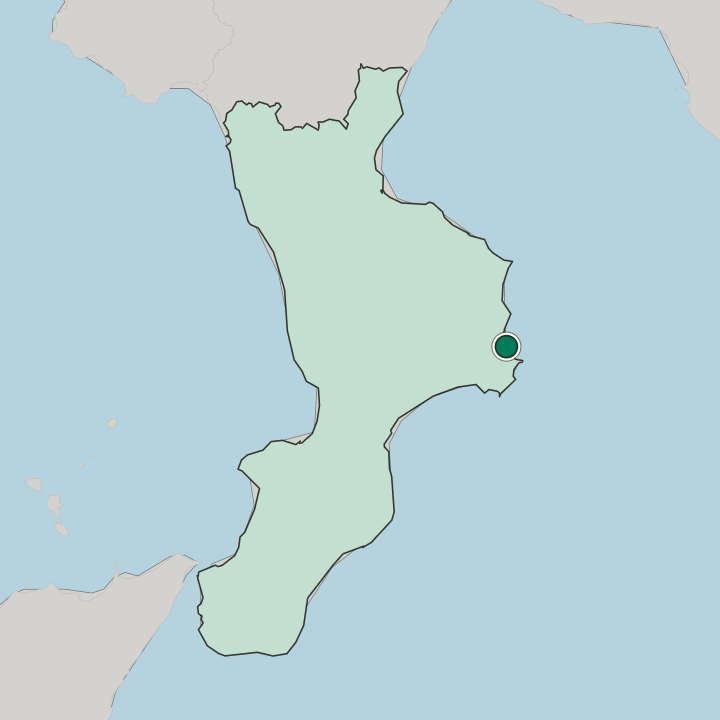
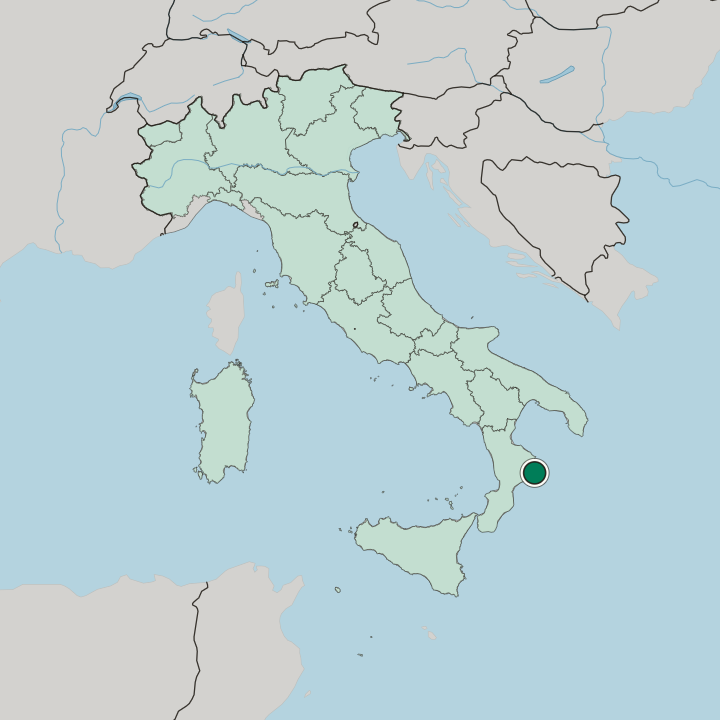
Crotone faces the Ionian Sea. The city holds a stretch of the Calabrian coast, with the Collina di Santa Lucia rising above the built ground and the port cut into the shoreline. Calabria carries on inland.
The medieval quarter sits close to the water, and the Urban archaeological area of Crotone lies inside the same compact ground, so the whole of the old city can be crossed on foot in an hour.
What is the climate of Crotone?
The Ionian Sea sets the terms. Water on the doorstep keeps the swing between the seasons narrower here than it runs inland in Calabria, so the warm months stretch long and the cold ones stay short. Sea air reaches the old town.
Anyone here for a city break gets a long open season, and the walk out to the Castle of Charles V is easier outside the deepest heat of the summer.
How do you get to Crotone?
Crotone sits on the Ionian coast of Calabria. Roads run along that shoreline in both directions, linking the city to the rest of the region and carrying most of the traffic that reaches it. The port opens onto the Ionian Sea.
Inside the city the medieval quarter, the Castle of Charles V, and the National Archaeological Museum of Crotone stand within walking distance of one another, which leaves a car useful mainly for the road out.
Common questions
What is the best area to stay in Crotone?
The medieval old town: Walkers heading for the Castle of Charles V and the cathedral squares. The port and seafront: Drivers wanting the open Ionian Sea outside the door.
Good for
More cities in Calabria
Updated October 2026