Italy · Calabria
Where to Stay in Reggio Calabria, Calabria
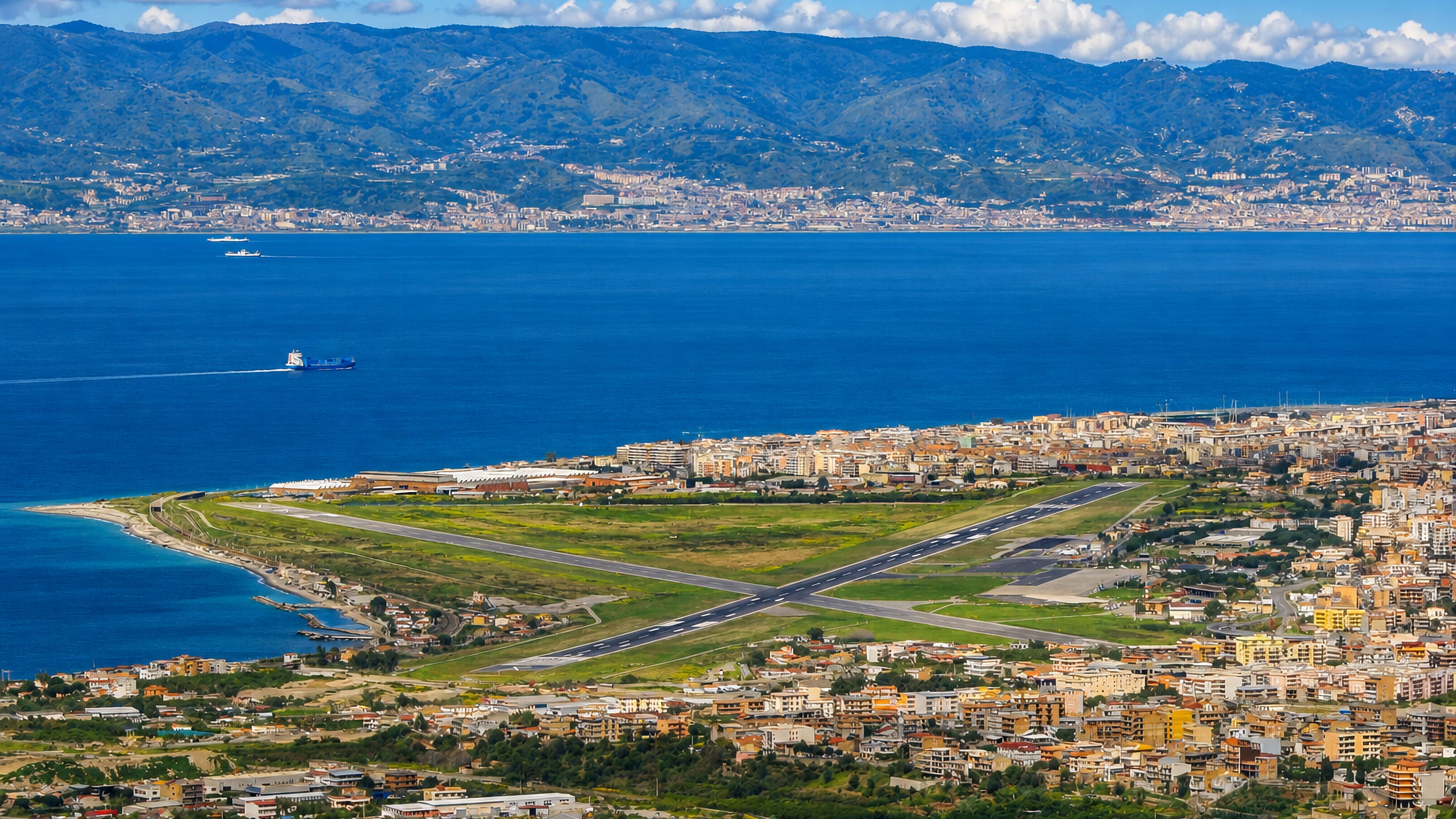
Reggio Calabria faces Sicily across the Strait, and its National Museum of Magna Græcia holds the Riace Bronzes of Magna Graecia.
Hotel links are affiliate links: booking through them may earn us a commission, at no extra cost to you. It never affects how places are ranked. How this works


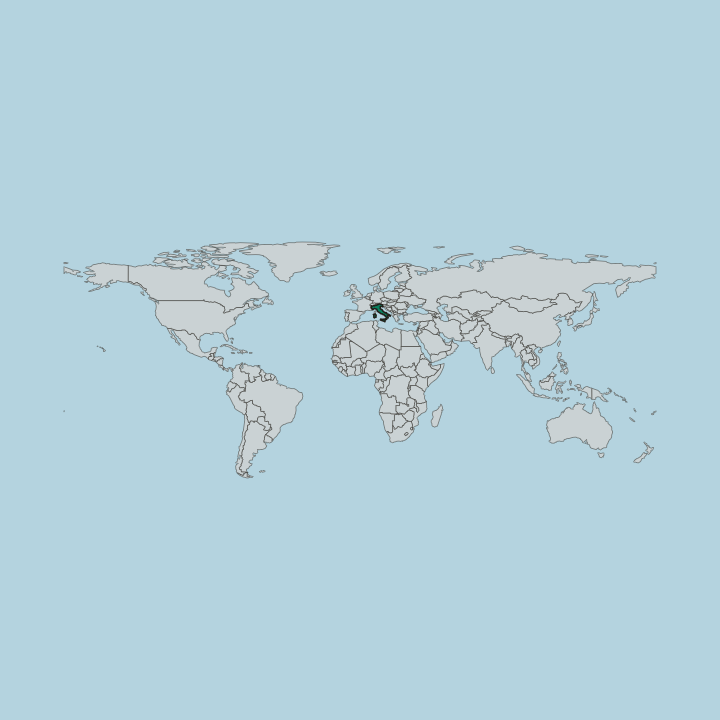
Where to stay in Reggio Calabria
How the choice of base plays out on the ground.
Reggio Calabria runs long and narrow along the water. Rooms near the National Museum of Magna Græcia make the most sense for a first visit, since the Riace Bronzes are what brought most people here and the Aragonese Castle stands within the same few blocks. That part is walkable throughout.
The Civic Pinacotheca of Reggio Calabria, the Museo dello Strumento Musicale and the Chiesa degli Ottimati are all close by, so a stay of two or three nights fills itself without a car. The seafront is the other option. Villa Genoese Zerbi and Torre Nervi stand on that side, and a room facing the water puts Sicily across the Strait in plain sight.
Ferry passengers do better near the port, where the crossing to Messina leaves early enough to matter and the walk back up into the museums takes only a few minutes. Nowhere in the centre is far. Reggio Calabria is the largest city in Calabria, so beds are easier to find here than anywhere else in the region, and anyone here for the Bouleuterion or the Terme Romane can choose on comfort rather than availability.
Find hotels in Reggio Calabria
Direct booking searches for these neighbourhoods.
Around the National Museum of Magna Græcia
The Riace Bronzes, the Aragonese Castle and the Chiesa degli Ottimati within a few blocksFind hotels in Around the National Museum of Magna GræciaEvenings looking over the Strait to SicilyThe seafront
Villa Genoese Zerbi and Torre Nervi stand along this side of the cityFind hotels in The seafrontTravellers taking an early ferry to MessinaBy the port
Short walk to the berths that work the crossing to Messina and SicilyFind hotels in By the portHotel links are affiliate links: booking through them may earn us a commission, at no extra cost to you. It never affects how places are ranked. How this works
Things to do in Reggio Calabria
Ranked by global recognition; descriptions from Wikidata (CC0).
Museums & Galleries
8- National Museum of Magna Græcia Heritage
- Osservatorio sulla ndrangheta Heritage
- Civic Pinacotheca of Reggio Calabria Heritage
- Silk Museum Heritage
- "Mons. Aurelio Sorrentino" Diocesan Museum Heritage
Show 3 more →
- Museo San Paolo Heritage
- Museo Agrumario Heritage
- Museo Storia della farmacia e Biblioteca Rabainisia Heritage
Churches & Religious Sites
3- Chiesa degli Ottimati
- Cattolica dei Greci
- chiesa ortodossa di San Paolo dei greci
Castles & Historic Sites
3- Aragonese Castle Heritage
- Bouleuterion Heritage
- Terme Romane Heritage
Stadiums & Sports
1- PalaBotteghelle
Landmarks & Notable Places
1- Torre Nervi
worth knowingacross 5 categories in Reggio Calabria
About Reggio Calabria
The Riace Bronzes draw the crowds.
What is Reggio Calabria known for?
A legacy of the city's Magna Graecia origins, the pair are kept in the National Museum of Magna Græcia, which is the single reason many travellers make the journey down the length of Calabria. Ferries cross to Messina. The crossing to Sicily is short, and behind the port the Aragonese Castle and the Cattolica dei Greci hold what is left of the older city.
What are the main landmarks in Reggio Calabria?
Museums outnumber everything else here. The National Museum of Magna Græcia has the Riace Bronzes, and the Silk Museum, the Museo del Bergamotto, the Museo Agrumario and the Planetario di Reggio Calabria each take a narrower subject and hold to it. Older stone survives in patches: the Aragonese Castle, the Bouleuterion, the Terme Romane and the Archaeological sites in Reggio Calabria.
The Cattolica dei Greci and the Chiesa degli Ottimati carry the Greek thread into the churches, while Villa Genoese Zerbi and Torre Nervi stand apart from them.
What is the history of Reggio Calabria?
Greek settlers founded the city. Magna Graecia origins run under everything else in Reggio Calabria, and the Bouleuterion and the Archaeological sites in Reggio Calabria are where that first city still shows above the pavement. Rome followed.
The Terme Romane belong to that stretch, and the Riace Bronzes, recovered later and kept in the National Museum of Magna Græcia, remain the most famous survival of the whole ancient period. Later rulers left their own marks. The Aragonese Castle carries the name of one of them, while the Cattolica dei Greci and the chiesa ortodossa di San Paolo dei greci keep Greek names on churches long after the Greek city had gone.
Trade shaped the modern town. The Silk Museum, the Museo Agrumario and the Museo del Bergamotto each record a crop or a craft the city lived by, and the Monumento all'Italia stands among the later additions. Reggio Calabria is the largest city in Calabria and the seat of the Metropolitan City of Reggio Calabria.
The Strait kept it connected throughout, with Messina and Sicily in sight across the water and the short crossing part of ordinary life on this shore.
Where is Reggio Calabria?
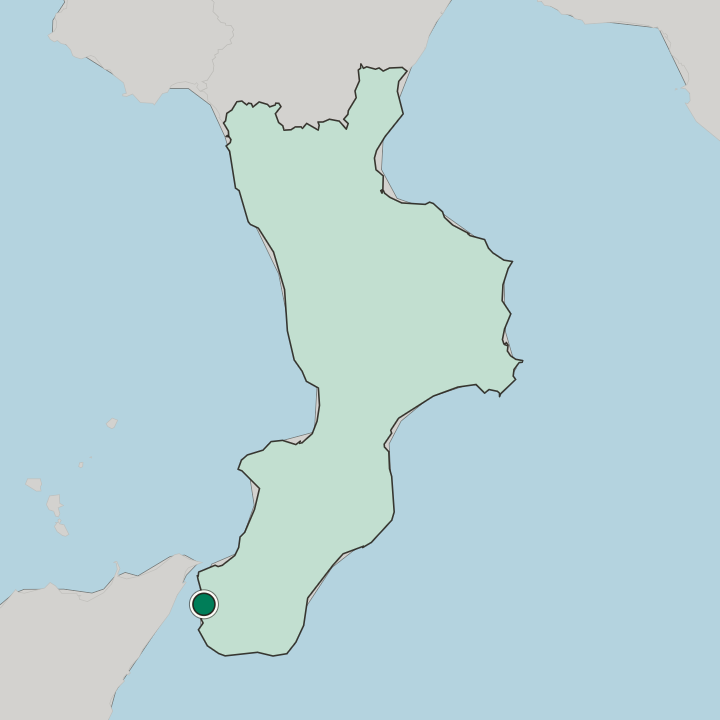
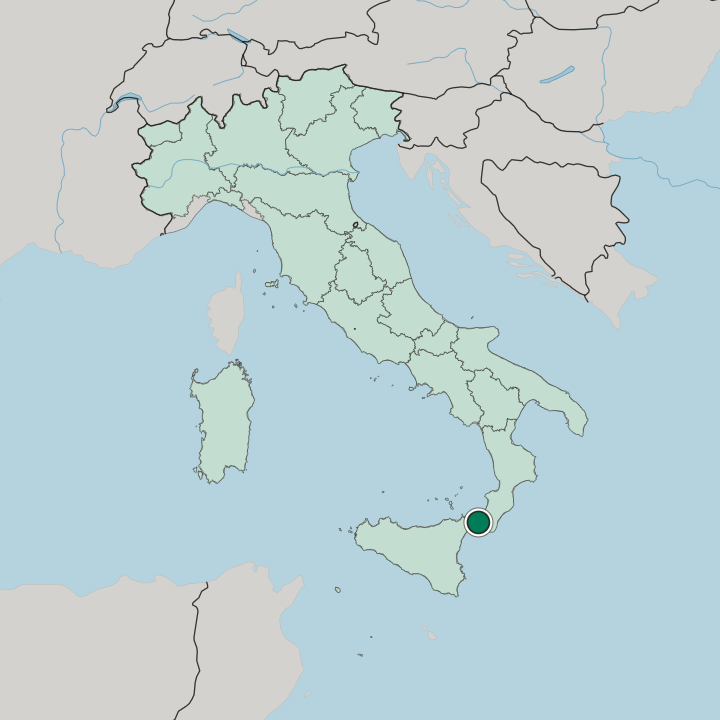
The Strait separates Reggio Calabria from Sicily. The city occupies the toe of Italy, strung along the shore with Messina visible across the water and the ground rising behind the built-up streets. Calabria stretches away inland.
Everything of interest sits close to the water: the National Museum of Magna Græcia, the Aragonese Castle, Villa Genoese Zerbi and the port that works the crossing to Messina.
What is the climate of Reggio Calabria?
The Mediterranean governs the year. Reggio Calabria sits near the centre of that sea and is known for its climate, with the water of the Strait taking the edge off both ends of the year. Summers run hot.
Shade matters more than shelter for most of the year, and the National Museum of Magna Græcia is the obvious refuge on the days when the seafront is too bright to walk.
How do you get to Reggio Calabria?
The ferry is the interesting way in. Crossings from Messina take a short run over the Strait and land at the port, which puts Sicily within reach of a morning and back again. Roads come down the length of Calabria to the same shore, and most travellers arriving overland reach Reggio Calabria that way rather than by sea.
Little ground separates the central sights. From the port the National Museum of Magna Græcia, the Aragonese Castle and the seafront are all within a walk, so a car is a burden once the city has been reached.
Common questions
What is the best area to stay in Reggio Calabria?
Around the National Museum of Magna Græcia: A first visit built around the Riace Bronzes. The seafront: Evenings looking over the Strait to Sicily. By the port: Travellers taking an early ferry to Messina.
Good for
More cities in Calabria
Updated October 2026