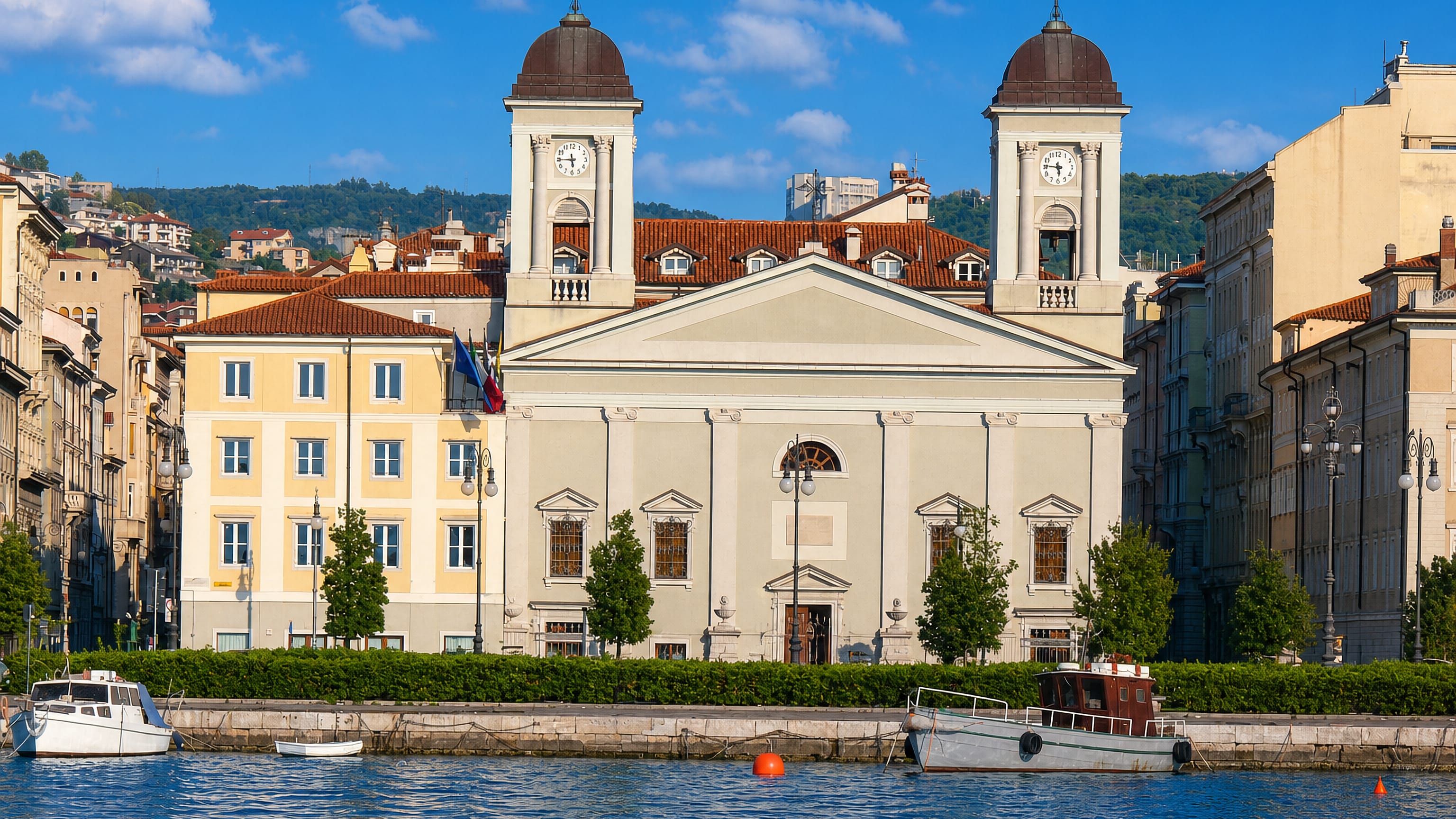
Italy · Friuli Venezia Giulia
Where to Stay in Trieste, Friuli Venezia Giulia
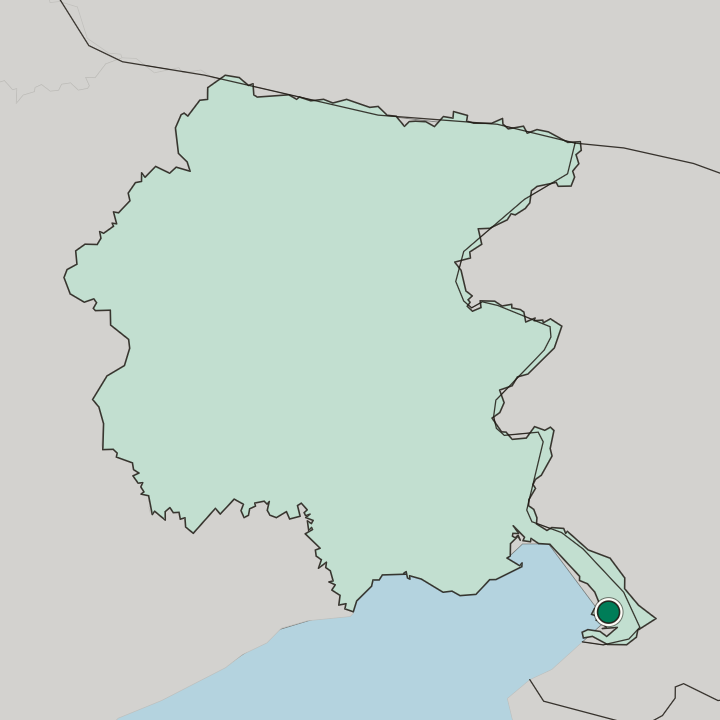
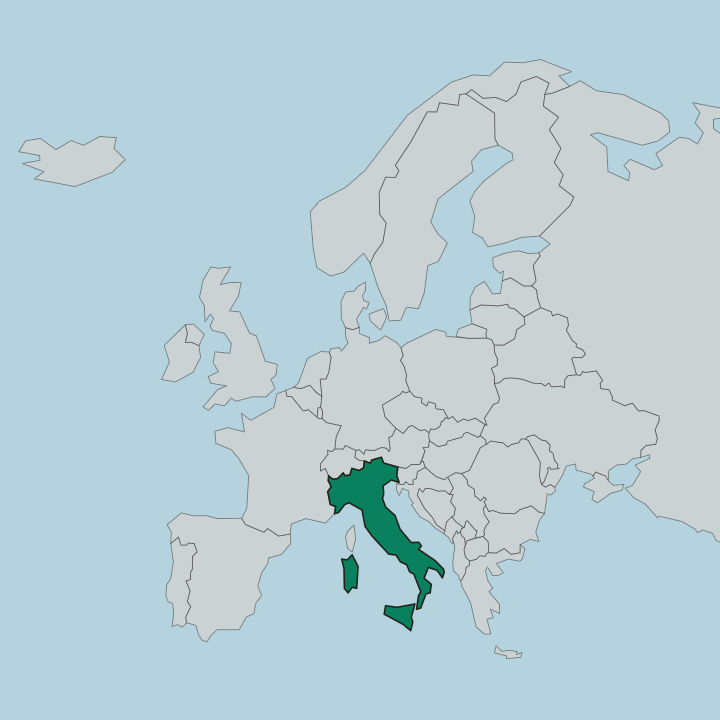
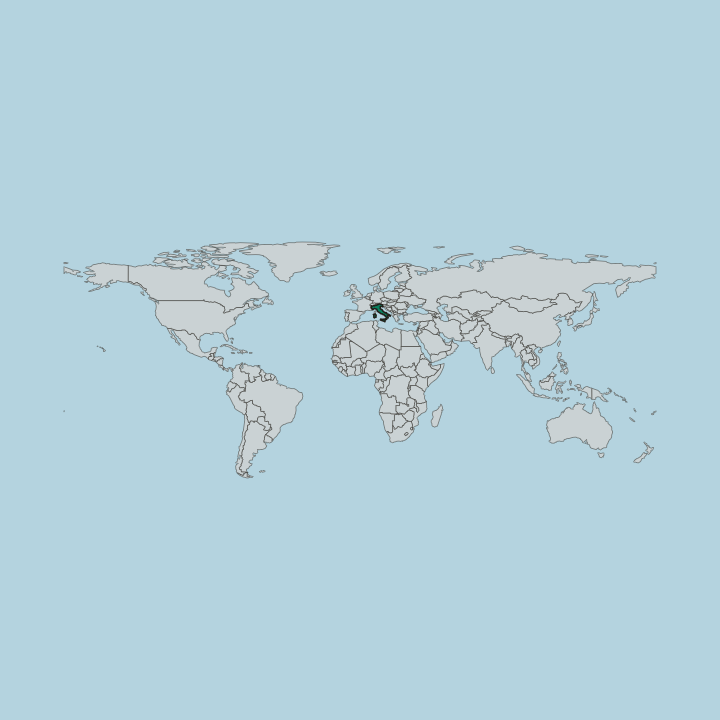
Trieste is a seaport in north-eastern Italy and the capital of the autonomous region of Friuli Venezia Giulia, below the San Giusto hill.
Hotel links are affiliate links: booking through them may earn us a commission, at no extra cost to you. It never affects how places are ranked. How this works


Where to stay in Trieste
Not every neighbourhood fits every trip — here's what each one is good for.

 TriesteItaly
Chiadino
Chiadino is a quarter of Trieste in Italy, marked by the churches of San Giovanni Decollato and San Luigi Gonzaga.Where to stay →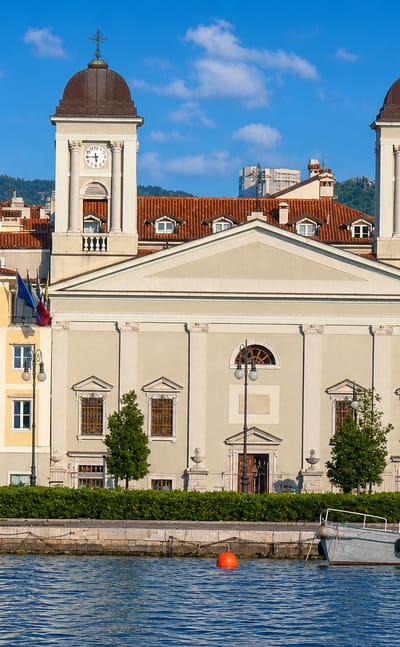 TriesteItaly
Città Nuova
Città Nuova, also called Borgo Teresiano, is the Trieste quarter holding the cathedral, the Roman theatre and most of the city's museums.Where to stay →TriesteItalyServola
Servola is a Trieste quarter of parish churches and small museums, and the site of the Risiera di San Sabba memorial.Where to stay → TriesteItaly
Rozzol
Rozzol is a residential quarter of Trieste in Italy, known also as Rozzol Melara, with three parish churches for its landmarks.Where to stay → TriesteItaly
Barcola
Barcola is the maritime neighbourhood of Trieste in Italy, a shore of beaches and promenades near the Habsburg-established Miramare Castle.Where to stay →Hotel links are affiliate links: booking through them may earn us a commission, at no extra cost to you. It never affects how places are ranked. How this works
Find hotels in Trieste
Direct booking searches for these neighbourhoods.
Città Vecchia
Climbs the San Giusto hill past the Castello di San Giusto, the Roman Theatre of Trieste and Arco di Riccardo.Find hotels in Città VecchiaNeoclassical centre by the canalBorgo Teresiano
The grid around the Canal Grande, between Sant'Antonio Taumaturgo and Saint Spyridon Church.Find hotels in Borgo TeresianoQuiet streets and galleries by the gulfBorgo Giuseppino
Calm blocks by the gulf around the Revoltella Museum and the Greek Orthodox San Nicolò dei Greci.Find hotels in Borgo GiuseppinoKarst villages above the cityCarso plateau
The limestone uplands behind Trieste, far from the harbour, with few hotels among the villages. Few places to stay nearby — book ahead.Find hotels in Carso plateauHotel links are affiliate links: booking through them may earn us a commission, at no extra cost to you. It never affects how places are ranked. How this works
Things to do in Trieste
Ranked by global recognition; descriptions from Wikidata (CC0).
Museums & Galleries
8- Revoltella Museum Heritage
- Civico museo del Castello di San Giusto Heritage
- Roman Theatre of Trieste Heritage
- Kleines Berlin Heritage
- Museo Sartorio Heritage
Show 3 more →
- Istituto ed orto botanico Heritage
- Civico Museo d'Arte Orientale Heritage
- Morpurgo museum Heritage
Churches & Religious Sites
3- Trieste Cathedral
- Saint Spyridon Church
- Sant'Antonio Taumaturgo, Trieste
Castles & Historic Sites
2- Arco di Riccardo
- Opicina obelisk
Stadiums & Sports
1- PalaChiarbola
worth knowingacross 4 categories in Trieste
About Trieste
Trieste wears many pasts at once.
What is Trieste known for?
The Roman gate called Arco di Riccardo and the Roman Theatre of Trieste survive within the old core that grew from the colony of Tergeste, a short climb above the modern grid. Above them rises the Castello di San Giusto, the castle on the hill. Its churches record a mix of faiths.
Trieste Cathedral keeps the Catholic seat beside the castle, while Saint Spyridon Church serves the Serbian Orthodox community down near the harbour.
What are the main landmarks in Trieste?
Landmarks crowd a small centre. On the San Giusto hill, the Castello di San Giusto and Trieste Cathedral overlook the rooftops, while the Roman Theatre of Trieste and Arco di Riccardo mark the Roman town below. Galleries fill the old palazzi.
The Revoltella Museum shows nineteenth-century art near the seafront, and the Museo Sartorio keeps period rooms and drawings in a villa close by. Down at the water, the Museo del Mare traces the port's seafaring past.
What is the history of Trieste?
Trieste began as Tergeste. A Roman colony on the gulf, it left the gate now called Arco di Riccardo, dating from the 1st century AD, and the Roman Theatre of Trieste cut into the hillside below San Giusto. Habsburg rule made the city.
After it was declared a free port in 1719, Trieste grew into the main seaport of the Austrian empire, and its quays drew Serbian, Greek and Jewish merchants who built their own houses of worship. Saint Spyridon Church rose for the Serbian Orthodox community, San Nicolò dei Greci for the Greek, and the synagogue and its Jewish Museum Carlo e Vera Wagner for a large Jewish community. Empress Maria Theresa drained the salt pans to lay out the Borgo Teresiano, the neoclassical quarter threaded by the Canal Grande.
The twentieth century brought rupture. Trieste passed to Italy after the First World War, and during the Second the occupiers ran the Risiera di San Sabba, the rice mill turned concentration camp that the city keeps as a memorial. A contested zone followed the war.
The city returned to Italian administration in 1954 and is the capital of the autonomous region of Friuli Venezia Giulia.
Where is Trieste?
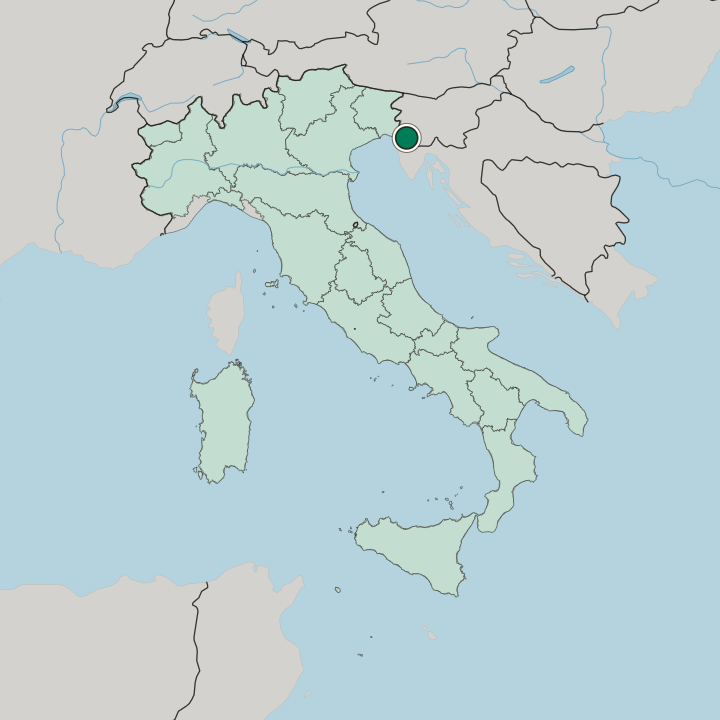
Trieste sits at the head of the Adriatic. The city wraps a narrow shelf of land in north-eastern Italy, hard against the border with Slovenia, where the limestone Carso plateau drops steeply to a gulf of the same sea. Its old town climbs the San Giusto hill above the port.
Below it, the harbour and the railway run along the waterfront, and the streets behind rise quickly toward the Carso. It is the regional capital of Friuli Venezia Giulia.
What is the climate of Trieste?
In Trieste the Adriatic calls the tune. Trieste has a temperate climate softened by the Adriatic, with warm dry summers and mild, damp winters along the gulf. Its signature is the bora.
This cold, dry wind funnels down from the Carso plateau and sweeps the harbour in hard gusts, mostly in the colder months. Snow is rare by the water.
How do you get to Trieste?
Most arrivals come by land. Trains reach Trieste Centrale, the waterfront terminus, from Venice and the wider Italian network, and regional buses run across the border from Slovenia and Croatia. The airport lies north-west of the city.
Flights use the regional airport at Ronchi dei Legionari, on the plain toward the Isonzo, with a rail link down to the centre. Ferries and cruise ships still call at the old port.
Common questions
What is the best area to stay in Trieste?
Città Vecchia: Roman and medieval sights on foot. Borgo Teresiano: Neoclassical centre by the canal. Borgo Giuseppino: Quiet streets and galleries by the gulf. Carso plateau: Karst villages above the city.
Good for
Another city in Friuli Venezia Giulia
Updated October 2026