Italy
Friuli Venezia Giulia, Italy — Towns & Travel Guide
Friuli Venezia Giulia is a region of Italy, formed in 1963 and centred on its principal city, Trieste.
Hotel links are affiliate links: booking through them may earn us a commission, at no extra cost to you. It never affects how places are ranked. How this works


Towns & cities in Friuli Venezia Giulia
Pick a town or city — each links to where to stay.
 Italy
Italy
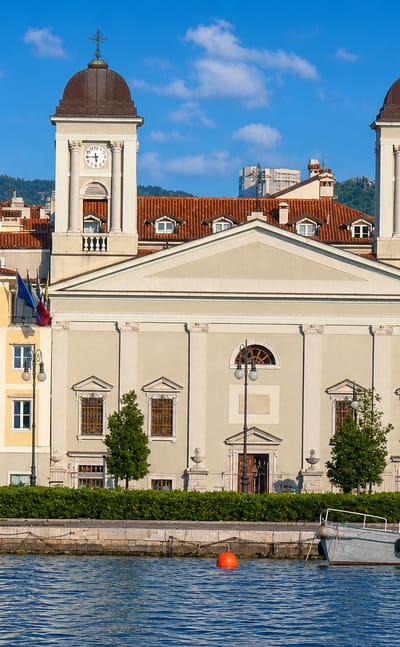
Trieste
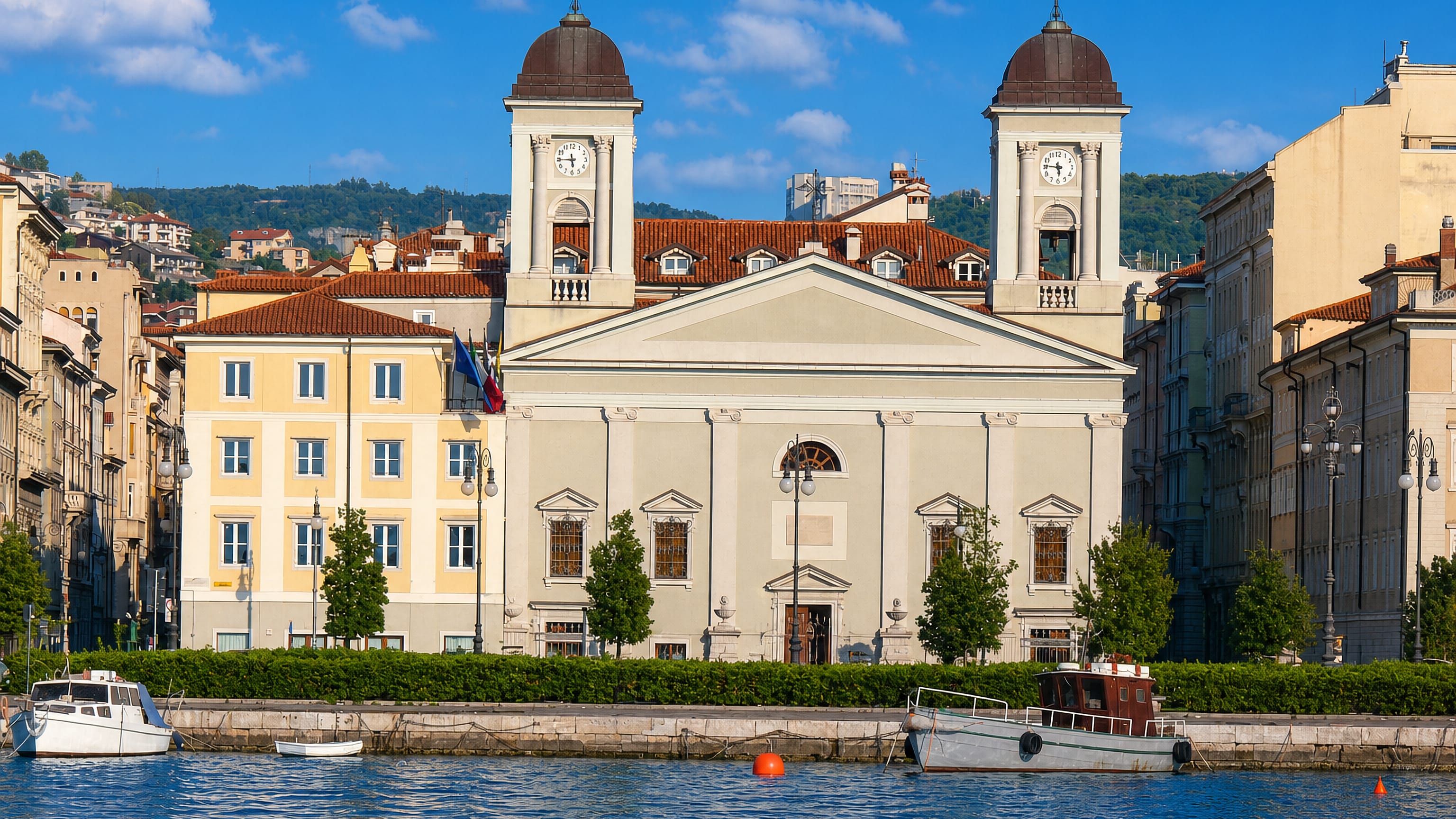
Trieste is a seaport in north-eastern Italy and the capital of the autonomous region of Friuli Venezia Giulia, below the San Giusto hill.Where to stay →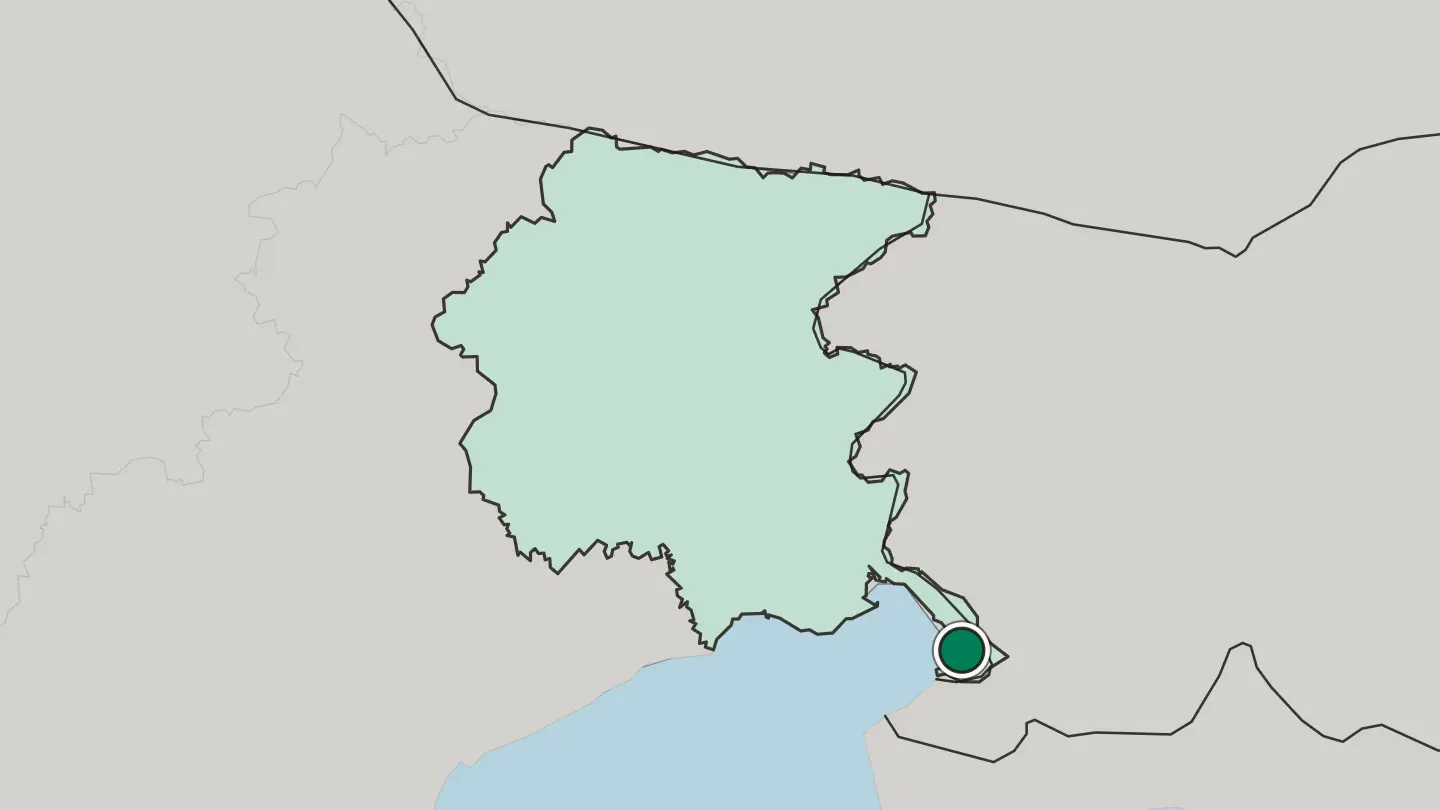 Italy
Italy
Udine
Udine sits between the Adriatic Sea and the Carnic Alps, a Friulian capital with a castle on its rise and Tiepolo galleries in the streets below.Where to stay →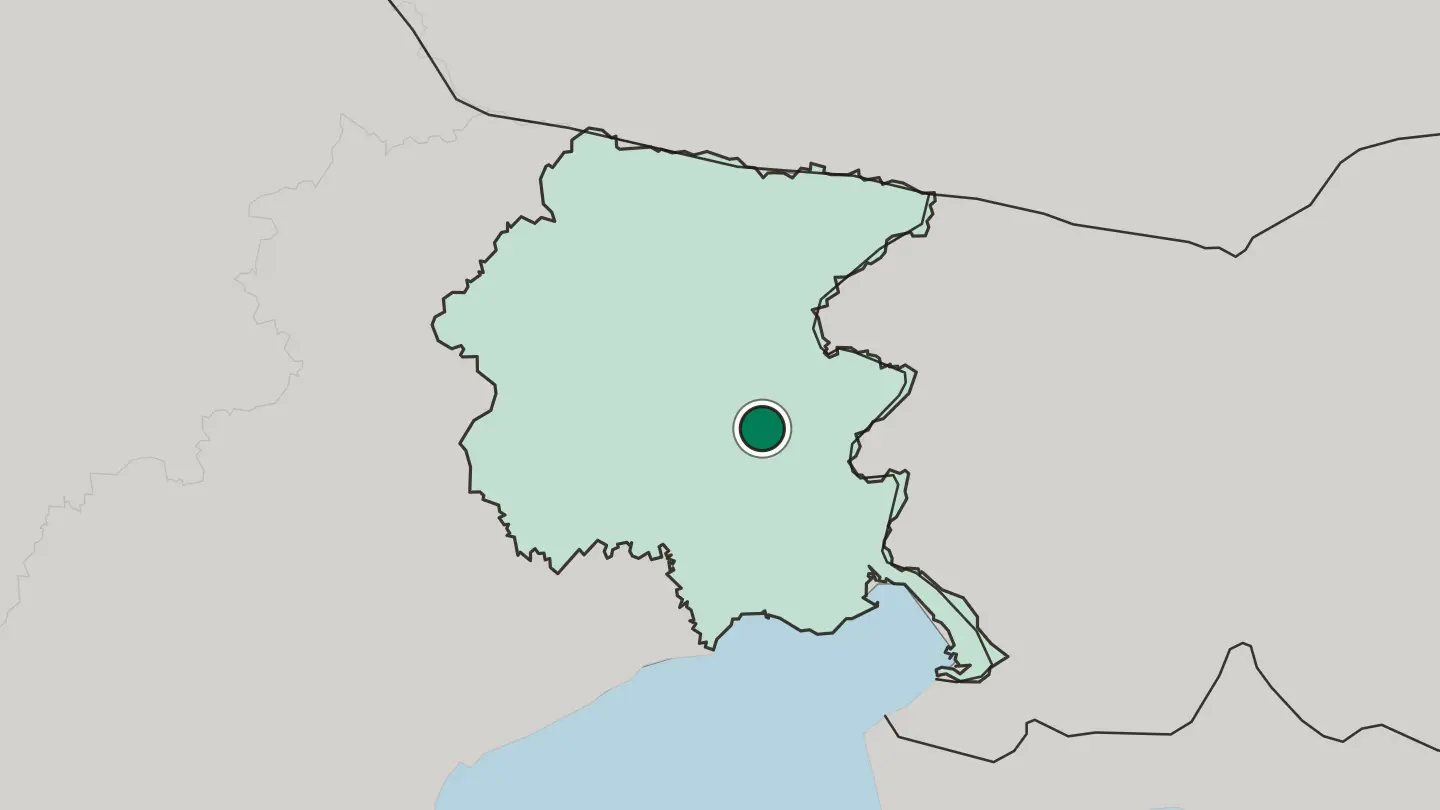
Hotel links are affiliate links: booking through them may earn us a commission, at no extra cost to you. It never affects how places are ranked. How this works
About Friuli Venezia Giulia
What is Friuli Venezia Giulia known for?
Friuli Venezia Giulia, officially Friuli-Venezia Giulia, is known above all as one of the regions of Italy, administered from the city of Trieste. The name is double-barrelled. Italian is the everyday language of its towns and public offices.
Brought together as a single region in 1963, the area is most often approached through Trieste, the seat from which the wider region is governed and reached.
Where is Friuli Venezia Giulia?
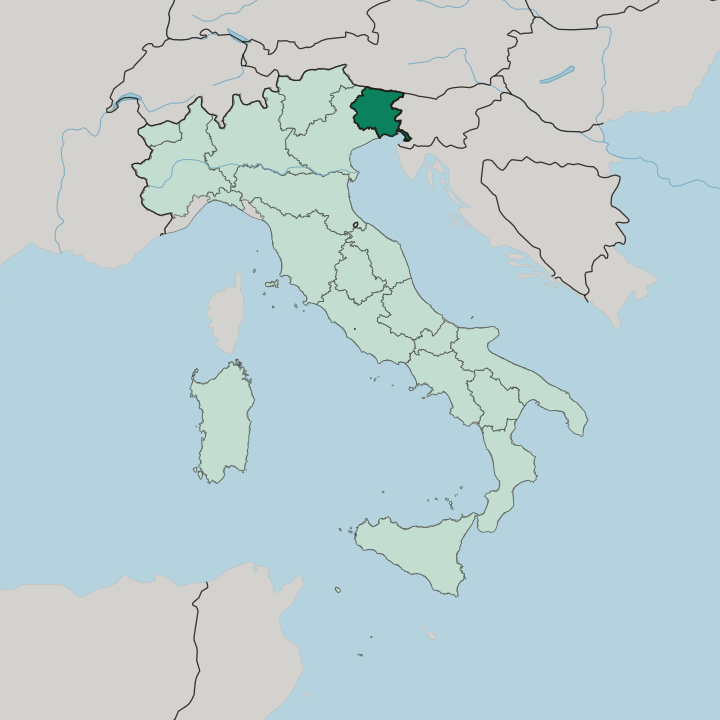
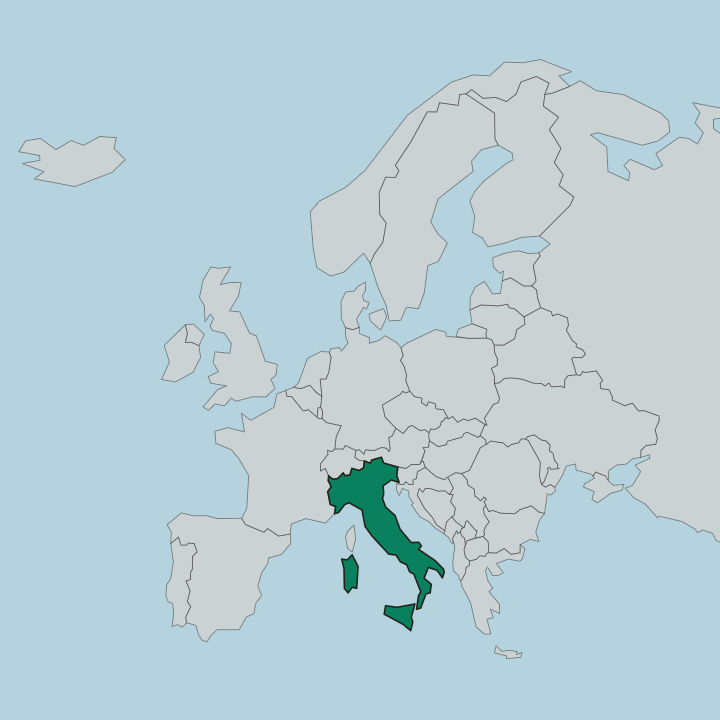
Friuli Venezia Giulia is a region of Italy, one of the administrative regions into which the country is divided. Trieste is its principal city. The territory was constituted as a single region in 1963, and from that point it has been governed as one administration within the wider Italian state.
Nothing in Friuli Venezia Giulia lies far from the next place. Around that city the rest of the region is arranged, and travel inside Friuli Venezia Giulia is built around reaching the outlying territory from the principal city rather than from several competing centres. It lies in the north of Italy, within the temperate band of the northern hemisphere.
Italy provides the national frame for all of it. The boundaries the region carries follow the administrative lines that were fixed when it was formed, and they have held since. Trieste holds the populated core.
As an Italian region, it has no standing apart from the country it belongs to. Within those lines, Trieste remains the fixed point of reference. Beyond Trieste, the territory is made up of smaller places that share the same administration.
The region works as one unit of Italy gathered around a single dominant city.
What is Friuli Venezia Giulia like?
Friuli Venezia Giulia carries the everyday culture of Italy, with Italian as the shared language across its towns. Trieste sets the regional tone. As the principal city, it is where much of the region's public and civic life is concentrated, and the surrounding towns take their cue from it.
The region keeps a clear identity of its own within the country. Its very name, Friuli-Venezia Giulia, joins two parts into one, a sign of the distinct strands gathered under a single administration in 1963. Italian threads through all of it.
For a visitor, the texture of the region is read first in Trieste and then in the smaller places that look to it, rather than in any single rival centre. Public life follows the national patterns of Italy. Because Italian is the common tongue, the region communicates outward as part of Italy rather than as a place apart.
The region's culture is lived in Italian, organised around Trieste, and framed by the same administration that drew the region together. What holds it together is shared. The result is an Italian region with a settled character of its own.
What is the history of Friuli Venezia Giulia?
Friuli Venezia Giulia took its present shape in 1963, when its territory was constituted as a single region of Italy. That was a matter of statute. Before that settlement, the lands within the region had been governed under other arrangements, and the modern region drew them together under one authority centred on Trieste.
Its official name, Friuli-Venezia Giulia, dates from this settlement.
What is the climate of Friuli Venezia Giulia?
Friuli Venezia Giulia has a temperate climate, the kind found across the northern, four-season parts of Italy. Friuli Venezia Giulia sees warm summers. Winters turn cool to cold, and spring and autumn act as long transitions between the two extremes rather than seasons in their own right.
Because the region sits in the temperate band of the northern hemisphere, its weather follows a clear yearly cycle, with the warmest months near midyear and the coldest in the depth of winter.
How do you get to Friuli Venezia Giulia?
Friuli Venezia Giulia is reached as part of Italy, and for most arrivals the way in runs through Trieste. The principal city gathers its connections. From there, the rest of the region is a short onward journey, since distances inside Friuli Venezia Giulia are modest.
Travellers heading into the region from elsewhere in Italy generally route through Trieste first and then continue out to the smaller towns that depend on it.
More regions in Italy
Updated September 2026