Italy · Trentino-Alto Adige
Where to Stay in Bolzano, Trentino-Alto Adige
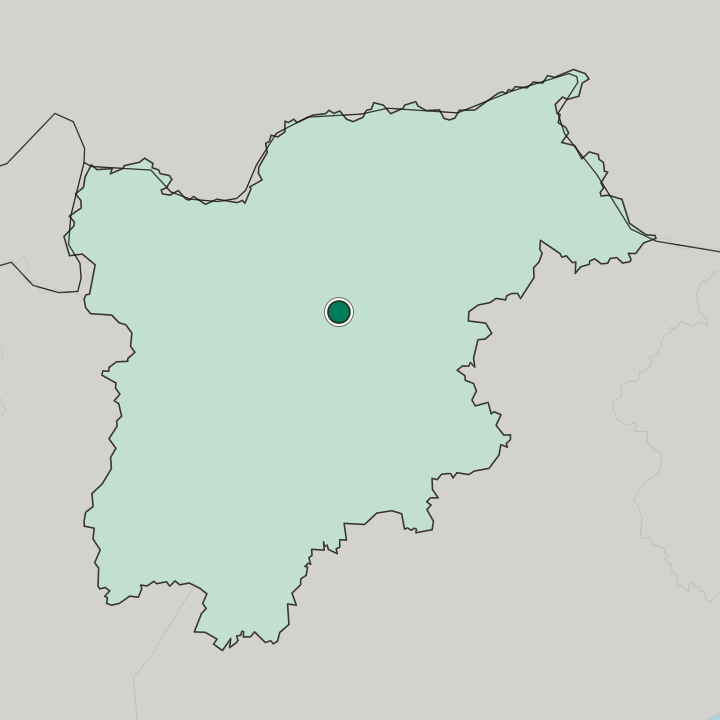
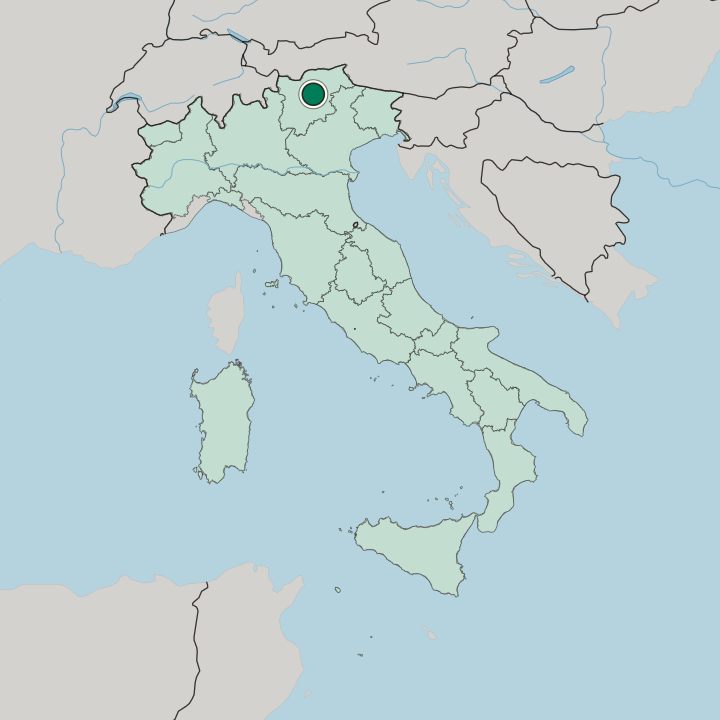
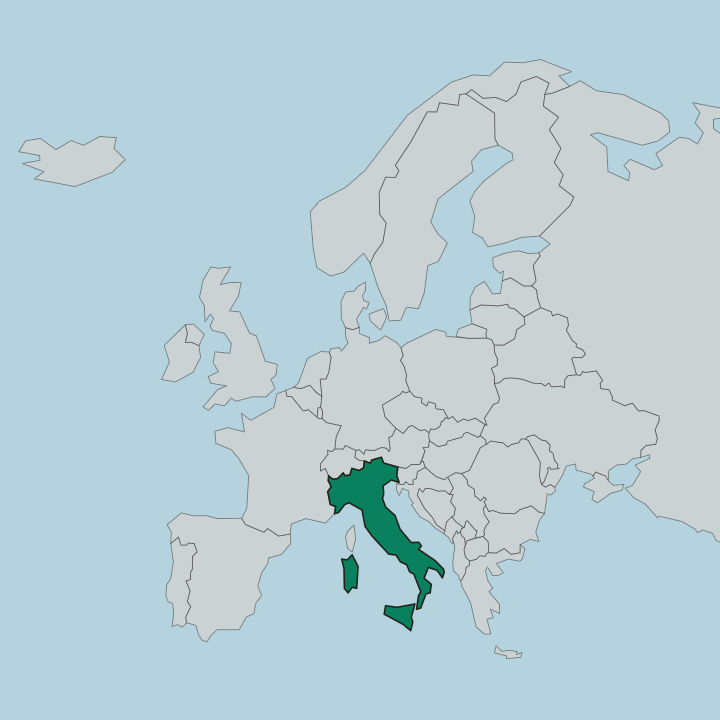
Bolzano is the main city of South Tyrol, the bilingual province of Trentino-Alto Adige in northern Italy.
Hotel links are affiliate links: booking through them may earn us a commission, at no extra cost to you. It never affects how places are ranked. How this works


Where to stay in Bolzano
Where visitors usually base themselves, and why.
The historic centre keeps most of the beds, a compact grid of old lanes around the Dominican Church and the city's main museums, and it suits you if walking everywhere matters. Beds there book early. Most hotels sit within a few minutes of the Franciscan Church, so the museums, cafés and evening restaurants stay within easy reach on foot without any need for a car.
Gries lies just west. West of the centre, Gries gathers quieter streets around the Old Parish Church of Gries and the abbey's Saint Augustine church, a calmer footing for travellers who want slower evenings. The two sides read differently.
One stays dense and old, the other leafy and low, both within the same basin. First-time visitors usually pick the centre for its short distances, while quieter stays gravitate to Gries. Bozen and Bolzano name the same place.
Buses link the quarters, and the rail station sits at the southern edge of the old town. You are rarely more than a short walk from a museum or a café. Day trips into the surrounding valleys start from the same station.
Find hotels in Bolzano
Direct booking searches for these neighbourhoods.
Historic centre
The old core packs the South Tyrol museums, the Dominican Church and the Franciscan Church within a few minutes on foot.Find hotels in Historic centreQuieter evenings near the Old Parish Church of GriesGries
A quieter quarter west of the centre, gathered around the Old Parish Church of Gries and the abbey's Saint Augustine church.Find hotels in GriesHotel links are affiliate links: booking through them may earn us a commission, at no extra cost to you. It never affects how places are ranked. How this works
Things to do in Bolzano
Ranked by global recognition; descriptions from Wikidata (CC0).
Museums & Galleries
3- South Tyrol Museum of Archaeology Heritage
- Museion Heritage
- Civic Museum of Bozen Heritage
Churches & Religious Sites
8- Dominican Church Heritage
- Old Parish Church of Gries Heritage
- Franciscan Church Heritage
- Saint George church Heritage
- St. Johann im Dorf Heritage
Show 3 more →
- Sacred Heart Heritage
- Saint Mary Magdalene church Heritage
- Kapuzinerkirche Bozen Heritage
Castles & Historic Sites
8- Bolzano Victory Monument Heritage
- Runkelstein Castle Heritage
- Karneid Castle Heritage
- Haselburg Heritage
- Castle Ried Heritage
Show 3 more →
- Kampenn Castle Heritage
- Castle Wangen-Bellermont Heritage
- Castle Weinegg Heritage
worth knowingacross 3 categories in Bolzano
About Bolzano
What is Bolzano known for?
Museums define the city's reputation. The South Tyrol Museum of Archaeology, the South Tyrol Museum of Nature, and the modern-art galleries of Museion together give Bolzano an unusually dense cluster of collections for its size. Bilingual German and Italian signage marks every street and square.
Above the basin, Runkelstein Castle and other medieval strongholds overlook the rooftops of the old town.
What are the main landmarks in Bolzano?
Museums and castles dominate. The South Tyrol Museum of Archaeology and the Civic Museum of Bozen hold the city's main collections, while Museion shows modern and contemporary art. Runkelstein Castle and Haselburg crown the slopes above the basin.
The Bolzano Victory Monument stands on the western side of the centre as a marker of the twentieth century. Among the lanes stand the Church of the Holy Sepulchre and the Sacred Heart.
What is the history of Bolzano?
Bolzano grew up in the Middle Ages. Mendicant friars built the Dominican Church and the Franciscan Church within the growing town, while castles such as Runkelstein Castle, Karneid Castle and Haselburg rose on the wooded slopes that ring the basin. Each order kept its own cloister.
Around the churches a dense core of lanes took shape, the heart of medieval Bozen. West of the old town, the parish of Gries grew as a separate settlement around its Old Parish Church of Gries before the city absorbed it. The abbey's Saint Augustine church anchors it still.
For centuries the whole town lay within German-speaking Tyrol, which is why Bozen and Bolzano still mark the same place. The Bolzano Victory Monument, raised on the western side of the centre, records the passage of South Tyrol into the Italian state during the twentieth century. Two communities stayed on.
German and Italian still split the names of the churches, castles and squares across the city. Its castles and friaries still trace that early outline. The Civic Museum of Bozen keeps much of what those centuries left behind.
Where is Bolzano?
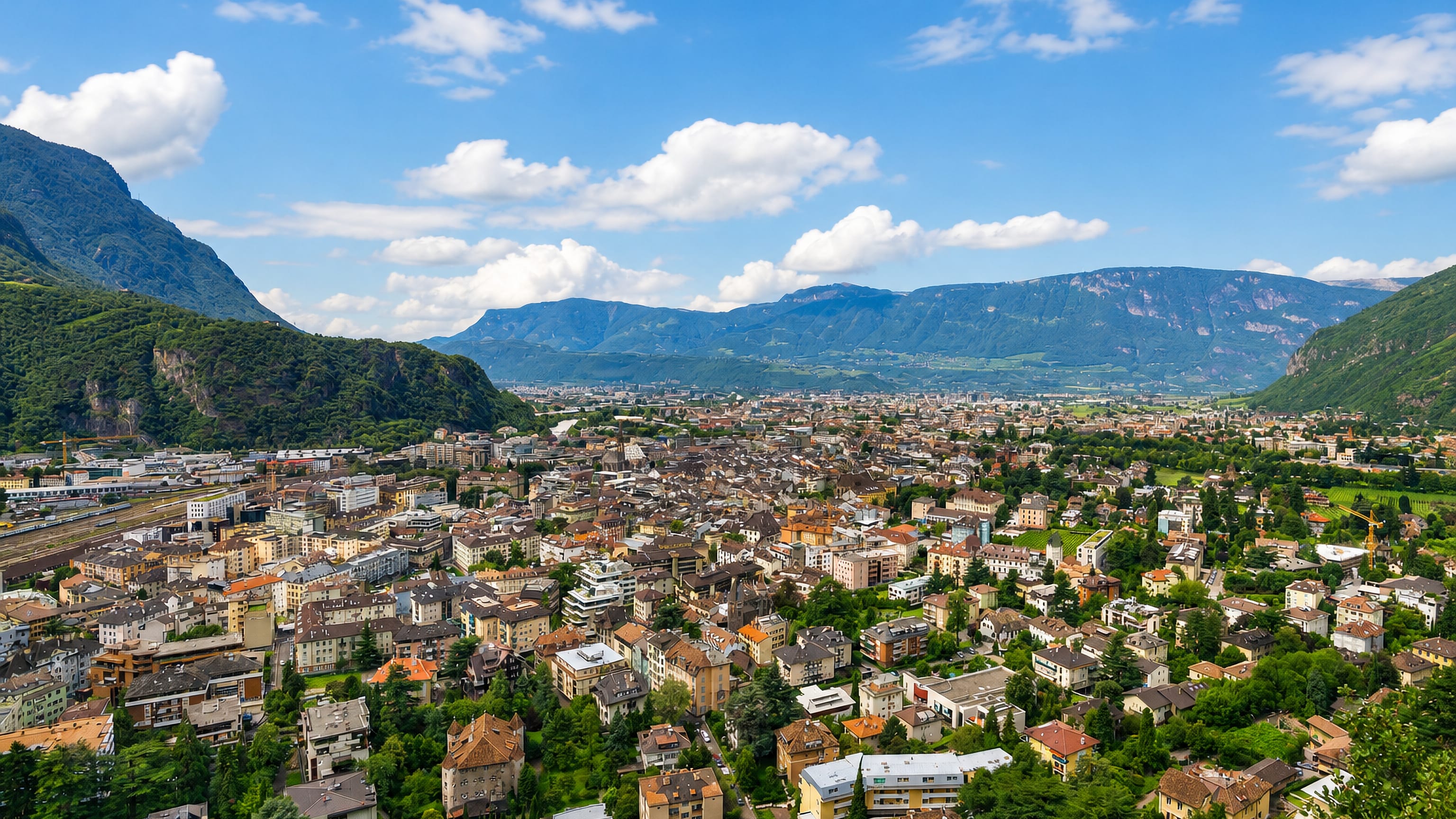
Bolzano fills a wide Alpine basin. Steep wooded slopes climb on every side, carrying the castles above the town, while several Alpine valleys open out toward the floor of the basin where the old streets sit. The city lies in South Tyrol, the German-speaking province of Trentino-Alto Adige in northern Italy.
Mountains shelter it from the north. Gries spreads across the western side of the valley floor.
What is the climate of Bolzano?
The basin shapes the weather. Sheltered by the slopes that ring it, Bolzano draws warm, settled summers and cold, clear winters, with snow lingering on the high ground long after it has left the valley floor. Spring and autumn stay long and mild.
The surrounding peaks hold their snow into spring, feeding the streams below. Rain comes mostly in summer storms.
How do you get to Bolzano?
Bolzano sits on the main Alpine corridor. Rail and road run together along the valley, linking the city southward into the rest of northern Italy and northward toward the passes that cross the Alps into the German-speaking lands beyond. The station stands at the southern edge of the old town.
Buses fan out from there. From the same valley, roads climb to the smaller towns and castles scattered across South Tyrol.
Common questions
What is the best area to stay in Bolzano?
Historic centre: Walking to the South Tyrol museums. Gries: Quieter evenings near the Old Parish Church of Gries.
Good for
More cities in Trentino-Alto Adige
Updated October 2026