Italy · Trentino-Alto Adige
Where to Stay in Trento, Trentino-Alto Adige
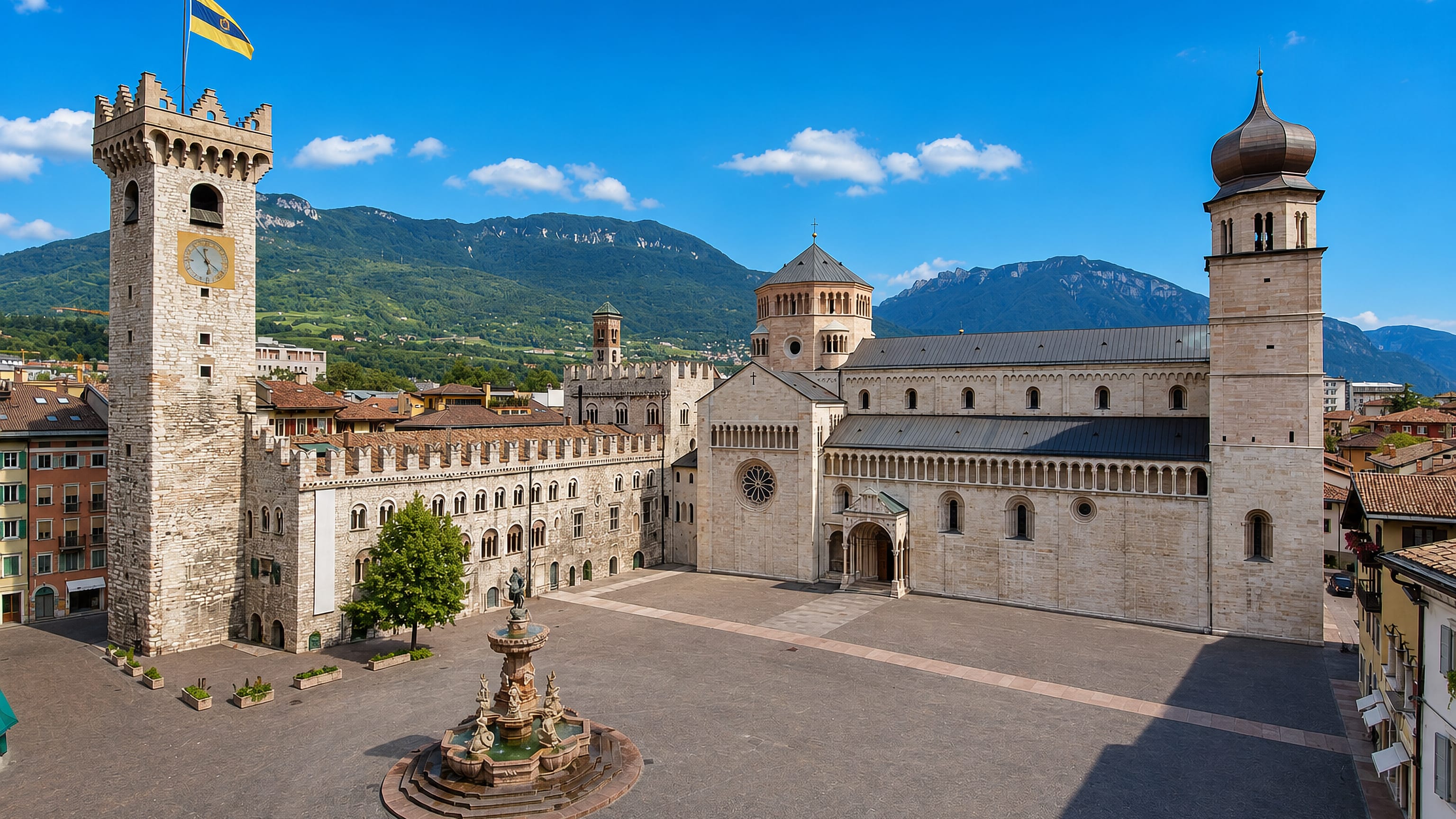
Trento fills the Adige valley under Monte Bondone, capital of Trentino, known for Buonconsiglio Castle and the Council of Trent.
Hotel links are affiliate links: booking through them may earn us a commission, at no extra cost to you. It never affects how places are ranked. How this works


Where to stay in Trento
Each area has its own feel; here's who each one suits.

 TrentoItaly
Villazzano
Three churches and just over seven square kilometres make up Villazzano, one of the districts the Italian city of Trento is divided into.Where to stay →TrentoItalyGardolo
Gardolo lies north of Trento in the Adige valley, eight and a half square kilometres that became Trento's first administrative district.Where to stay →Hotel links are affiliate links: booking through them may earn us a commission, at no extra cost to you. It never affects how places are ranked. How this works
Find hotels in Trento
Direct booking searches for these neighbourhoods.
Centro storico
Between the cathedral and Buonconsiglio Castle, with Via Belenzani joining the twoFind hotels in Centro storicoNew rooms beside MUSE and the Adige cycle pathLe Albere
The Renzo Piano quarter on the old Michelin ground, a few minutes from the station on footFind hotels in Le AlbereA cable-car ride home and the whole valley under the windowSardagna
The ledge on the Monte Bondone side, reached from the riverbank by cablewayFind hotels in SardagnaVineyard terraces with the university lecture halls at the doorPovo and Villazzano
The eastern hill villages above the Adige, where the vines run right up to the buildingsFind hotels in Povo and VillazzanoHotel links are affiliate links: booking through them may earn us a commission, at no extra cost to you. It never affects how places are ranked. How this works
Things to do in Trento
Ranked by global recognition; descriptions from Wikidata (CC0).
Museums & Galleries
3- Tridentine Diocesan Museum Heritage
- Gallerie Piedicastello Heritage
- Gallera Civica
Churches & Religious Sites
3- Early Christian basilica of Saint Vigilius Heritage
- Blessed Sacrament church
- Early Christian Church on the Doss Trento
Castles & Historic Sites
3- Buonconsiglio Castle Heritage
- Monument to Dante in Trento
- Tridentum
Stadiums & Sports
1- BTS Arena
Landmarks & Notable Places
5- Torre Vanga Heritage
- Torre Verde Heritage
- Torre della Tromba Heritage
- Torrione Heritage
- Torre Mirana Heritage
worth knowingacross 5 categories in Trento
About Trento
What is Trento known for?
Trento is the capital of Trentino and the city of the Council of Trent. Bishops ruled here as princes for eight centuries, and the fathers of the Counter-Reformation sat in its cathedral and in Santa Maria Maggiore from 1545 through eighteen years of argument that redrew the Catholic church. Frescoes cover the houses on Piazza Duomo.
Buonconsiglio Castle keeps the Cycle of the Months painted in Torre Aquila, and MUSE, the science museum Renzo Piano built on the old factory ground, faces the same mountains.
What are the main landmarks in Trento?
Trento keeps a castle at one end and a cathedral at the other. Buonconsiglio Castle was the seat of the prince-bishops, and Torre Aquila inside it holds the Cycle of the Months, a fresco of peasants and courtiers working through a medieval year. Piazza Duomo carries the rest.
The cathedral of San Vigilio stands over the Roman town at Tridentum, the Fountain of Neptune plays in front of painted house fronts, and MUSE faces the Museo Nazionale Storico degli Alpini across the river on Doss Trento.
What is the history of Trento?
Trento was Tridentum, a Roman town on the road over the Alps, and its streets still lie under the modern pavement. The bishops got the whole valley in 1027. For eight centuries a prince-bishop ruled Trento as an imperial fief, holding the pass between Italy and Germany, and Bernardo Clesio rebuilt the city in the sixteenth century with Italian painters and German taste.
Then the church came to Trento to argue. The Council of Trent met from 1545 to 1563, and the decrees written in the cathedral and in Santa Maria Maggiore set Catholic doctrine and liturgy for four centuries. Napoleon ended the prince-bishopric.
Austria held Trento afterwards, and the city spent the nineteenth century as an Italian-speaking town inside a German empire, which is why Cesare Battisti was hanged in the castle moat in 1916 and why the Monument to Dante was raised facing north. Italy annexed the province after the first war, in 1919. Autonomy came after the second war, and the money it brought paid for the university, the research institutes and the museums that took over the old industrial ground.
Where is Trento?
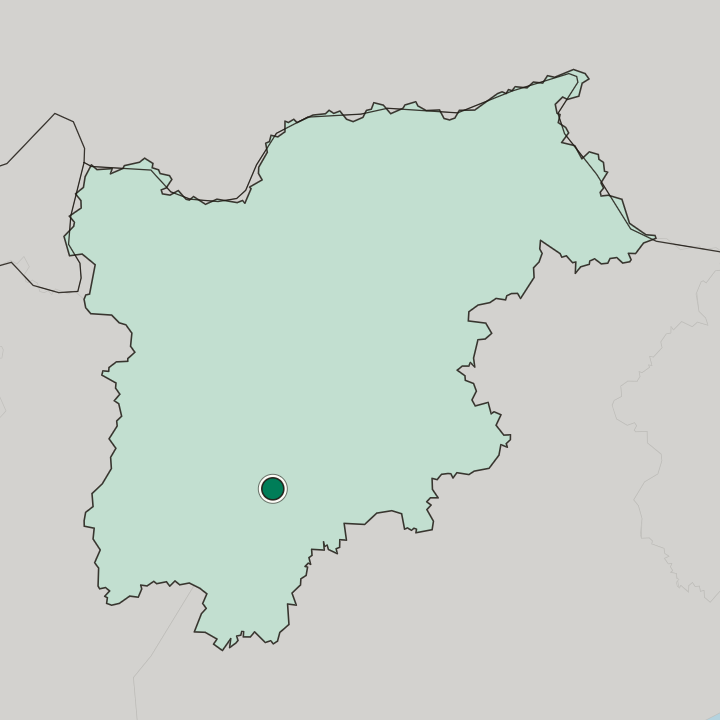
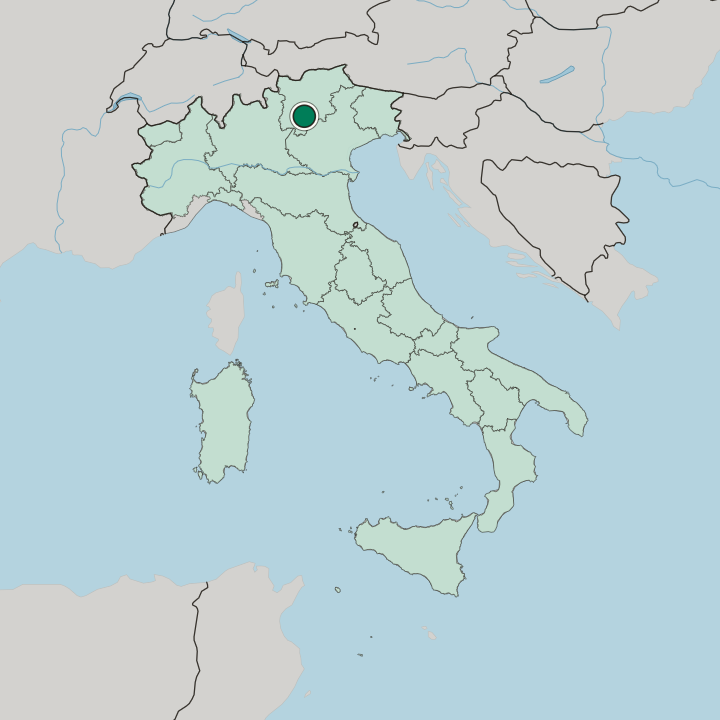
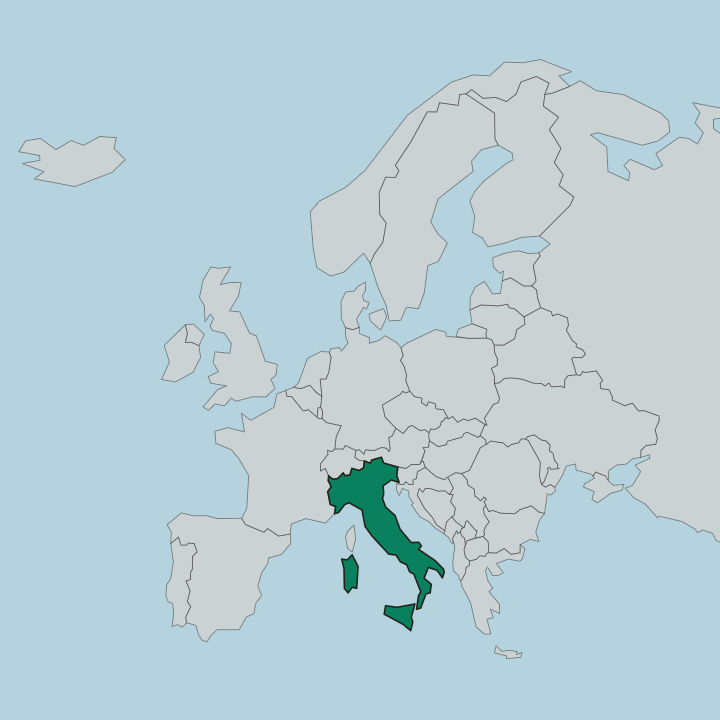
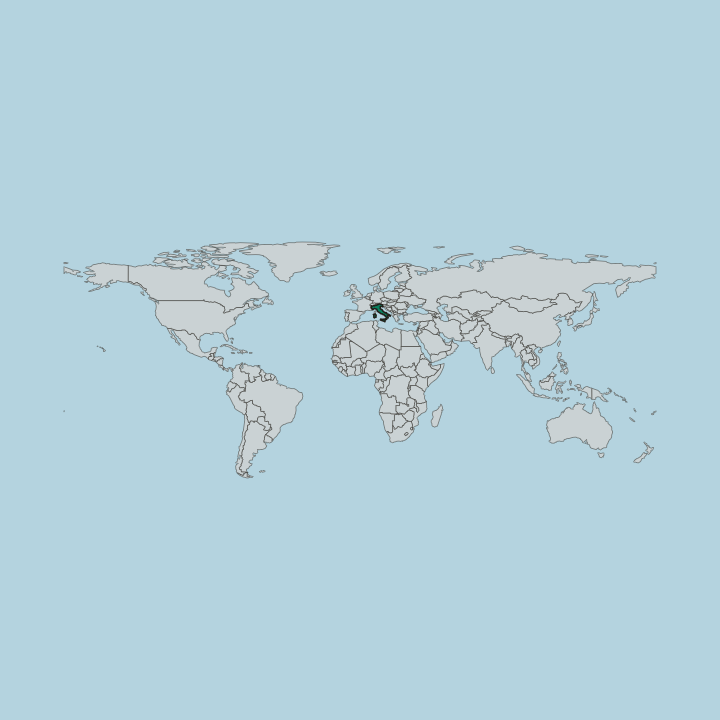
Trento lies on the Adige in north-eastern Italy, at the point where the valley narrows between two mountain walls. Monte Bondone rises straight from the west bank and the Marzola closes the east, while the Paganella stands off to the north-west. Vines cover the valley floor.
The Adige runs south from here toward Verona, the Valsugana opens east toward Bassano, and the Sarca valley carries the road down to Lake Garda. Doss Trento stands over the river.
What is the climate of Trento?
Trento gets its afternoons from Lake Garda. The Ora del Garda is a breeze that starts on the lake around midday and works up the valley, cooling the heat that would otherwise sit trapped between Monte Bondone and the Marzola. Summers are warm, with thunder over the ridges.
Winter is cold and often bright, snow lying on the slopes long before it reaches the streets, and the valley floor can hold fog for days while the peaks stand in the sun. Autumn turns the vineyards red.
How do you get to Trento?
Trento sits on the Brenner line. Trains from Verona and Innsbruck stop at the station on the edge of the centro storico, and the narrow-gauge Trento-Malé railway leaves from beside it for the Val di Non and the Val di Sole. The A22 runs alongside.
That motorway carries the Brenner traffic between Modena and Austria, the Valsugana line runs east toward Venice, and the nearest airports are at Verona and Bergamo. A cable car climbs to Sardagna.
Common questions
What is the best area to stay in Trento?
Centro storico: Frescoed facades on Piazza Duomo with the castle at the top of the street. Le Albere: New rooms beside MUSE and the Adige cycle path. Sardagna: A cable-car ride home and the whole valley under the window. Povo and Villazzano: Vineyard terraces with the university lecture halls at the door.
Good for
More cities in Trentino-Alto Adige
Updated October 2026