Italy
Trentino-Alto Adige, Italy — Towns & Travel Guide
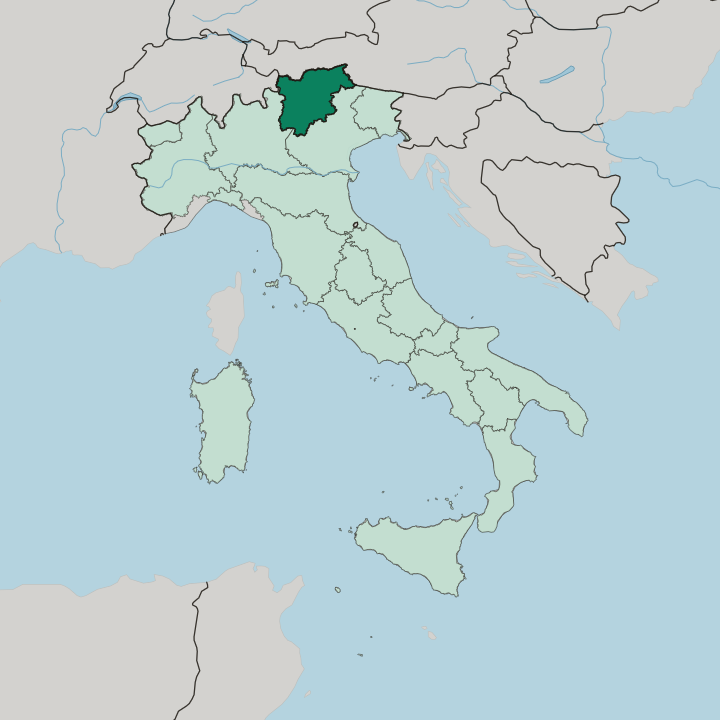
Trentino-Alto Adige is an autonomous region of northern Italy, split between German-speaking South Tyrol and Italian-speaking Trentino.
Hotel links are affiliate links: booking through them may earn us a commission, at no extra cost to you. It never affects how places are ranked. How this works


Towns & cities in Trentino-Alto Adige
Pick a town or city — each links to where to stay.

 Italy
Italy
Trento
Trento fills the Adige valley under Monte Bondone, capital of Trentino, known for Buonconsiglio Castle and the Council of Trent.Where to stay →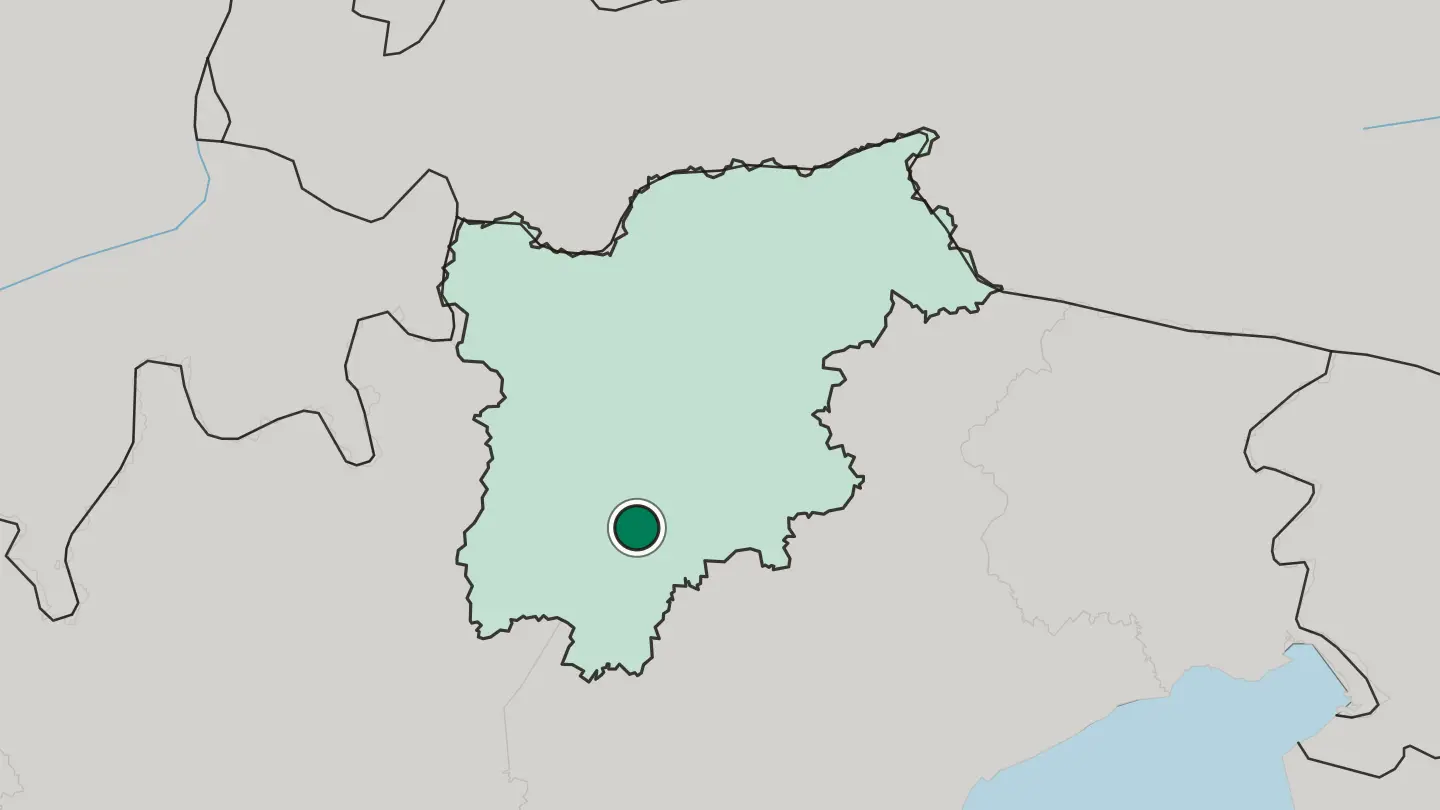
 Italy
Italy
Bolzano
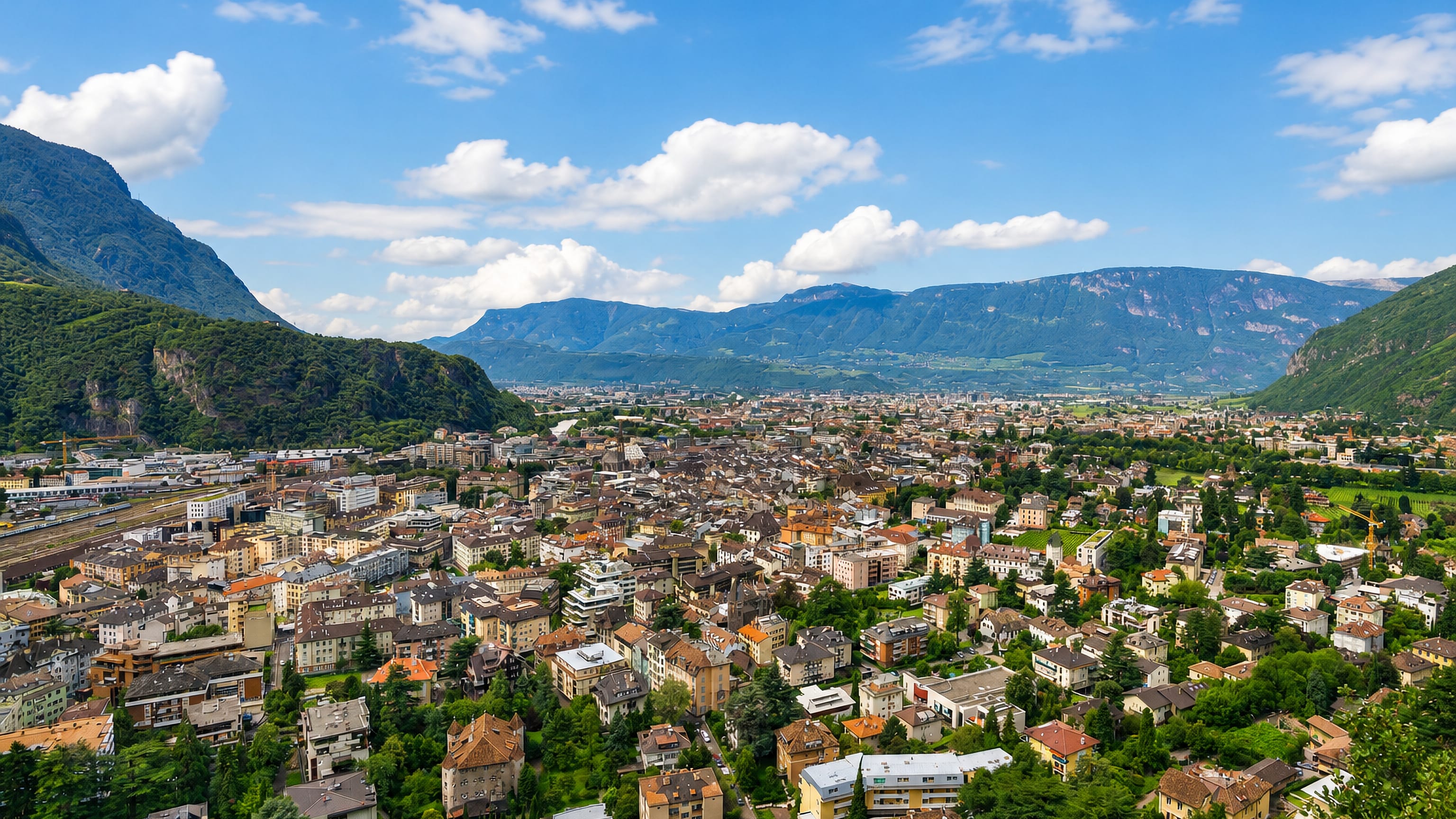
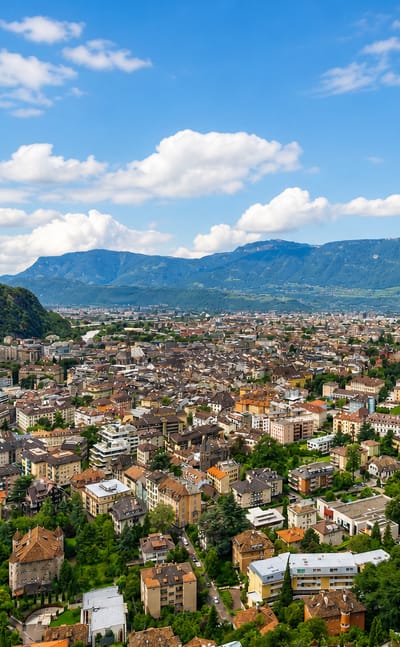
Bolzano is the main city of South Tyrol, the bilingual province of Trentino-Alto Adige in northern Italy.Where to stay →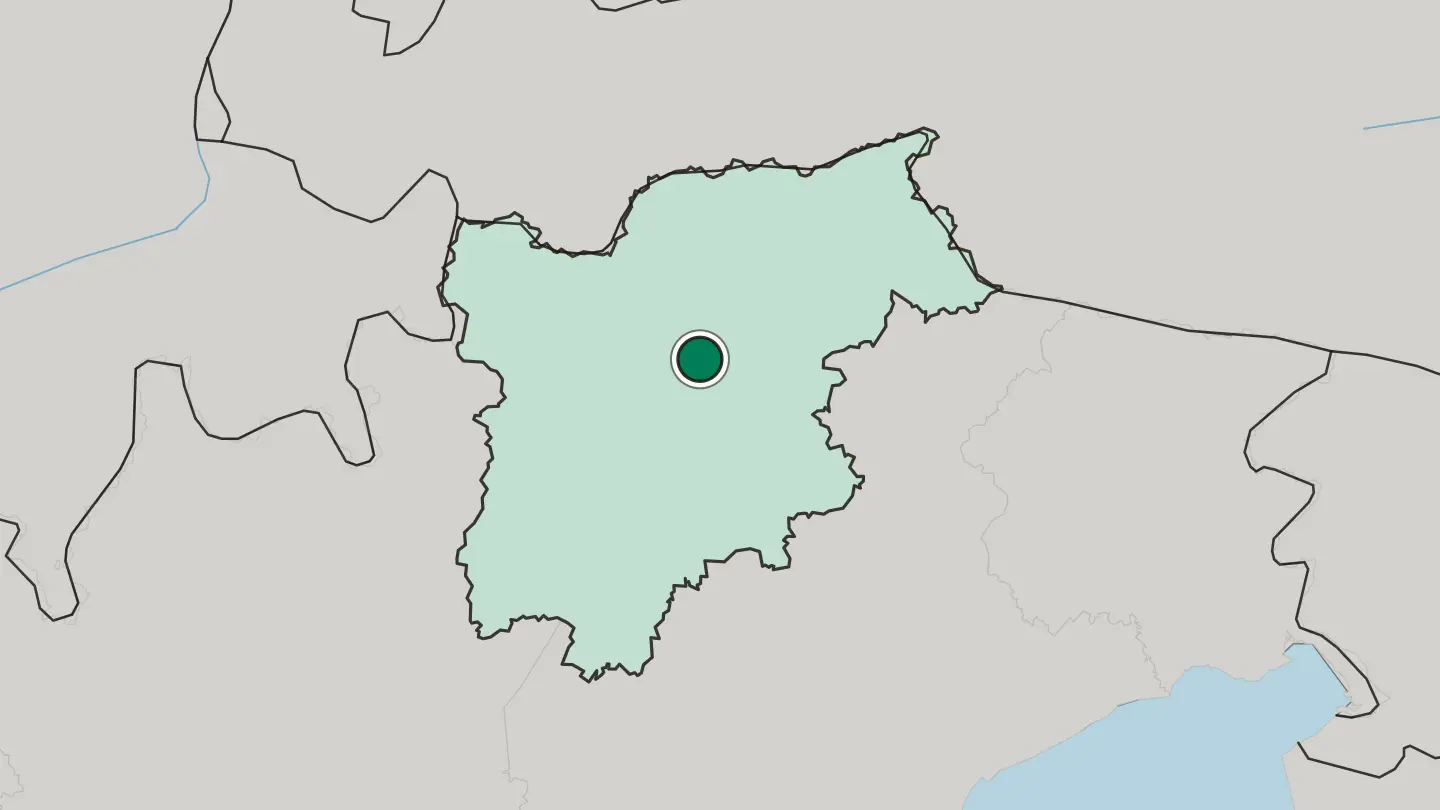
 Italy
Italy
Eppan
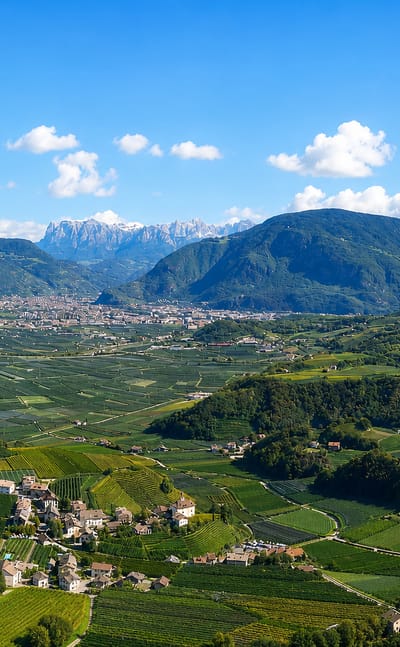
Eppan is a municipality in South Tyrol, Italy, southwest of Bolzano, at the centre of the region's largest wine-growing area and known for its castles.Where to stay →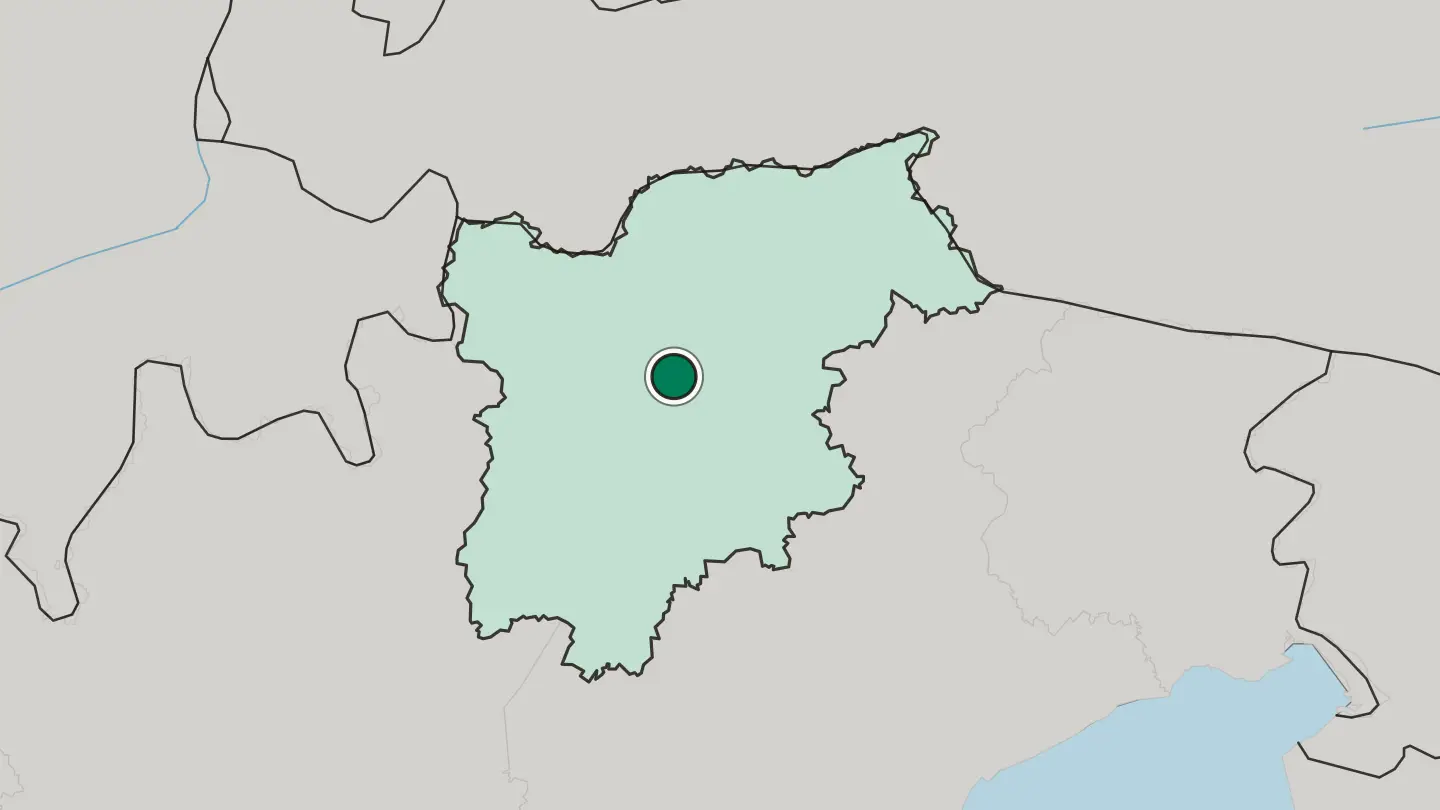
Hotel links are affiliate links: booking through them may earn us a commission, at no extra cost to you. It never affects how places are ranked. How this works
About Trentino-Alto Adige
Trentino-Alto Adige is known above all for its languages.
What is Trentino-Alto Adige known for?
The region pairs an Italian-speaking south, called Trentino, with a German-speaking north, called South Tyrol, where German remains the majority tongue and Italian shifts to a minority. Smaller communities speak Ladin, Mòcheno, and Cimbrian. This mix sits inside one of Italy's self-governing regions, where the province of Trento and the province of Bolzano each run their own affairs.
Two provinces, one region.
Where is Trentino-Alto Adige?
Trentino-Alto Adige sits at the northern edge of Italy. The region is split down the middle into two self-governing provinces, and that division is linguistic as well as administrative. Its south is the province of Trento, usually called Trentino, where most people speak Italian.
The north is the province of Bolzano, usually called South Tyrol, or Südtirol in German, and here German is the majority tongue while Italian falls to a minority. Neither half is sealed off from the other. Within the German-speaking north live significant Italian and Ladin minorities, and the Italian-speaking south keeps a small German minority of its own, so the linguistic border blurs rather than snaps.
Ladin holds on in scattered communities across the region. Two smaller tongues survive as well, Mòcheno and Cimbrian, carried by a handful of old settlements. These speech communities trace patterns of arrival and settlement far older than the present provinces, and older still than the modern borders.
Read this way, the map of Trentino-Alto Adige is drawn less by relief than by who speaks what, and where one language gives way to the next. Speech draws the internal lines.
What is Trentino-Alto Adige like?
Culture in Trentino-Alto Adige runs along its language lines. The north, South Tyrol, lives largely in German and looks to a South Tyrolean tradition, while the south, Trentino, lives in Italian, and the two ways of life sit side by side under one regional government. This is less a blended culture than a shared territory.
Each province keeps its own schools, customs, and public life. Since the 1970s each has run most of its own affairs, an autonomy that lets the German and Italian communities maintain parallel institutions rather than merge them. Politics here is built around that balance.
Beneath the two large language groups lie older ones. The Ladin people, spread thinly through the region, hold to a tongue and a folk tradition that predate both Italian and German rule, while a few small settlements still carry the Mòcheno and Cimbrian languages and the Germanic heritage behind them. Daily customs, food, and dialect change from one community to the next.
The signs say it plainly. Place names appear twice, once in Italian and once in German, and official business is conducted in both, so the bilingual sign has become the everyday emblem of Trentino-Alto Adige. Two languages govern, several endure.
What is the history of Trentino-Alto Adige?
The modern story of Trentino-Alto Adige is one of devolved power. Italy granted the region autonomy as the Regione Autonoma Trentino-Alto Adige, pairing an Italian-speaking south with a German-speaking north within one region. The arrangement did not hold still.
Since the 1970s, most legislative and administrative powers have passed from the region to its two provinces, Trento and Bolzano, so that each now governs the bulk of its own affairs. Power moved downward.
What is the climate of Trentino-Alto Adige?
Trentino-Alto Adige sits in the temperate band of northern Italy, and its weather shifts between the southern and northern provinces. Trentino, the southern province around Trento, generally runs milder than South Tyrol to the north. The north turns colder.
Across the region the seasons are sharply drawn, with warm summers and cold winters that arrive earlier and bite harder in the northern province of Bolzano than in the Italian-speaking south. Climate follows the north-south grain.
How do you get to Trentino-Alto Adige?
Most travellers reach Trentino-Alto Adige from the south, coming up through Italy. The main routes run north from the rest of Italy into the southern province of Trentino, where Trento is the first major stop, and continue north into South Tyrol toward Bolzano. Trento and Bolzano are the region's two arrival cities.
From either, the rest of the region opens up by road and rail. Two cities, two doorways into the north.
Common questions
What is the best area to stay in Trentino-Alto Adige?
Trentino and Trento: an Italian-speaking base in the region's southern province. South Tyrol and Bolzano: a German-speaking base in the region's northern province.
More regions in Italy
Updated October 2026