Italy · Umbria
Where to Stay in Terni, Umbria
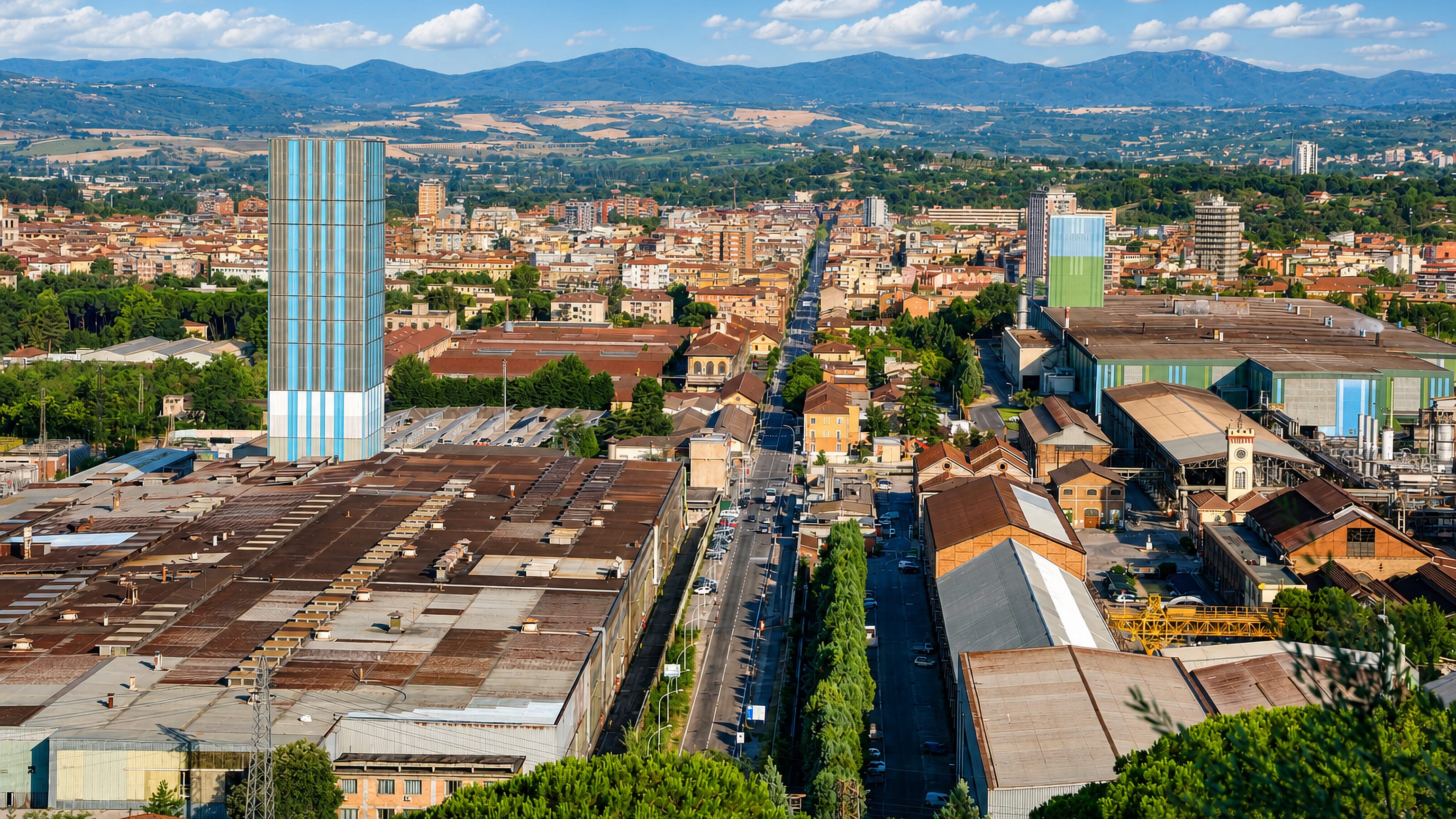
Terni is an industrial city of Umbria in the plain of the River Nera, capital of its province and once called the Manchester of Italy.
Hotel links are affiliate links: booking through them may earn us a commission, at no extra cost to you. It never affects how places are ranked. How this works


Where to stay in Terni
Where visitors usually base themselves, and why.
The war took much of old Terni, so the centre a visitor walks through is a rebuilt one, and the choice of where to sleep turns less on old streets than on what stands nearby. Rooms in the middle work best. Terni Cathedral, San Francesco, Torre Barbarasa and the Diocesan and Capitular Museum of Terni all sit within the same walk, and the Anfiteatro Fausto is part of the same short circuit.
Nothing there needs a car. The Nera gives the other option. Rooms toward the river put the Parco Fluviale del Nera within reach, which suits walkers and anyone who would rather end the day on the water than in the streets.
Industry still occupies a good deal of the plain, so the outer parts of Terni are working ground, and a room there is chosen for the road out toward Rome or Perugia rather than for the view. The Caos Museum and the Museo del motorismo ternano are worth the detour either way. Terni is the capital of its province, so rooms are easier to find here than in the smaller towns of the Nera valley, and a bed at short notice is rarely a problem.
Find hotels in Terni
Direct booking searches for these neighbourhoods.
The rebuilt centre
Terni Cathedral, San Francesco and Torre Barbarasa stand inside these few streetsFind hotels in The rebuilt centreDays spent in the Parco Fluviale del NeraToward the Nera
The River Nera and its protected river park run along this side of the city. Few places to stay nearby — book ahead.Find hotels in Toward the NeraDrivers taking the road on to Rome or PerugiaThe outer plain
Working ground beyond the centre, with the Caos Museum and the Museo del motorismo ternano out this wayFind hotels in The outer plainHotel links are affiliate links: booking through them may earn us a commission, at no extra cost to you. It never affects how places are ranked. How this works
Things to do in Terni
Ranked by global recognition; descriptions from Wikidata (CC0).
Museums & Galleries
5- Museo archeologico di Terni Heritage
- Diocesan and Capitular Museum of Terni Heritage
- San Tommaso Heritage
- Caos Museum of Contemporary and Modern Art "Aurelio De Felice" Heritage
- Museo delle armi Heritage
Churches & Religious Sites
3- San Francesco, Terni Heritage
- chiesa di Santa Maria delle Grazie Heritage
- San Valentino
Castles & Historic Sites
2- Anfiteatro Fausto Heritage
- Interamna Nahars
Stadiums & Sports
1- PalaDiVittorio
Landmarks & Notable Places
1- Torre Barbarasa Heritage
worth knowingacross 5 categories in Terni
About Terni
This is a working city.
What is Terni known for?
The nineteenth century turned Terni into an industrial town, known then as the Manchester of Italy, and the factories drew heavy Allied bombing during the Second World War. What survived is worth finding. Terni Cathedral, San Francesco, Sant'Alò and the Anfiteatro Fausto stand among the rebuilt streets, and the Museo archeologico di Terni keeps the older record of Interamna Nahars.
What are the main landmarks in Terni?
Terni Cathedral anchors the centre. San Francesco, San Valentino, Sant'Alò, San Tommaso and the chiesa di Santa Maria delle Grazie make up the rest of the church list, and Torre Barbarasa stands among them. Rome left an amphitheatre.
The Anfiteatro Fausto and the Museo archeologico di Terni cover the ancient city of Interamna Nahars, while the Caos Museum, the Museo delle armi and the Museo del motorismo ternano take up much later subjects.
What is the history of Terni?
The city began as Interamna Nahars. That ancient town left the Anfiteatro Fausto and the material held in the Museo archeologico di Terni, and the plain of the River Nera has carried settlement ever since. The church came next.
Terni Cathedral, San Francesco, Sant'Alò and San Valentino belong to the long medieval and later centuries, and Torre Barbarasa survives from the same period of building in stone. The nineteenth century changed the place completely. Factories made Terni an industrial town and earned it the name Manchester of Italy, which fixed its character for the century that followed and set it apart from the rest of Umbria.
War followed industry. Allied bombing during the Second World War fell heavily on the works and the streets around them, and much of what stands in the centre was put up afterwards rather than before. The Caos Museum, the Museo delle armi and the Museo del motorismo ternano belong to the modern city, and the Diocesan and Capitular Museum of Terni holds what came before it.
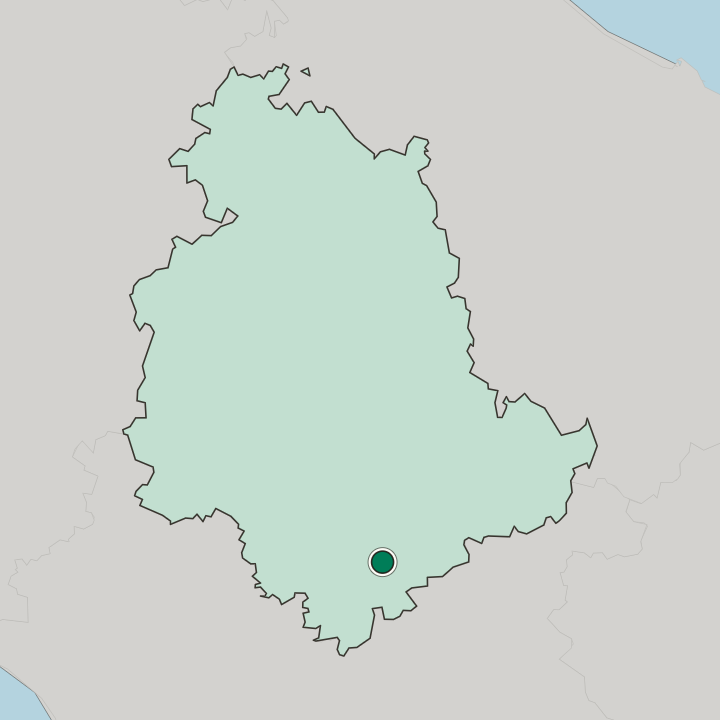
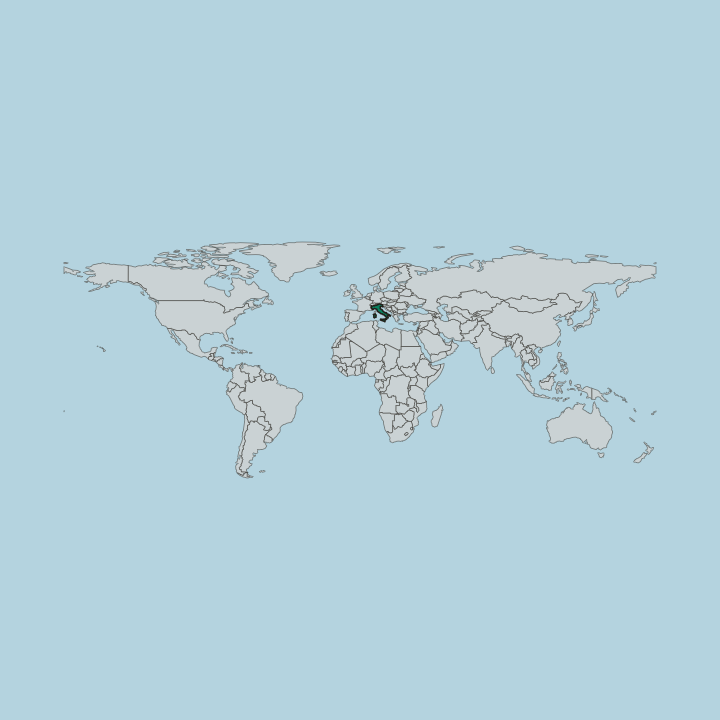
Terni is the capital of the province of Terni, near the border with Lazio.
Where is Terni?
The River Nera runs through the plain here. Terni occupies that flat ground, with the province of Terni around it and the border with Lazio close by. The plain is wide here.
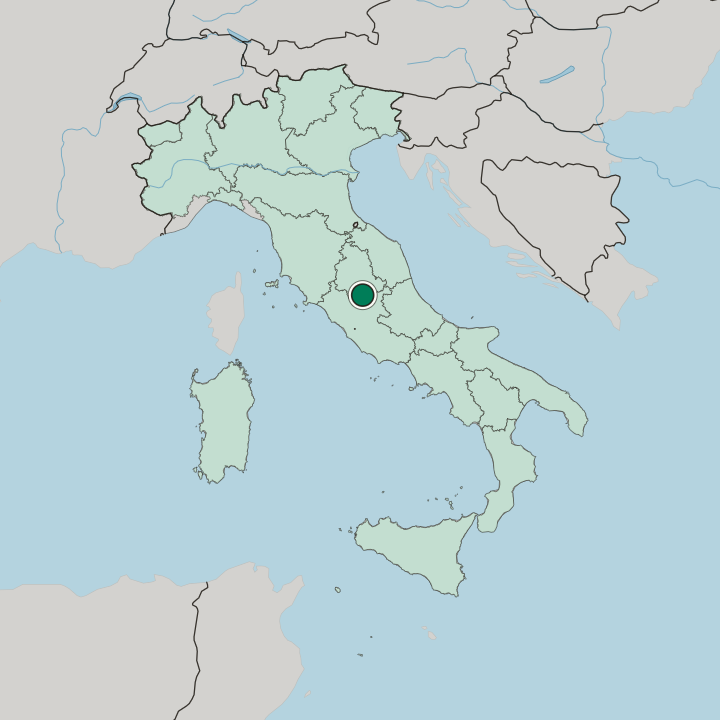
The city stands north-east of Rome and south of Perugia, and the Parco Fluviale del Nera follows the water out of the built-up ground toward the country beyond.
What is the climate of Terni?
The Nera plain holds the weather in. Summer heat settles over the flat ground and stays there, so afternoons in Terni ask for shade rather than walking, and the museums fill the worst of the hours. Winters are cooler than on the coast.
Damp comes up off the River Nera in the cold months, which is when the Caos Museum and the Museo archeologico di Terni make better use of a day than the Parco Fluviale del Nera does.
How do you get to Terni?
Rome is the usual starting point. Terni lies north-east of the capital and south of Perugia, so the approach is a short one from either direction and most visitors arrive as part of a longer run through Umbria. Lazio begins just down the road.
Inside the city the centre is compact enough to cross on foot, and Terni Cathedral, Torre Barbarasa and the Anfiteatro Fausto are all inside that circle, with the Parco Fluviale del Nera beyond it.
Common questions
What is the best area to stay in Terni?
The rebuilt centre: Walkers who want Terni Cathedral at the end of the street. Toward the Nera: Days spent in the Parco Fluviale del Nera. The outer plain: Drivers taking the road on to Rome or Perugia.
Good for
More cities in Umbria
Updated October 2026