Italy · Umbria
Where to Stay in Foligno, Umbria
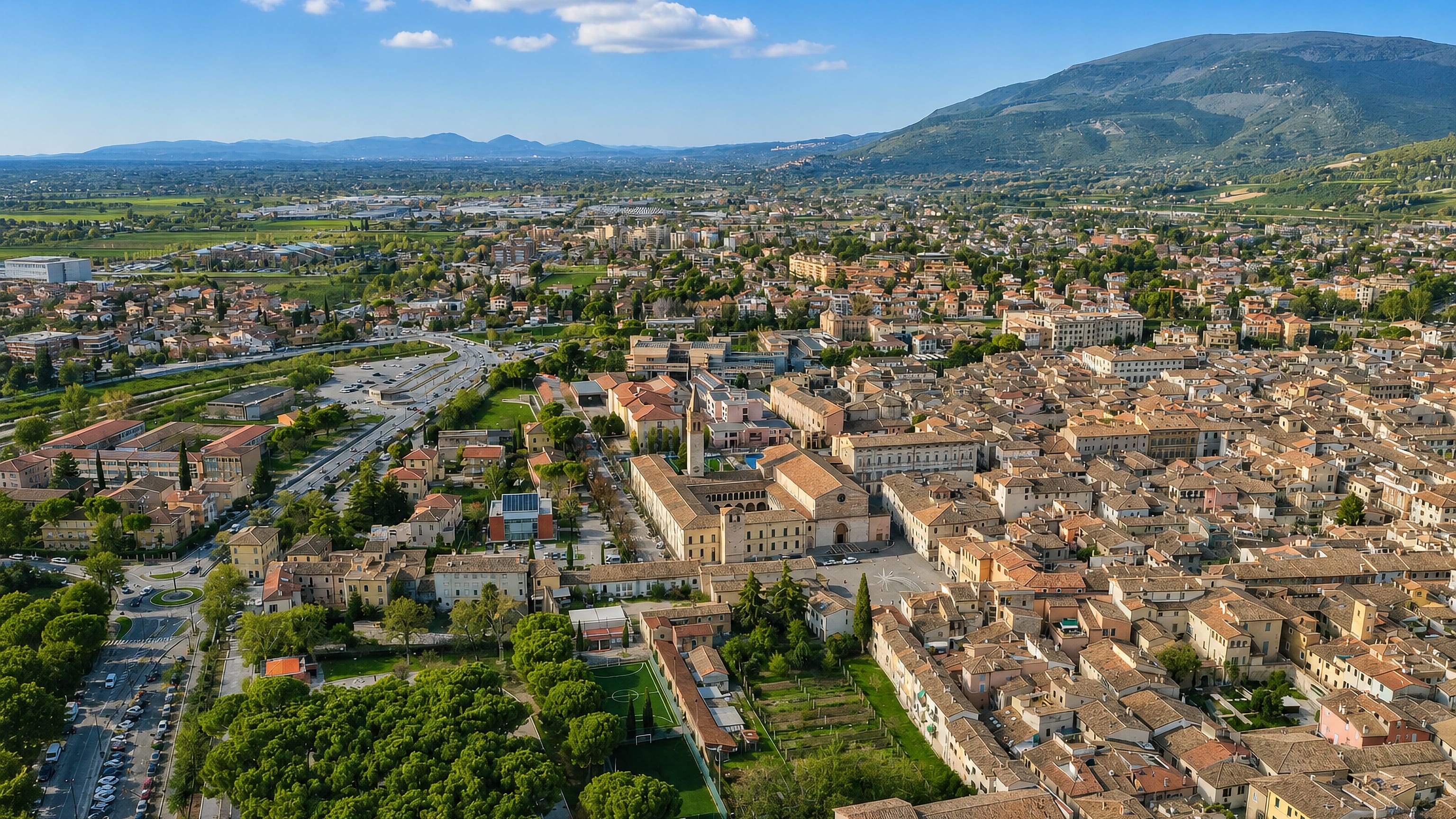
Foligno is an Umbrian town on the Topino, where the river leaves the Apennines for the plain, with Palazzo Trinci at its centre.
Hotel links are affiliate links: booking through them may earn us a commission, at no extra cost to you. It never affects how places are ranked. How this works


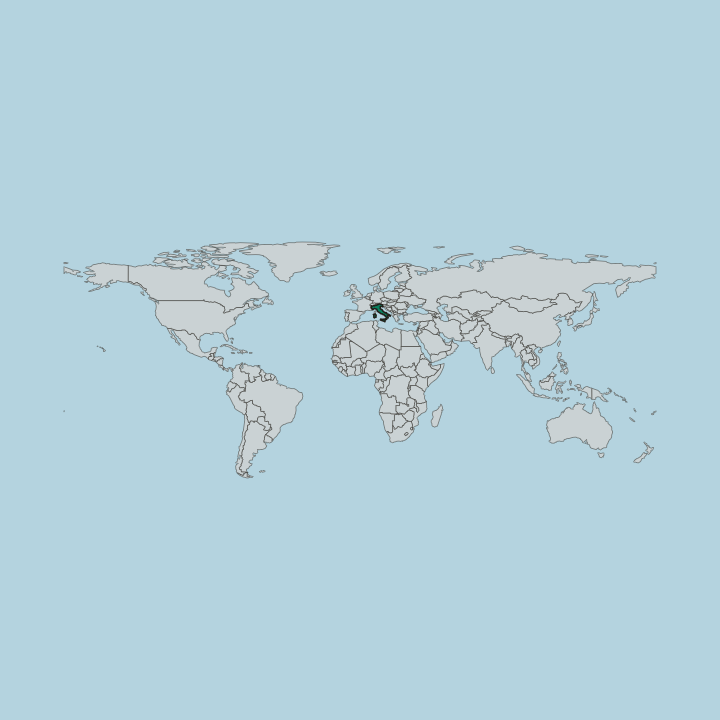
Where to stay in Foligno
The practical side of choosing where to sleep.
The centre is small and flat. Rooms inside it put the Museo di Palazzo Trinci, the Pinacoteca civica and Foligno Cathedral within a few minutes of the door, which is the whole argument for staying in the old streets rather than out by the road. Santa Maria Infraportas belongs to the same handful of streets.
Anyone using Foligno as a base for Umbria gains most from a central room, since the town is an important rail centre and the connections are the reason to be here at all. Outside the centre the town spreads out across the flat ground. The castle of Sant'Eraclio stands out that way, and rooms on that side suit drivers heading for Perugia, Spello or Trevi more than walkers who want the centre.
Parking is simpler out there. Industry has a real presence in Foligno, so the outskirts are working ground rather than scenery, and the compensation is space, a quiet night and an easy start on the road. The Topino runs through both halves, and the Apennines close the view on one side while the plain of the Clitunno opens on the other.
Find hotels in Foligno
Direct booking searches for these neighbourhoods.
The old streets around Palazzo Trinci
Foligno Cathedral and Santa Maria Infraportas stand within the same few streetsFind hotels in The old streets around Palazzo TrinciTravellers changing trains on their way across UmbriaBy the rail junction
The junction that makes Foligno an important rail centre for the regionFind hotels in By the rail junctionDrivers running out to Perugia, Spello or TreviOut toward Sant'Eraclio
Flat ground near the castle of Sant'Eraclio, with room to leave a car. Lodging is scarce in this area; reserve in advance.Find hotels in Out toward Sant'EraclioHotel links are affiliate links: booking through them may earn us a commission, at no extra cost to you. It never affects how places are ranked. How this works
Things to do in Foligno
Ranked by global recognition; descriptions from Wikidata (CC0).
Museums & Galleries
3- Pinacoteca civica Heritage
- Diocesan Capitular Museum of Foligno Heritage
- Museo di Palazzo Trinci Heritage
Churches & Religious Sites
8- Foligno Cathedral Heritage
- Santa Maria Infraportas Heritage
- church of Sant'Agostino Heritage
- Church of San Giacomo Heritage
- San Niccolò Heritage
Show 3 more →
- San Bartolomeo Heritage
- Sant'Anna Heritage
- chiesa di San Giovanni Battista Heritage
Castles & Historic Sites
2- castle of Sant'Eraclio Heritage
- palazzo delle Canoniche - Vescovado
Stadiums & Sports
1- PalaPaternesi
worth knowingacross 4 categories in Foligno
About Foligno
Foligno works as a rail centre for Umbria.
What is Foligno known for?
That gives the town a different character from its neighbours, since it sits on the plain where the Topino comes out of the Apennines and the lines meet. Palazzo Trinci holds the art. The Museo di Palazzo Trinci and the Pinacoteca civica keep the painting, while Santa Maria Infraportas and Foligno Cathedral hold the older fabric of the centre.
What are the main landmarks in Foligno?
Ecclesiastical buildings dominate the list. Foligno Cathedral, Santa Maria Infraportas, the Church of San Giacomo, the church of Sant'Agostino and San Niccolò are the ones that matter, and the Oratorio della Nunziatella and the Oratory of the Crucifix add two smaller ones. Secular building runs second.
The Museo di Palazzo Trinci and the Pinacoteca civica hold the paintings, the Diocesan Capitular Museum of Foligno holds what the church kept, and the Centro italiano d'arte contemporanea works at the other end of the calendar. The castle of Sant'Eraclio lies outside the centre.
What is the history of Foligno?
Foligno is an ancient town. Its position accounts for that, on the Topino where the river leaves the Apennines and the plain of the Clitunno river system opens out, and routes have run through the gap for as long as records exist. Foligno stands south-east of Perugia, north-north-west of Trevi and south of Spello.
The diocese came early. Foligno Cathedral and the palazzo delle Canoniche - Vescovado belong to that church, and Santa Maria Infraportas, San Niccolò and San Bartolomeo carry the same long record in stone. Palazzo Trinci carries a family name.
The Museo di Palazzo Trinci occupies the building, and the paintings gathered there, with those in the Pinacoteca civica and the Diocesan Capitular Museum of Foligno, are what those centuries left behind. The castle of Sant'Eraclio held ground outside the town. Railways changed the balance later, and Foligno grew into an important rail centre and one of the more industrialized towns of Umbria, which set it apart from the smaller places of the province of Perugia around it.
The Centro italiano d'arte contemporanea is the newest layer of that record.
Where is Foligno?
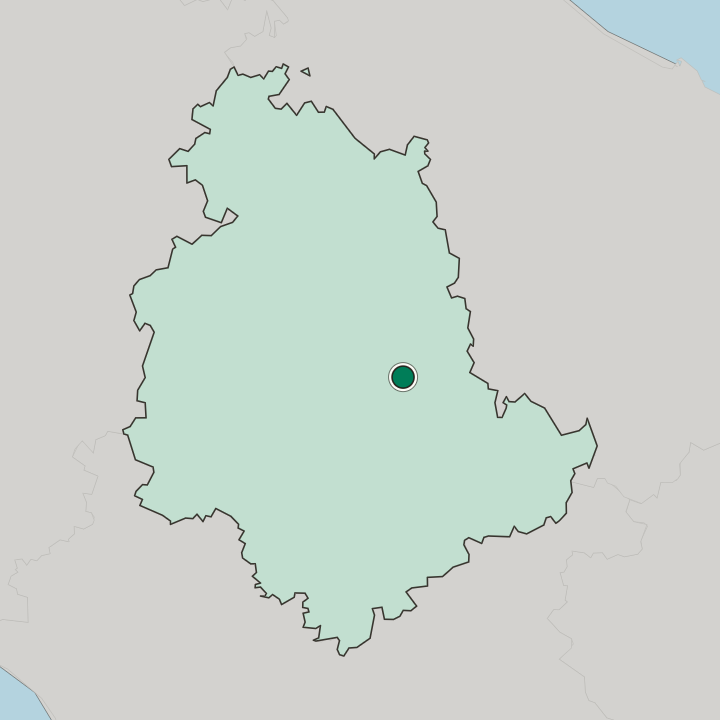
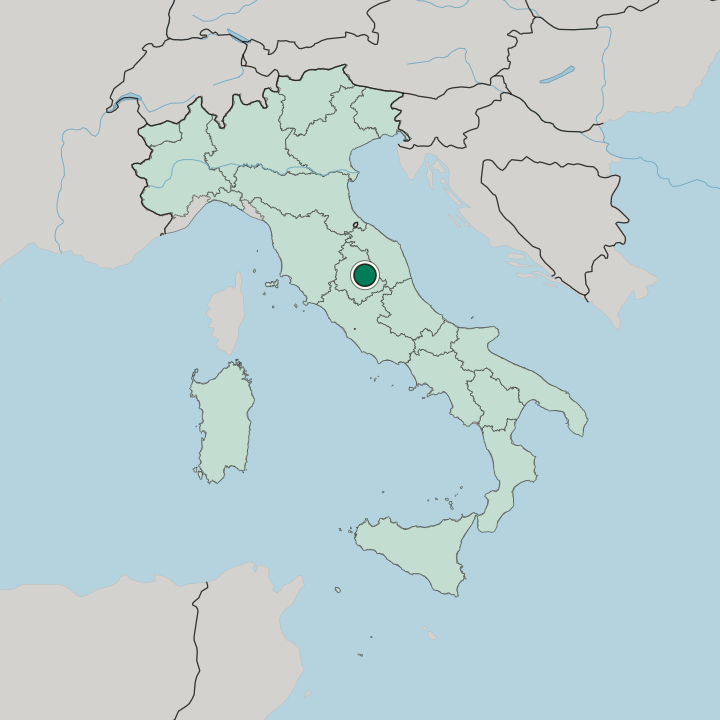
The Topino comes out of the Apennines here. Foligno sits where the river reaches the wide plain of the Clitunno river system, which gives the town flat ground on one side and mountains on the other. Umbria surrounds it.
The province of Perugia holds the town, with Spello and Trevi within a short drive and Perugia itself further off across the countryside.
What is the climate of Foligno?
The Apennines set the terms. Cold air comes off the mountains in winter and settles on the plain of the Clitunno, so Foligno runs sharper at both ends of the year than the coast of Italy does. Summer sits heavy on the flat.
Shade in the streets around Foligno Cathedral and an hour in the Museo di Palazzo Trinci are the usual answers to the middle of a hot afternoon.
How do you get to Foligno?
Foligno is an important rail centre. Trains are the natural way in, and the junction ties Foligno into the network that serves Umbria. Roads follow the same plain.
Drivers come along the valley from Perugia, Spello and Trevi, and the last part of the approach crosses the flat ground where the Topino runs. Inside Foligno the centre is small enough to walk, and Foligno Cathedral, the Museo di Palazzo Trinci and Santa Maria Infraportas are all within it.
Common questions
What is the best area to stay in Foligno?
The old streets around Palazzo Trinci: Visits built around the Museo di Palazzo Trinci and the Pinacoteca civica. By the rail junction: Travellers changing trains on their way across Umbria. Out toward Sant'Eraclio: Drivers running out to Perugia, Spello or Trevi.
Good for
More cities in Umbria
Updated October 2026