Italy · Umbria
Where to Stay in Perugia, Umbria
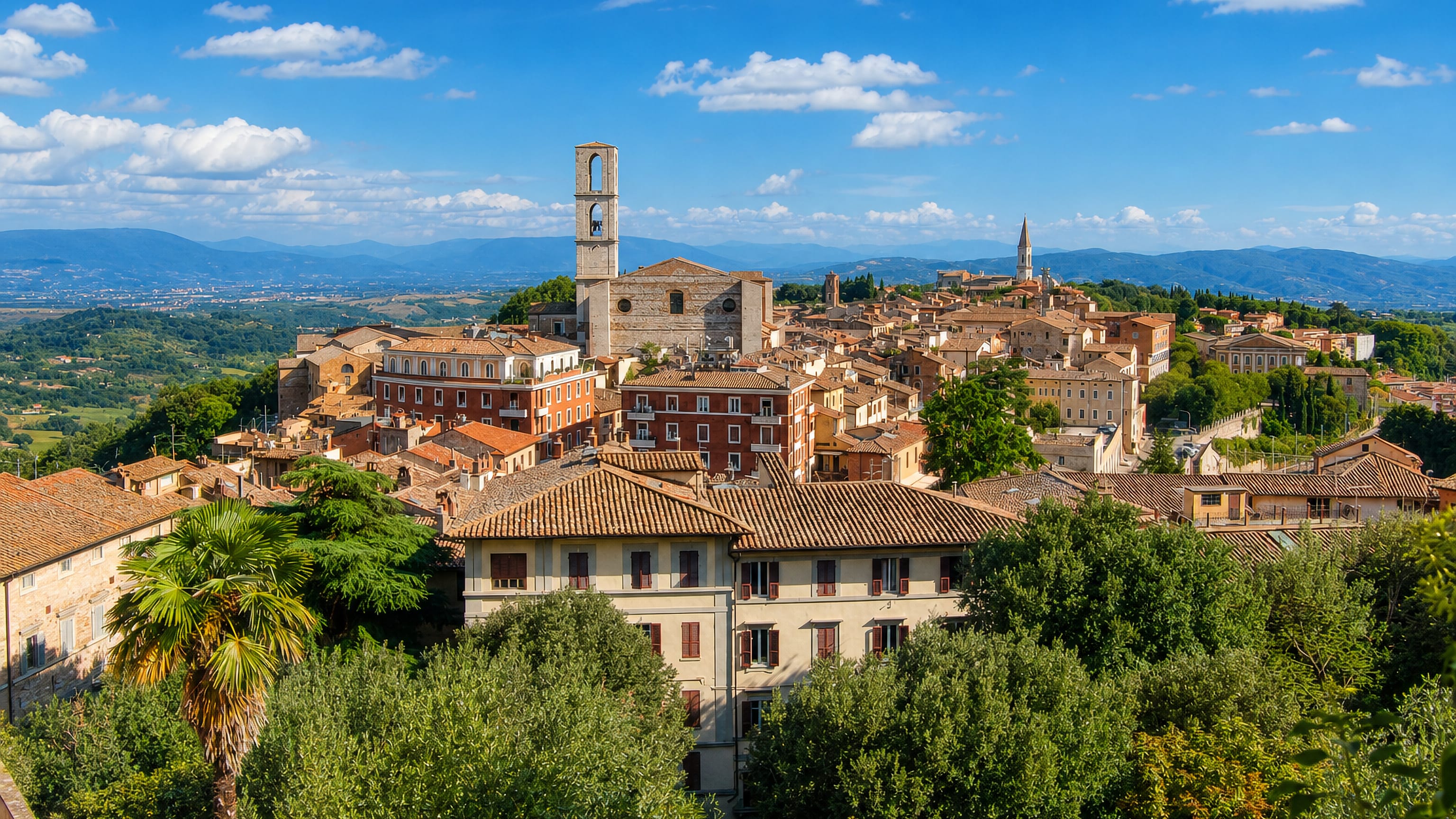
Perugia holds a ridge above the Tiber valley in Umbria, an Etruscan hill capital, known for the Fontana Maggiore and the Rocca Paolina.
Hotel links are affiliate links: booking through them may earn us a commission, at no extra cost to you. It never affects how places are ranked. How this works


Where to stay in Perugia
Where the beds are, and what that means for the visit.
Perugia sits on top of a ridge, and everything below it is a different trip. The centro storico runs along Corso Vannucci from Piazza IV Novembre to the Giardini Carducci, and a room up there means the Fontana Maggiore, the National Gallery of Umbria and the evening walk are all outside the door. Cars cannot follow you up.
Escalators run from the Piazza Partigiani car parks through the tunnels of the Rocca Paolina, which is the standard way in and out with luggage. The old town is compact enough that the address inside it matters less than the floor you get. Below the walls the choices change.
Borgo XX Giugno keeps quieter guesthouses inside Porta San Pietro, Porta Sant'Angelo holds the student streets around the round temple at the northern tip, and Monteluce has the hospital quarter and easier parking. Fontivegge, down at the station, is plain but practical, and it suits you if an early train matters more than a view of the valley at breakfast. The MiniMetrò links it to the ridge.
Farmhouses fill the hills toward Assisi and Torgiano.
Find hotels in Perugia
Direct booking searches for these neighbourhoods.
Centro storico
Up on the crest between Piazza IV Novembre and the Giardini Carducci, reached by escalator rather than by carFind hotels in Centro storicoQuieter guesthouses inside Porta San PietroBorgo XX Giugno
The southern spur below the old walls, still an uphill walk from Corso VannucciFind hotels in Borgo XX GiugnoStudent streets and the round temple at the north endPorta Sant'Angelo
The northern spur of the ridge, gathered around the fifth-century temple of Sant'AngeloFind hotels in Porta Sant'AngeloEarly trains and a car you can actually parkFontivegge
The lower quarter beside Perugia Fontivegge station, joined to the ridge by the MiniMetròFind hotels in FontiveggeHotel links are affiliate links: booking through them may earn us a commission, at no extra cost to you. It never affects how places are ranked. How this works
Things to do in Perugia
Ranked by global recognition; descriptions from Wikidata (CC0).
Museums & Galleries
3- National Gallery of Umbria Heritage
- Museo archeologico nazionale dell'Umbria Heritage
- Collegio del Cambio
Churches & Religious Sites
8- Perugia Cathedral Heritage
- San Domenico Heritage
- San Severo Chapel Heritage
- San Francesco al Prato church Heritage
- Sant'Ercolano Heritage
Show 3 more →
- Church of St. Augustine Heritage
- Santa Maria di Monteluce Heritage
- San Severo Heritage
Castles & Historic Sites
3- Rocca Paolina Heritage
- Cippus Perusinus
- Perusia
Stadiums & Sports
1- PalaEvangelisti
Landmarks & Notable Places
1- Torre degli Sciri Heritage
worth knowingacross 5 categories in Perugia
About Perugia
What is Perugia known for?
Perugia is the capital of Umbria and an Etruscan city that never came down off its hill. The Fontana Maggiore stands where the Etruscan gate roads met, carved by Nicola and Giovanni Pisano, and Perugino left his own frescoes and his own face in the Collegio del Cambio a few doors along Corso Vannucci. Students fill the bars in term.
Chocolate is made here, jazz takes over the squares in summer, and the Rocca Paolina hides a whole medieval street inside a papal fortress.
What are the main landmarks in Perugia?
Perugia stacks its landmarks on one square. Piazza IV Novembre holds the Fontana Maggiore between Perugia Cathedral and the Palazzo dei Priori, and the National Gallery of Umbria fills the upper floors of that palace with Umbrian painting from Duccio to Perugino. The Etruscans left the foundations.
The Pozzo Etrusco drops a stone shaft under the streets, the Arco Etrusco still carries a Roman inscription over an Etruscan gate, and the Hypogeum of the Volumnus family lies out under the valley at Ponte San Giovanni.
What is the history of Perugia?
Perugia was Perusia, one of the twelve cities of the Etruscan league, walled on its ridge long before Rome mattered. Octavian starved the city out in a winter siege that ended the Etruscan town. The town was burned and then rebuilt under a new name, and the Arco Etrusco still carries the Augustan inscription cut above the Etruscan stones.
The commune fought everyone within reach: Assisi, Foligno, Siena, and its own families in the streets below the cathedral. Flagellants set out from here in 1260, walking across Europe, and the Baglioni ran the place by force until the papacy tired of them. Paul III settled it with a fortress.
After the salt war of 1540 the pope had the Baglioni quarter buried under the Rocca Paolina, streets, houses and all, so that the city walked over its own defeat for three hundred years. The Italians pulled it down in 1860. What is left underground became a passage of shops and escalators, and the university, the chocolate works and the jazz festival gave the modern city the rest of its living.
Where is Perugia?
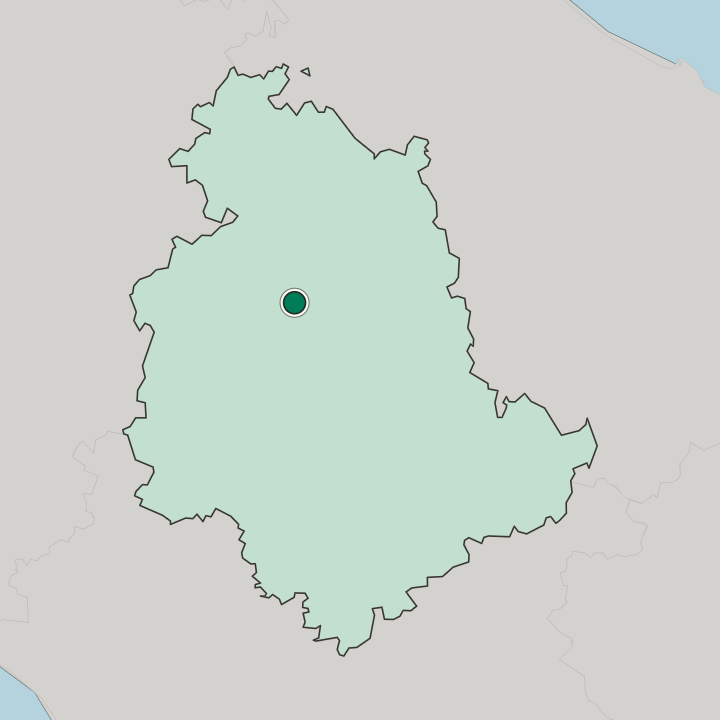
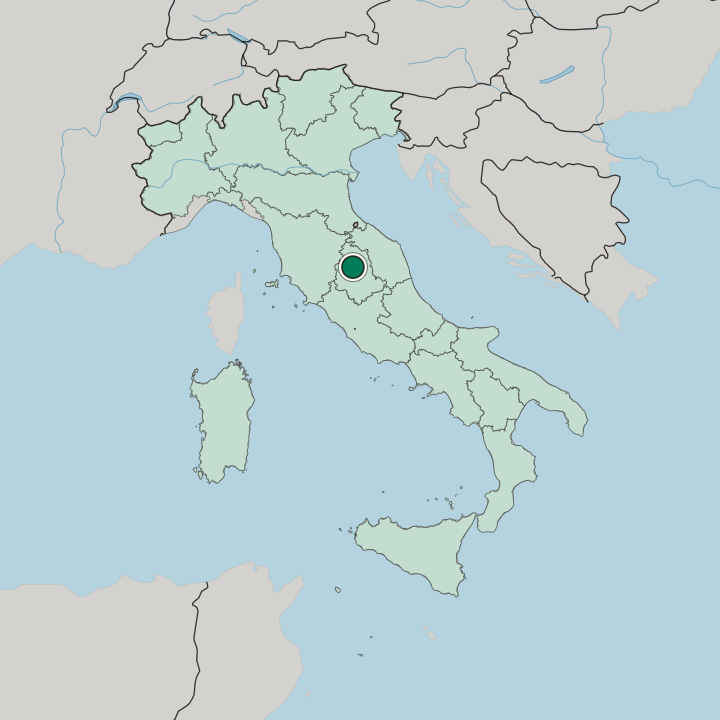
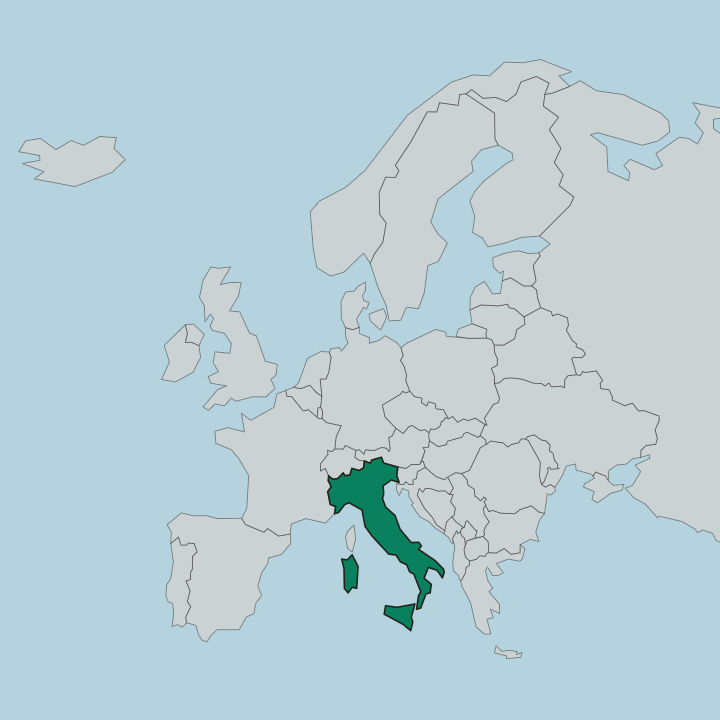
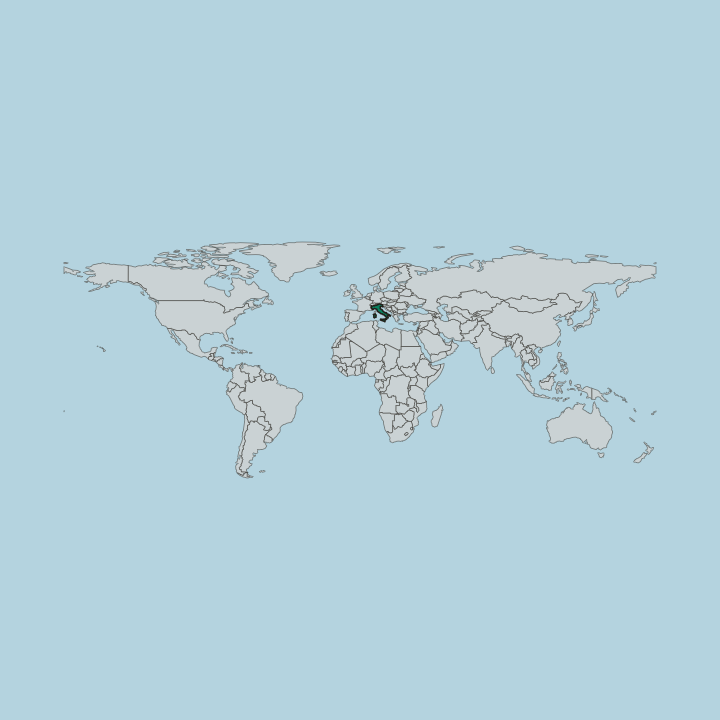
Perugia stands on a ridge above the Tiber valley in central Italy. The old town runs along the crest in five spurs, one for each medieval gate, which is why the streets fall away so steeply on both sides. Lake Trasimeno lies west.
Assisi and Monte Subasio face the city across the plain to the east, the Apennines close the horizon beyond them, and olive terraces and vineyards cover the slopes between. The Tiber runs south to Rome.
What is the climate of Perugia?
Perugia is cooler than the valley under it. Height does the work: summer afternoons that turn heavy down by the Tiber stay bearable on the ridge, and the evening breeze along Corso Vannucci is the reason the whole city walks at dusk. Winter is cold and wet.
Fog settles in the basin below and leaves the old town standing above it in clear air, and snow falls on the ridge most winters. Lake Trasimeno softens the west.
How do you get to Perugia?
Perugia keeps its station at the bottom of the hill. Regional trains from Florence and Rome call at Perugia Fontivegge on the Terontola-Foligno line, and the Ferrovia Centrale Umbra runs north to Sansepolcro and south toward Terni. The MiniMetrò climbs from there.
San Francesco d'Assisi airport lies east at Sant'Egidio, the E45 runs up the Tiber valley from Orte toward Cesena, and the Rocca Paolina escalators finish the trip on foot. Assisi lies across the plain.
Common questions
What is the best area to stay in Perugia?
Centro storico: Evenings on Corso Vannucci with the Fontana Maggiore at the end of it. Borgo XX Giugno: Quieter guesthouses inside Porta San Pietro. Porta Sant'Angelo: Student streets and the round temple at the north end. Fontivegge: Early trains and a car you can actually park.
Good for
More cities in Umbria
Updated October 2026