Japan · Akita
Where to Stay in Daisen, Akita
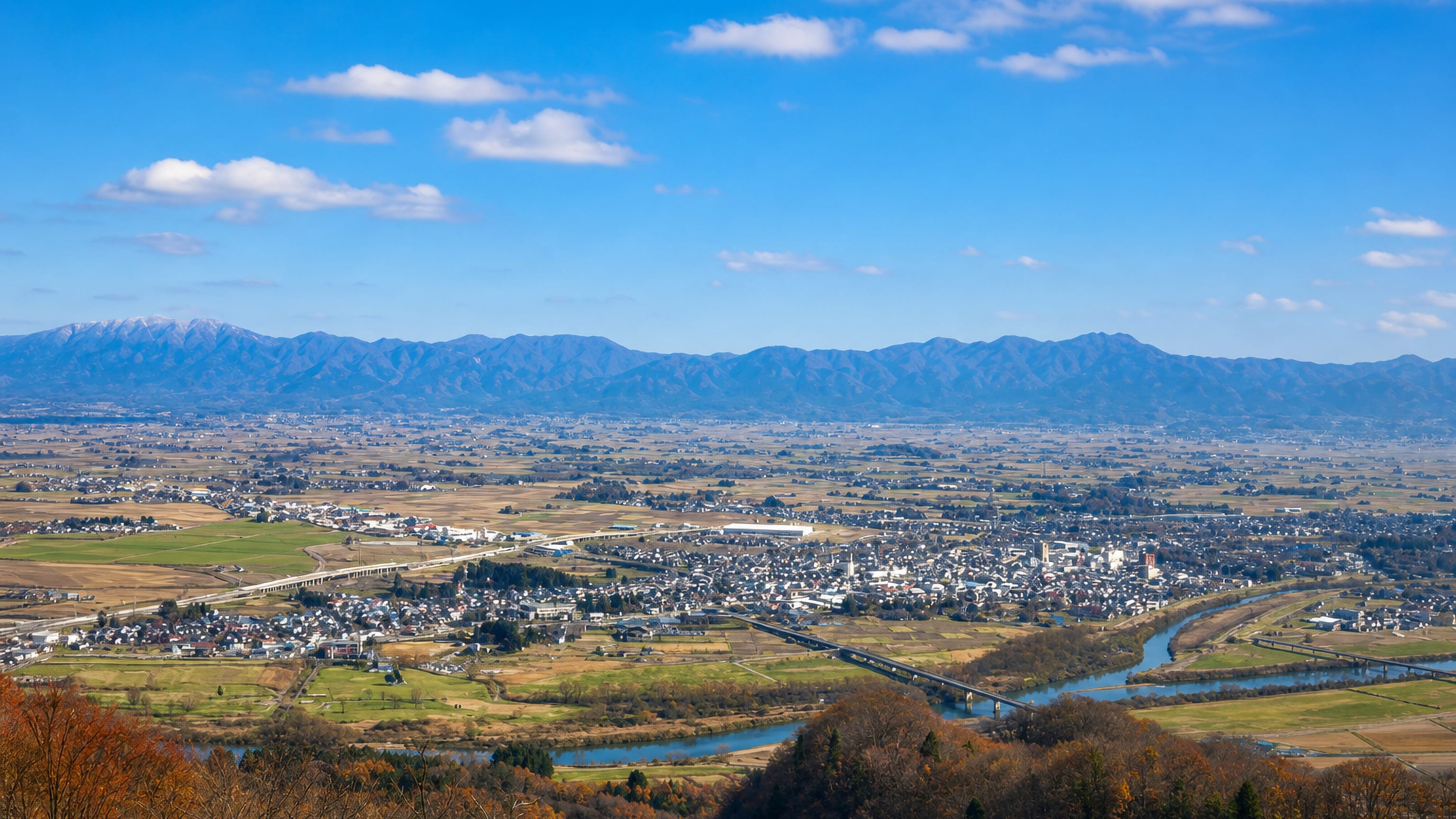
Fireworks define Daisen. The National Fireworks Competition draws crowds to this Akita city each August, and Hotta-no-saku holds its older ground.
Hotel links are affiliate links: booking through them may earn us a commission, at no extra cost to you. It never affects how places are ranked. How this works


Where to stay in Daisen
How the choice of base plays out on the ground.
August rewrites the arithmetic. On competition nights the National Fireworks Competition turns a wide, quiet city into somewhere a room is worth more than any amount of convenience the rest of the year can offer. Daisen is enormous.
The merger of 2005 folded eight municipalities of the Omagari Semboku region into one boundary, so two addresses inside the same city can be the better part of an hour apart. Plan around that. Outside August the choice softens.
Hotta-no-saku and the Former Ikeda Family Gardens make one kind of day, and the Akita Prefectural Museum of Agricultural Science and former Hongo Family Residence make another, but none of them fills a stay on its own. A car is close to essential. Distances here are the real constraint, and a room chosen for the road out of Omagari will serve better than one chosen for a street name.
The Hanabi Tradition and Culture Preservation Museum is the one address that works in any season, since it explains the thing Daisen is known for without requiring the sky to cooperate. Mirror Engraved with Images of the Thousand-Armed Kannon belongs to a different register again. Akita Prefecture surrounds all of it.
Find hotels in Daisen
Direct booking searches for these neighbourhoods.
Close to the competition ground
The National Fireworks Competition fills Daisen for a few nights, and a room booked for it is chosen for the walk home rather than for anything else on the register.Find hotels in Close to the competition groundA base among the merged Omagari Semboku townsThe Omagari side
Omagari is one of the eight municipalities the 2005 merger folded into Daisen, and a room there sits nearer the city's working middle than its outer edges.Find hotels in The Omagari sideHotta-no-saku paired with the Former Ikeda Family GardensToward Hotta-no-saku
Hotta-no-saku and the Former Ikeda Family Gardens are the two historic entries on Daisen's register, and a stay pointed that way reaches both without crossing the whole municipality. Rooms are few around here — worth securing early.Find hotels in Toward Hotta-no-sakuHotel links are affiliate links: booking through them may earn us a commission, at no extra cost to you. It never affects how places are ranked. How this works
About Daisen
Fireworks come before everything else here.
What is Daisen known for?
The National Fireworks Competition is held in Daisen every August, and the Hanabi Tradition and Culture Preservation Museum exists to keep that craft legible outside the few nights when the sky is doing the explaining. Other entries are quieter. Hotta-no-saku and the Former Ikeda Family Gardens sit at the historic end, while the Akita Prefectural Museum of Agricultural Science covers the working landscape that surrounds them.
What are the main landmarks in Daisen?
Hotta-no-saku is the oldest thing on the list. The Former Ikeda Family Gardens and former Hongo Family Residence stand for the built and planted record, while the Akita Prefectural Museum of Agricultural Science takes the land itself as its subject. Mirror Engraved with Images of the Thousand-Armed Kannon is smaller than any of them.
The Hanabi Tradition and Culture Preservation Museum closes the register, and it is the entry that connects the rest of Daisen to the National Fireworks Competition.
What is the history of Daisen?
Daisen is a merger, not a growth. The city was created in 2005 when eight municipalities of the Omagari Semboku region were combined under a single name, which is why its register reads like several places' worth of heritage rather than one town's. Hotta-no-saku predates all of that.
It is the oldest name the list carries, and nothing else recorded inside the modern boundary reaches back nearly as far. Eight names became one. Families left the middle layer.
The Former Ikeda Family Gardens and former Hongo Family Residence both carry household names into the record, and a register built that way tells more about landholding than about any single event. Mirror Engraved with Images of the Thousand-Armed Kannon sits apart from them. It is an object rather than a place, and objects survive mergers more easily than the municipalities that once held them.
Fireworks are the newest tradition on the list, and the National Fireworks Competition has given Daisen an identity that eight separate town names never could. The Hanabi Tradition and Culture Preservation Museum was built to hold that. Akita Prefecture keeps the wider frame around a city whose own story is younger than most of what it holds.
Where is Daisen?
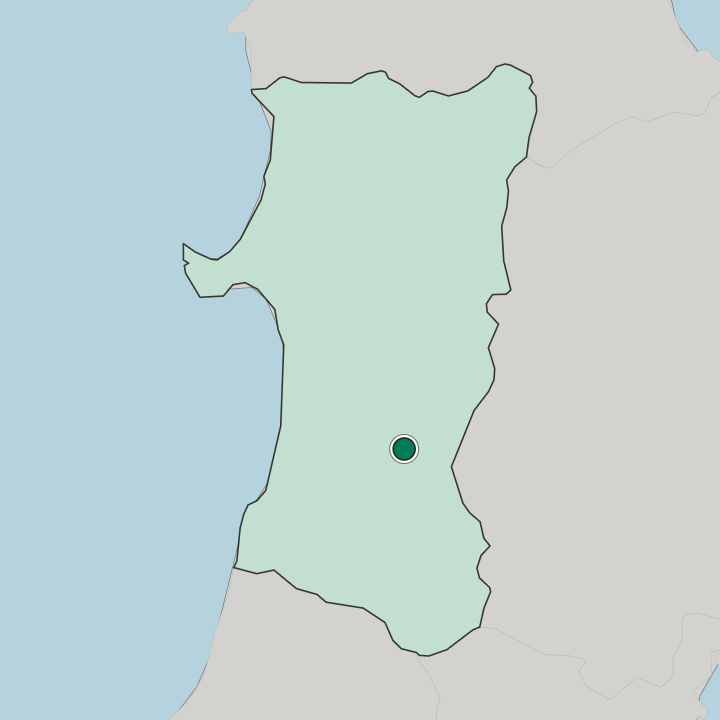
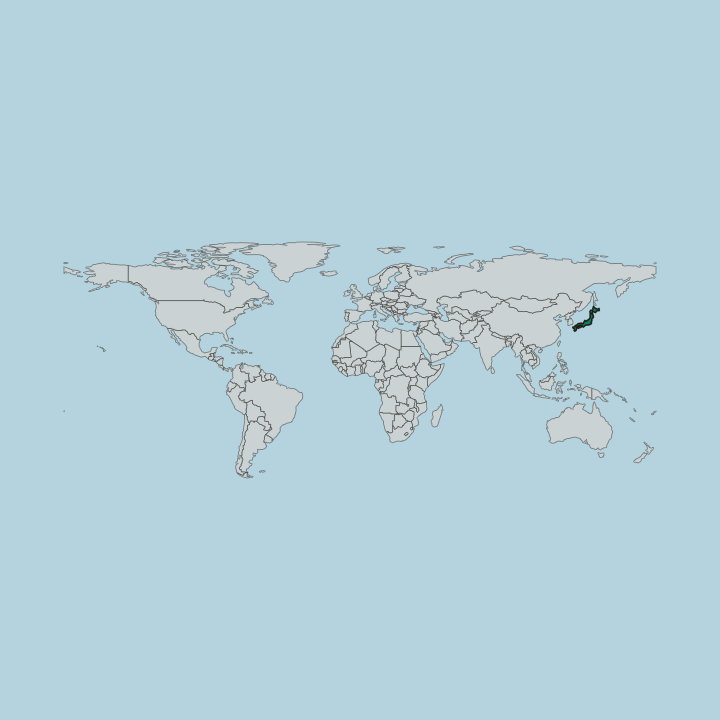
Daisen covers a great deal of Akita Prefecture. The city runs to well over eight hundred square kilometres, a spread that came from the 2005 merger rather than from any single settlement growing outward. Omagari sits inside that spread.
So do Hotta-no-saku and the Akita Prefectural Museum of Agricultural Science, and the distance between the register's entries is the first practical fact about visiting.
What is the climate of Daisen?
August decides the season here. The National Fireworks Competition is set in the warmest part of the year, which is also the stretch when a city this wide is easiest to cross without the weather deciding a visitor's itinerary. The colder half is different.
Indoor entries carry it, with the Hanabi Tradition and Culture Preservation Museum and the Akita Prefectural Museum of Agricultural Science both working whatever the sky does.
How do you get to Daisen?
Distance is the whole problem. Daisen absorbed eight municipalities of the Omagari Semboku region in 2005, and arriving somewhere inside the boundary is not the same as arriving near the entry you came for. Omagari is the name to steer by.
Hotta-no-saku, the Former Ikeda Family Gardens and the Akita Prefectural Museum of Agricultural Science each sit on their own stretch of road, which makes a car the difference between two stops in a day and five.
Common questions
What is the best area to stay in Daisen?
Close to the competition ground: National Fireworks Competition nights in August. The Omagari side: A base among the merged Omagari Semboku towns. Toward Hotta-no-saku: Hotta-no-saku paired with the Former Ikeda Family Gardens.
More cities in Akita
Updated September 2026