Japan
Akita, Japan — Towns & Travel Guide
Akita is a Sea of Japan prefecture in northern Honshu: snow country of caldera lakes, cedar forest, and the Namahage of the Oga Peninsula.
Hotel links are affiliate links: booking through them may earn us a commission, at no extra cost to you. It never affects how places are ranked. How this works


Towns & cities in Akita
Pick a town or city — each links to where to stay.
 Japan
Japan
Akita
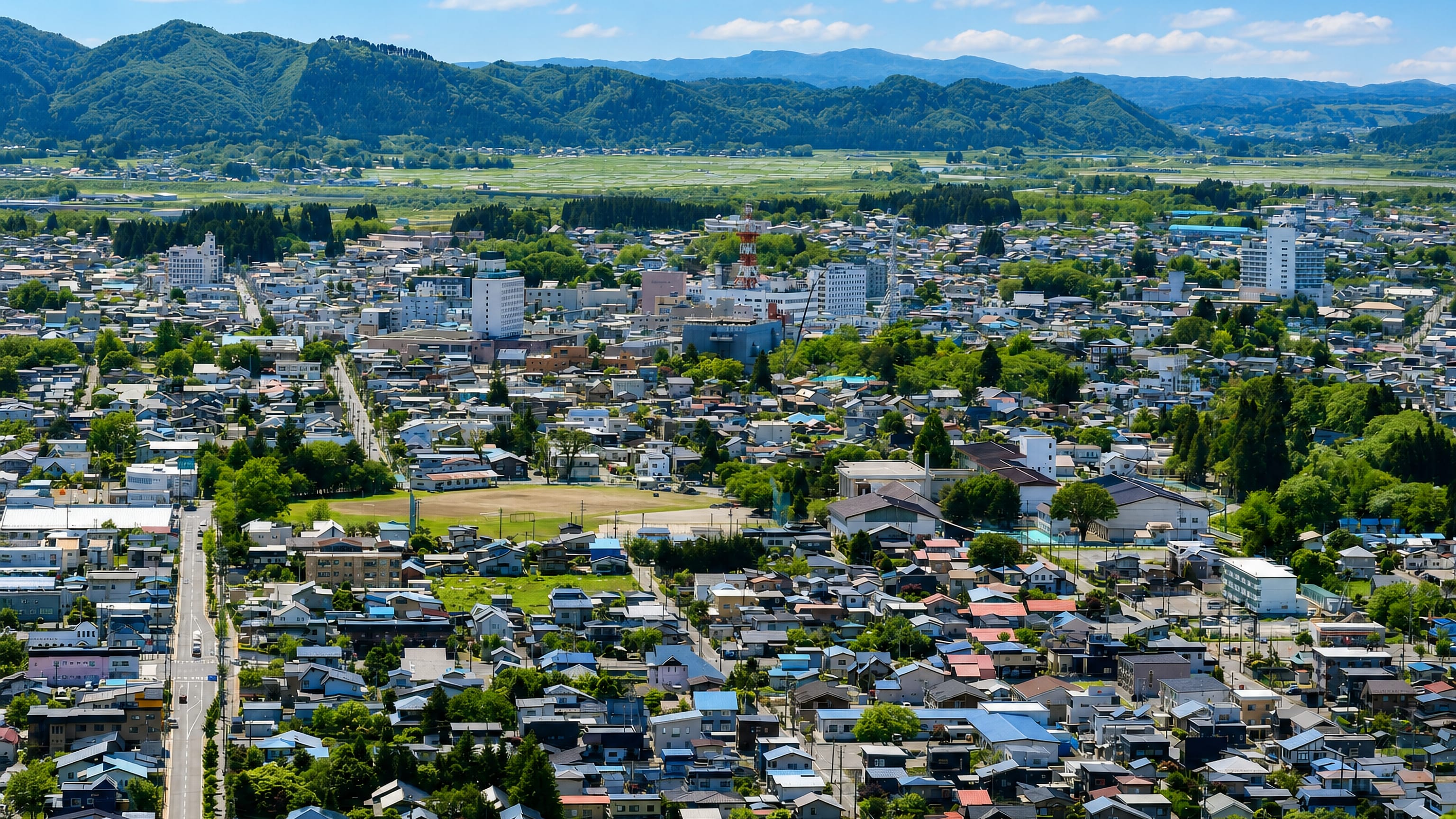
Akita is the capital of Akita Prefecture, a museum-dense city in the northern Tohoku region of Honshu.Where to stay →
 Japan
Japan
Daisen
Fireworks define Daisen. The National Fireworks Competition draws crowds to this Akita city each August, and Hotta-no-saku holds its older ground.Where to stay →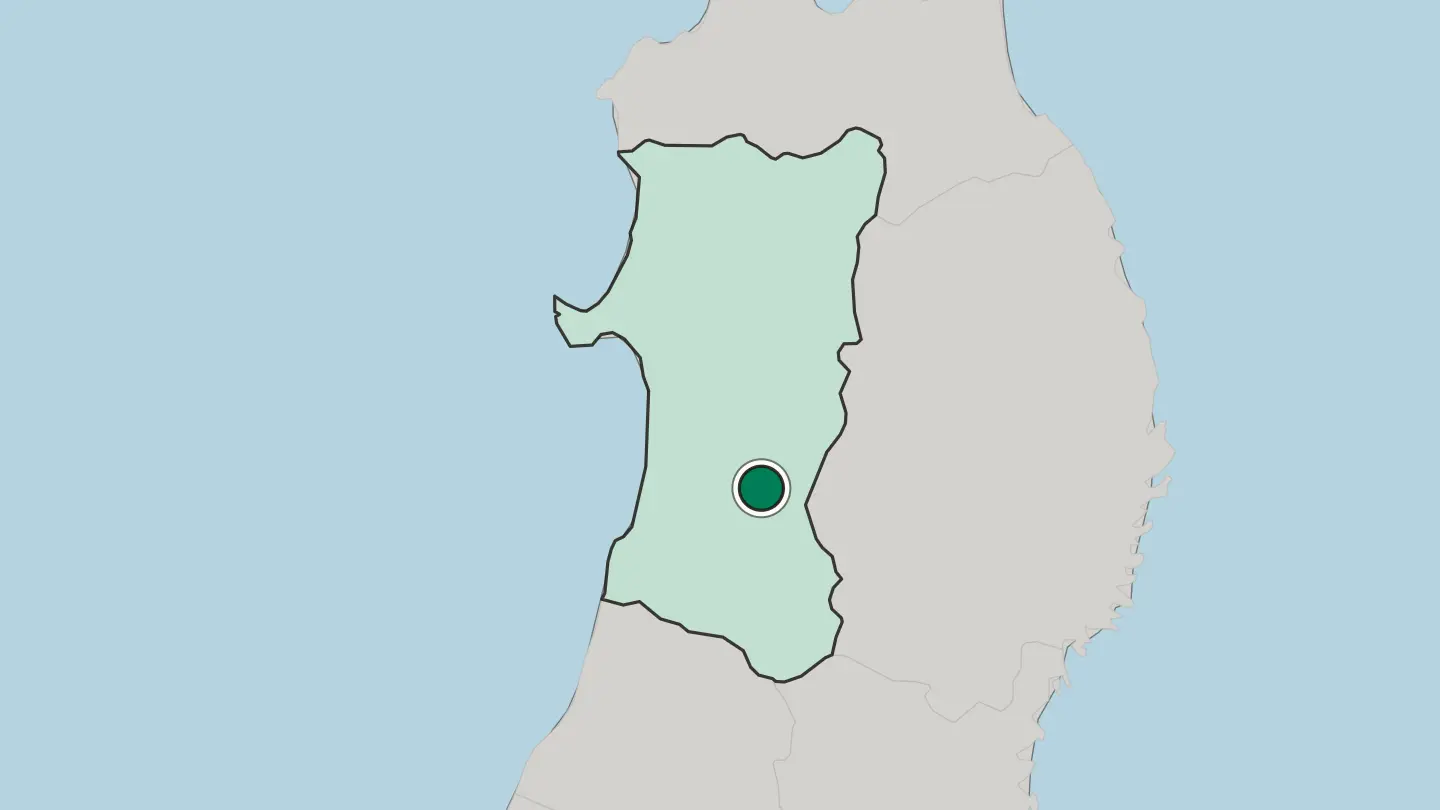
 Japan
Japan
Yurihonjō
Seven towns became Yurihonjō in 2005. Kameda Castle Satō Yasohachi Museum of Art and the Iwaki Folk Material Hall sit inside one Akita boundary.Where to stay →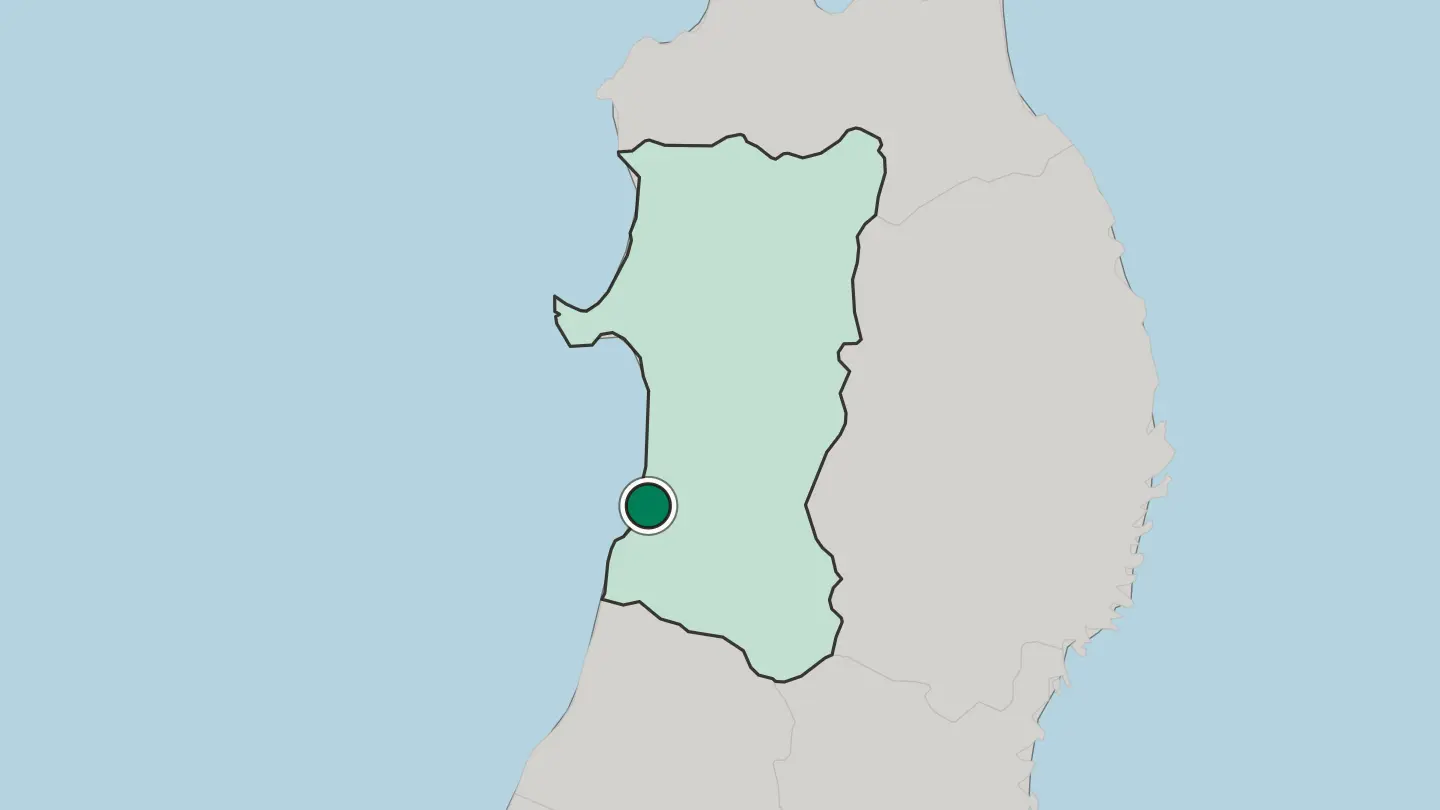
 Japan
Japan
Ōdate
Hachiko was born here. The Akita Dog Visitor Center gives Ōdate its best-known address, and the Ōdate City Museum keeps the rest of the record.Where to stay →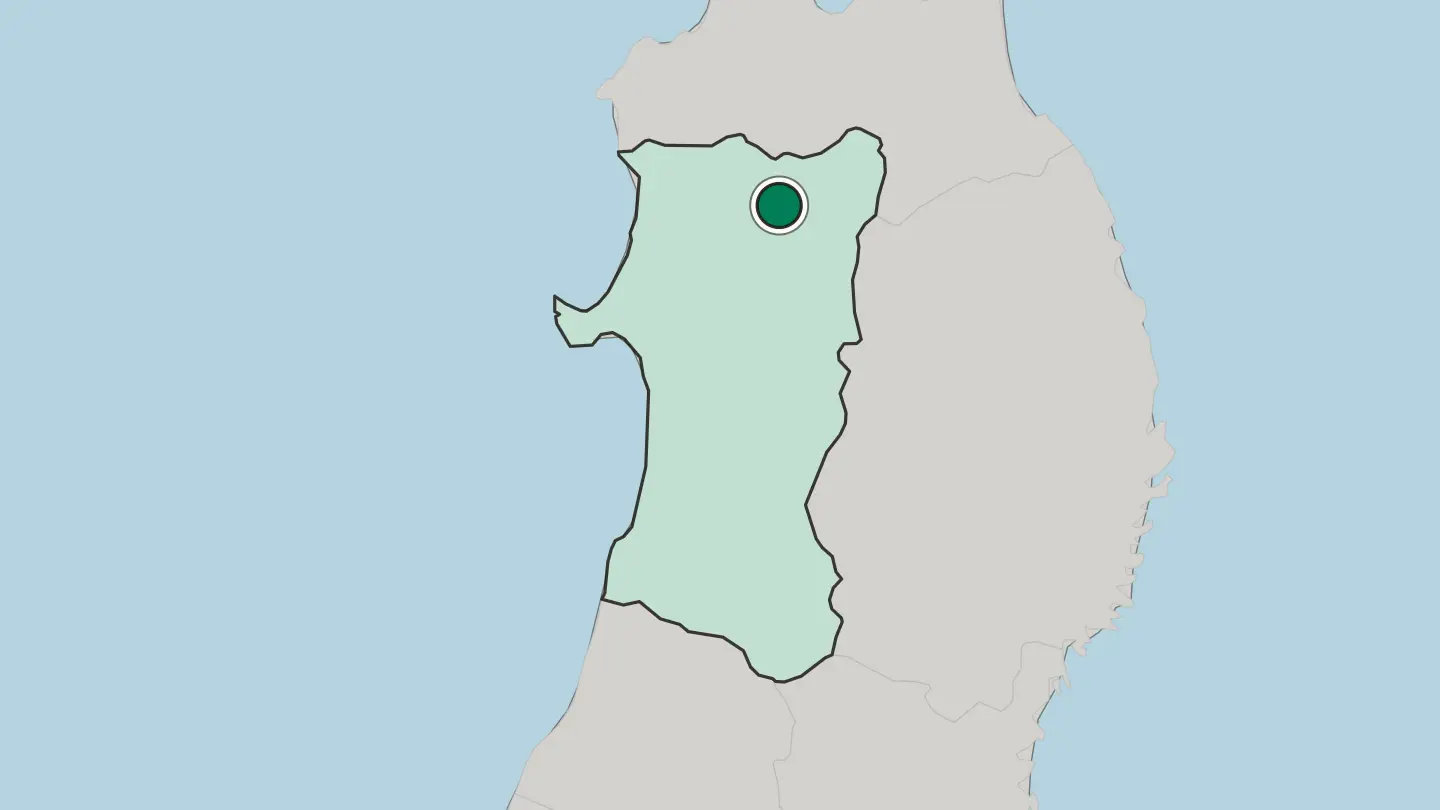
 Japan
Japan
Noshiro
Noshiro took city form in 1940. The Hiyama Andō Clan Fortified Residence ruins and the Sugisawadai Site carry its oldest record.Where to stay →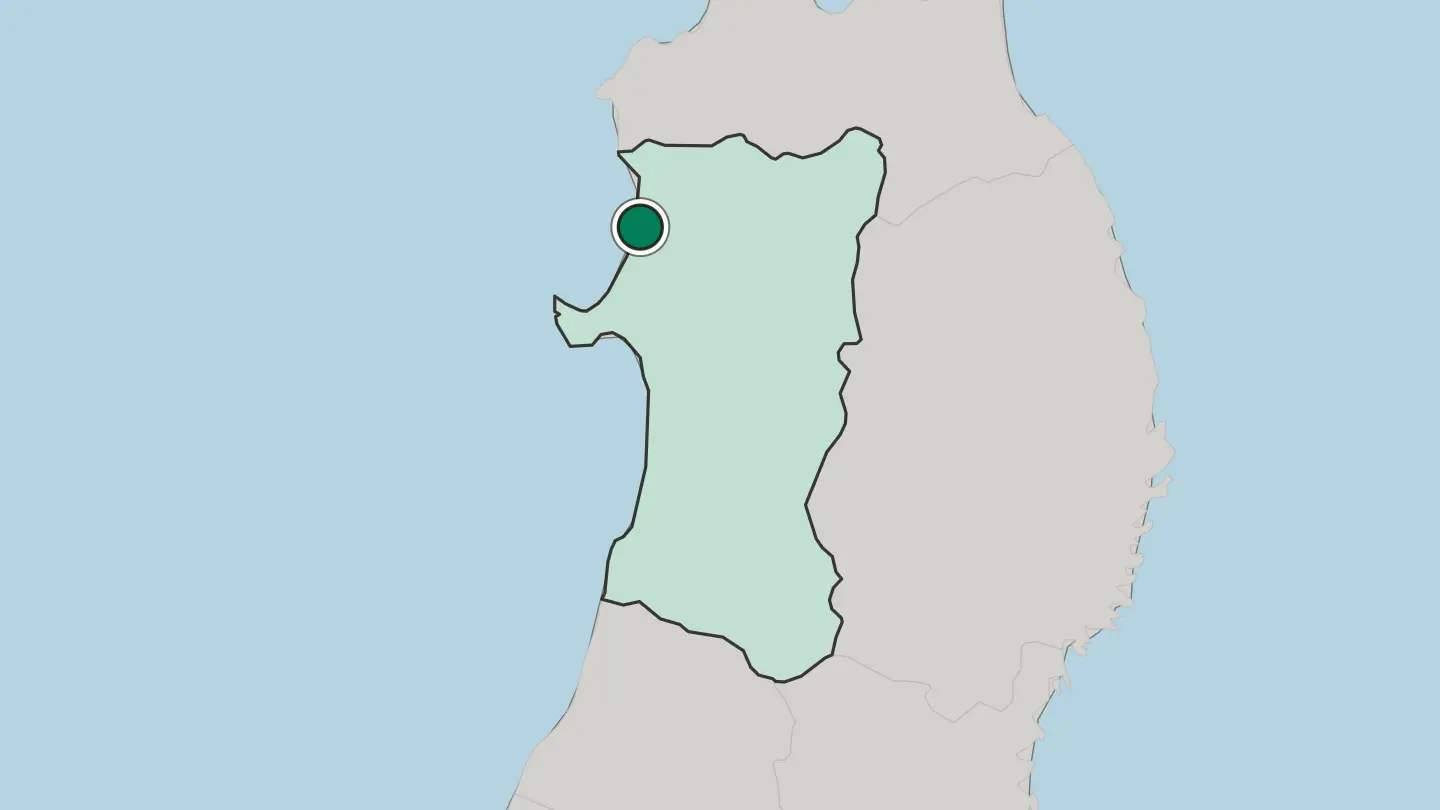
Hotel links are affiliate links: booking through them may earn us a commission, at no extra cost to you. It never affects how places are ranked. How this works
About Akita
What is Akita known for?
Two things carry Akita's name nationwide: a dog and a demon. The Akita dog was bred as a hunter around Ōdate, and the ogre-masked Namahage still stamp door to door through the villages of Oga each New Year's Eve, scolding the lazy. Rice runs deeper.
The Sea of Japan slopes and the Yokote basin grow prized short-grain rice that feeds the prefecture's celebrated sake breweries. Summer belongs to the Kantō Matsuri, whose performers balance tall bamboo poles strung with paper lanterns on palm, hip, and forehead. Kakunodate guards its Edo-era samurai quarter, and hot spring resorts lie near Lake Tazawa.
Where is Akita?
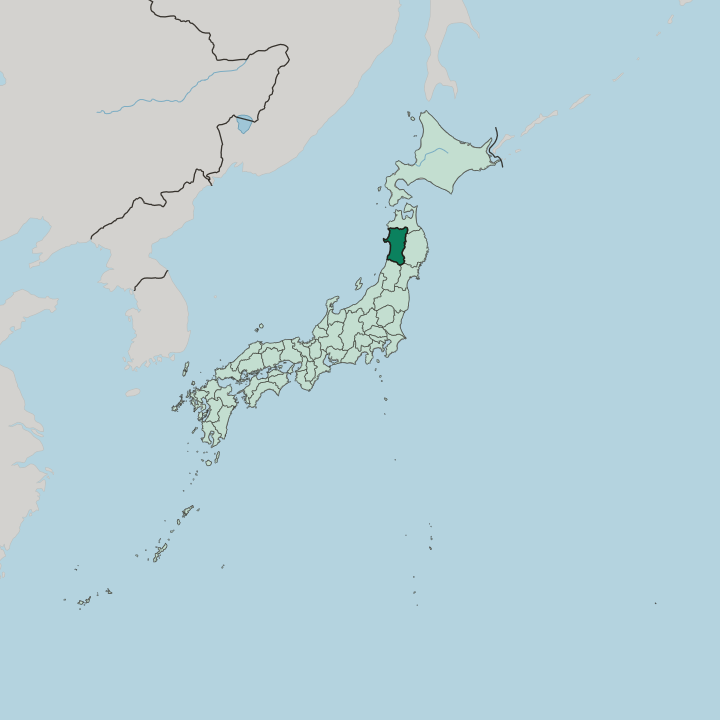
Akita occupies the northwest of the Tōhoku region, the deep-north end of Honshu. Its whole western flank is the Sea of Japan. Four prefectures ring the rest: Aomori closes the north, Iwate rises along the east, and Yamagata and Miyagi hold the south.
The eastern border with Iwate runs the crest of the Ōu Mountains, the longest range in Japan, while the Dewa Mountains fold through the interior. Mount Chōkai, an active volcano, straddles the southern border with Yamagata. The coast is far from straight.
The Oga Peninsula hooks out into the Sea of Japan, almost an island tethered by a low neck of rice land. Inland, water gathers in the Yokote basin and runs down the Omono River to the sea. Lake Tazawa, a near-perfect caldera, holds cobalt water below the ridges that rise east of the plain toward the Ōu crest.
Forest covers much of the prefecture. Along the northern border with Aomori lies Shirakami-Sanchi, a wilderness of beech forest and ravines.
What is Akita like?
Akita keeps its old winters loud. On New Year's Eve, straw-caped Namahage burst into homes on the Oga Peninsula, growling for lazy children and idle grown-ups, a folk rite the whole prefecture claims. Come August the mood shifts to the Kantō Matsuri, where men shoulder bamboo frames hung with dozens of paper lanterns and walk them balanced on hip and brow through Akita city.
Snow returns the theatre indoors. In Yokote, children hollow kamakura snow huts and wave passers-by inside for rice cakes and cups of sweet amazake. The prefecture reads as farm country with courtly manners at its edges.
Kakunodate preserves the black-walled samurai residences of the Satake domain, shaded each spring by weeping cherries. Rice runs through everything. The Akita komachi strain feeds a wall of sake breweries, and Ōdate turns its harvest into kiritanpo, pounded rice toasted on cedar skewers.
That same town gave the world the Akita dog, the thick-coated breed remembered through loyal Hachikō. Japanese is the language, though the local Akita dialect, thick and clipped, softens the vowels into something even other Japanese strain to follow.
What is the history of Akita?
Akita began as a frontier. The Yamato court pushed north against the Ezo and built a fortified stockade at Akita in the year 733, on the rim of Dewa Province. Its modern shape was set in 1602, when the Satake clan moved here from Hitachi after Sekigahara and built Kubota Castle.
For roughly 260 years the Satake ruled the Kubota domain from that castle town. The old han was dissolved in 1871, and the new prefecture took the castle's name.
What is the climate of Akita?
Akita is snow country. Winter winds off the Sea of Japan hit the Ōu Mountains and unload, burying the Yokote basin in deep snow. Drifts pile several metres deep inland, which is why Yokote frames its winters around snow huts rather than fighting them.
Summers are short and humid, warm enough to ripen rice on the coastal plains. Rain and cloud are constant companions the rest of the year.
How do you get to Akita?
Most visitors ride the rails in. The Komachi service of the Akita Shinkansen runs from Tokyo, racing to Morioka before slowing onto the single mini-shinkansen track that threads the mountains by way of Tazawako and Kakunodate. It takes about four hours end to end.
Flying is quicker, and Akita Airport links to Tokyo's Haneda in little more than an hour, with buses down to the capital. From there, local lines trace the Sea of Japan coast north and south.
Common questions
What is the best area to stay in Akita?
Akita: a first base, arrivals, and the Kantō Matsuri. Kakunodate: samurai streets and Hinokinai cherry blossom. Lake Tazawa and Nyūtō Onsen: a caldera lake and milky mountain hot springs. Oga Peninsula: the Namahage coast and Sea of Japan sunsets.
Good for
More regions in Japan
Updated October 2026