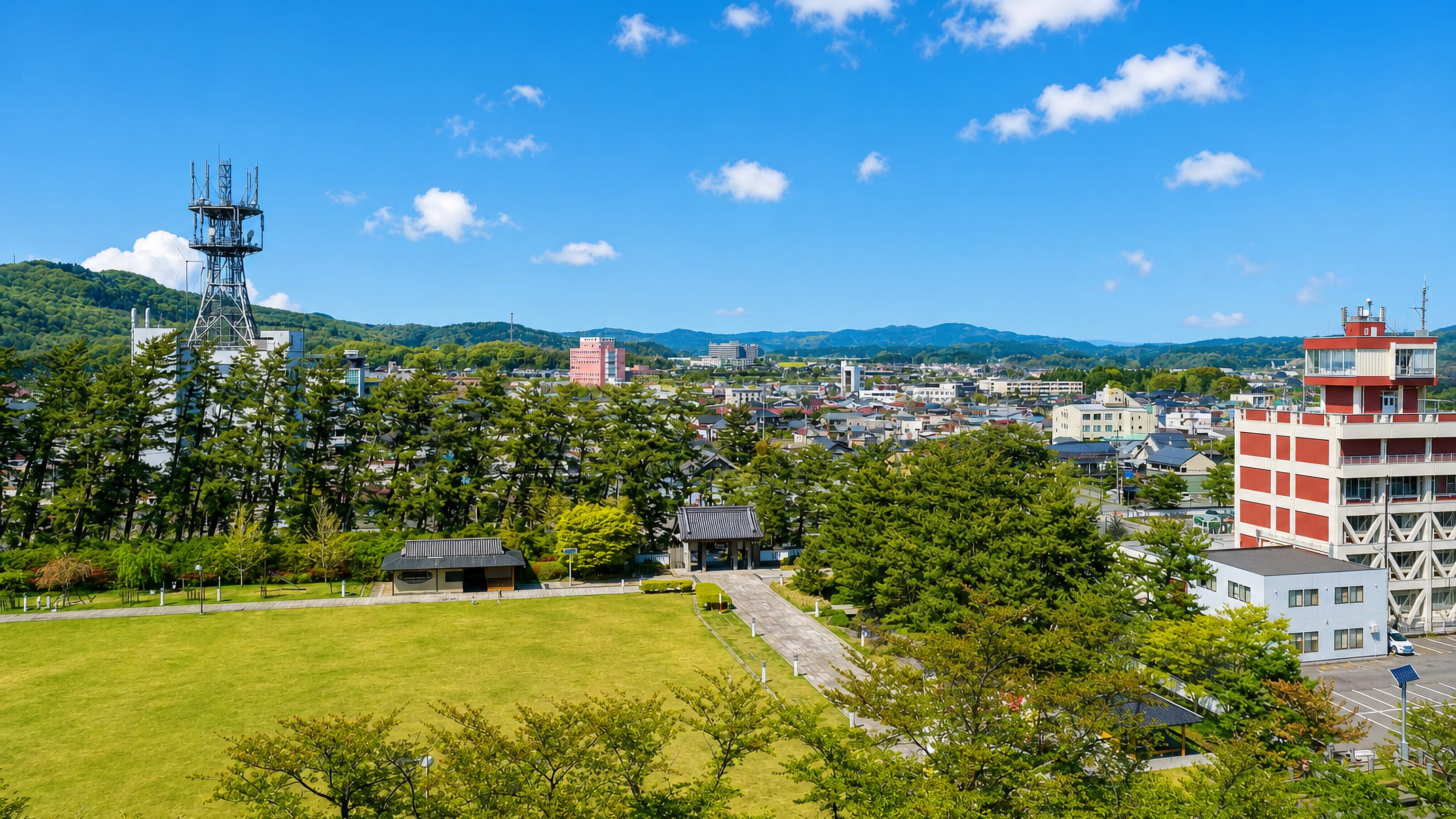
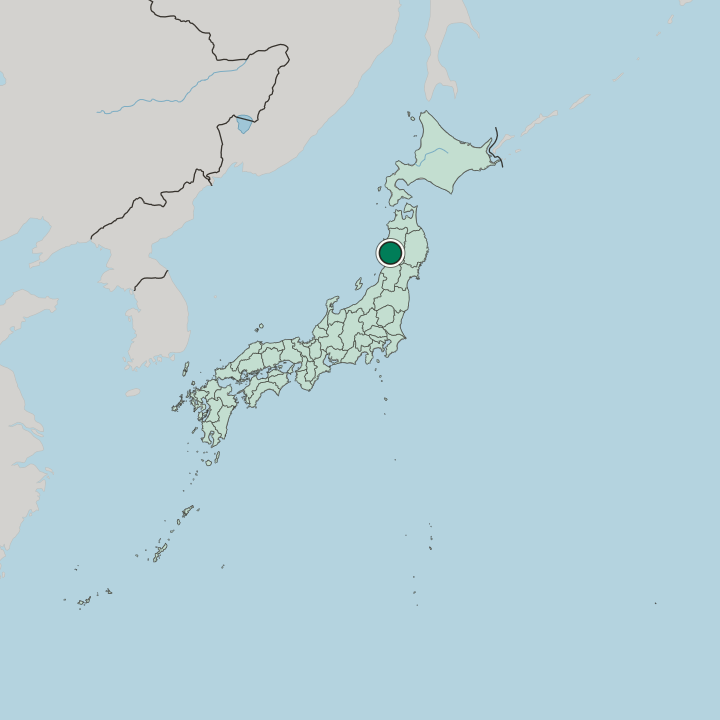
Japan · Akita
Where to Stay in Yurihonjō, Akita
Seven towns became Yurihonjō in 2005. Kameda Castle Satō Yasohachi Museum of Art and the Iwaki Folk Material Hall sit inside one Akita boundary.
Hotel links are affiliate links: booking through them may earn us a commission, at no extra cost to you. It never affects how places are ranked. How this works


Where to stay in Yurihonjō
Where the beds are, and what that means for the visit.
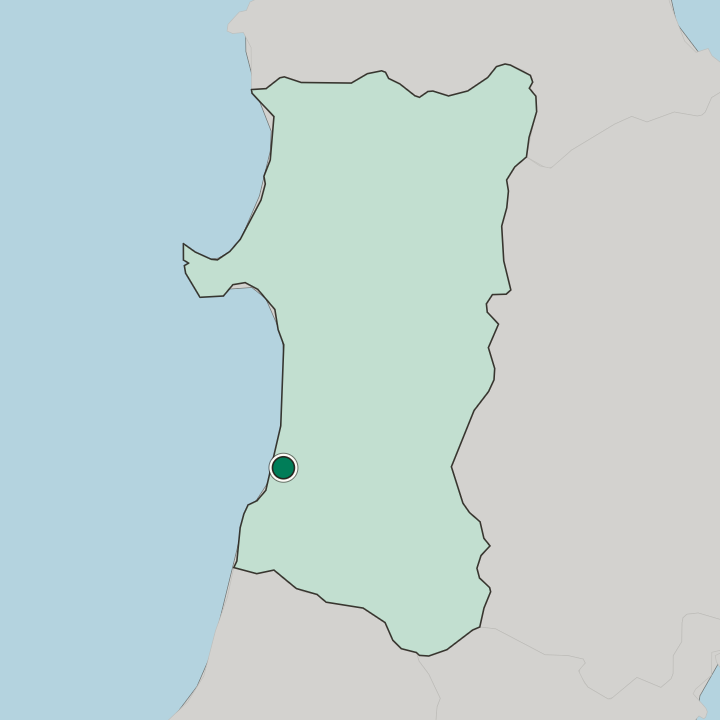
Yurihonjō is a name for seven places at once. Chokai and Higashi Yuri joined Nishime and Iwaki when the 2005 merger drew one boundary around a very large stretch of Akita Prefecture, and Honjo, Yashima and Yuri came in with them. Those seven centres sit genuinely far apart.
A bed at Iwaki, near the Iwaki General Gymnasium and the Iwaki Folk Material Hall, is not a bed near the Kameda Castle Satō Yasohachi Museum of Art. Choose the former town first. Ōuchi rekishi minzoku shiryōkan pulls in yet another direction. So does former Ayukawa Elementary School, and between them the register scatters across ground that no single stay can cover on foot in a week, let alone in a weekend.
A car is the base requirement. Seven former town centres means seven possible bases, and the right one depends entirely on which two or three entries a visit is actually built around. The Yurihonjo Municipal Local Material Museum is the closest thing to a central anchor, and a room within reach of it puts the merged city's own account of itself first.
Matsugasaki Gymnasium serves a different visitor again. Akita Prefecture absorbs the rest of the driving.
Find hotels in Yurihonjō
Direct booking searches for these neighbourhoods.
Honjo
Honjo gives its name to half of Yurihonjō, and the Yurihonjo Municipal Local Material Museum sits closest to that side of the merged city.Find hotels in HonjoIwaki General Gymnasium and the Iwaki Folk Material Hall togetherIwaki
Iwaki carries two of the register's entries under its own name, which makes it the one former town where a single stay covers more than one stop. Few places to stay nearby — book ahead.Find hotels in IwakiThe Kameda Castle Satō Yasohachi Museum of Art aloneKameda
The Kameda Castle Satō Yasohachi Museum of Art anchors its own corner of Yurihonjō, far enough from Honjo that it rewards a bed chosen for that one collection. Lodging is scarce in this area; reserve in advance.Find hotels in KamedaHotel links are affiliate links: booking through them may earn us a commission, at no extra cost to you. It never affects how places are ranked. How this works
Things to do in Yurihonjō
Ranked by global recognition; descriptions from Wikidata (CC0).
Museums & Galleries
3- Iwaki Folk Material Hall
- Kameda Castle Satō Yasohachi Museum of Art
- Ōuchi rekishi minzoku shiryōkan
Stadiums & Sports
2- Iwaki General Gymnasium
- Matsugasaki Gymnasium
Landmarks & Notable Places
1- 旧鮎川小学校 Heritage
worth knowingacross 3 categories in Yurihonjō
About Yurihonjō
Gymnasiums outnumber galleries here.
What is Yurihonjō known for?
Matsugasaki Gymnasium and Iwaki General Gymnasium both appear on the register, which is unusual for a city better known through its merged town names than through any single attraction. Art gets one entry. The Kameda Castle Satō Yasohachi Museum of Art carries it, while the Yurihonjo Municipal Local Material Museum and the Iwaki Folk Material Hall keep the local record instead.
What are the main landmarks in Yurihonjō?
Sport takes two of the seven entries. Matsugasaki Gymnasium and Iwaki General Gymnasium account for that pair, and a register weighted toward municipal facilities says something about how Yurihonjō was assembled. Local history takes three more.
The Yurihonjo Municipal Local Material Museum, the Iwaki Folk Material Hall and Ōuchi rekishi minzoku shiryōkan each keep a former town's record, while former Ayukawa Elementary School stands on the same register and the Kameda Castle Satō Yasohachi Museum of Art supplies the only art on the list.
What is the history of Yurihonjō?
Yurihonjō has existed only since 2005. Before that the ground carried seven separate names, and each of them had its own centre, its own record and its own reasons for being where it was. Chokai and Higashi Yuri were distinct from Nishime and Iwaki, and Honjo, Yashima and Yuri were three more again.
Nothing was erased. Ōuchi rekishi minzoku shiryōkan and the Iwaki Folk Material Hall exist precisely because each former town kept its own account, and one municipal museum could never have absorbed all of it. The museums tell the same story twice. Yurihonjo Municipal Local Material Museum speaks for the city as a whole while Ōuchi rekishi minzoku shiryōkan and the Iwaki Folk Material Hall speak for parts of it, and that division is the clearest trace the 2005 merger left on the register.
Kameda Castle survives inside a museum name. The Kameda Castle Satō Yasohachi Museum of Art attaches an art collection to it, which gives Yurihonjō one entry looking outward rather than inward. former Ayukawa Elementary School belongs to the recent past instead. Matsugasaki Gymnasium and Iwaki General Gymnasium are newer still, and a register running from a castle name to two gymnasiums covers a great deal of ordinary Akita Prefecture history along the way.
Where is Yurihonjō?
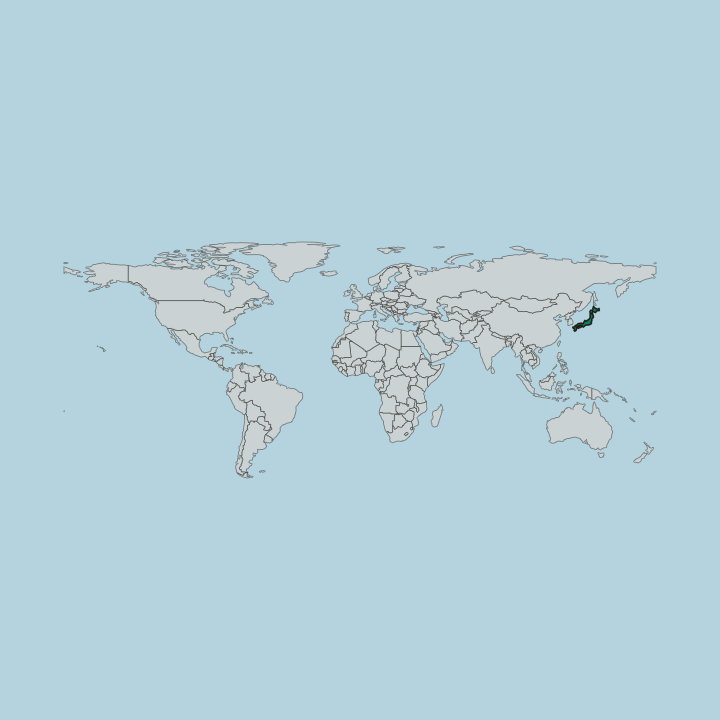
Yurihonjō is enormous by any measure. Over twelve hundred square kilometres of Akita Prefecture lie inside one municipal boundary, which is what happens when seven towns are combined rather than one growing outward. Iwaki is a long way from Ōuchi.
Chokai, Yashima and Nishime each occupy their own part of that spread, and the register follows them rather than clustering in a single centre.
What is the climate of Yurihonjō?
Distance beats weather as the constraint. Yurihonjō stretches far enough across Akita Prefecture that a wet morning at Iwaki says little about conditions at Chokai, and a visit planned around one former town may find another quite different. The temperate band gives four clear seasons.
Matsugasaki Gymnasium and the Iwaki Folk Material Hall carry the indoor half, and the Kameda Castle Satō Yasohachi Museum of Art holds up whatever the sky is doing.
How do you get to Yurihonjō?
Arriving is only half the trip. Honjo, Iwaki and Yashima each sit on their own part of Yurihonjō, so the road inside the boundary usually costs more time than the road that brought a visitor to it. Ōuchi is further again. Reaching Ōuchi rekishi minzoku shiryōkan and then the Kameda Castle Satō Yasohachi Museum of Art in one day is possible with a car and unrealistic without one.
Common questions
What is the best area to stay in Yurihonjō?
Honjo: The Yurihonjo Municipal Local Material Museum on foot. Iwaki: Iwaki General Gymnasium and the Iwaki Folk Material Hall together. Kameda: The Kameda Castle Satō Yasohachi Museum of Art alone.
Good for
More cities in Akita
Updated September 2026