Japan · Ishikawa-ken
Where to Stay in Kanazawa, Ishikawa-ken
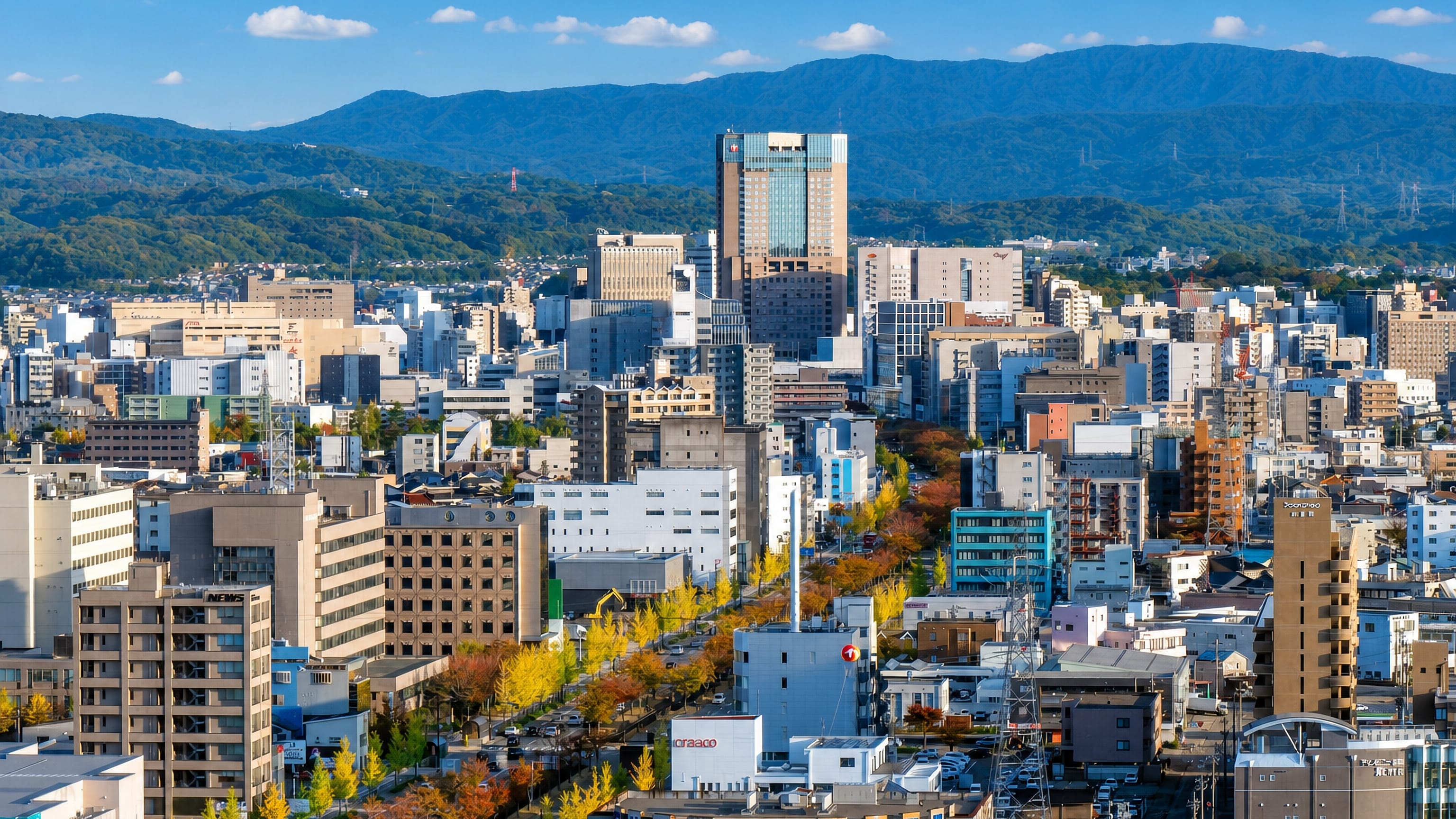
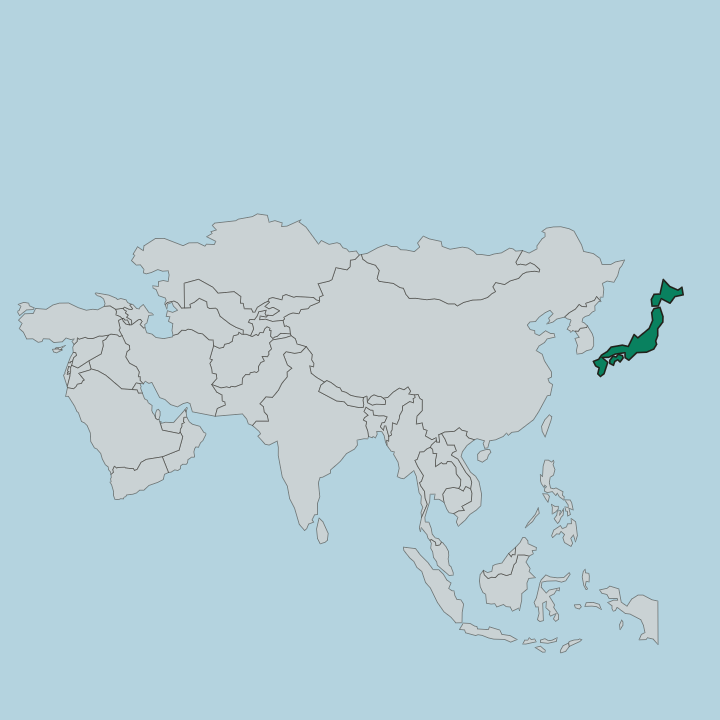
Gold leaf and old teahouses mark Kanazawa, the capital of Ishikawa Prefecture in central Japan, one of the best-preserved Edo-period cities.
Hotel links are affiliate links: booking through them may earn us a commission, at no extra cost to you. It never affects how places are ranked. How this works


Where to stay in Kanazawa
Where visitors usually base themselves, and why.
Kanazawa keeps its old and new quarters close, and where you stay turns on how much you want the museums, the teahouse streets, or the calm of the crafts district. The central district gathers the shops and the museums, and it puts the 21st Century Museum of Contemporary Art within an easy walk. It suits a first visit to the capital of Ishikawa Prefecture.
If you have come for the old city, base yourself near the Nishi Chaya Shiryokan Museum, where the wooden teahouse fronts of an Edo-period lane still stand and the streets keep their older grain. The crafts draw a different traveller. Toward the maker's streets, the Kanazawa Yasue Gold Leaf Museum and the Ishikawa Prefectural Museum of Traditional Arts and Crafts hold the trades that built the city, a quieter pocket away from the center.
Others look toward the art quarter, near the Ishikawa Prefectural Museum of Art in Japan. Every quarter of Kanazawa strikes its own note. In Kanazawa the choice is yours to make.
Find hotels in Kanazawa
Direct booking searches for these neighbourhoods.
Central Kanazawa
The center of Kanazawa gathers the shops and museums and puts the 21st Century Museum of Contemporary Art within a walk in the capital of Ishikawa Prefecture.Find hotels in Central KanazawaOld-city stays near the Nishi Chaya Shiryokan MuseumThe Nishi Chaya teahouse lane
The Nishi Chaya lane of Kanazawa keeps its wooden Edo-period teahouse fronts and the Nishi Chaya Shiryokan Museum that reads their story.Find hotels in The Nishi Chaya teahouse laneMakers near the Kanazawa Yasue Gold Leaf MuseumThe crafts quarter
The maker's streets of Kanazawa hold the Kanazawa Yasue Gold Leaf Museum and the Ishikawa Prefectural Museum of Traditional Arts and Crafts, a quieter craft pocket.Find hotels in The crafts quarterHotel links are affiliate links: booking through them may earn us a commission, at no extra cost to you. It never affects how places are ranked. How this works
Things to do in Kanazawa
Ranked by global recognition; descriptions from Wikidata (CC0).
Museums & Galleries
3- National Crafts Museum Heritage
- Fourth High School Memorial Museum of Cultural Exchange, Ishikawa Heritage
- 21st Century Museum of Contemporary Art
Churches & Religious Sites
1- 日本基督教団金沢教会
worth knowingacross 2 categories in Kanazawa
About Kanazawa
What is Kanazawa known for?
Kanazawa is known as one of the best-preserved Edo-period cities in Japan and the capital of Ishikawa Prefecture. Gold leaf is its craft. The Kanazawa Yasue Gold Leaf Museum keeps the trade alive, while the National Crafts Museum and the Ishikawa Prefectural Museum of Traditional Arts and Crafts gather the wider making of the region.
Contemporary art fills the 21st Century Museum of Contemporary Art. Old streets do the rest.
What are the main landmarks in Kanazawa?
Kanazawa gathers a dense run of museums for a city its size. The 21st Century Museum of Contemporary Art and the Ishikawa Prefectural Museum of Art set the newer and the older art side by side, while the Ishikawa Prefectural History Museum reads the record of the region. Craft holds pride of place at the National Crafts Museum and the Kanazawa Yasue Gold Leaf Museum.
The D. T. Suzuki Museum honours the philosopher born in the city. Noh fills the Kanazawa Noh Museum.
What is the history of Kanazawa?
Kanazawa was established as a modern city in 1889, but its form was set long before, in the Edo-period, when it grew as one of the great castle towns of Japan. That older order still runs through the plan. Well-preserved lanes and teahouse quarters kept their grain through the centuries, which is why the city stands among the best-preserved of its kind, and the Ishikawa Prefectural History Museum reads that record for the region.
The old rulers left a lasting mark. Records of the ruling house survive in institutions such as the Maeda Tosanokami-ke Shiryokan Museum and the Kaga-Honda Museum, and the samurai record lives at the Kanazawa City Ashigaru Museum. As the capital of Ishikawa Prefecture, Kanazawa carried the crafts and the schooling of the region across the modern era.
The old town still holds.
Where is Kanazawa?
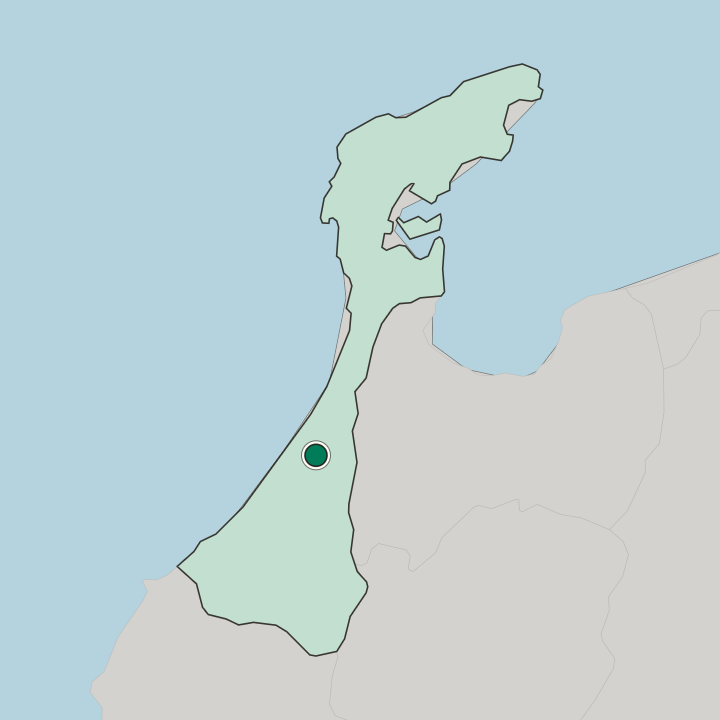
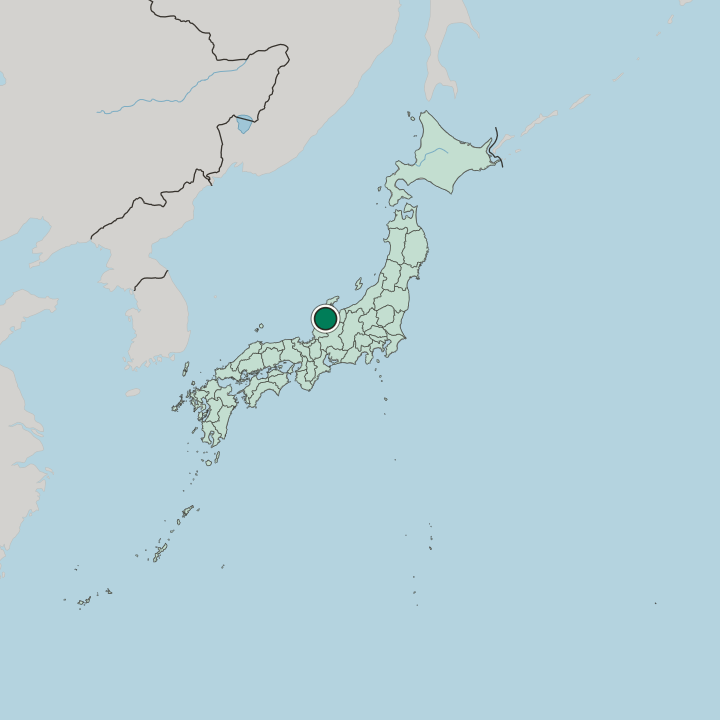
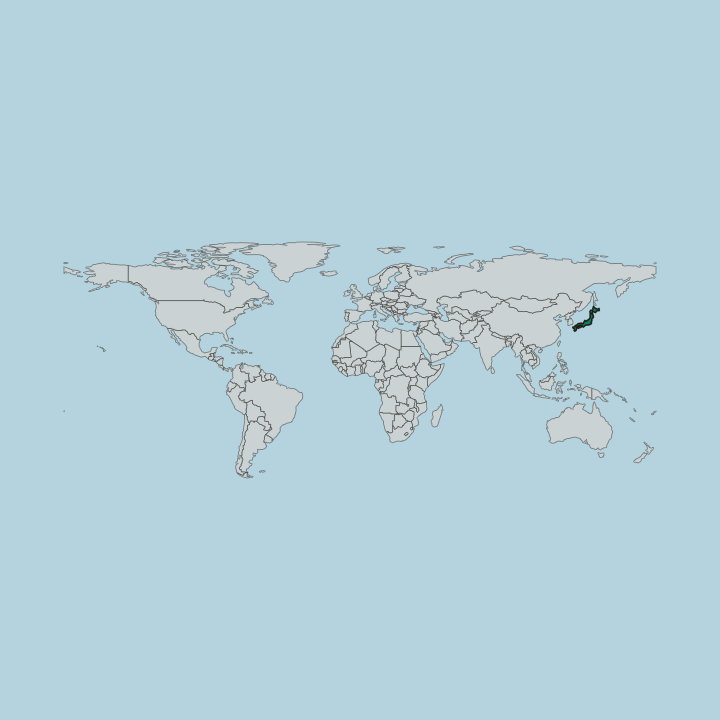
Kanazawa lies in Ishikawa Prefecture, in central Japan, on the coastal plain that faces the Sea of Japan. Two rivers cross the city between wooded hills and the shore, and the older quarters spread along their banks. Its temperate setting brings four clear seasons, snow among them.
The plain runs toward the water. Rivers and coast frame the place.
What is the climate of Kanazawa?
Kanazawa has a temperate climate marked by heavy winter snow off the Sea of Japan. Summers run warm and humid across Ishikawa Prefecture, with rain through the early-summer season. Winters bring grey skies and steady snowfall to this coast of central Japan, and the old gardens are dressed for it.
Rain falls in most months. The seasons swing wide here.
How do you get to Kanazawa?
Kanazawa is well tied to the rest of Japan by fast rail. Bullet trains run to the city from the east, cutting the old journey across the mountains to a few hours through Ishikawa Prefecture. Once you arrive, buses loop the museums and the teahouse quarters, and much of the old center rewards a walk.
Roads run down to the Sea of Japan coast. The train is the way in.
Common questions
What is the best area to stay in Kanazawa?
Central Kanazawa: First-time visitors near the 21st Century Museum of Contemporary Art. The Nishi Chaya teahouse lane: Old-city stays near the Nishi Chaya Shiryokan Museum. The crafts quarter: Makers near the Kanazawa Yasue Gold Leaf Museum.
Good for
More cities in Ishikawa-ken
Updated September 2026