Japan · Ishikawa-ken
Where to Stay in Nanao, Ishikawa-ken
Wakura Onsen's hot springs sit inside the largest city of the Noto Peninsula. Nanao took that shape in 2004.
Hotel links are affiliate links: booking through them may earn us a commission, at no extra cost to you. It never affects how places are ranked. How this works


Where to stay in Nanao
Where the beds are, and what that means for the visit.
Two stays, one city. Wakura Onsen is the obvious one, a hot spring town that happens to fall inside Nanao's limits, and a bed there buys the water rather than the working city around it. The town itself is the other.
Rooms near the Nana'o Castle History Museum and the Nanao Local Material Museum put the city's own record within reach, which suits anyone here for more than the baths. The distance between the two is real, and the choice between them decides whether the trip turns out to be a bathing trip or a town one. The peninsula complicates it slightly.
Nanao covers a little over three hundred square kilometres, and the Noto Satoyama Satoumi Museum reads the whole Noto Peninsula rather than the city, so a stay built around it will involve some driving. Ishikawa Nanao Art Museum stays closer in. The Mangyō Site belongs to that same wide territory, older than anything the 2004 merger set out to organise, and worth the trip for its own sake. Kanazawa, Hakusan, Komatsu and Kaga are larger cities elsewhere in Ishikawa Prefecture.
Nanao trades size for water.
Find hotels in Nanao
Direct booking searches for these neighbourhoods.
Wakura Onsen
Wakura Onsen is a hot spring town that falls inside Nanao's own city limits.Find hotels in Wakura OnsenCastle history at the Nana'o Castle History MuseumThe Nana'o Castle side
The museum keeps the record of the castle whose name the city still spells out.Find hotels in The Nana'o Castle sideGallery days at the Ishikawa Nanao Art MuseumBy the Ishikawa Nanao Art Museum
The art museum sits with the Nanao Local Material Museum among the city's own collections.Find hotels in By the Ishikawa Nanao Art MuseumPeninsula days around the Noto Satoyama Satoumi MuseumToward the Noto Satoyama Satoumi Museum
That museum takes the whole Noto Peninsula as its subject, which rewards a slower stay.Find hotels in Toward the Noto Satoyama Satoumi MuseumHotel links are affiliate links: booking through them may earn us a commission, at no extra cost to you. It never affects how places are ranked. How this works
About Nanao
Hot springs, and a peninsula.
What is Nanao known for?
Wakura Onsen lies within the city limits, which gives the largest place on the Noto Peninsula a hot spring town of its own alongside the working city around it. The museums do the explaining. Noto Satoyama Satoumi Museum takes the land and the water together, the Nana'o Castle History Museum takes the record, and the Ishikawa Nanao Art Museum takes what neither of them covers.
What are the main landmarks in Nanao?
Four museums and a heritage site carry Nanao. Nana'o Castle History Museum and the Mangyō Site hold the oldest of it, while the Nanao Local Material Museum keeps the objects that ordinary households left behind. Two more look outward.
Ishikawa Nanao Art Museum shows the art, and the Noto Satoyama Satoumi Museum takes the whole peninsula as its subject, which is a wide brief for one building.
What is the history of Nanao?
The present city dates from 2004. That merger drew one boundary around the largest settlement of the Noto Peninsula, but the ground inside it had been occupied a great deal earlier, as the Mangyō Site is there to demonstrate. A castle also belongs to that older record.
Nana'o Castle History Museum carries the name of the castle it interprets, and the Nanao Local Material Museum keeps the everyday objects that no fortress ever bothered to record. What the 2004 line enclosed was a set of separate histories that had shared a coast without ever sharing an administration. Names survive their buildings.
Water made the other reputation. Wakura Onsen sits inside the city limits as a hot spring town in its own right, which gives Nanao a second identity owing nothing to its castle or to its merger. The museums arrived last of all.
Ishikawa Nanao Art Museum and Noto Satoyama Satoumi Museum are modern institutions that read the peninsula back to its visitors, one through pictures and the other under a name the peninsula itself supplied. Kanazawa, Hakusan, Komatsu and Kaga are larger, but none of them is the Noto Peninsula's own city. Nanao holds that position alone.
Where is Nanao?
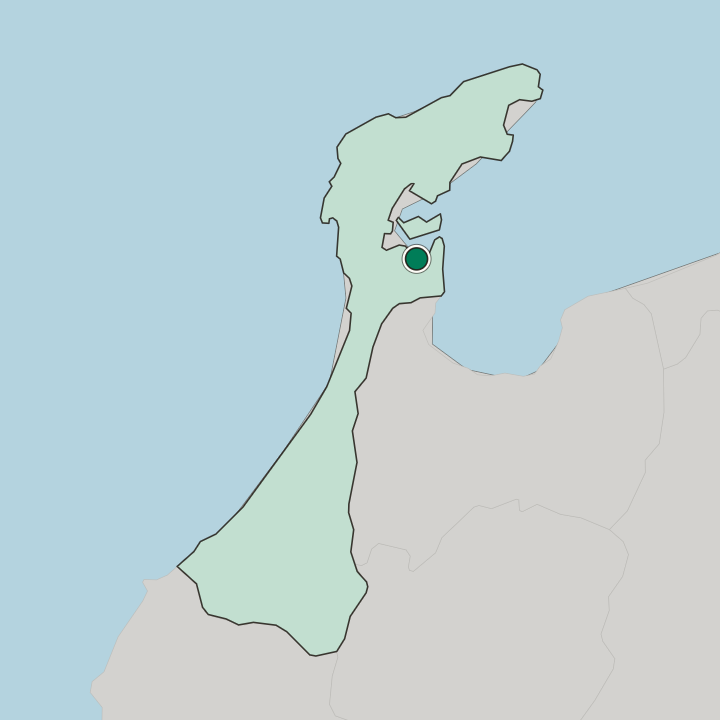
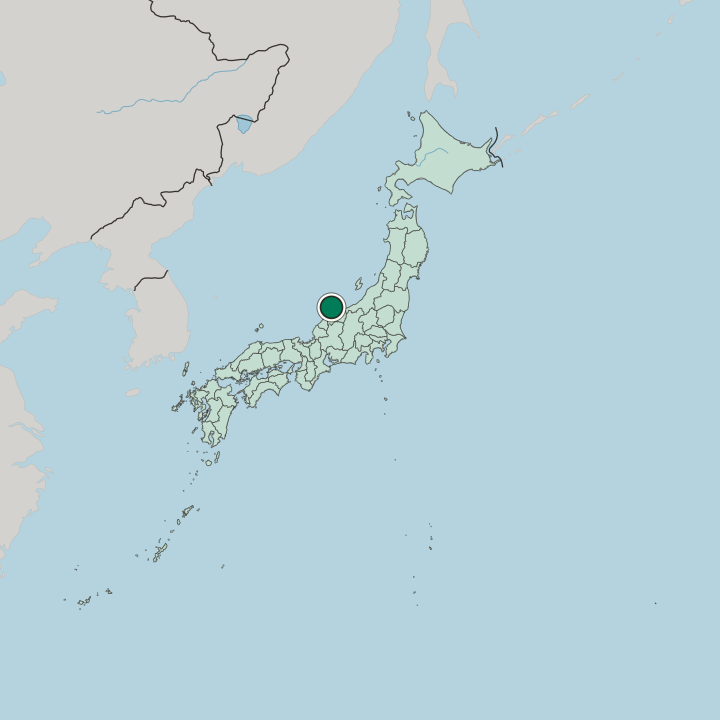
The Noto Peninsula sets the frame. Nanao covers a little over three hundred square kilometres of Ishikawa Prefecture, and it is the largest city on that peninsula, which says as much about the peninsula as it does about the city. Wakura Onsen falls inside the same line.
Kanazawa, Hakusan, Komatsu and Kaga all rank above it among Ishikawa's cities by size, so Nanao is a substantial place in a thinly settled part of the prefecture.
What is the climate of Nanao?
Four seasons arrive in full at this end of Ishikawa Prefecture, and the temperate band gives Nanao a cold half of the year that the hot water at Wakura Onsen has always answered. Winter is the onsen season. The Noto Satoyama Satoumi Museum works whatever the weather does.
So does the Ishikawa Nanao Art Museum.
How do you get to Nanao?
Everything here is peninsula travel. Nanao is the largest city of the Noto Peninsula, so arriving means going out along the peninsula rather than passing through on the way to anywhere else. Wakura Onsen is inside the city limits.
Kanazawa, Hakusan, Komatsu and Kaga sit elsewhere in Ishikawa Prefecture.
Common questions
What is the best area to stay in Nanao?
Wakura Onsen: Hot spring nights at Wakura Onsen. The Nana'o Castle side: Castle history at the Nana'o Castle History Museum. By the Ishikawa Nanao Art Museum: Gallery days at the Ishikawa Nanao Art Museum. Toward the Noto Satoyama Satoumi Museum: Peninsula days around the Noto Satoyama Satoumi Museum.
Good for
More cities in Ishikawa-ken
Updated September 2026