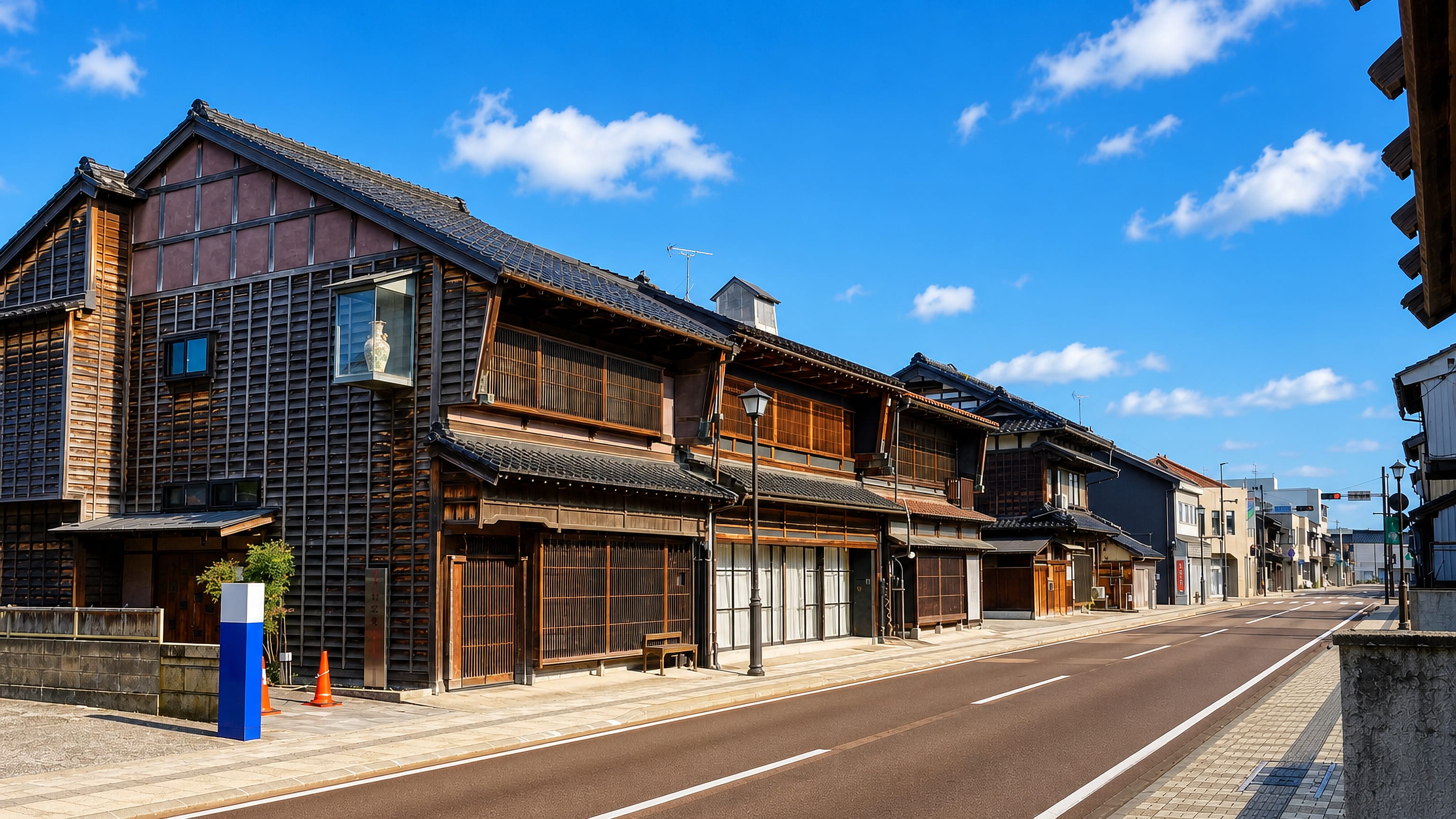
Japan · Ishikawa-ken
Where to Stay in Komatsu, Ishikawa-ken
Komatsu carries the name of the construction-equipment maker founded here, and keeps Nata-dera Temple as well. Ishikawa Prefecture's second city.
Hotel links are affiliate links: booking through them may earn us a commission, at no extra cost to you. It never affects how places are ranked. How this works


Where to stay in Komatsu
Where visitors usually base themselves, and why.
Komatsu works before it hosts. The construction equipment company founded here is still a major employer, and a bed in the working city means arriving somewhere most people are at their jobs rather than on their holidays. That is not a drawback.
The Komatsu City Museum and Science Hills Komatsu both sit under the city's own name, and either one anchors a stay that needs to keep close to the middle of things. Three hundred and seventy square kilometres of Ishikawa Prefecture make the city large enough that the choice of base decides how much of it gets seen. Nata-dera Temple changes the calculation.
A room chosen for the temple suits anyone whose reason for coming predates the modern city, and Yoshishima Shrine belongs to the same older layer of the city's list. Yunokuni no mori asks for a separate day. The Matsui Hideki Baseball Museum and the Komatsu City Miyamoto Saburo Art Museum are single-subject stops that fit around whichever base the rest of the trip has already fixed.
Ishikawa Prefecture's second city rewards a plan more than it rewards wandering. The reason comes first.
Find hotels in Komatsu
Direct booking searches for these neighbourhoods.
Around Nata-dera
Nata-dera Temple is the oldest fixed point Komatsu had before its 1940 charter.Find hotels in Around Nata-deraMuseum days at the Komatsu City Museum and Science Hills KomatsuThe Komatsu City Museum side
These are the two collections the city runs under its own municipal name.Find hotels in The Komatsu City Museum sideSlower days out at Yunokuni no moriNear Yunokuni no mori
Yunokuni no mori is the one entry on Komatsu's list that no museum substitutes for.Find hotels in Near Yunokuni no moriQuiet nights near Yoshishima ShrineBy Yoshishima Shrine
Yoshishima Shrine is the second religious site Komatsu kept through its industrial century.Find hotels in By Yoshishima ShrineHotel links are affiliate links: booking through them may earn us a commission, at no extra cost to you. It never affects how places are ranked. How this works
About Komatsu
Industry and temple, same city.
What is Komatsu known for?
The construction equipment company that shares the name was founded in Komatsu and remains a major employer, which gives Ishikawa Prefecture's second city a working spine that its visitors rarely come for. Nata-dera Temple is the older draw. Science Hills Komatsu, the Komatsu City Museum and the Matsui Hideki Baseball Museum fill out a list that runs on through Yunokuni no mori and the Komatsu City Miyamoto Saburo Art Museum.
What are the main landmarks in Komatsu?
Nata-dera Temple heads the list. Yoshishima Shrine holds the other religious site, while the Komatsu City Museum, Science Hills Komatsu and the Komatsu City Miyamoto Saburo Art Museum cover history, science and painting in that order. Two more are unusual.
Yunokuni no mori completes the set, and the Matsui Hideki Baseball Museum gives an entire building to one name in baseball.
What is the history of Komatsu?
Nata-dera Temple was there first. Komatsu was established in 1940, though the ground it covers had been carrying the temple and Yoshishima Shrine for far longer than any boundary existed to describe them. Faith preceded administration.
The Komatsu City Museum holds what survives of that older order, and the temple and the shrine hold the rest of it in place, which is the usual division of labour between a collection and the sites it interprets. Ishikawa Prefecture gained its second city in the process. Then industry took over the name.
The construction equipment company founded in Komatsu carried the town's name out into the world and stayed on as a major employer, which is a rarer arrangement than it sounds and explains a good deal about the place. Science Hills Komatsu belongs to that thread. Two later museums record individuals rather than eras: the Matsui Hideki Baseball Museum keeps a name from baseball, and the Komatsu City Miyamoto Saburo Art Museum keeps the work of an artist.
Yunokuni no mori sits outside that pattern. Between the temple, the works and the collections, Komatsu has a much longer story than its 1940 establishment suggests.
Where is Komatsu?
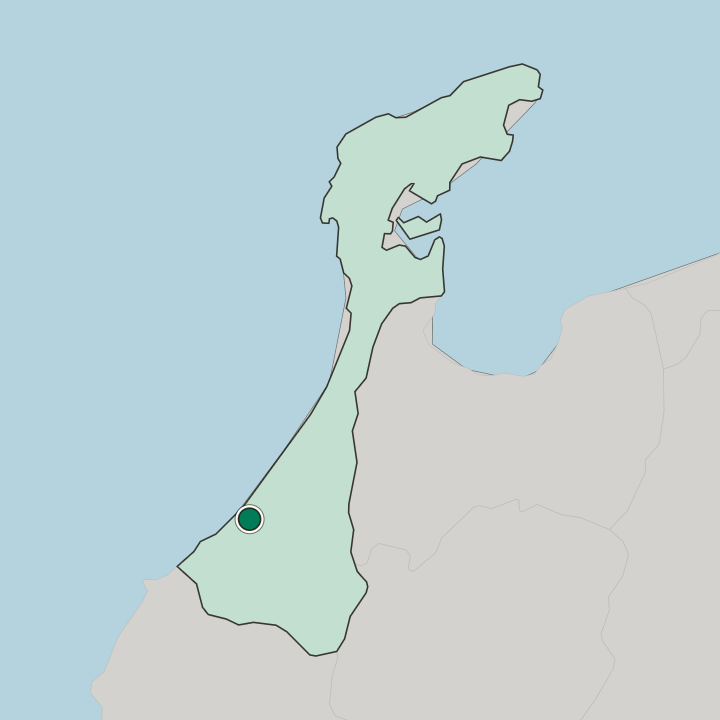
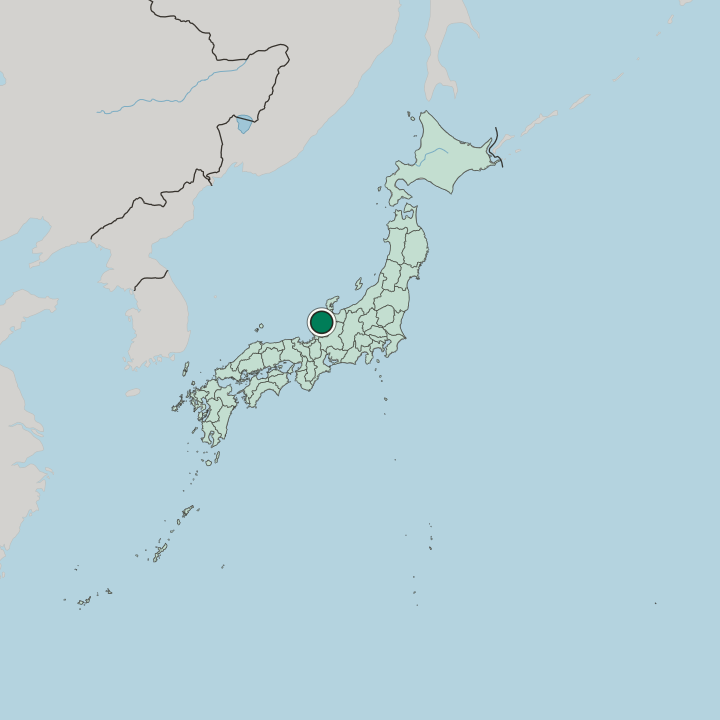
Komatsu is a city of two registers. A little over three hundred and seventy square kilometres of Ishikawa Prefecture belong to it, enough ground to carry both the works that make the city's living and the temple ground at Nata-dera. Yunokuni no mori sits in the same municipality.
Science Hills Komatsu and the Komatsu City Museum stand within the same boundary, which is a short list for so much ground.
What is the climate of Komatsu?
A temperate climate governs Komatsu's year. That puts four distinct seasons on the calendar rather than one long humid stretch, and the cold half of the year decides when Nata-dera Temple is worth the walk out. Indoor days have their answer.
Science Hills Komatsu and the Komatsu City Miyamoto Saburo Art Museum work as well in the cold months as in the warm ones.
How do you get to Komatsu?
Arrivals land in a working city. Komatsu covers a little over three hundred and seventy square kilometres of Ishikawa Prefecture, so the temple at Nata-dera and the collections in town are separate legs of the same visit rather than one walk. Science Hills Komatsu and the Komatsu City Museum both carry the city's name.
Yoshishima Shrine and Yunokuni no mori ask for legs of their own.
Common questions
What is the best area to stay in Komatsu?
Around Nata-dera: Temple visits to Nata-dera Temple. The Komatsu City Museum side: Museum days at the Komatsu City Museum and Science Hills Komatsu. Near Yunokuni no mori: Slower days out at Yunokuni no mori. By Yoshishima Shrine: Quiet nights near Yoshishima Shrine.
More cities in Ishikawa-ken
Updated October 2026