Japan · Iwate
Where to Stay in Kitakami, Iwate
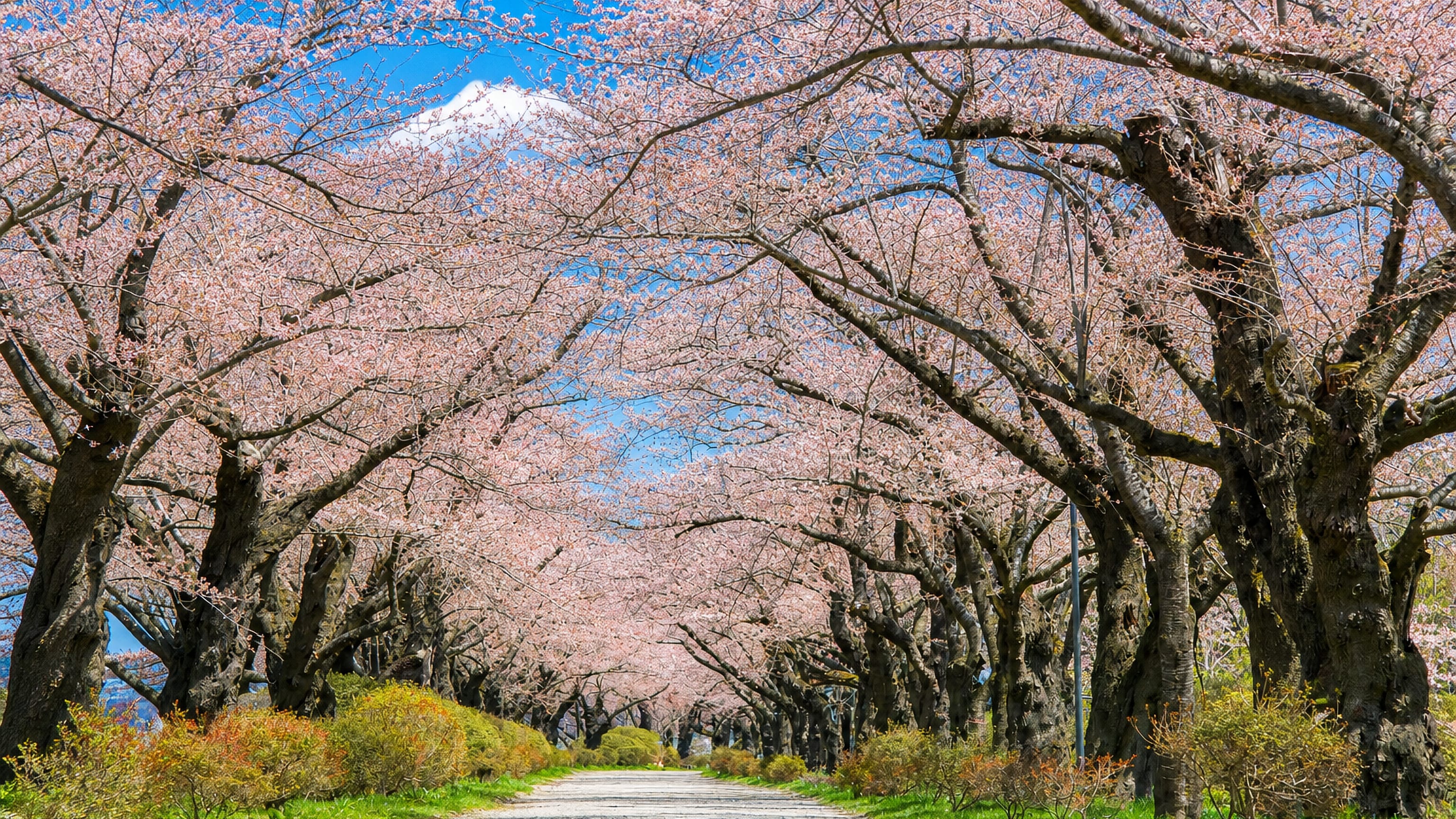
Kitakami is a city in Iwate Prefecture, Japan, known for the sakura that bloom each spring in Tenshochi Park.
Hotel links are affiliate links: booking through them may earn us a commission, at no extra cost to you. It never affects how places are ranked. How this works


Where to stay in Kitakami
Where visitors usually base themselves, and why.
Timing decides more than location here. During the weeks when the sakura open at Tenshochi Park, every bed in Kitakami is worth more than it is for the rest of the year, and the closer ones go first. Outside that window the city relaxes.
A central base covers the Kitakami City Museum, the Satō Hachirō Memorial Museum and the Kojin Toneyama Memorial Museum on foot or with a short drive. The Michinoku Folklore Village is different. It asks for a slower half-day, and a stay pointed that way suits anyone who would rather spend the morning among old buildings than in a museum hall.
Rooms out there are limited. The Museum of Contemporary Japanese Poetry, Tanka and Haiku belongs to the same city itinerary as the memorial museums, so one base handles all of it. Roads through Iwate Prefecture make the outlying stops manageable.
The city is compact where it matters, and the difference between a central room and one further out shows up only in the blossom weeks. Blossom season is the exception to every rule above, since the sakura pull enough visitors into Kitakami to make an early booking the only reliable plan. Book early.
Find hotels in Kitakami
Direct booking searches for these neighbourhoods.
Around Tenshochi Park
Tenshochi Park is the reason the calendar matters in Kitakami, and rooms near it go early in the blossom weeks.Find hotels in Around Tenshochi Parkmuseum days at the Kitakami City MuseumCentral Kitakami
The Kitakami City Museum and the Satō Hachirō Memorial Museum both work from a bed in the built-up city.Find hotels in Central Kitakamian unhurried morning among old buildingsToward the Michinoku Folklore Village
The Michinoku Folklore Village needs a slower half-day, and lodging on that side of the municipality is thin. Few places to stay nearby — book ahead.Find hotels in Toward the Michinoku Folklore VillageHotel links are affiliate links: booking through them may earn us a commission, at no extra cost to you. It never affects how places are ranked. How this works
About Kitakami
Blossom is the whole reputation.
What is Kitakami known for?
Tenshochi Park draws people for the sakura, and the city's fame rests on that flowering more than on anything else within its boundary. Poetry has its own institution. The Museum of Contemporary Japanese Poetry, Tanka and Haiku gives both forms a permanent address, and the Michinoku Folklore Village holds the older rural material alongside it.
What are the main landmarks in Kitakami?
Tenshochi Park is the landmark that matters most. Its sakura are what the city is known for, and nothing else in Kitakami draws the same crowd. The rest is indoors, mostly.
The Kitakami City Museum, the Satō Hachirō Memorial Museum, the Kojin Toneyama Memorial Museum and the Museum of Contemporary Japanese Poetry, Tanka and Haiku give four separate collections to a city of this size, and the Michinoku Folklore Village adds an open-air one.
What is the history of Kitakami?
Kitakami was established in 1954. The municipality that took shape then gathered ground that had been farmed and settled long before, and the Michinoku Folklore Village preserves the buildings that record that older life. The Kitakami City Museum keeps the documentary side of that same story indoors.
Trees came to define the place instead. Tenshochi Park and its sakura turned a local spring into the thing the city is known for well outside Iwate Prefecture, and the blossom calendar still governs the visitor year. Two names stayed attached to the city.
Satō Hachirō and Kojin Toneyama each have a memorial museum here, which is an unusual thing for a municipality this size to carry twice over. Verse got its own building. The Museum of Contemporary Japanese Poetry, Tanka and Haiku made the short forms a permanent civic subject rather than a passing one, and few cities of this size have done the same.
None of that is castle history or battlefield history. Kitakami's past is domestic, agricultural, and literary, and the institutions that hold it are museums rather than monuments.
Where is Kitakami?
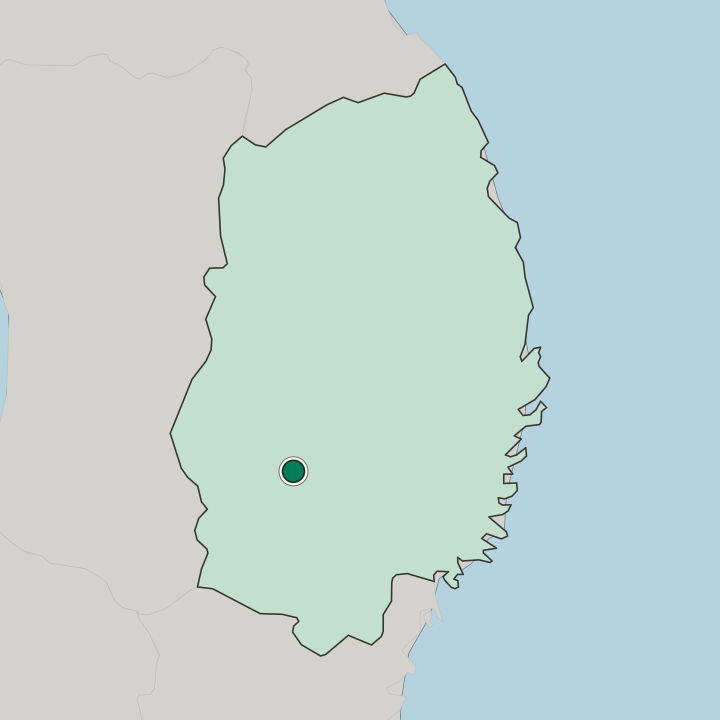
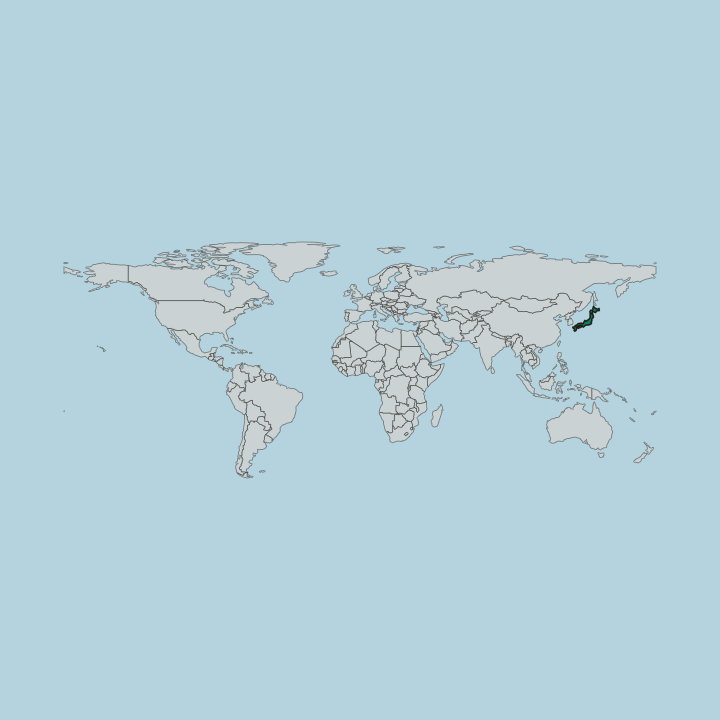
Kitakami lies inland in Iwate Prefecture. The built-up city holds most of what a visitor needs, and the Kitakami City Museum, the memorial museums and Tenshochi Park all belong to the same short list of stops. No coast reaches the city.
The Michinoku Folklore Village belongs to the rural part of the municipality, where the ground opens out beyond the streets.
What is the climate of Kitakami?
The blossom clock says everything. Sakura at Tenshochi Park arrive later than they do on warmer ground, because Kitakami sits inland in Iwate Prefecture with no sea nearby to hold the winter off. Summer and winter pull a long way apart.
Winter closes the outdoor half of a visit, which leaves the Kitakami City Museum and the Museum of Contemporary Japanese Poetry, Tanka and Haiku doing the work until the park comes back.
How do you get to Kitakami?
Kitakami is an inland stop in Iwate Prefecture. Arriving puts a visitor within reach of Tenshochi Park and the museums without much further planning, since the built-up city carries nearly all of them. The folklore village is the outlier.
Reaching the Michinoku Folklore Village takes a short drive out of the centre, and pairing it with the Satō Hachirō Memorial Museum or the Kojin Toneyama Memorial Museum makes a full day of it.
Common questions
What is the best area to stay in Kitakami?
Around Tenshochi Park: stays timed to the sakura. Central Kitakami: museum days at the Kitakami City Museum. Toward the Michinoku Folklore Village: an unhurried morning among old buildings.
More cities in Iwate
Updated October 2026