Japan · Iwate
Where to Stay in Miyako, Iwate
Jōdogahama decides the day. Miyako holds the easternmost coast of Honshu in Iwate Prefecture, with national park wrapped around the city.
Hotel links are affiliate links: booking through them may earn us a commission, at no extra cost to you. It never affects how places are ranked. How this works


Where to stay in Miyako
Where the beds are, and what that means for the visit.
Jōdogahama decides it for most. A room out by the beach sits inside the national park that gives Miyako its standing, with the Sakiyama Blowhole further along the same shore and very little in the way of shops. The built-up city is the other option.
Streets around the Former Azumaya Sake Brewery and the Moriai Family Residence put services, food and the everyday business of Miyako within reach, which matters more on a long stay than a short one. Both belong to the same eastern coast of Honshu, and the choice is really about what a morning should open onto. Distance is the real constraint.
Miyako runs far back from the water toward Mount Hayachine, so a bed chosen without checking which end of the city it occupies can leave the beach well out of walking range. Ask which end first. The Iwate Prefectural Fishery Science Museum and the Sakiyama Shell Mound both belong to the shoreline half, and a stay pitched inland trades them for quiet ground and the mountain approach.
Older buildings reward a slower pace, and a visitor who has taken the inland option will cross Miyako at least once to reach them.
Find hotels in Miyako
Direct booking searches for these neighbourhoods.
The Jōdogahama shore
Beds on this side of Miyako put the Sakiyama Blowhole and the park coastline within an easy run, at the cost of shops and evening options. Lodging is scarce in this area; reserve in advance.Find hotels in The Jōdogahama shoreStays built around the Former Azumaya Sake Brewery and everyday errandsCentral Miyako
The Moriai Family Residence and the brewery stand in the built-up part of Miyako, where food and services are at hand rather than a drive away.Find hotels in Central MiyakoWalkers pointed at Mount Hayachine instead of the waterThe Mount Hayachine side
Inland Miyako trades the shoreline for high ground and quiet, and it suits anyone who came for the mountain rather than for Jōdogahama. Beds are limited here, so book early.Find hotels in The Mount Hayachine sideHotel links are affiliate links: booking through them may earn us a commission, at no extra cost to you. It never affects how places are ranked. How this works
About Miyako
The beach carries the visit.
What is Miyako known for?
Jōdogahama draws people to the water's edge, and the national park surrounding Miyako gives this shore a standing that reaches well beyond Iwate Prefecture. Sakiyama Blowhole answers with noise, forcing seawater up through rock a short way along the same coast. Prehistory sits nearby at the Sakiyama Shell Mound.
For anyone curious about what the water holds rather than how it looks, the Iwate Prefectural Fishery Science Museum makes the working sea legible.
What are the main landmarks in Miyako?
Hideshima islet lies offshore. Mount Hayachine stands at the other extreme, high ground reached from the inland side rather than the beach, and the pair marks how much country a single Iwate city can cover. Sakiyama Shell Mound records much earlier use of the same shoreline.
The Moriai Family Residence and the Former Azumaya Sake Brewery survive as built evidence of a working Miyako, and both sit well away from Jōdogahama.
What is the history of Miyako?
The record starts at the shell mound. Sakiyama Shell Mound holds the discarded evidence of people who ate from this shoreline long before any of it was written down, and it remains the oldest thing in Miyako by an enormous margin. Everything after it is comparatively recent.
Miyako became a city in 1941, a municipal fact rather than a founding, since settlement along this part of the Iwate coast plainly ran for centuries before the paperwork caught up. The mound sits on the shoreline that Jōdogahama has since made famous, which puts the two ends of local history within sight of each other. Two buildings carry the later story.
The Moriai Family Residence and the Former Azumaya Sake Brewery both survive in the city, one domestic and one industrial, and between them they say more about how Miyako lived than any single date can. Brewing needed water. A household of that standing needed land, and the fact that both structures were thought worth keeping suggests a place that had something to lose.
Jōdogahama entered last, as the coast around it became national park. The Iwate Prefectural Fishery Science Museum belongs to the same modern turn, treating the sea as a subject rather than only a livelihood.
Where is Miyako?
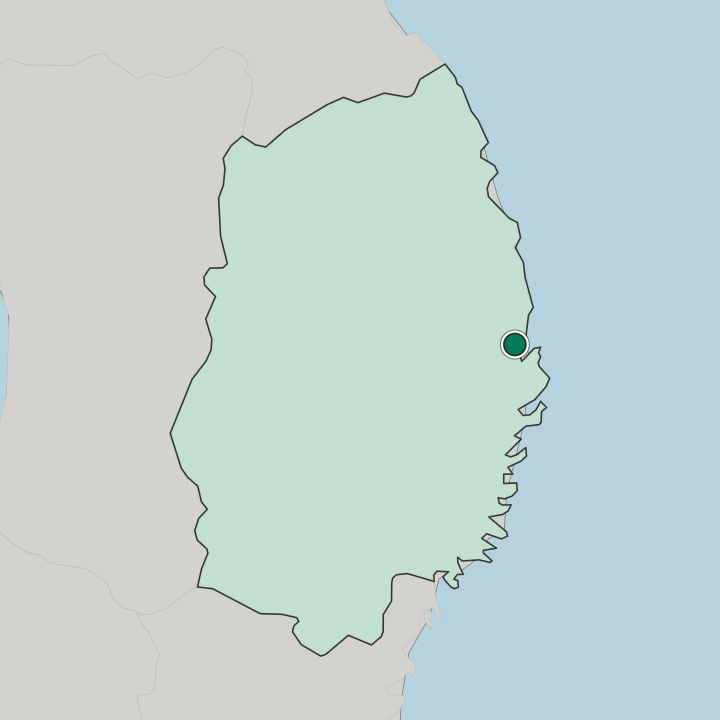
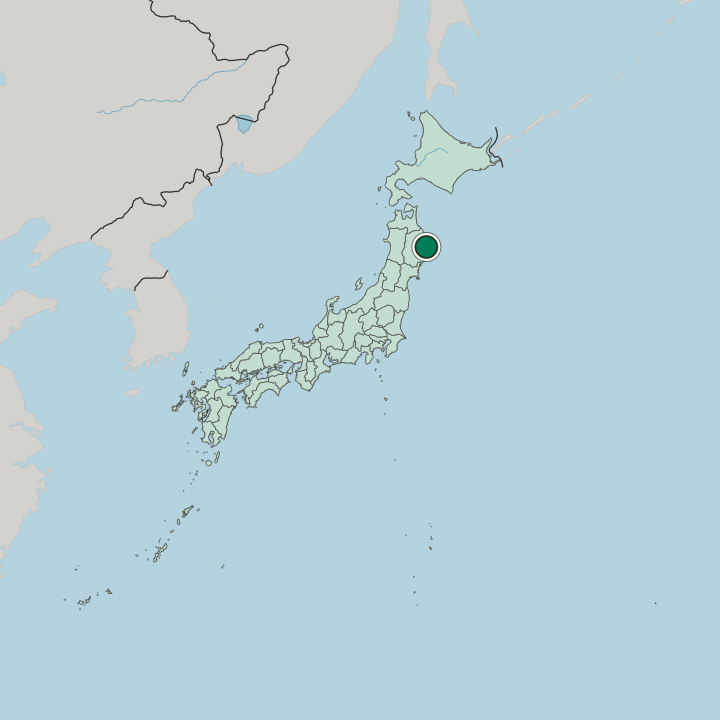
Honshu ends here, more or less. Miyako occupies the easternmost coast of that island inside Iwate Prefecture, a city whose territory reaches from the water back into high country below Mount Hayachine. Hideshima islet sits off the shore.
Jōdogahama and the Sakiyama Blowhole belong to the same rocky stretch, most of which falls inside the national park that surrounds the city.
What is the climate of Miyako?
Sea air keeps the extremes off this coast. Miyako sits in the temperate band of Honshu with open water on one side, so the coast at Jōdogahama runs to a narrower range of conditions than ground further inland ever manages. Mount Hayachine is the exception.
Height rewrites the local weather, and a walk on the mountain has little in common with an afternoon spent beside the Sakiyama Blowhole.
How do you get to Miyako?
Arrival is overland across Iwate. Miyako lies on the far coastal edge of Iwate Prefecture, and the usual approach crosses the interior of Honshu, which makes the last stretch of any journey the part that decides the day. The city itself is huge.
Ground stretches from Mount Hayachine to Hideshima islet, and moving between the two ends of Miyako takes far longer than the map of a single municipality suggests.
Common questions
What is the best area to stay in Miyako?
The Jōdogahama shore: Waking up inside the national park that frames Jōdogahama. Central Miyako: Stays built around the Former Azumaya Sake Brewery and everyday errands. The Mount Hayachine side: Walkers pointed at Mount Hayachine instead of the water.
Good for
More cities in Iwate
Updated September 2026