Japan · Iwate
Where to Stay in Ōshū, Iwate
Beef and the Fujiwara story. Ōshū takes in a wide stretch of Iwate Prefecture, with Fujiwara no Sato staging the Northern Fujiwaras on a film lot.
Hotel links are affiliate links: booking through them may earn us a commission, at no extra cost to you. It never affects how places are ranked. How this works


Where to stay in Ōshū
How the choice of base plays out on the ground.
Fujiwara no Sato and Maesawa pull in different directions. The film lot sits well away from the beef country that gives Ōshū its name at the table, and a city of nearly a thousand square kilometres does not forgive a badly chosen base. These are genuine distances. Ōshū covers ground on a scale closer to a rural district than a town, so the drive between two of its own attractions can take longer than the visit to either.
Maesawa Beef is worth planning around, since the reason to eat it is that it comes from this ground rather than from a menu anywhere else. The museums cluster, which helps. Ōshū Space and Astronomy Museum, the Kimura Hisashi Memorial Museum, the Ōshū Samurai Estate Museum and the Ōshū City Archaeological Research Center sit close enough together that one base covers all four, and the Makoto Saito Memorial Hall and the Shinpei Goto Memorial Hall stand on the same side of the city. Stay there for a museum trip.
Choose Fujiwara no Sato instead if the point of the journey is the 12th century rather than the display cases, and accept that dinner options thin out accordingly. The Count Goto Memorial Hall and the Menkoi Museum of Art round out an itinerary either way.
Find hotels in Ōshū
Direct booking searches for these neighbourhoods.
Near Fujiwara no Sato
Beds out this way put the reconstructed 12th-century sets first and the display cases of Ōshū a long way second. Few places to stay nearby — book ahead.Find hotels in Near Fujiwara no SatoEating Maesawa Beef on the ground it is raised onThe Maesawa side
The beef name that carries Ōshū furthest belongs to this stretch of farmland, where dinner is fairly treated as the reason for the trip. Beds are limited here, so book early.Find hotels in The Maesawa sideWorking through the Ōshū City Archaeological Research Center and the Menkoi Museum of Art on footThe collections quarter
Ōshū keeps most of its museums and memorial halls within one district, including the Makoto Saito Memorial Hall and the Shinpei Goto Memorial Hall.Find hotels in The collections quarterHotel links are affiliate links: booking through them may earn us a commission, at no extra cost to you. It never affects how places are ranked. How this works
About Ōshū
What is Ōshū known for?
Maesawa Beef leads the list. Ōshū is known for it well beyond Iwate Prefecture, and the city's festivals, temples and shrines fill out a reputation that does not depend on any single sight. Fujiwara no Sato is the exception. The theme park and movie lot rebuilds the 12th-century world of the Northern Fujiwaras, and it pulls in people who would otherwise pass straight through.
Shohei Ohtani and Ichiro Ozawa both claim Ōshū as home.
What are the main landmarks in Ōshū?
The archaeology comes first. Ōshū City Archaeological Research Center works on what lies under the city, and its holdings give the place a depth that Fujiwara no Sato, for all its scale, only dramatises. Temples and shrines are scattered widely. The Ōshū Samurai Estate Museum and the Choei Takano Memorial Hall belong to the built-up side, while the historic religious buildings sit across a municipality large enough to swallow several towns.
What is the history of Ōshū?
The 12th century does the talking. The Northern Fujiwaras are the story Ōshū tells about itself, and Fujiwara no Sato, a theme park and movie lot in one, stages their exploits for visitors and film crews alike. Older layers exist too. Ōshū City Archaeological Research Center deals with those, working the ground beneath a municipality that was settled long before any of it was dramatised.
Festivals carry the older calendar forward, and the temples and shrines scattered through Ōshū predate the administrative lines drawn around them. The city itself is new. Ōshū dates only from 2006, a modern administrative creation laid over places with much longer records of their own, which is why its landmarks carry names older than the municipality that lists them. Four memorial halls make the point.
The Makoto Saito Memorial Hall, the Shinpei Goto Memorial Hall, the Choei Takano Memorial Hall and the Count Goto Memorial Hall commemorate figures whose reputations were made before this city existed on any map. Shohei Ohtani and Ichiro Ozawa continue the habit, both claiming Ōshū as home, and both better known outside Iwate Prefecture than the place that produced them.
Where is Ōshū?
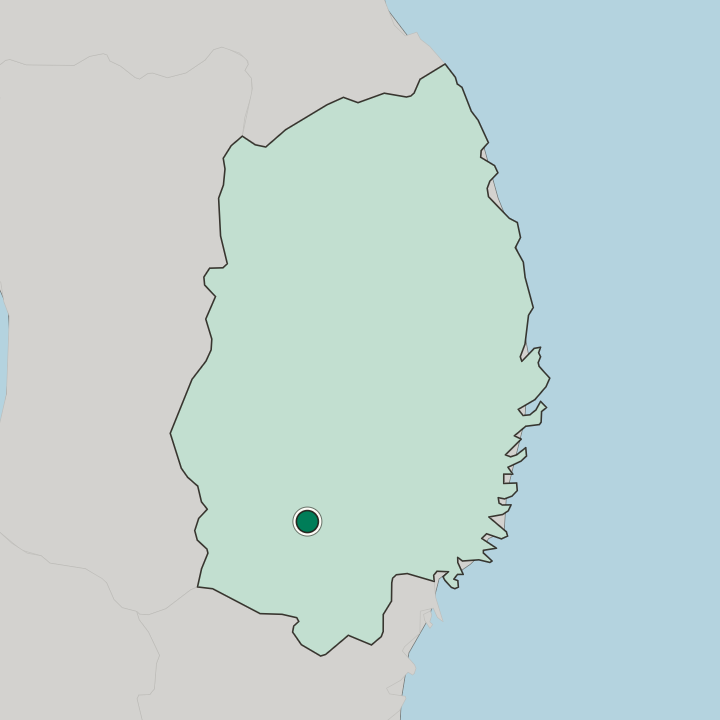
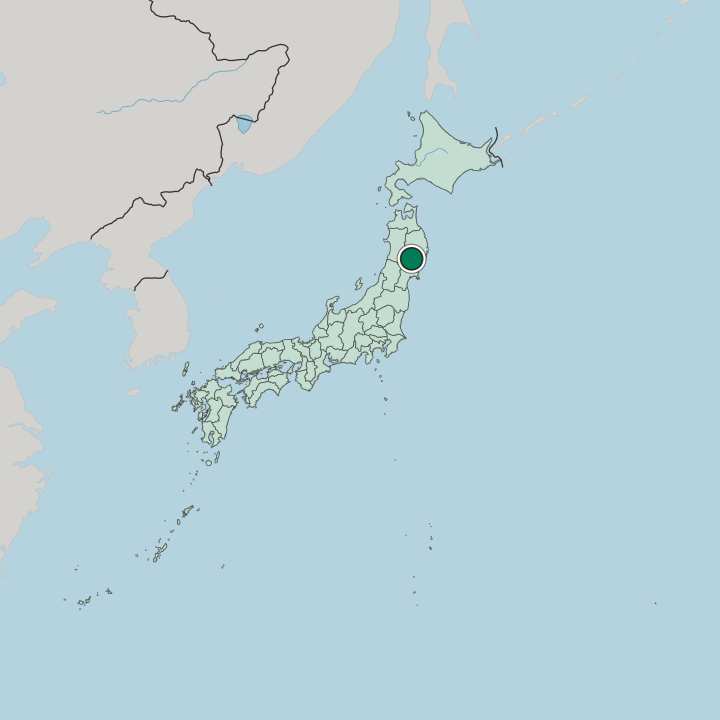
Size comes before anything else here. Ōshū takes in close to a thousand square kilometres of inland Iwate Prefecture, which makes it less a town with a hinterland than a hinterland with several towns set inside it. Farming holds most of that. Maesawa Beef comes off the same ground, and people are spread thinly enough across the whole municipality that its built-up parts read as islands in the fields.
What is the climate of Ōshū?
Fujiwara no Sato is an outdoor proposition. The sets stand open to whatever the inland weather of Iwate Prefecture is doing, so a visit there rewards a settled day and punishes a wet one in a way the museums never do. Seasons here are pronounced. Ōshū sits well back from the coast in the temperate band, which sharpens the difference between its warm months and its cold ones.
Numerous festivals fall across the warmer end of it.
How do you get to Ōshū?
A car earns its keep here. Ōshū is wide enough that the gap between Fujiwara no Sato and the Ōshū Space and Astronomy Museum decides how much of the city a single day can hold, which makes an early start worth more than an early booking. Iwate Prefecture is the wider frame. Arrivals come overland, and travellers who have fixed on Maesawa Beef or on the 12th-century sets should settle which end of Ōshū they want before booking anything.
Common questions
What is the best area to stay in Ōshū?
Near Fujiwara no Sato: A full day inside the Northern Fujiwara film lot without an early drive. The Maesawa side: Eating Maesawa Beef on the ground it is raised on. The collections quarter: Working through the Ōshū City Archaeological Research Center and the Menkoi Museum of Art on foot.
More cities in Iwate
Updated September 2026