Japan · Kagoshima-ken
Where to Stay in Izumi, Kagoshima-ken
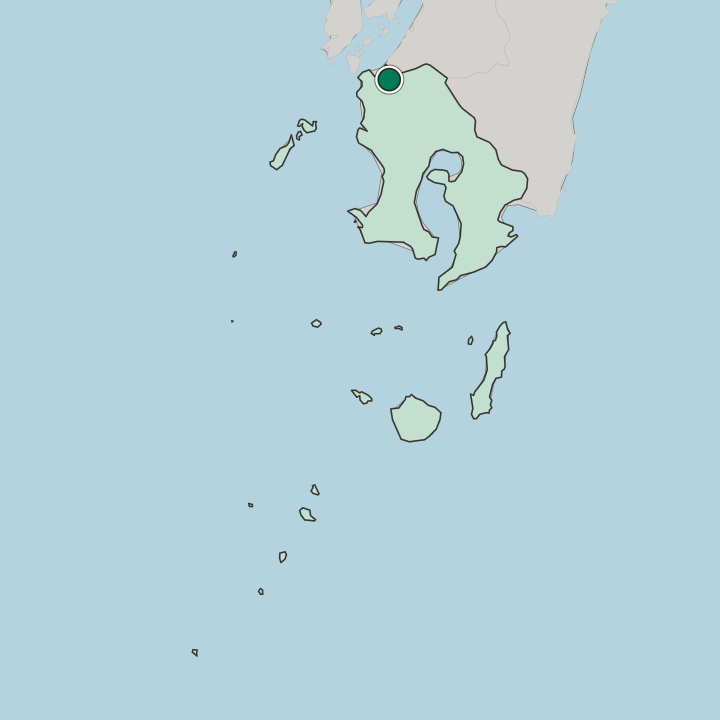
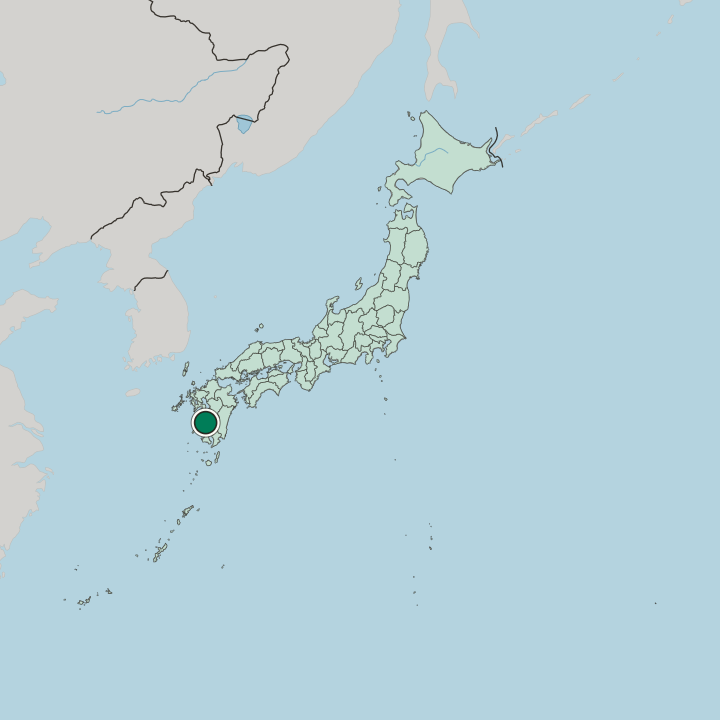
Izumi, written Izumi City, is a city in the northwestern part of Kagoshima Prefecture, known above all as a migratory place for cranes.
Hotel links are affiliate links: booking through them may earn us a commission, at no extra cost to you. It never affects how places are ranked. How this works


Where to stay in Izumi
How the choice of base plays out on the ground.
Most visits here are timed to the cranes. That sets the shape of a stay: a bed in Izumi puts the migration grounds within reach at the hours when the birds are actually on them, which no amount of daytime travel from elsewhere can replicate. Izumi-Fumoto is the other anchor.
The quarter holds the city's older ground and its own institution, and basing yourself there keeps the Izumi Fumoto History Museum and the Izumi Historical Folk Museum inside an ordinary day rather than making each one a separate expedition. Rooms are not concentrated. Izumi covers a wide municipal area with its landmarks scattered across it, so a bed anywhere in the city usually means transport out to the Uwaba Site or the crane grounds rather than a short walk from the door.
Kagoshima City is the alternative. If you want a large choice of rooms and are content to treat Izumi as a day out, base yourself in the prefecture's main centre and accept the run north-northwest; if the cranes are the reason for the journey, stay in the city itself and go out early.
Find hotels in Izumi
Direct booking searches for these neighbourhoods.
Izumi-Fumoto
The named historical quarter of Izumi, where the Izumi Fumoto History Museum stands on the very ground it explains. Beds are limited here, so book early.Find hotels in Izumi-Fumototravellers pairing the Izumi crane migration grounds with the prefecture's main centreKagoshima City
The far end of the run north-northwest to Izumi, holding the choice of rooms that the crane country never gathers.Find hotels in Kagoshima CityHotel links are affiliate links: booking through them may earn us a commission, at no extra cost to you. It never affects how places are ranked. How this works
About Izumi
Cranes come first.
What is Izumi known for?
The Izumi crane migration grounds take the birds on their seasonal passage, and the name of this city travels with them well past Kagoshima Prefecture, which is unusual for a municipality of its scale. Everything else is quieter. Izumi-Fumoto carries the historical side, set out in the Izumi Fumoto History Museum, while the Izumi Historical Folk Museum covers the everyday record.
The Uwaba Site is counted among its landmarks too.
What are the main landmarks in Izumi?
Izumi's list comes to five names. The Izumi crane migration grounds are the reason most visitors come, ground kept open for birds that arrive on migration and leave again when the season turns. Izumi-Fumoto is the counterweight.
That quarter has its own institution in the Izumi Fumoto History Museum, while the Izumi Historical Folk Museum takes the wider view of how people in this part of Kagoshima Prefecture lived and worked. The Uwaba Site closes the list.
What is the history of Izumi?
City status came to Izumi in 1954. The date marks an administrative step rather than a beginning, because the ground here already carried the Uwaba Site and the named quarter of Izumi-Fumoto long before any modern municipal boundary was drawn across it. Its name is written Izumi City.
Two institutions hold what is known of the past: the Izumi Fumoto History Museum, which stands on the ground it documents, and the Izumi Historical Folk Museum, which takes the ordinary working record of the district instead. The cranes are the other history. Birds have used these grounds on migration for long enough that the association is fixed, and the Izumi crane migration grounds now carry the name of the place into accounts written far from Kagoshima Prefecture.
Position explains some of it. Izumi stands north-northwest of Kagoshima City, out in the northwestern part of the prefecture rather than near its main centre, which left the district to keep a working rural character while the prefectural business gathered elsewhere in Japan. The Uwaba Site sits at the deep end of that record.
Izumi-Fumoto and the two museums fill in the rest, none of them built around a single dated event, all of them concerned with the long ordinary continuity of one district.
Where is Izumi?
Izumi occupies the northwestern part of Kagoshima Prefecture. The city stands north-northwest of Kagoshima City, which places it toward the prefecture's outer edge rather than in the orbit of its main centre, and the municipal area it covers is wide. Open ground is the theme.
The Izumi crane migration grounds depend on that openness, since flocks on migration need land unbroken by building, and a great deal of the city's area stays field rather than street. Izumi-Fumoto is the exception, compact where the rest is spread.
What is the climate of Izumi?
The cranes keep the calendar. Izumi lies in the subtropical band, where the warm half of the year runs long and humid, and the cold end stays mild enough that the migration grounds remain usable for the birds arriving on them. That is the local signal.
Anyone timing a trip to the Izumi crane migration grounds is timing it against the season rather than against the weather of any particular week.
How do you get to Izumi?
Kagoshima City is the reference point. Izumi lies roughly 80 km north-northwest of it, and that distance governs any arrival from the prefecture's main centre. Inside the city, distance matters again.
The Izumi crane migration grounds, Izumi-Fumoto, and the Uwaba Site are spread across a wide municipal area rather than gathered into one walkable core, so moving between them is a matter of transport rather than a walk.
Common questions
What is the best area to stay in Izumi?
Izumi-Fumoto: stays wrapped around the Izumi Fumoto History Museum and the old quarter it documents. Kagoshima City: travellers pairing the Izumi crane migration grounds with the prefecture's main centre.
More cities in Kagoshima-ken
Updated September 2026