Japan
Kagoshima-ken, Japan — Towns & Travel Guide
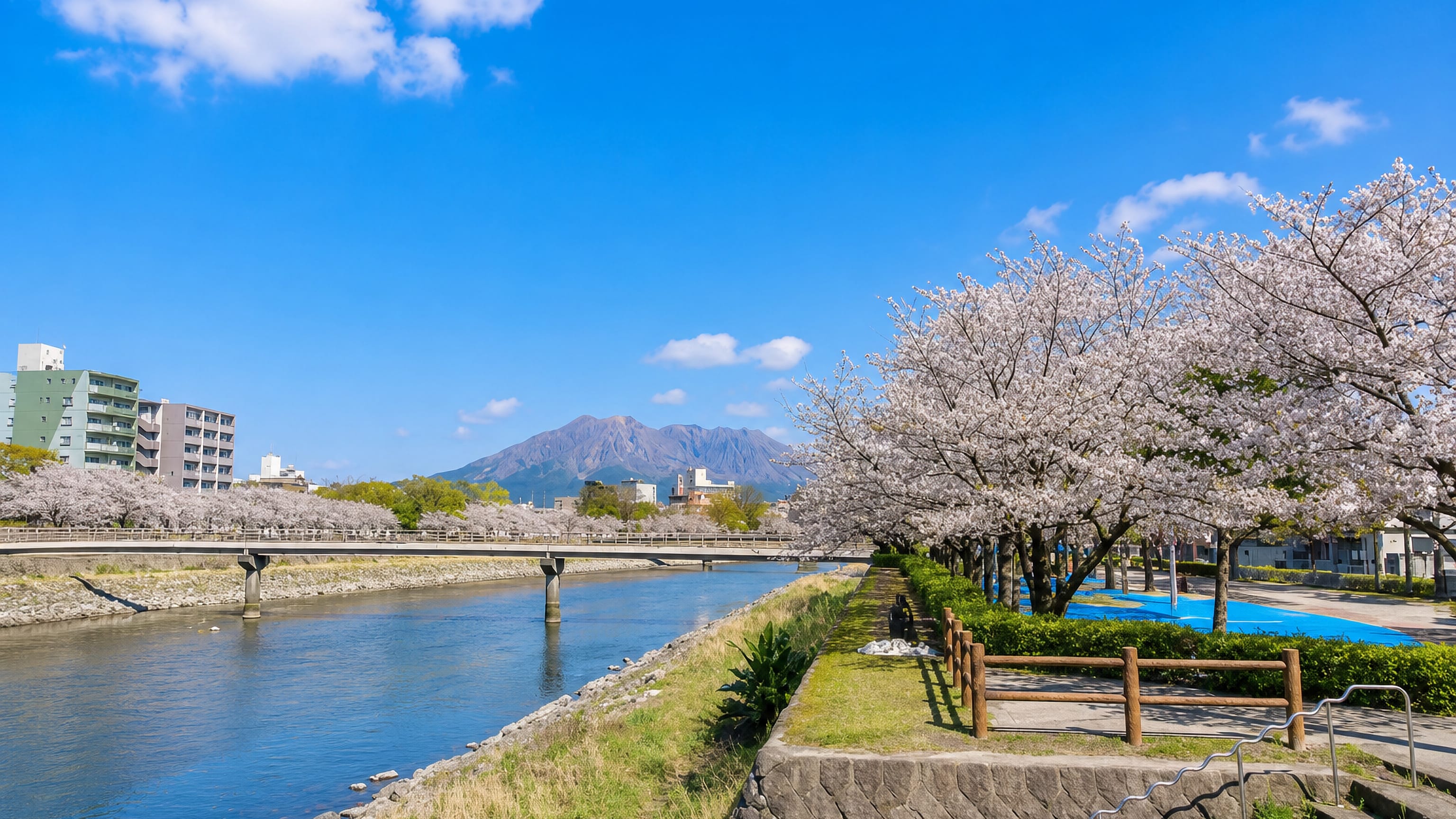
Kagoshima Prefecture spans the southern tip of Kyushu, where the volcano Sakurajima smokes over the bay facing its capital.
Hotel links are affiliate links: booking through them may earn us a commission, at no extra cost to you. It never affects how places are ranked. How this works


Towns & cities in Kagoshima-ken
Pick a town or city — each links to where to stay.

 Japan
Japan
Kagoshima
Kagoshima is the capital of Kagoshima Prefecture on southern Kyushu, a bay city facing the Sakurajima volcano across the water.Where to stay →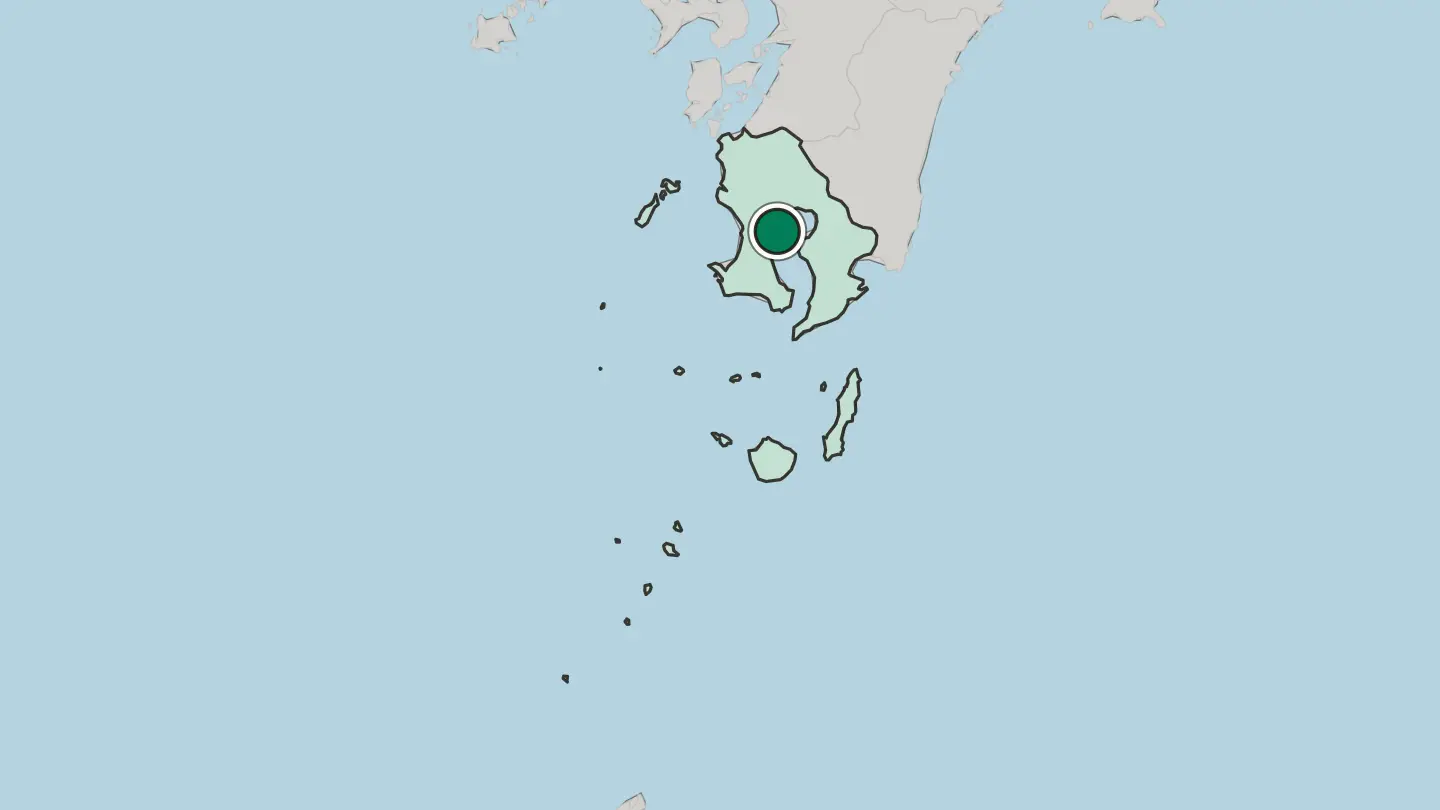 Japan
Japan
Kirishima
Two shrines, an airport and a Technopolis: Kirishima gathers all of it into one wide municipality of Kagoshima Prefecture.Where to stay →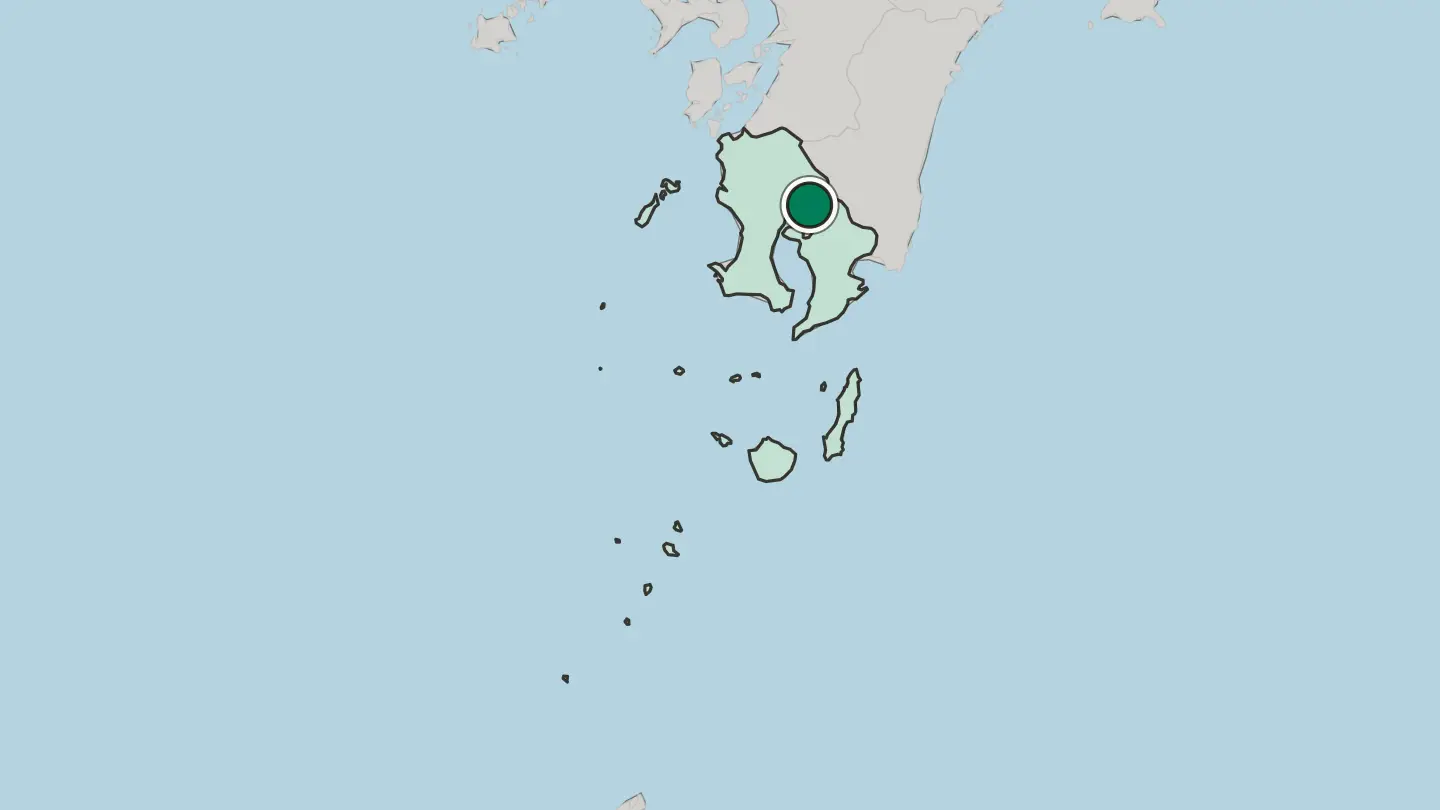
 Japan
Japan
Kanoya
Kanoya spreads across 448 square kilometres of Kagoshima Prefecture and is popularly called the Town of Roses. The air base has a museum.Where to stay →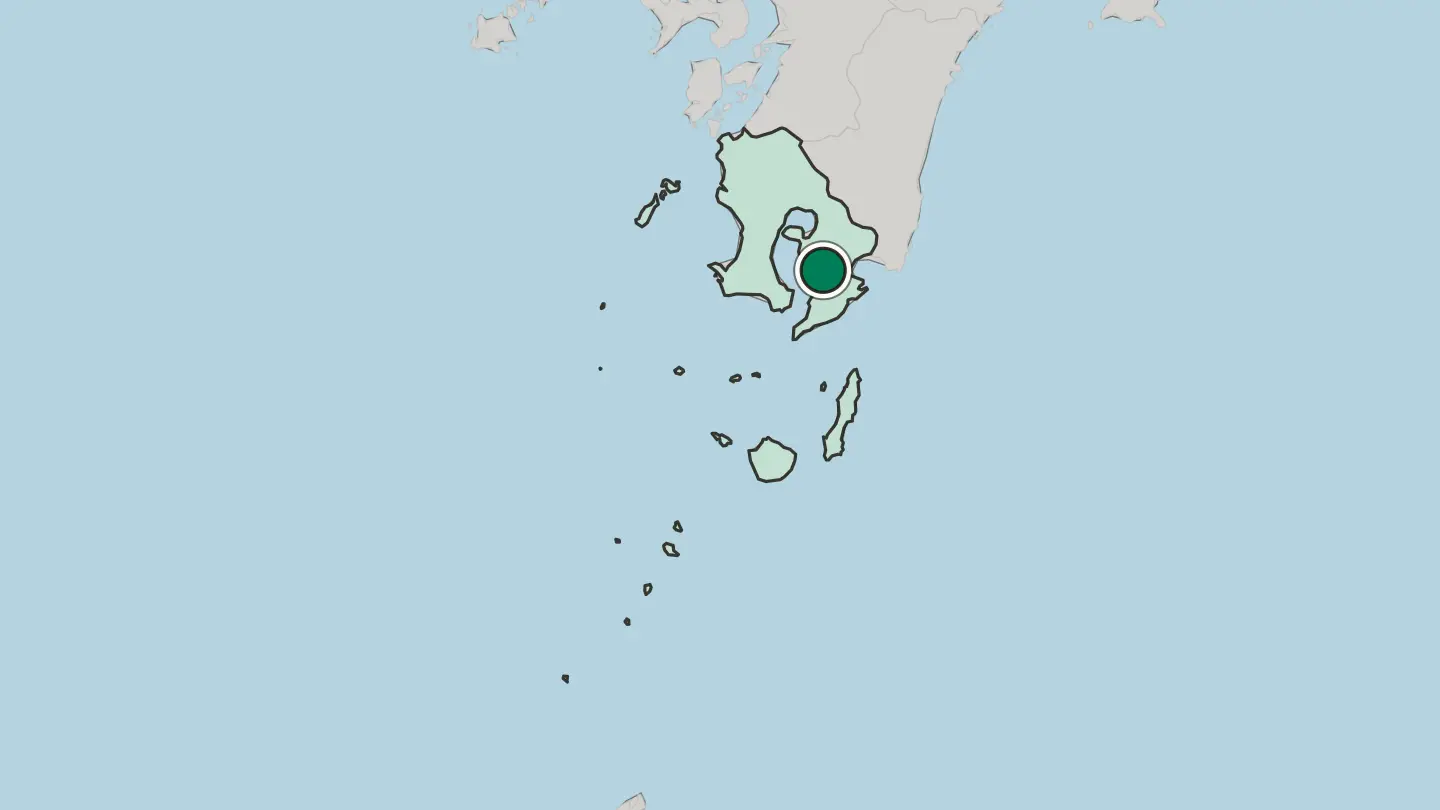 Japan
Japan
Satsumasendai
Kiyoshiki Castle, Imuta-ike and a space museum share one Kagoshima Prefecture city. Satsumasendai dates from 2004.Where to stay →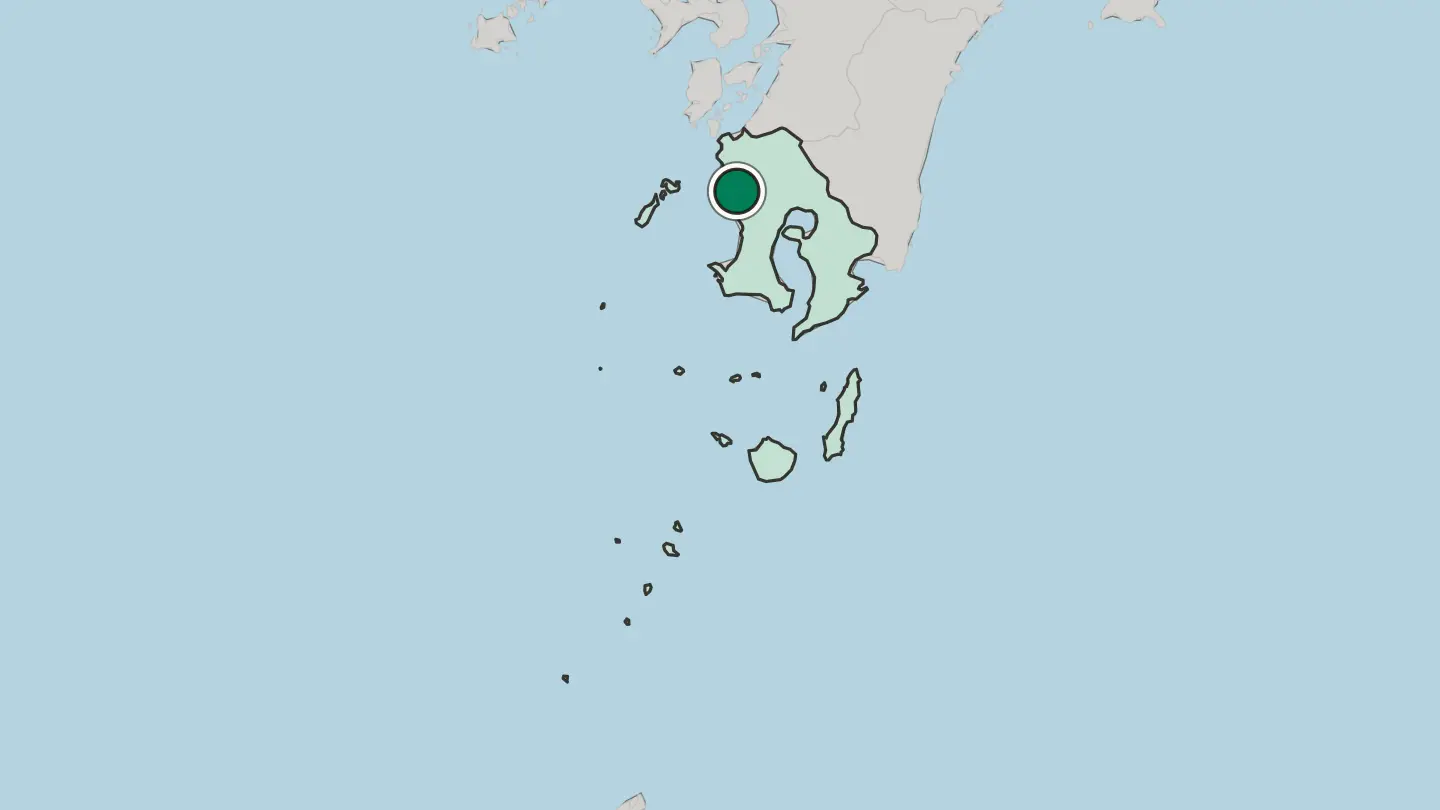 Japan
Japan
Izumi
Izumi, written Izumi City, is a city in the northwestern part of Kagoshima Prefecture, known above all as a migratory place for cranes.Where to stay →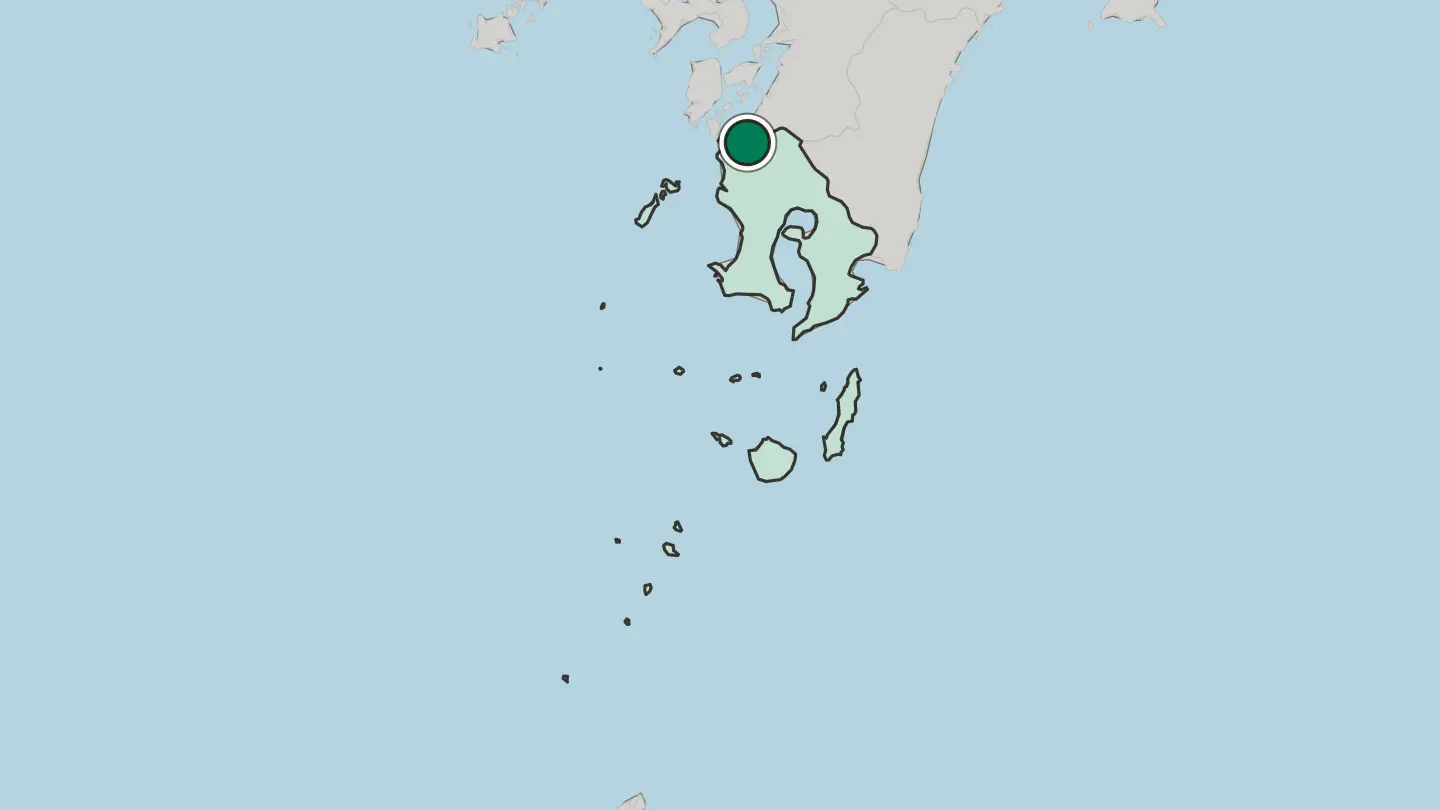
Hotel links are affiliate links: booking through them may earn us a commission, at no extra cost to you. It never affects how places are ranked. How this works
About Kagoshima-ken
Sakurajima defines the view.
What is Kagoshima-ken known for?
The volcano rises straight from Kagoshima Bay, directly opposite the capital, and it dusts the streets with grey ash whenever the wind swings back off the water toward the shore. Beyond the mainland, the prefecture trails south into the East China Sea across a long chain of islands. Yakushima guards ancient cedar forests; Tanegashima carries Japan's main rocket range.
This is the old country of Satsuma, and its volcanic fields grow the sweet potatoes behind much of the nation's imo shochu.
Where is Kagoshima-ken?
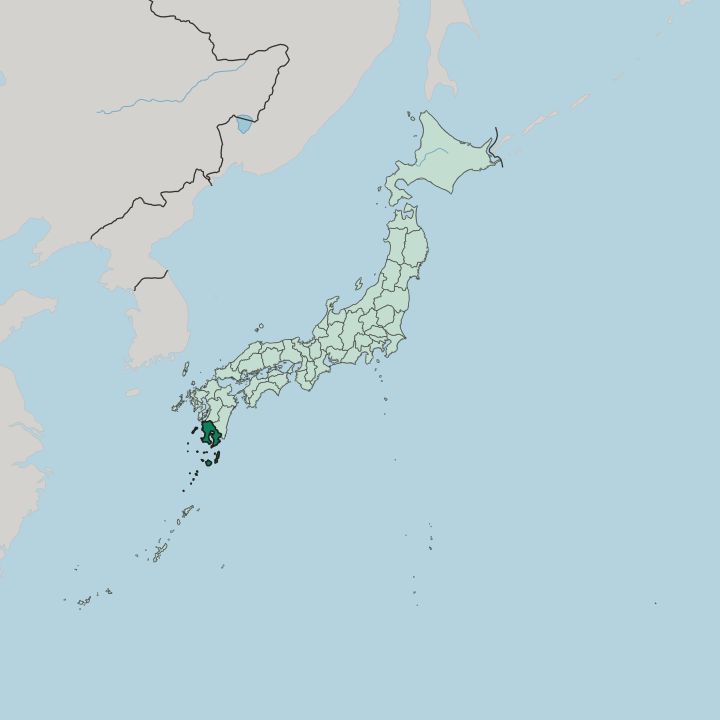
Kagoshima Prefecture occupies the southern tip of Kyushu. Two long peninsulas reach south from the mainland like a pair of open pincers. The Satsuma Peninsula forms the western arm and the Ōsumi Peninsula the eastern, and between them the sea floods deep inland to make Kagoshima Bay.
Sakurajima stands in the middle of that bay, an active volcano tethered to the Ōsumi shore by the lava of its 1914 eruption. The open water of the East China Sea washes the whole western coast. Kumamoto and Miyazaki share the northern border.
South of the mainland the prefecture breaks into islands. They scatter across hundreds of kilometres of open water toward Okinawa, in three main groups: the Ōsumi Islands nearest the coast, the Tokara chain in the middle, and the Amami Islands in the far south. Tanegashima is flat and low, Yakushima steep and drenched, though the two sit side by side.
Amami Ōshima, warm and half-covered in subtropical forest, lies closer to Okinawa than to Kagoshima city. Water is never far away here.
What is Kagoshima-ken like?
Kagoshima carries itself with the pride of old Satsuma. This was one of the most important domains of Edo-era Japan, run for centuries by the Shimazu clan from their castle beneath the volcano. That martial past still colours the place.
Saigō Takamori, the samurai who helped topple the shogunate and then died leading a doomed rebellion against the government he had built, was born here, and his statues and story are everywhere in the capital. Locals speak a thick southern dialect, Satsuma-ben, hard even for other Japanese to follow. People here are known across Japan as warm, blunt, and stubborn.
Food is the other pride. The warm fields and ash-rich volcanic soil grow sweet potatoes, among the prefecture's best-known exports, and those potatoes feed both the black Berkshire pigs raised for kurobuta pork and the more than a hundred distilleries that turn the crop into imo shochu. Satsuma-age, deep-fried fish cakes, came north from the Ryukyu Islands and took the region's name.
Ash is simply part of the routine. When Sakurajima blows, people sweep their cars and porches and carry on, and the city hands out yellow bags for the fallen grit. In the far southern islands the mood softens toward Okinawa, with Amami Ōshima keeping its own music, dyes, and dialect.
What is the history of Kagoshima-ken?
For seven centuries the Shimazu clan ruled this southern country, in the Edo period as the Satsuma Domain from Kagoshima Castle. Distance from the capital bred self-reliance. Satsuma traded with the Ryukyu Kingdom and, through it, with the wider world, and by the mid-nineteenth century its lords were casting cannon and building steamships while the rest of the country still looked inward.
That head start made Satsuma a leader of the Meiji Restoration of 1868, the coup that ended samurai rule and set Japan on its modern course. A decade later Saigō Takamori turned against that same new order.
What is the climate of Kagoshima-ken?
Kagoshima sits in the warm, humid subtropical south, tempered by the Kuroshio current that sweeps up the East China Sea. The mainland winters stay mild. Summers turn hot and sticky, and the rainy-season front parks over the region in early summer before the typhoon months of late summer and autumn drive some of the heaviest storms in Japan onto these shores.
Rain rules the islands, wrung out by mountains that trap the sea wind, and Yakushima's peaks take snow almost every winter. Sakurajima makes its own weather, and a southerly breeze can drop ash on the capital under a clear blue sky.
How do you get to Kagoshima-ken?
Getting there is easy. The Kyushu Shinkansen runs the length of the island from Hakata down to Kagoshima-Chūō, the terminus and transport hub set in the heart of the capital. Kagoshima Airport, up in the hills to the north, brings direct flights from Tokyo and the other big cities.
From the harbour, the Sakurajima ferry crosses to the volcano in about fifteen minutes and runs right through the night. Boats and small planes carry on south to Yakushima, Tanegashima, and Amami Ōshima, the scattered far corners of the prefecture out in the East China Sea.
Common questions
What is the best area to stay in Kagoshima-ken?
Kagoshima city: first arrivals and the Sakurajima ferry. Ibusuki: buried-in-hot-sand onsen bathing. Kirishima: mountain onsen and volcano hiking. Yakushima: the ancient cedar rainforest.
Good for
More regions in Japan
Updated October 2026