Japan · Kagoshima-ken
Where to Stay in Kirishima, Kagoshima-ken
Two shrines, an airport and a Technopolis: Kirishima gathers all of it into one wide municipality of Kagoshima Prefecture.
Hotel links are affiliate links: booking through them may earn us a commission, at no extra cost to you. It never affects how places are ranked. How this works


Where to stay in Kirishima
Where visitors usually base themselves, and why.
Kokubu first. The Kokubu side is the working half of the old Kokubu-Hayato pairing, where the Technopolis designation brought Sony and Kyocera, and a room there sits closest to offices, shops and the ordinary business of the city. Hayato is the other half.
Its name runs through Hayatozuka and through the Hayatozuka Historic Site Museum, which is reason enough if the older city is what you came for. Kirishima Jingū pulls in a different direction. Anyone here for the shrine, for Ōsumi Kokubun-ji Temple or for the Matsushita Museum of Art will want to be on that side rather than among the works.
Kagoshima Airport is the fourth option. Rooms near it suit an early departure or a late landing, because the airport sits inside the city boundary rather than an hour beyond it. The distances are real: more than six hundred square kilometres of Kagoshima Prefecture fall inside that boundary, so the four sides are not interchangeable.
Two major expressways and the JR Hisatsu line tie them together. Kagoshima Jingū and the site at Uenohara are worth the trip from any of the four.
Find hotels in Kirishima
Direct booking searches for these neighbourhoods.
Kokubu
The working half of the old Kokubu-Hayato pairing, closest to offices and everyday shops.Find hotels in KokubuThe older city around Hayatozuka and the Hayatozuka Historic Site MuseumHayato
Hayato lends its name both to the mound site and to the museum that interprets it.Find hotels in HayatoShrine days at Kirishima Jingū and Ōsumi Kokubun-ji TempleThe Kirishima Jingū side
The part of the city the shrine names, a different errand from the Technopolis floors.Find hotels in The Kirishima Jingū sideEarly flights out of Kagoshima AirportKagoshima Airport
Kirishima keeps the prefecture's airport inside its own boundary, not an hour beyond it.Find hotels in Kagoshima AirportHotel links are affiliate links: booking through them may earn us a commission, at no extra cost to you. It never affects how places are ranked. How this works
About Kirishima
Two shrines and an airport.
What is Kirishima known for?
Kirishima works as a crossroads for commerce between Kagoshima and Miyazaki Prefectures, and that traffic shows in the airport, the expressways and the factory floors that share a single city boundary. The two shrines, Kirishima Jingū and Kagoshima Jingū, head the list of named sites. Sony and Kyocera opened facilities after the former Kokubu-Hayato area was designated a Technopolis, which set high-tech work in the same municipality as temple ground.
The mix is unusual.
What are the main landmarks in Kirishima?
Kirishima Jingū is the name-bearer. Kagoshima Jingū stands within the same city boundary, and Ōsumi Kokubun-ji Temple, Hayatozuka and Uenohara complete a set of named sites that the 2005 merger inherited rather than created. Two museums round it off.
The Matsushita Museum of Art holds the art, and the Hayatozuka Historic Site Museum takes the ground its own name comes from.
What is the history of Kirishima?
The city is recent. Kirishima was constituted in 2005, when the former Kokubu-Hayato area and its neighbouring towns came under a single name that Kirishima Jingū had carried long before any council did. What the merger drew a line around was not new ground.
Kagoshima Jingū, Ōsumi Kokubun-ji Temple, Hayatozuka and Uenohara all sit inside that line, and every one of them was standing well before the paperwork that made them share an address. Kirishima Jingū and Kagoshima Jingū draw visitors on their own account, quite apart from the municipality that surrounds them. The names outlast the paperwork.
Industry arrived on a decision. The former Kokubu-Hayato area was designated a Technopolis, and high-tech industries took the invitation: Sony and Kyocera opened facilities in the city, putting production floors inside the same boundary as the shrine approaches. Transport did the rest.
Kagoshima Airport lies within the city, the JR Hisatsu line runs to its terminus here, and two major expressways cross the same ground, which is why Kirishima works as a crossroads for commerce between Kagoshima and Miyazaki Prefectures. Two museums hold the older thread: the Matsushita Museum of Art and the Hayatozuka Historic Site Museum.
Where is Kirishima?
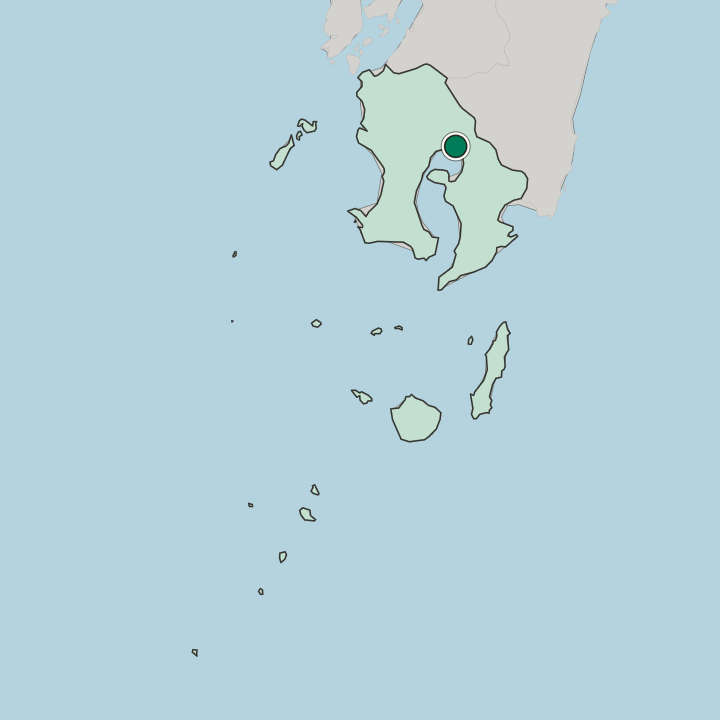
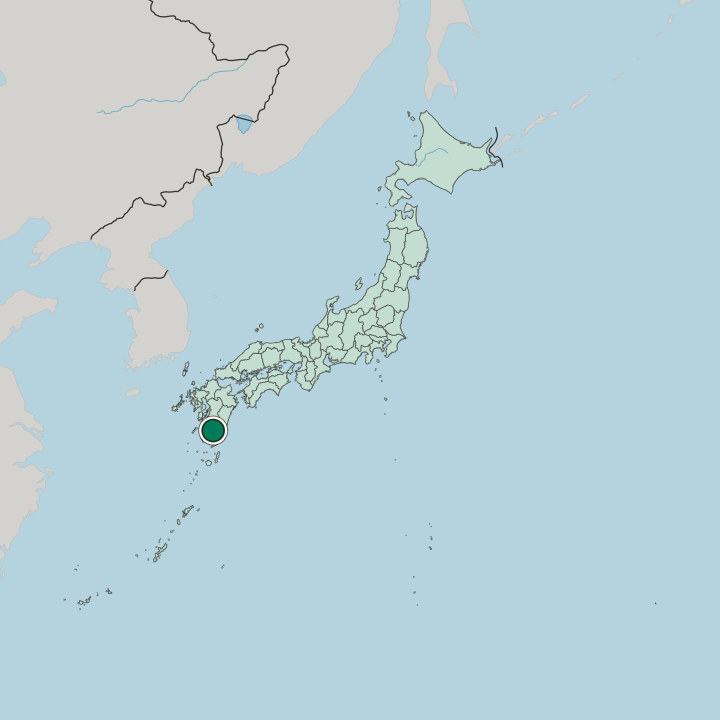
Land, not streets, sets the scale. More than six hundred square kilometres of Kagoshima Prefecture fall within the city boundary, which leaves Kagoshima Airport, the former Kokubu-Hayato area and the site at Uenohara room to sit well apart from one another. Commerce between Kagoshima and Miyazaki Prefectures crosses this ground.
Two major expressways and the JR Hisatsu line thread through it.
What is the climate of Kirishima?
Warmth outlasts the calendar here. The subtropical band that Kirishima falls in stretches the humid season well past summer, and the cold weeks come late, sit briefly and then go. Kokubu and Hayato share that pattern.
Kirishima Jingū and Kagoshima Jingū stand in it too, and anyone planning a visit around rain rather than around frost is planning for the right thing.
How do you get to Kirishima?
Kagoshima Airport is the short answer. The airport lies within the city boundary, and the JR Hisatsu line runs to its terminus here, so rail and air arrivals both finish on Kirishima ground instead of passing through it. Two major expressways handle the rest.
Commerce between Kagoshima and Miyazaki Prefectures crosses the same junction.
Common questions
What is the best area to stay in Kirishima?
Kokubu: Business at the Kokubu Technopolis plants of Sony and Kyocera. Hayato: The older city around Hayatozuka and the Hayatozuka Historic Site Museum. The Kirishima Jingū side: Shrine days at Kirishima Jingū and Ōsumi Kokubun-ji Temple. Kagoshima Airport: Early flights out of Kagoshima Airport.
Good for
More cities in Kagoshima-ken
Updated October 2026