Japan · Kanagawa · Yokohama
Isogo-ku, Yokohama — Area Guide & Where to Stay
Isogo-ku is a coastal ward of Yokohama holding the Santonodai Site, the Yokohama Tram Museum, and the Equine Museum of Japan.
Hotel links are affiliate links: booking through them may earn us a commission, at no extra cost to you. It never affects how places are ranked. How this works


Where to stay in Isogo-ku
Where visitors usually base themselves, and why.
Isogo-ku is a residential ward of Yokohama rather than a hotel core, so most visitors sleep in the central city and ride out for the day to reach its museums and prehistoric hilltops. Hotel beds inside the ward are scarce. Base yourself near the Yokohama Tram Museum if the old streetcars are your reason for the trip, since the preserved depot anchors the reclaimed flats close to the bay, while the ridge around the Santonodai Site keeps quieter streets inland above the harbour.
The Equine Museum of Japan draws the seaward edge. Pick by whether you want the water or the hills at the door.
Find hotels in Isogo-ku
Direct booking searches for these neighbourhoods.
Around the Yokohama Tram Museum
The reclaimed flats near the Yokohama Tram Museum keep the ward's old tram depot and the harbour walk within a short stroll of the door. Beds are limited here, so book early.Find hotels in Around the Yokohama Tram Museumquiet inland stays near the excavated hilltopSantonodai ridge
The wooded slope holding the Santonodai Site trades the harbour bustle for calm streets beside the excavated pit-dwelling terrace above Isogo-ku. Lodging is scarce in this area; reserve in advance.Find hotels in Santonodai ridgetravellers drawn to the horse collection and the shoreEquine Museum seafront
Blocks near the Equine Museum of Japan face the seaward margin of the ward, pairing the horse-history galleries with the bay breeze. Beds are limited here, so book early.Find hotels in Equine Museum seafrontHotel links are affiliate links: booking through them may earn us a commission, at no extra cost to you. It never affects how places are ranked. How this works
Things to do in and around Yokohama
Ranked by global recognition; descriptions from Wikidata (CC0).
Museums & Galleries
2- Equine Museum of Japan
- Yokohama City Santonodai Archaeological Museum
Castles & Historic Sites
3- Santonodai Site Heritage
- 室の木古墳
- 雑色杉本遺跡
worth knowingacross 2 categories in and around Yokohama
About Isogo-ku
What are the main landmarks in Isogo-ku?
The ward's sights run from deep prehistory to the age of the tram. On its central ridge the Santonodai Site preserves an excavated village of pit dwellings, and the Yokohama City Santonodai Archaeological Museum keeps the pottery and tools lifted from that soil, while nearby the burial mound of Muronoki Kofun raises its earthwork above the streets. Older ground lies to the south.
The dig at Zoshiki Sugimoto Site traced settlement layers under the inland slopes, and the Equine Museum of Japan gathers the story of the horse beside the bay. Streetcars fill the last stop. The Yokohama Tram Museum lines up the retired cars that once crossed the city.
What is the history of Isogo-ku?
People settled these hills long before Yokohama had a name. The excavated pit dwellings of the Santonodai Site show a village worked on the central ridge across the prehistoric ages, and the dig at Zoshiki Sugimoto Site turned up older layers under the southern slopes, while the mound of Muronoki Kofun marks a burial raised on the high ground. The sea then remade the ward.
Reclamation pushed factories and rail onto the flats along the bay, the streetcars now kept at the Yokohama Tram Museum ran through those years, and Isogo-ku settled into its place among the wards of Yokohama.
Where is Isogo-ku?
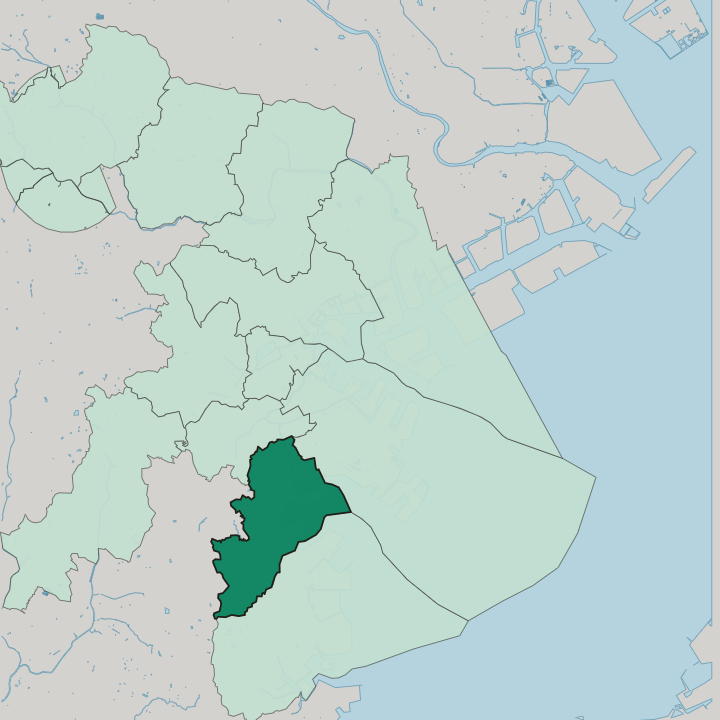
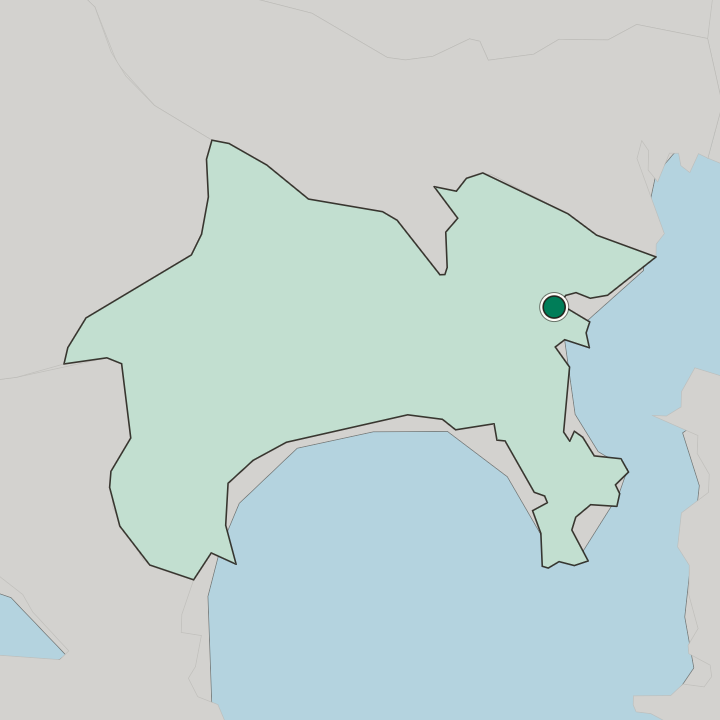
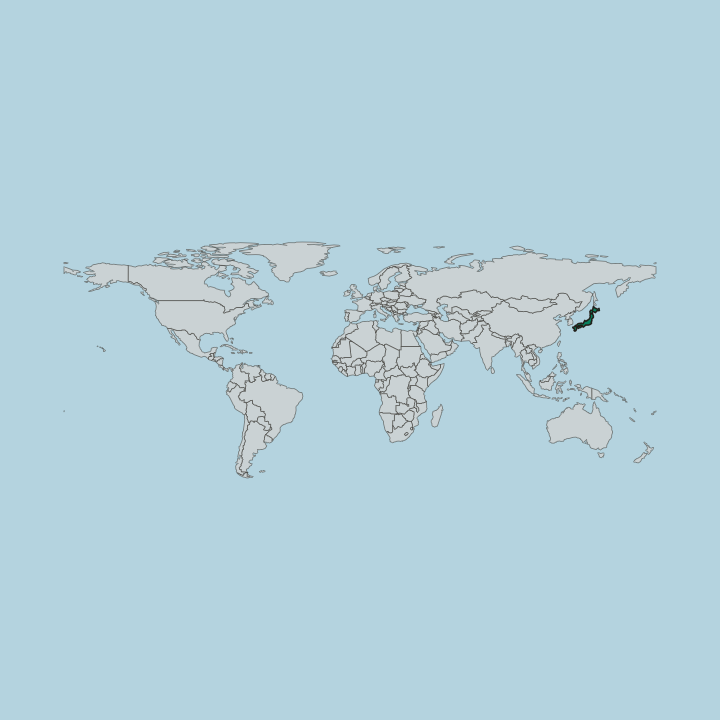
Isogo-ku covers roughly 19 square kilometres of Yokohama, its wooded ridges holding the Santonodai Site above reclaimed flats that run down to the bay. The land drops toward the water.
Common questions
What is the best area to stay in Isogo-ku?
Around the Yokohama Tram Museum: streetcar buffs and easy bay access. Santonodai ridge: quiet inland stays near the excavated hilltop. Equine Museum seafront: travellers drawn to the horse collection and the shore.
Good for
More areas in Yokohama
Updated October 2026