Japan
Kanagawa, Japan — Towns & Travel Guide
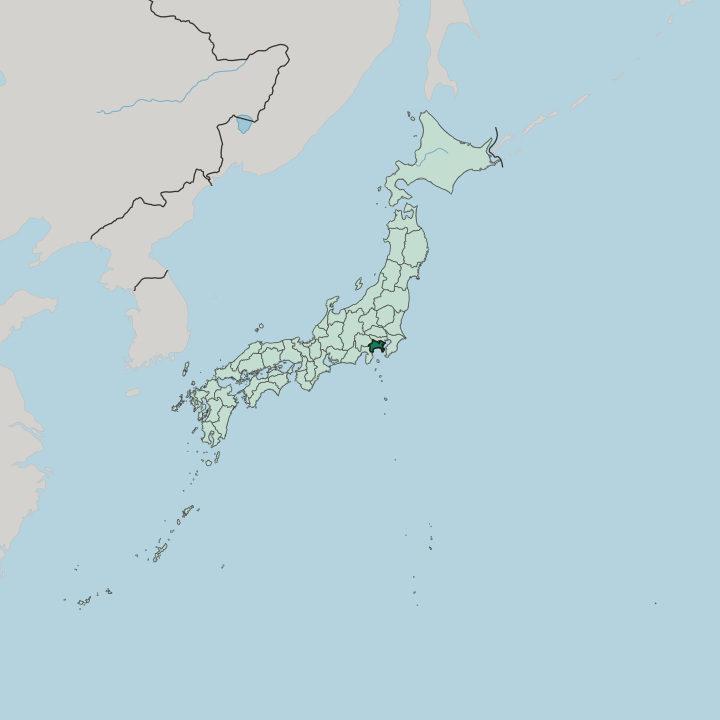
Kanagawa is a prefecture of Japan in the Kantō region of Honshu, bordering Tokyo to the north and Shizuoka Prefecture to the west.
Hotel links are affiliate links: booking through them may earn us a commission, at no extra cost to you. It never affects how places are ranked. How this works


Towns & cities in Kanagawa
Pick a town or city — each links to where to stay.
 Japan
Japan
Yokohama
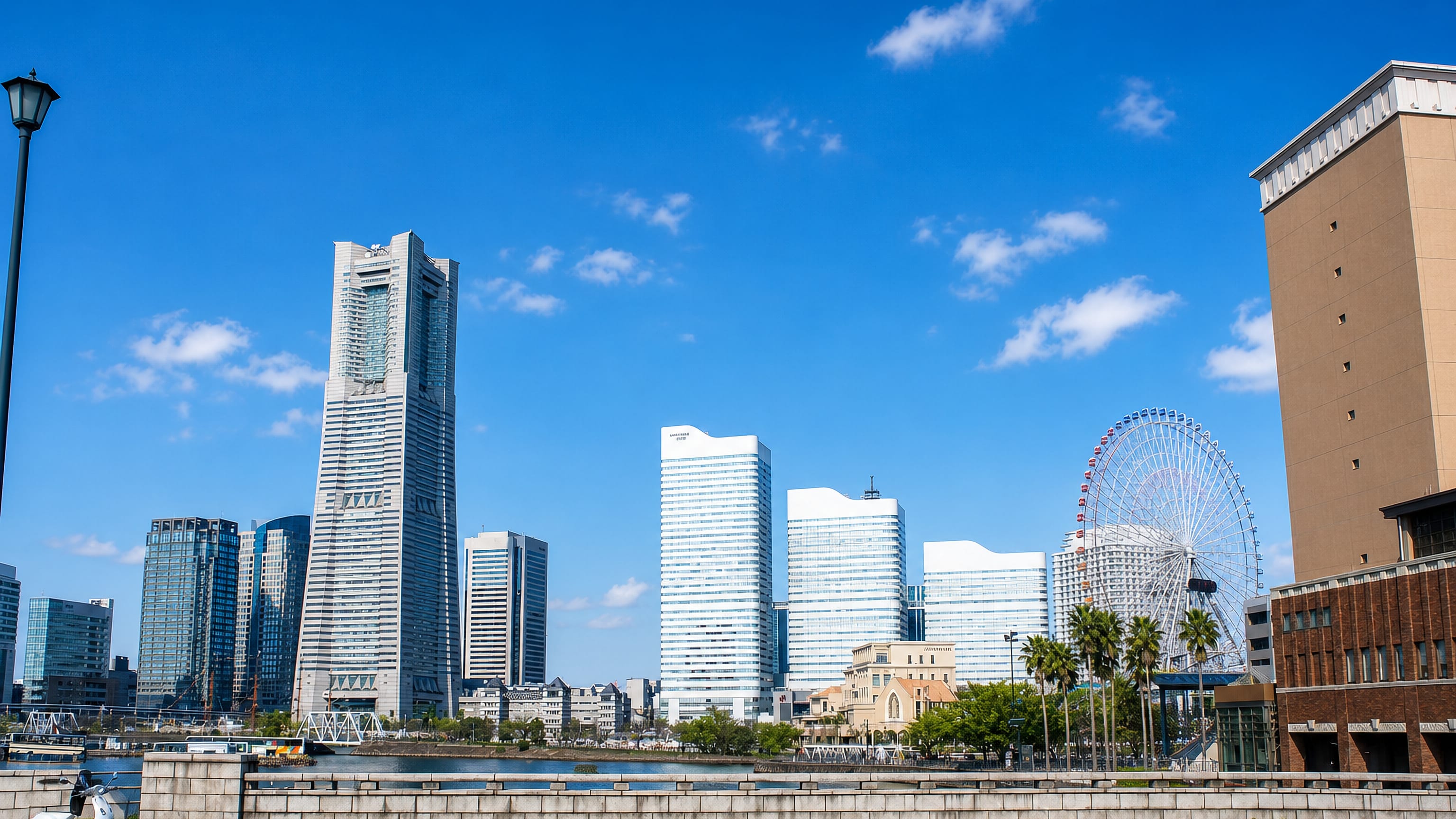
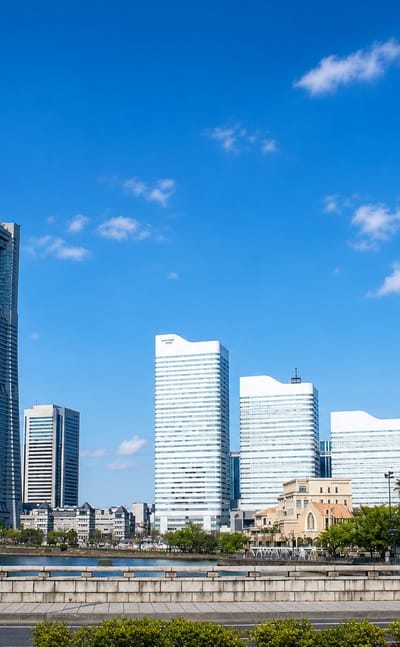
Yokohama is a major port on Tokyo Bay, capital of Kanagawa Prefecture and a harbour city in the Kantō region known for its Minatomirai waterfront.Where to stay →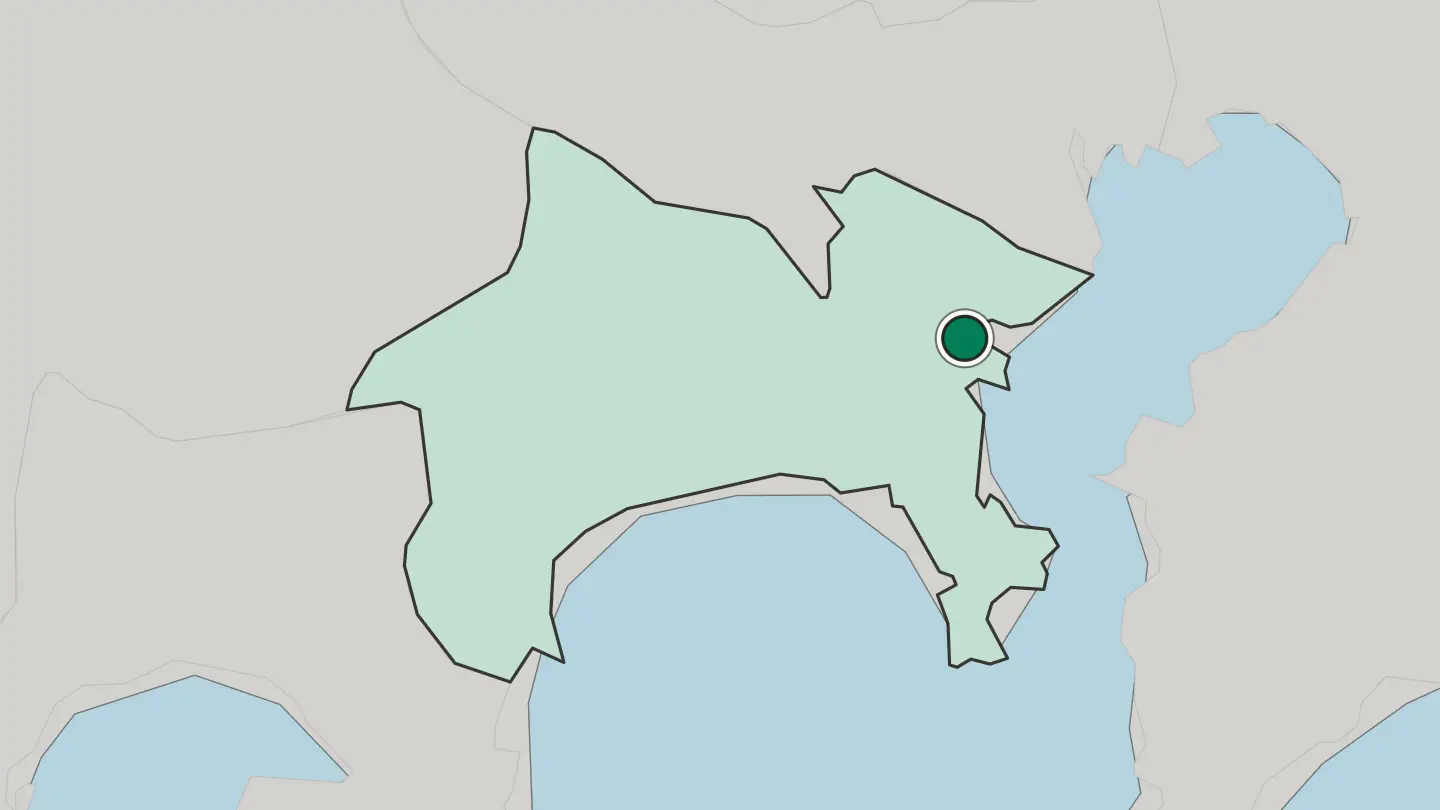
 Japan
Japan
Kawasaki
Kawasaki is a Kanagawa Prefecture city wedged between Tokyo and Yokohama, a municipality since 1924 and a working part of the Keihin Industrial Area.Where to stay →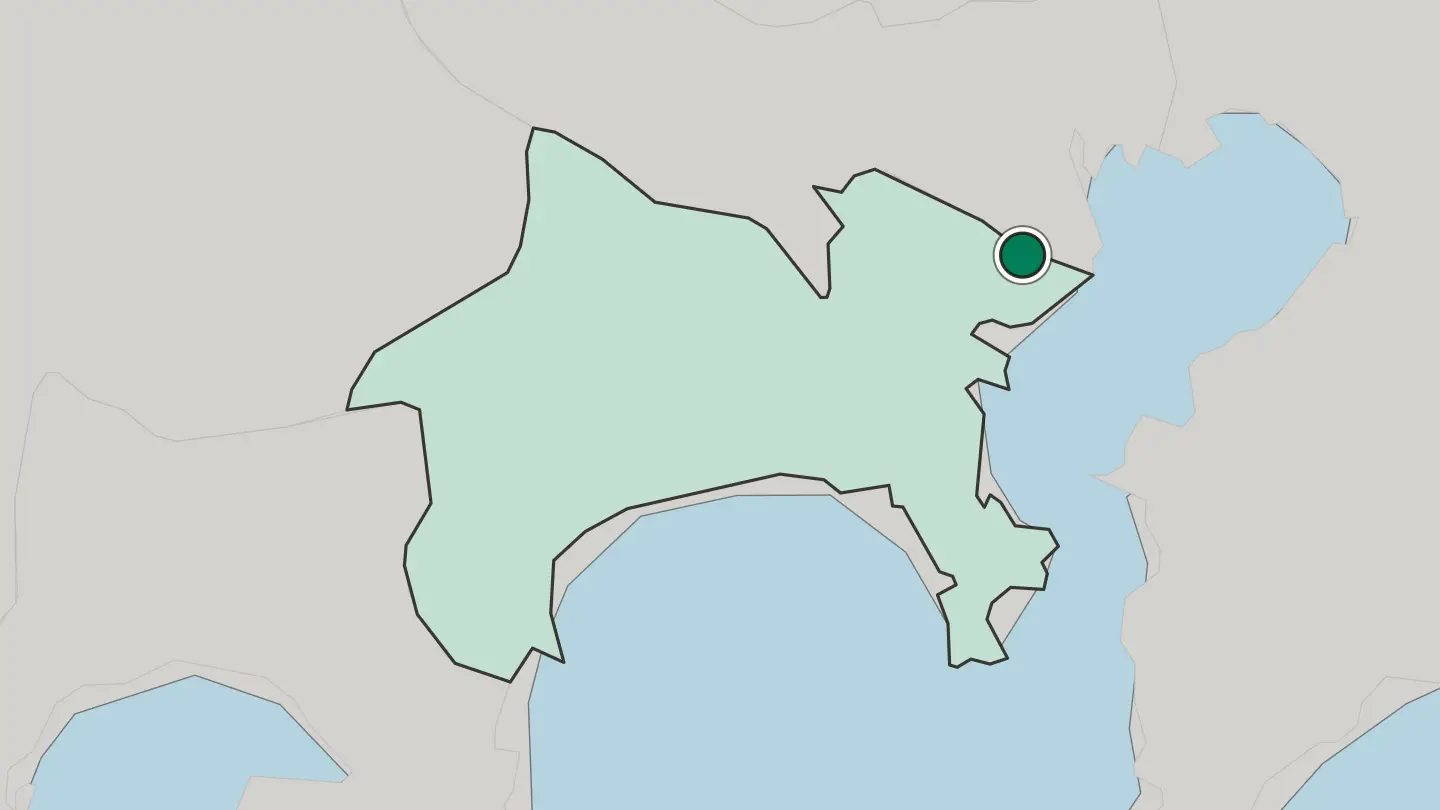
 Japan
Japan
Sagamihara
Sagamihara is a wide city of Kanagawa Prefecture inside the Greater Tokyo Area, dense with excavated Stone Age ground, and a municipality since 1941.Where to stay →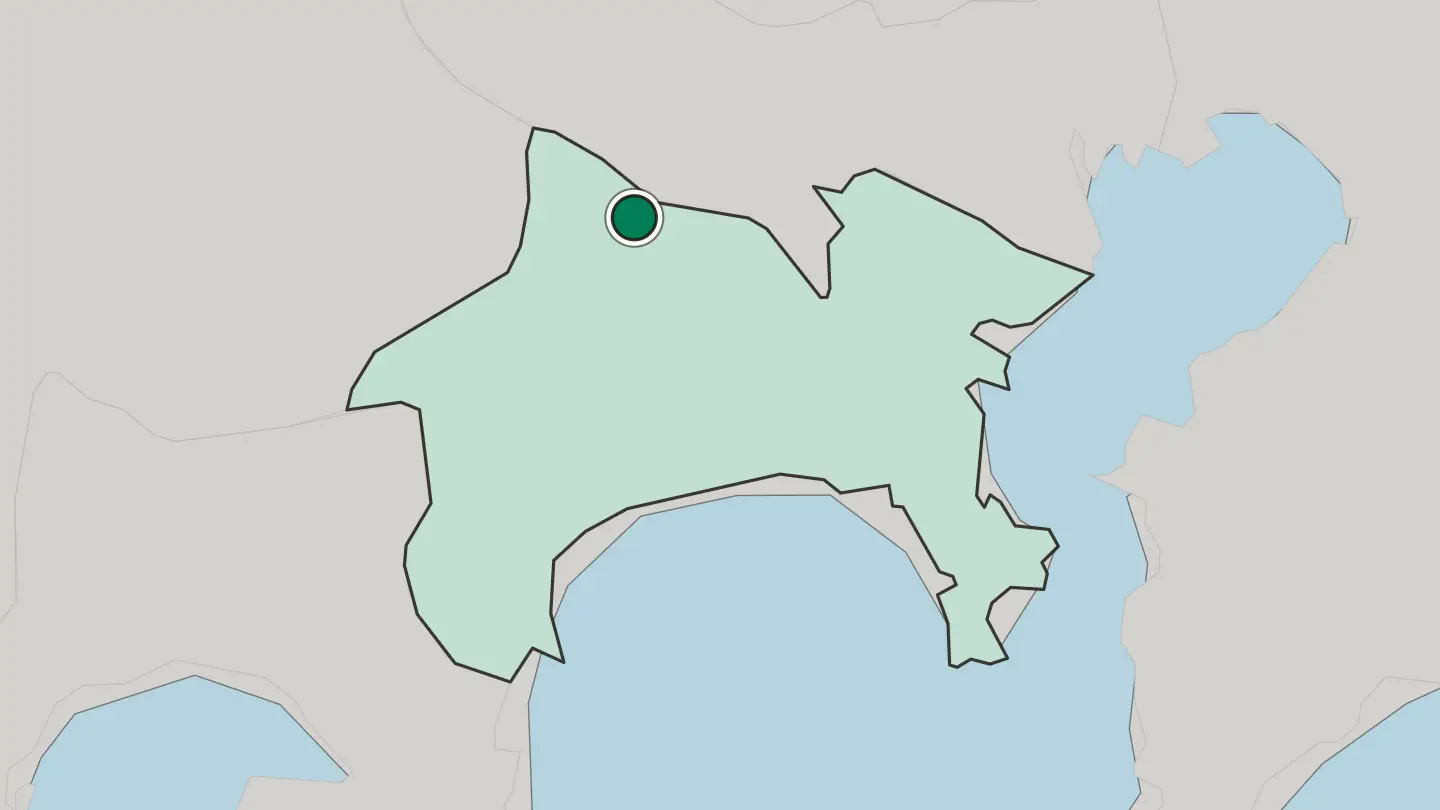
 Japan
Japan
Fujisawa
Fujisawa is a city in Kanagawa Prefecture, Japan, taking in Shonandai and Enoshima island, with Kamakura for a neighbour.Where to stay →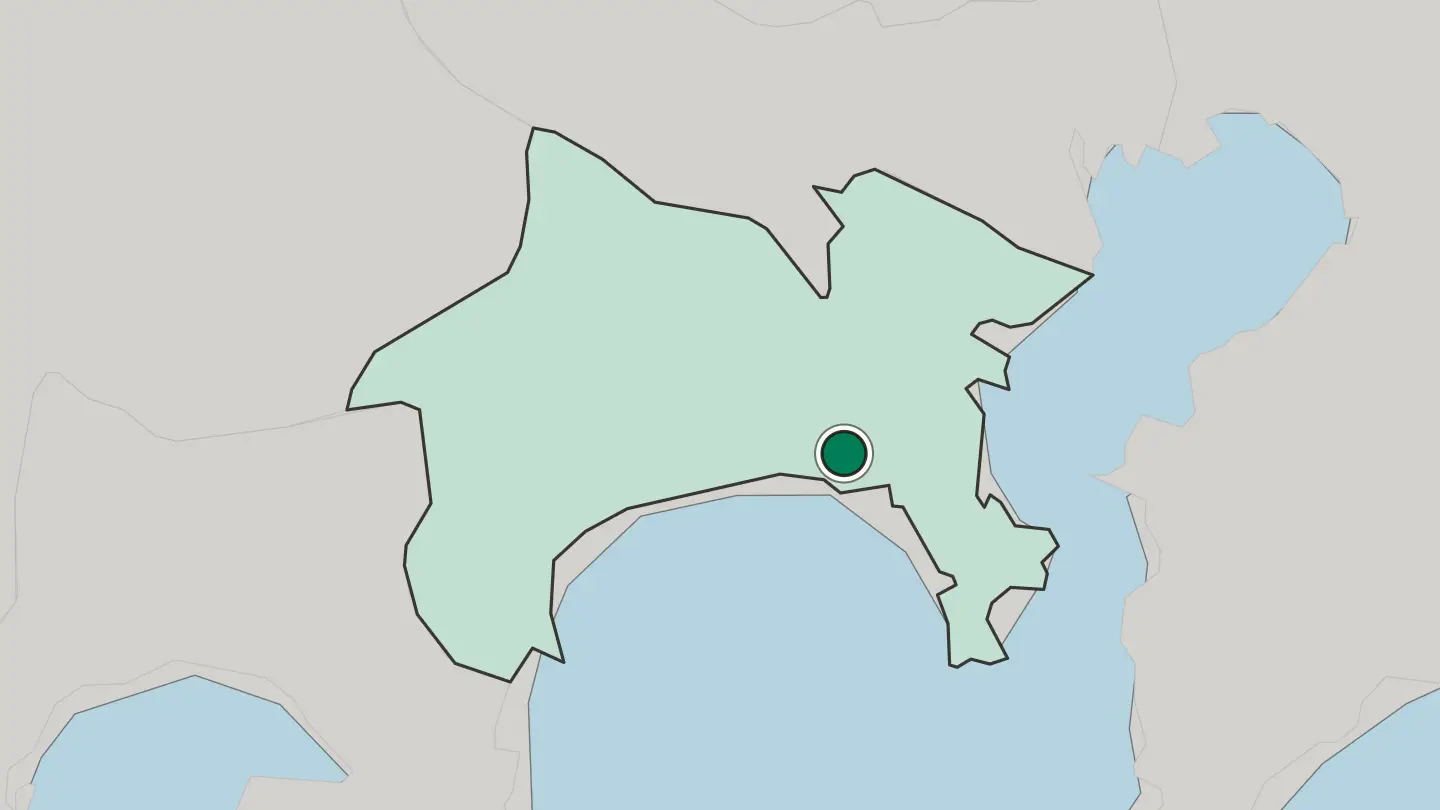
 Japan
Japan
Yokosuka
Yokosuka is a city of Kanagawa in Japan, a historic naval port at the mouth of Tokyo Bay, where Commodore Perry's black ships first opened the country.Where to stay →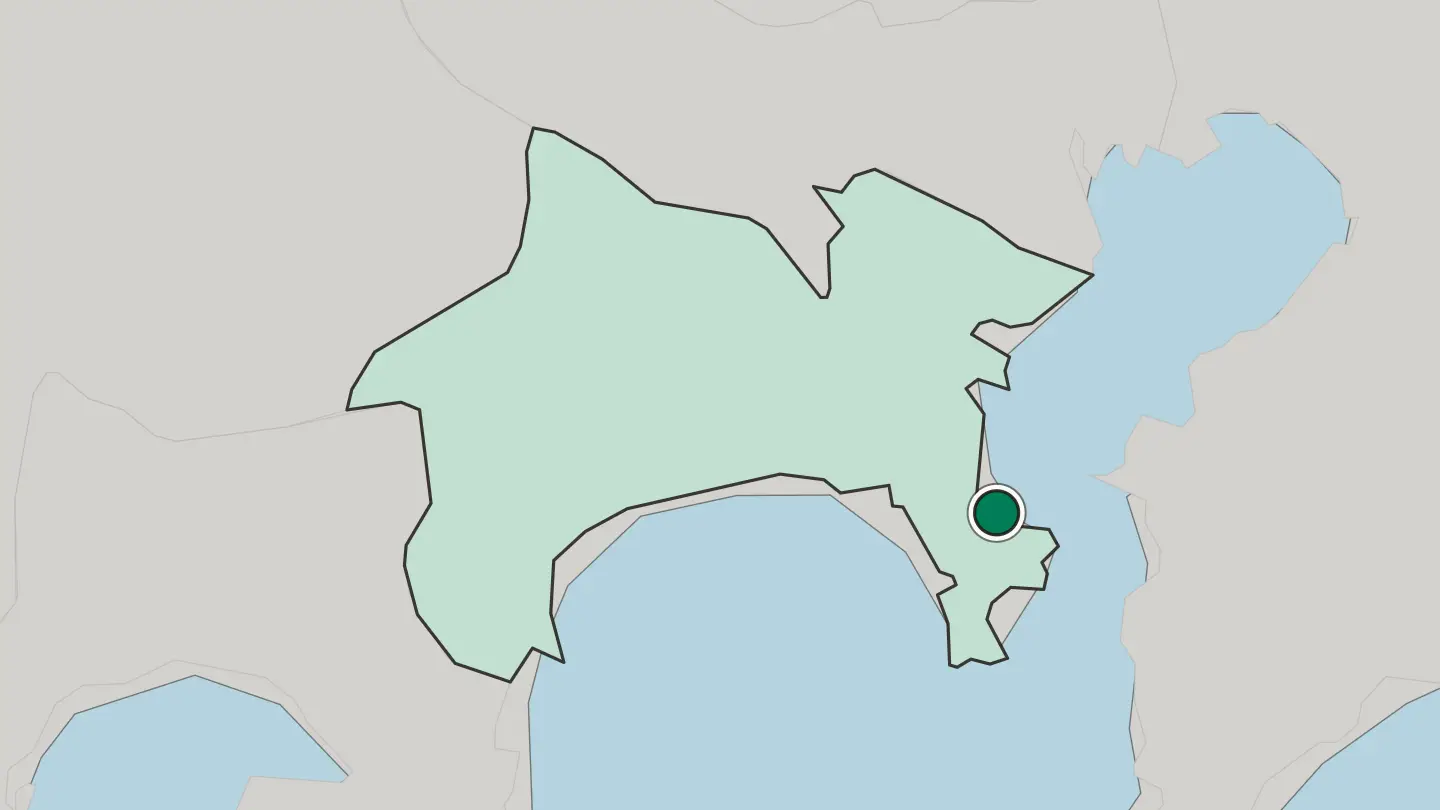 Japan
Japan
Hiratsuka
Hiratsuka is a city of Kanagawa Prefecture in Japan, constituted as Hiratsuka Town in 1889, holding two museums and two archaeological sites.Where to stay →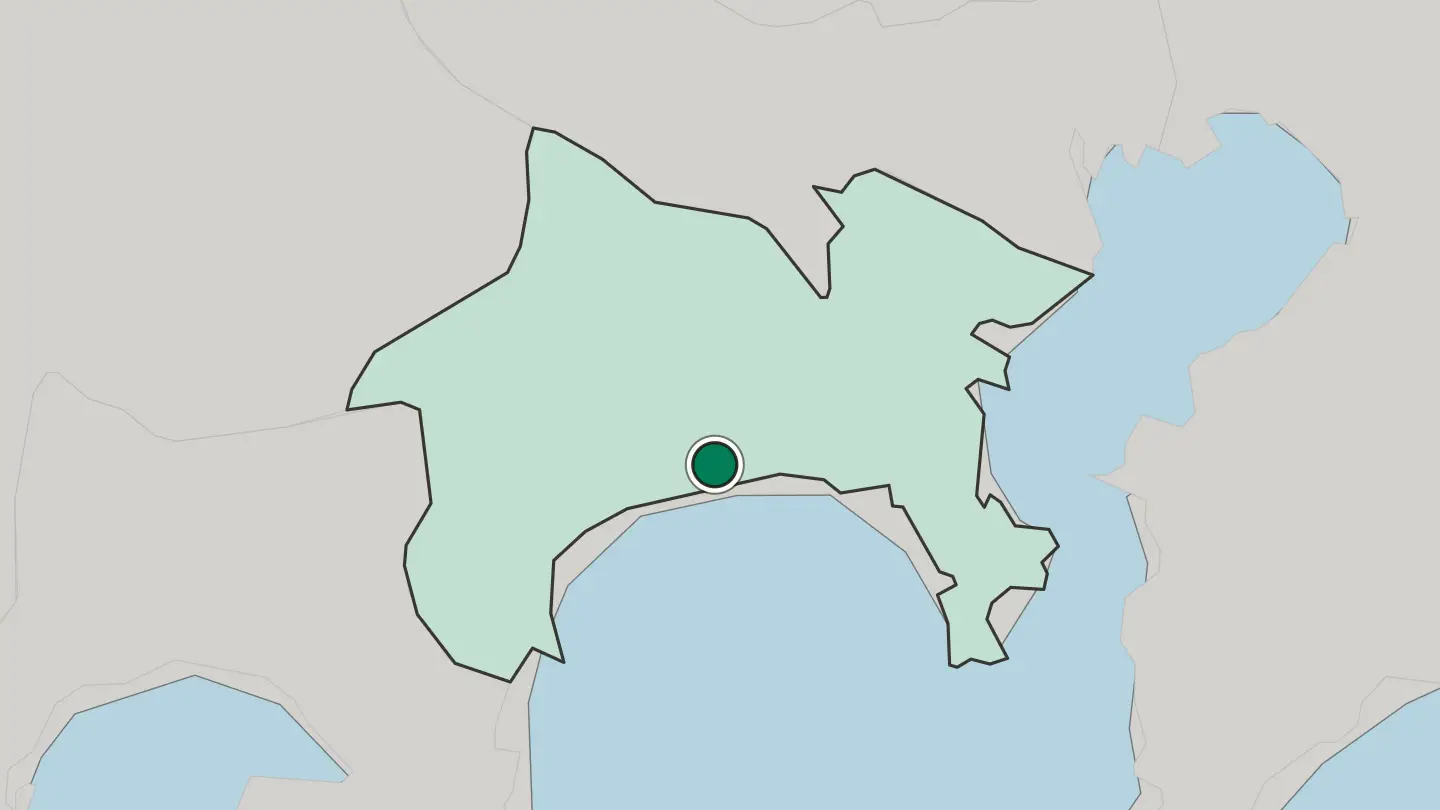
 Japan
Japan
Chigasaki
Chigasaki is a compact city in Kanagawa Prefecture, Japan, with an art museum, a city museum and a folklore museum inside one small frame.Where to stay →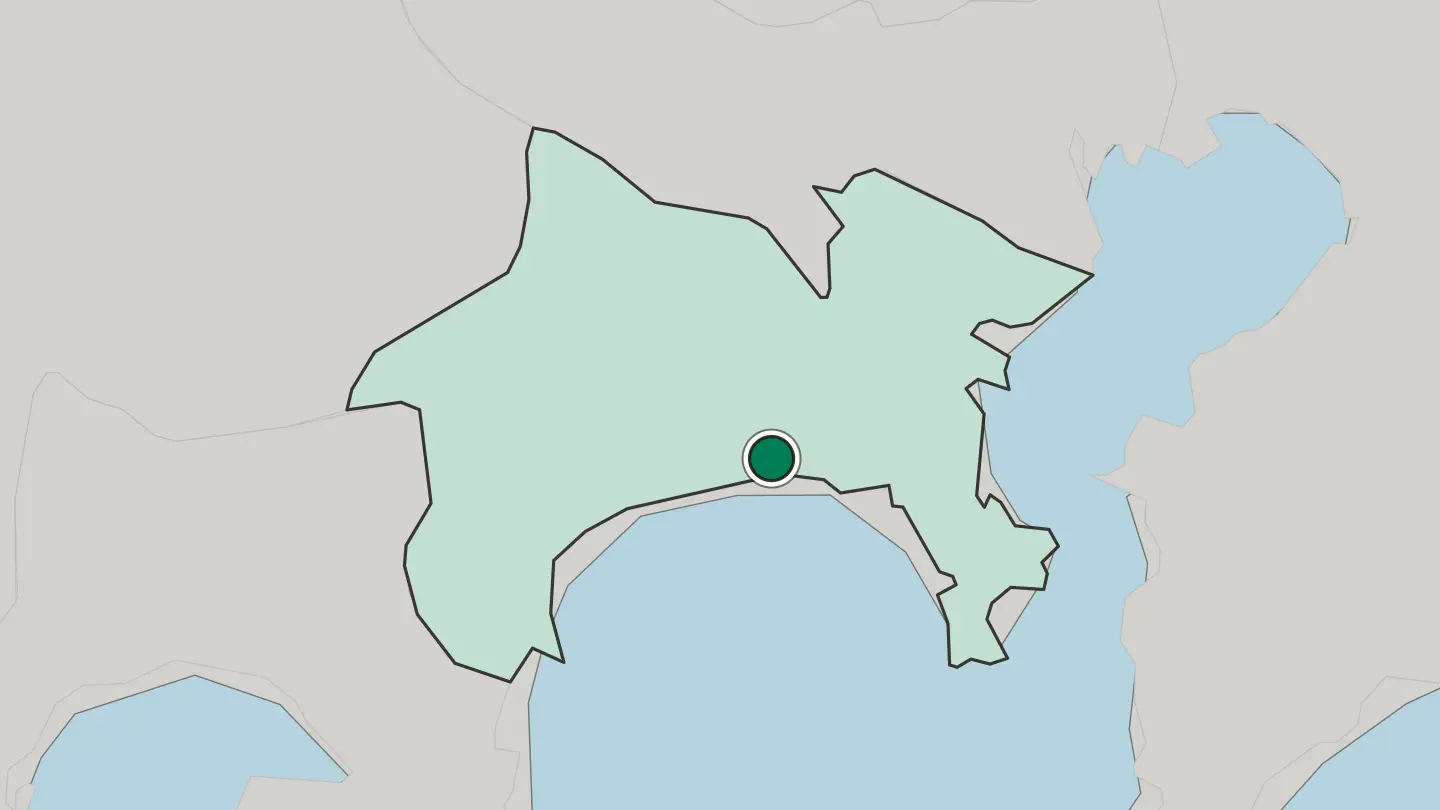
 Japan
Japan
Yamato
Yamato is a compact city in the middle of Kanagawa Prefecture, Japan, which began as the village of Tsurumi in 1889 and has been built up ever since.Where to stay →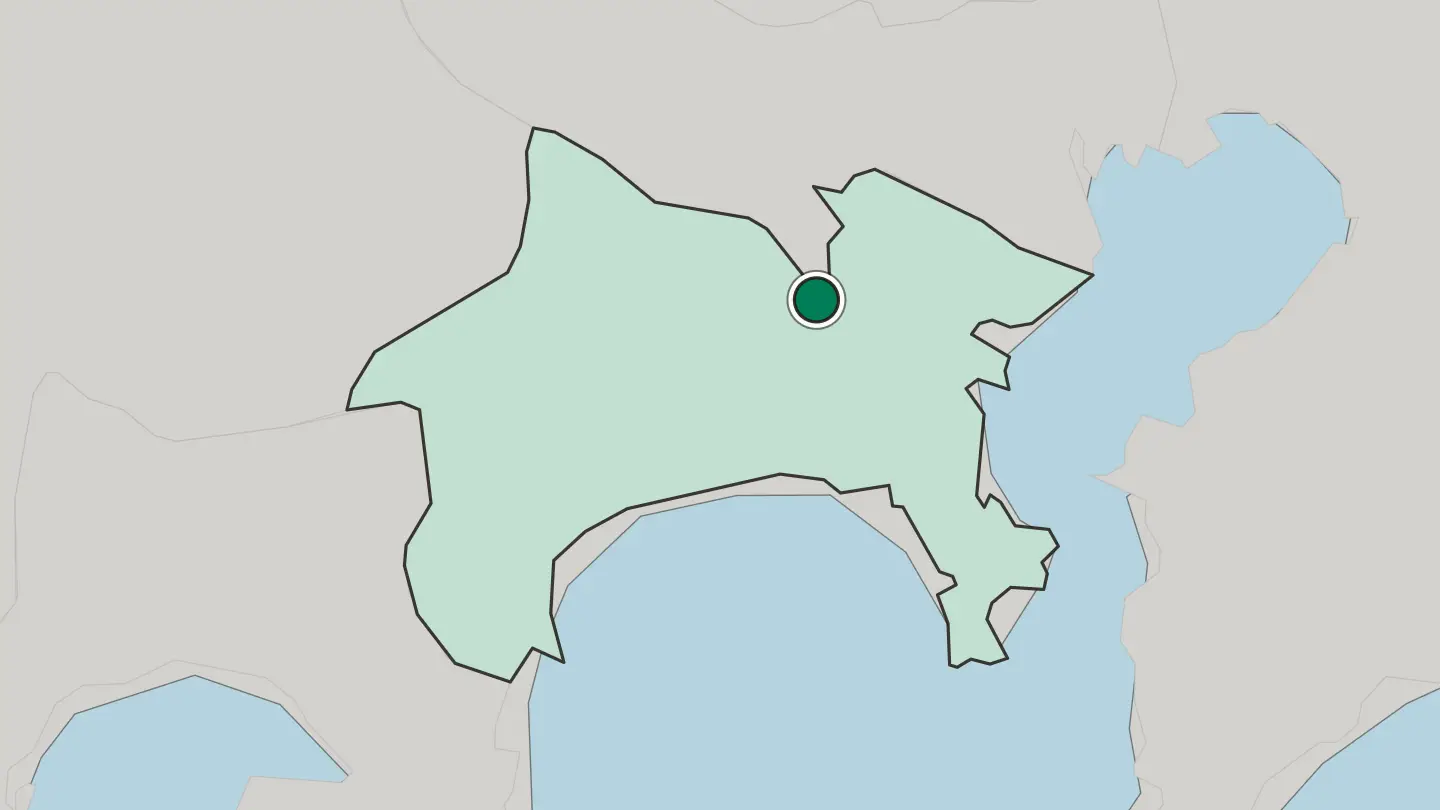
All towns & cities (18)
 Japan
Japan
Atsugi
Atsugi is a commuter city in Kanagawa Prefecture, Japan, whose name is widely attached to a naval air base that lies outside its boundary.Where to stay →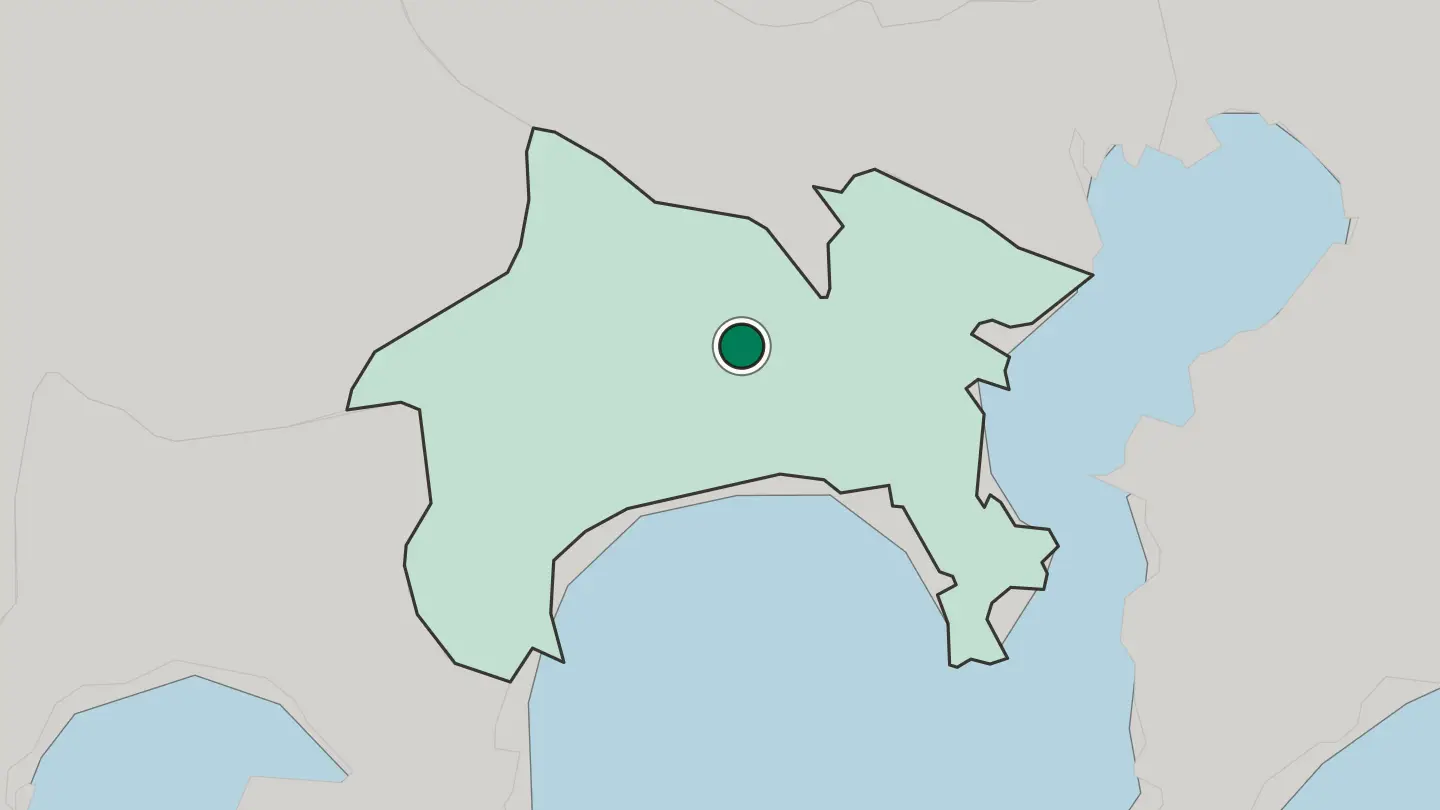
 Japan
Japan
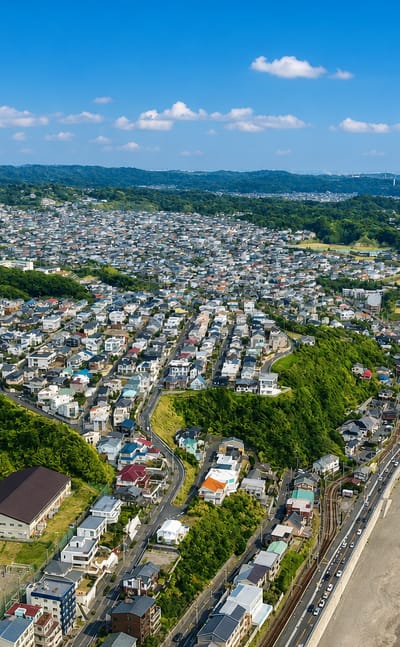
Odawara
Odawara is a coastal city of Kanagawa Prefecture on Sagami Bay, an old Tokaido station town on the approach to Hakone, and a city since 1940.Where to stay →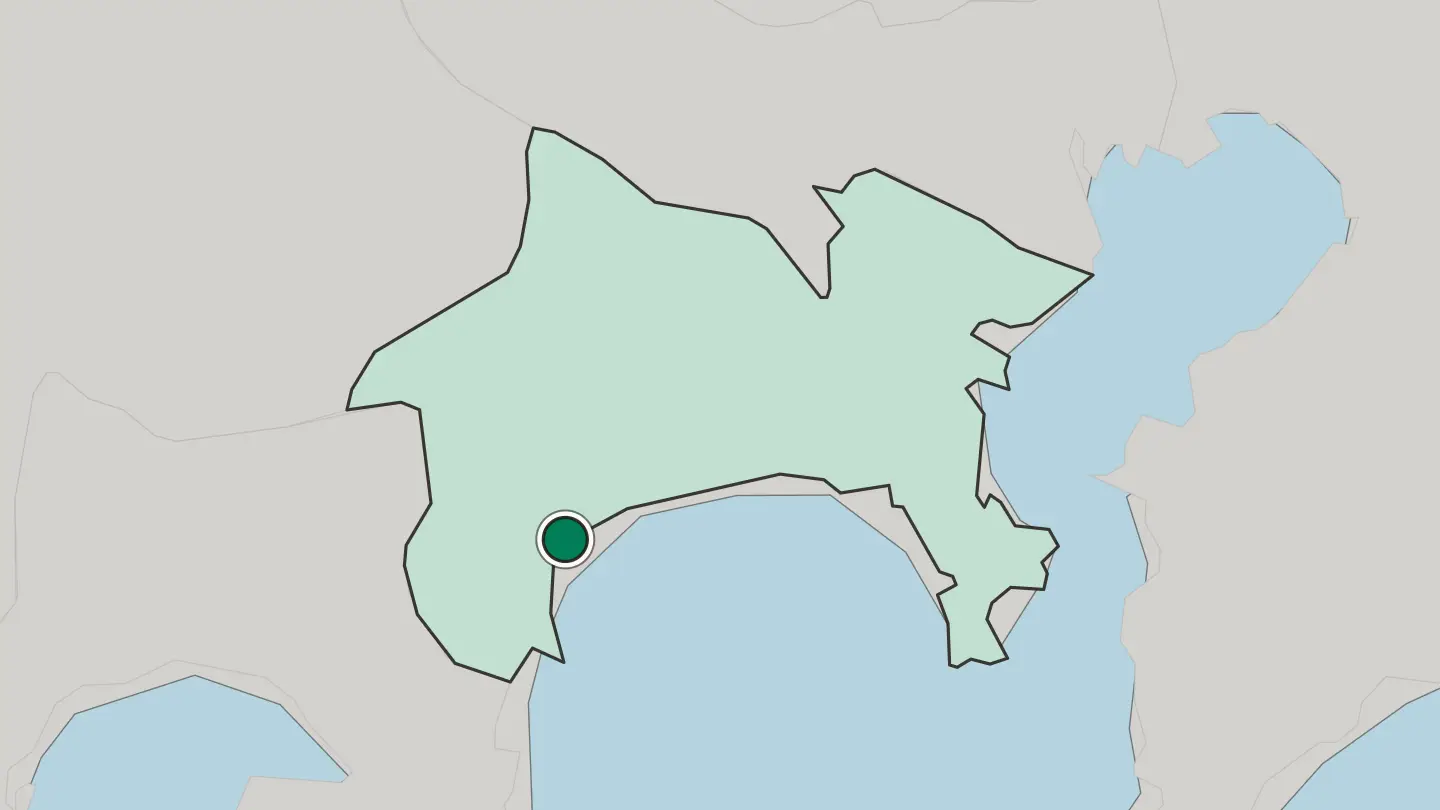
 Japan
Japan
Kamakura
Temple bells and surf mark the days in Kamakura, a coastal city in Kanagawa Prefecture south of Tokyo, known for its beaches and its many temples.Where to stay →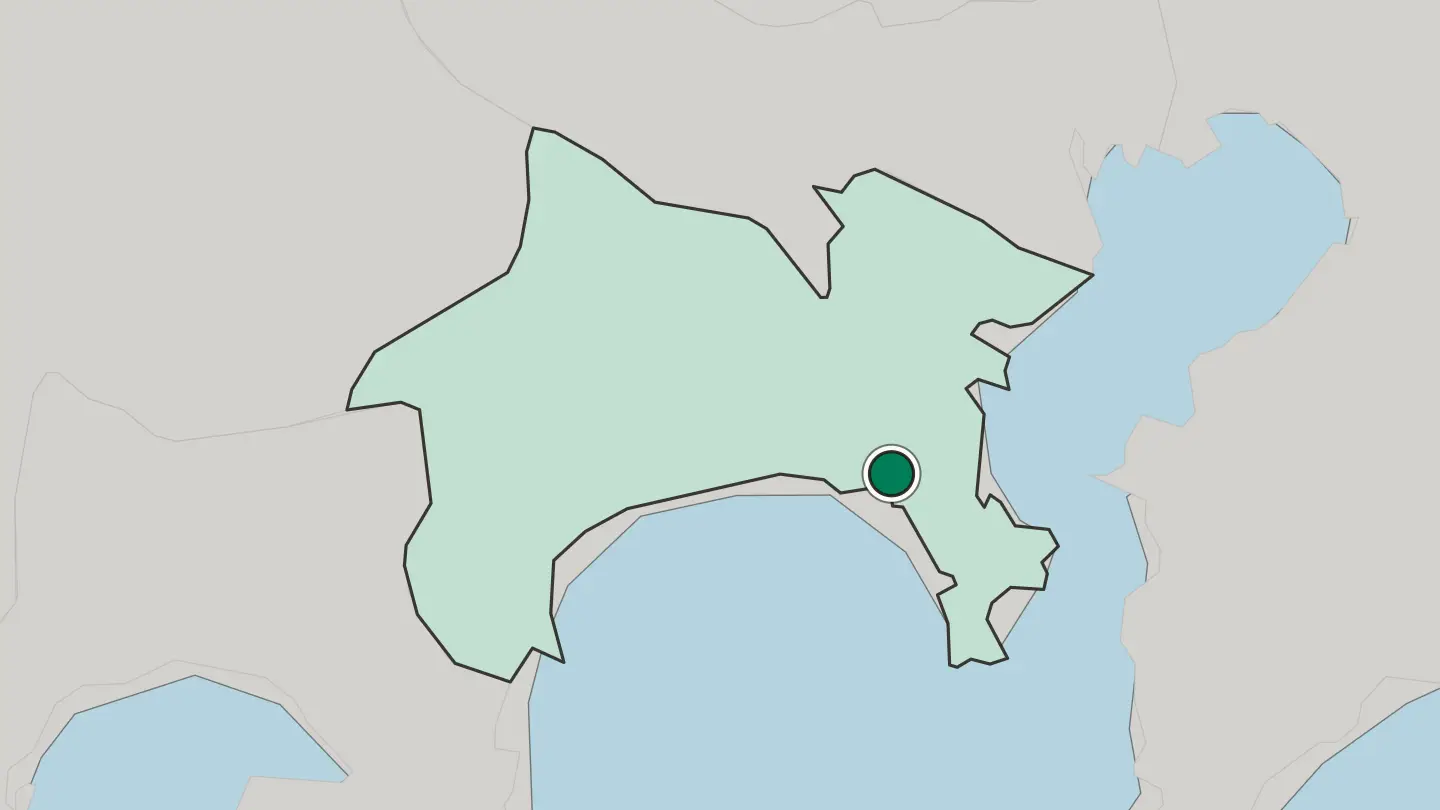
 Japan
Japan
Hadano
Hadano covers more than a hundred square kilometres of Kanagawa Prefecture, Japan, and keeps its record in the Hadano History Museum.Where to stay →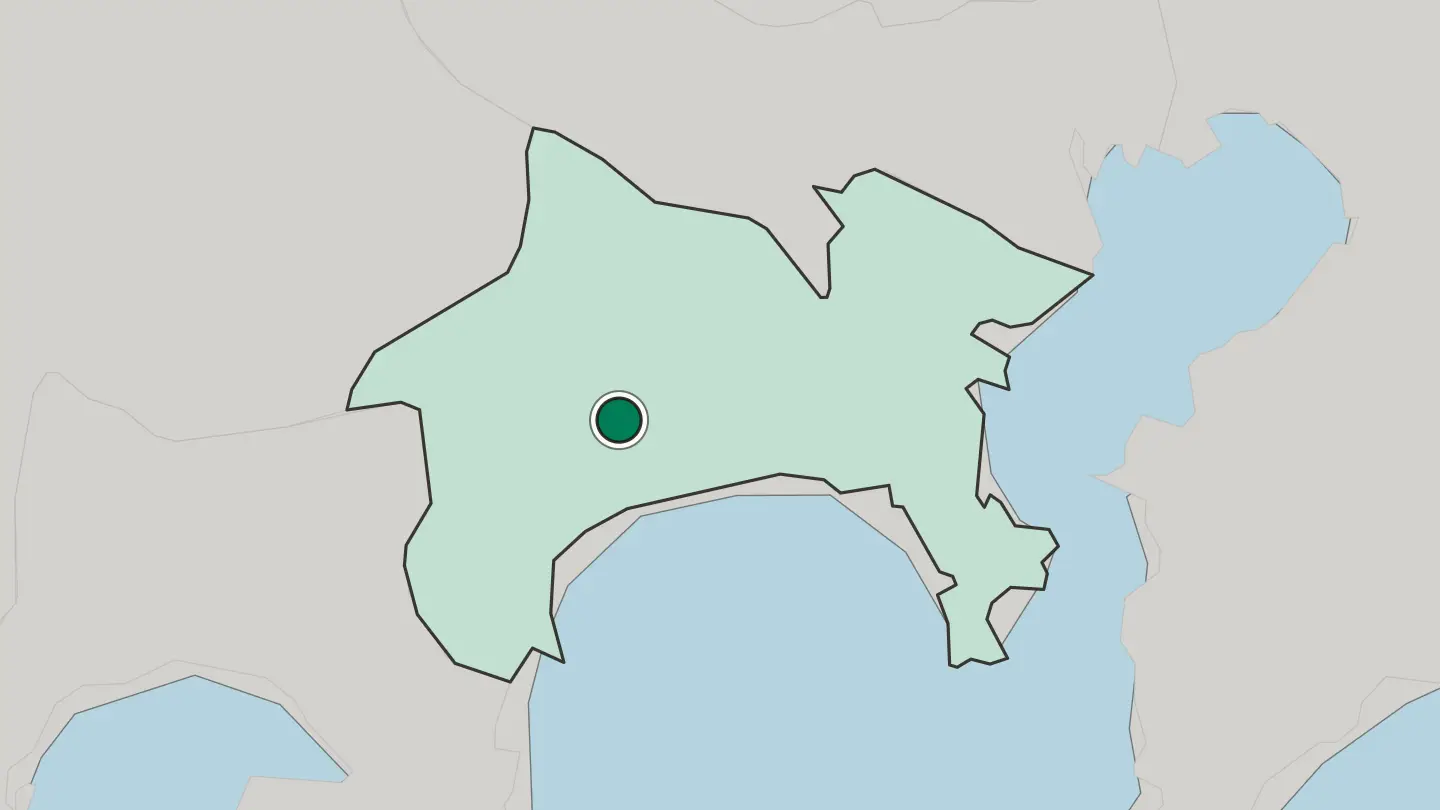 Japan
Japan
Ebina
Ebina, a city of Kanagawa Prefecture, Japan, sets the Romancecar Museum beside the Ebina City Onkokan and a sundial on the Mekujiri river.Where to stay →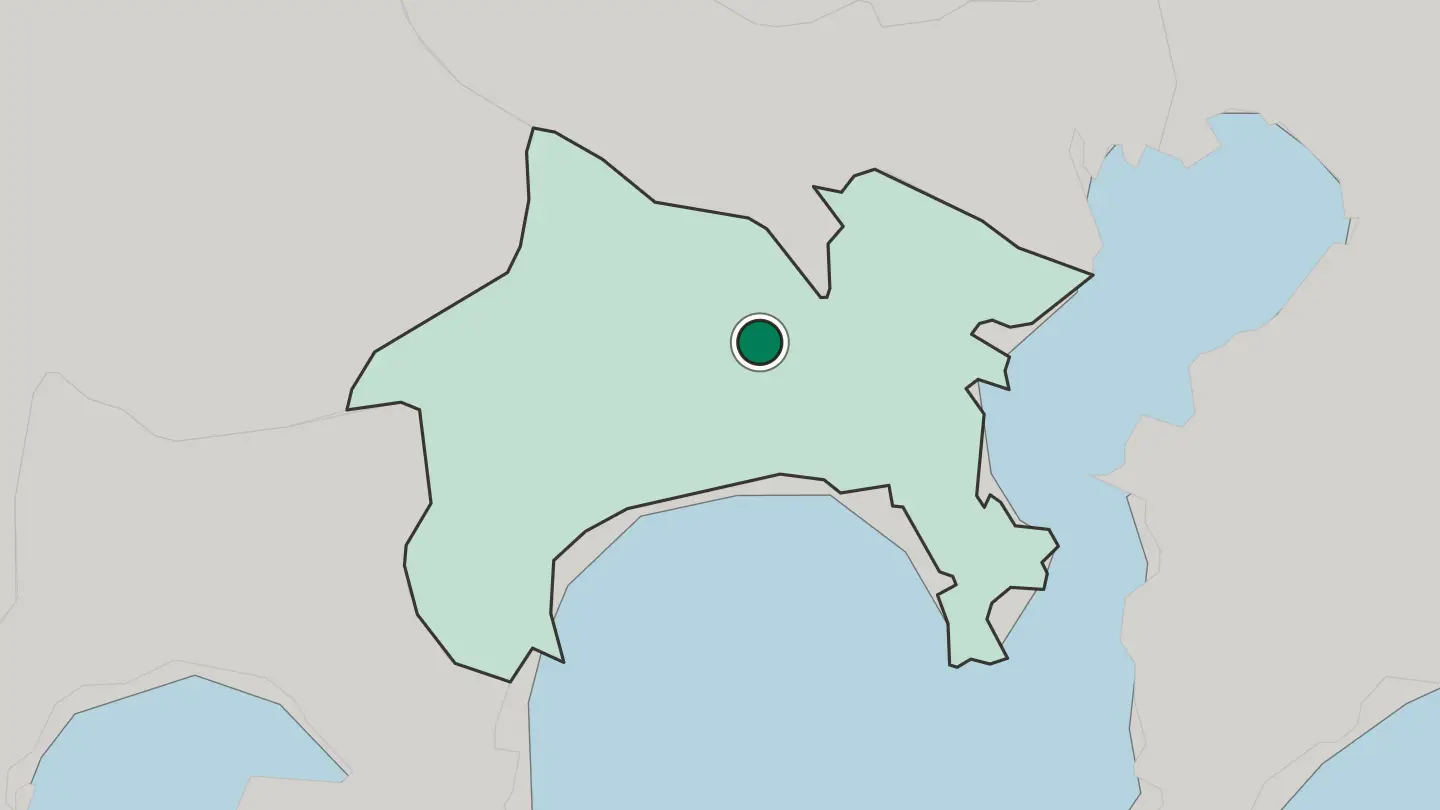 Japan
Japan
Zama
Zama is a small city of Kanagawa Prefecture in Japan, constituted in 1948, and the site of Camp Zama, a United States Army installation.Where to stay →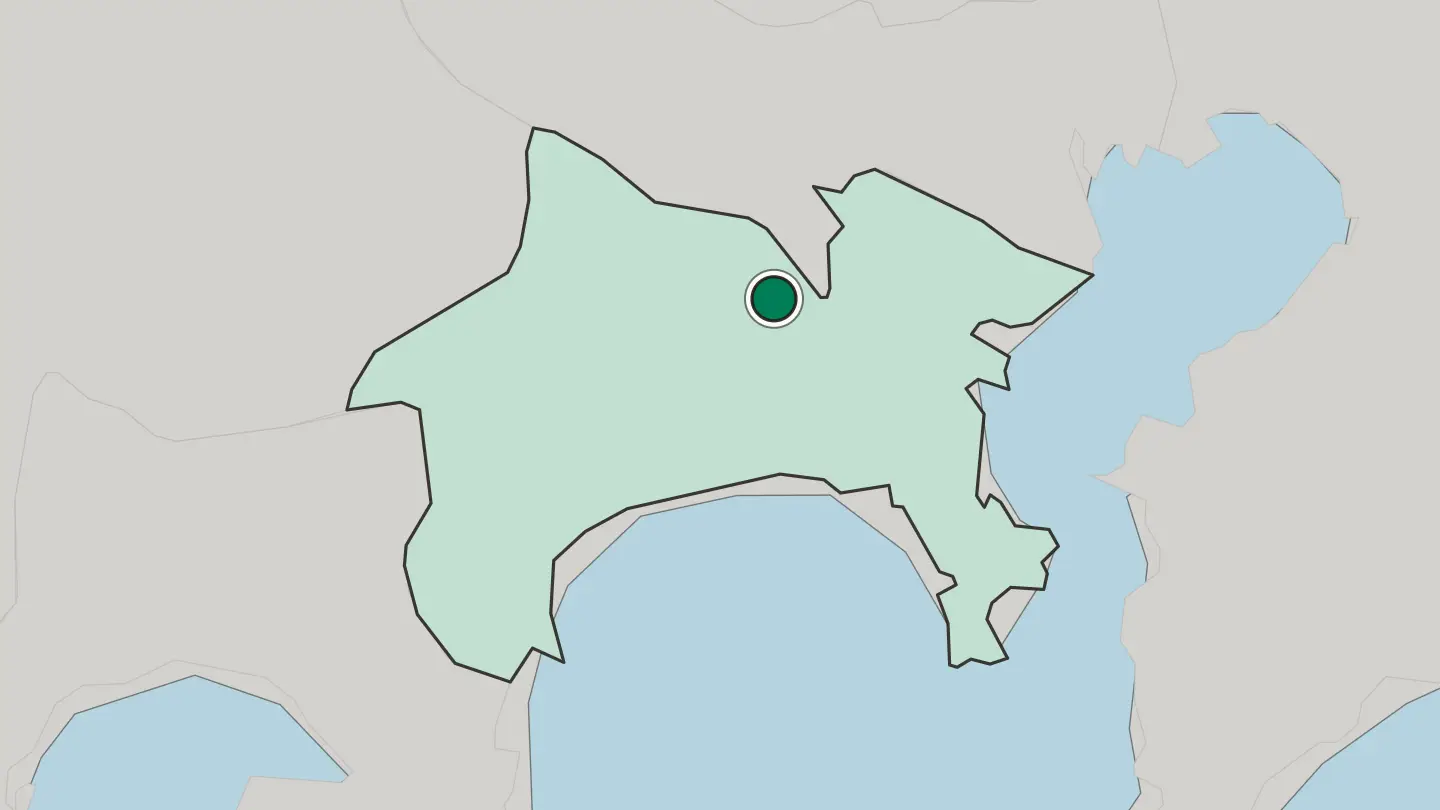
 Japan
Japan
Isehara
Isehara is a city of Kanagawa in Japan, reaching up to Mount Oyama, whose old forest and the temple woods at Hinata Yakushi Temple lie inside its bounds.Where to stay →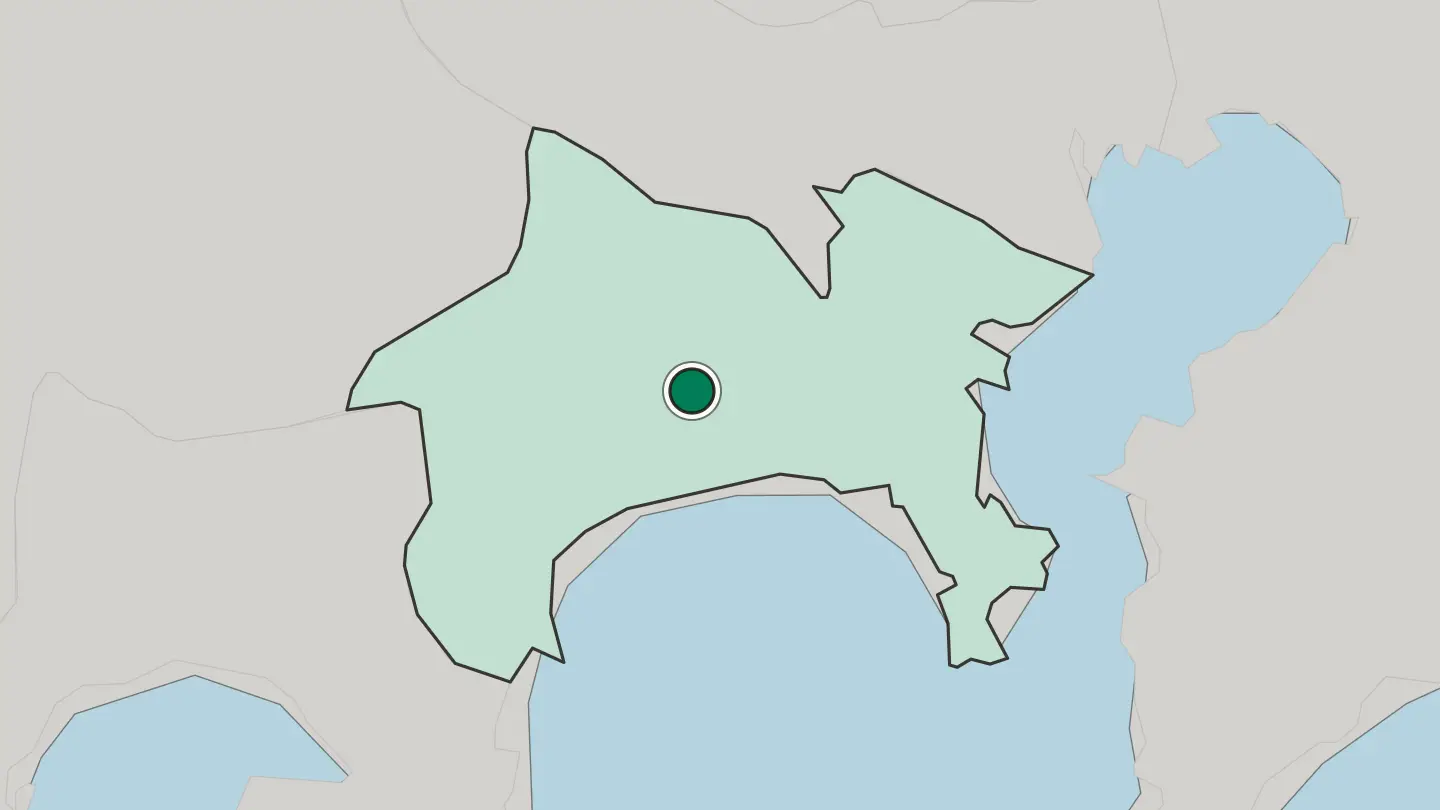 Japan
Japan
Ayase
Ayase is a city of Kanagawa in Japan, grown out of Ayase Village, with the Kanzaki Site and the Mekujiri river sundial on its ground.Where to stay →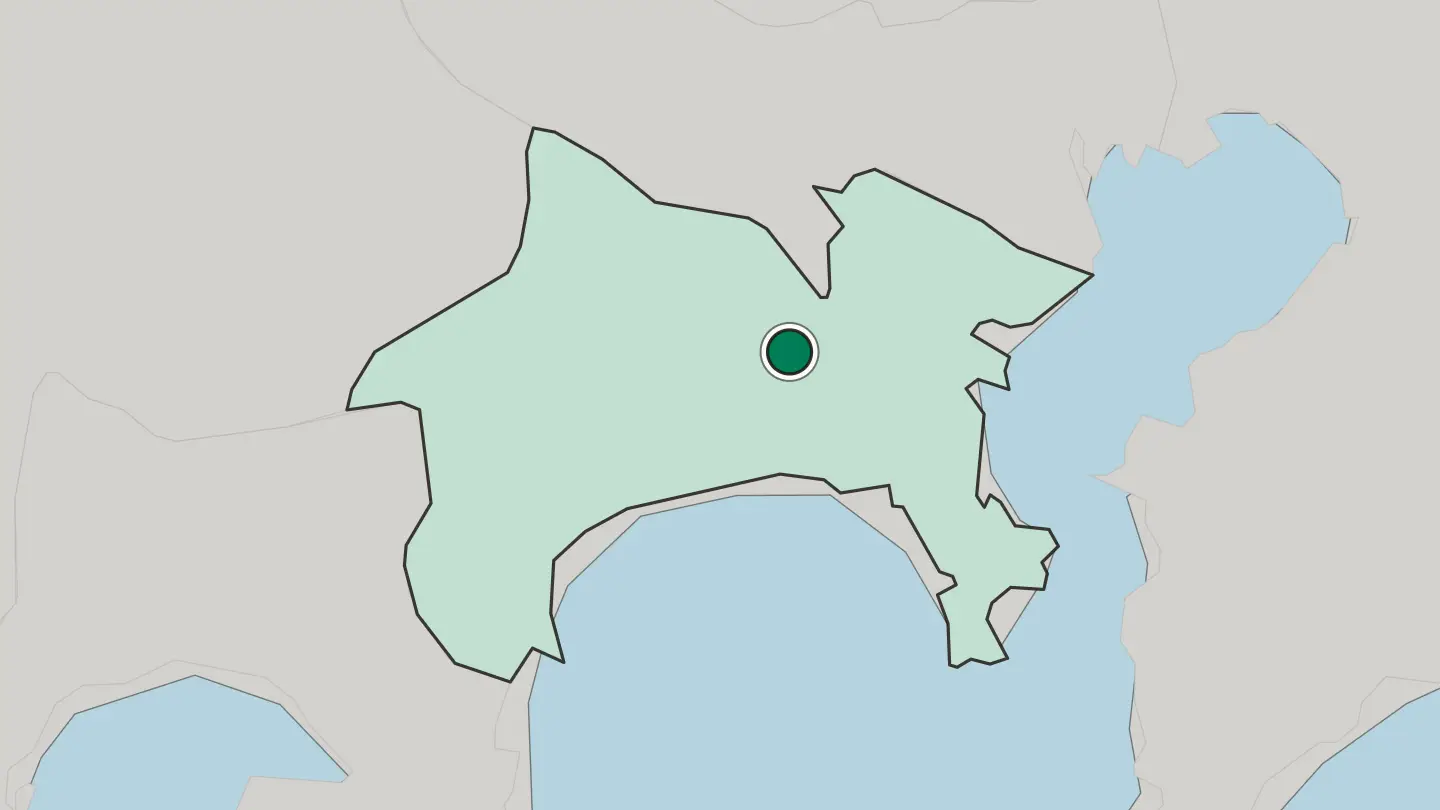
 Japan
Japan
Zushi
Zushi is a small coastal city in Kanagawa, an hour by rail south of Tokyo, with a beach, a marina and fewer visitors than neighbouring Kamakura.Where to stay →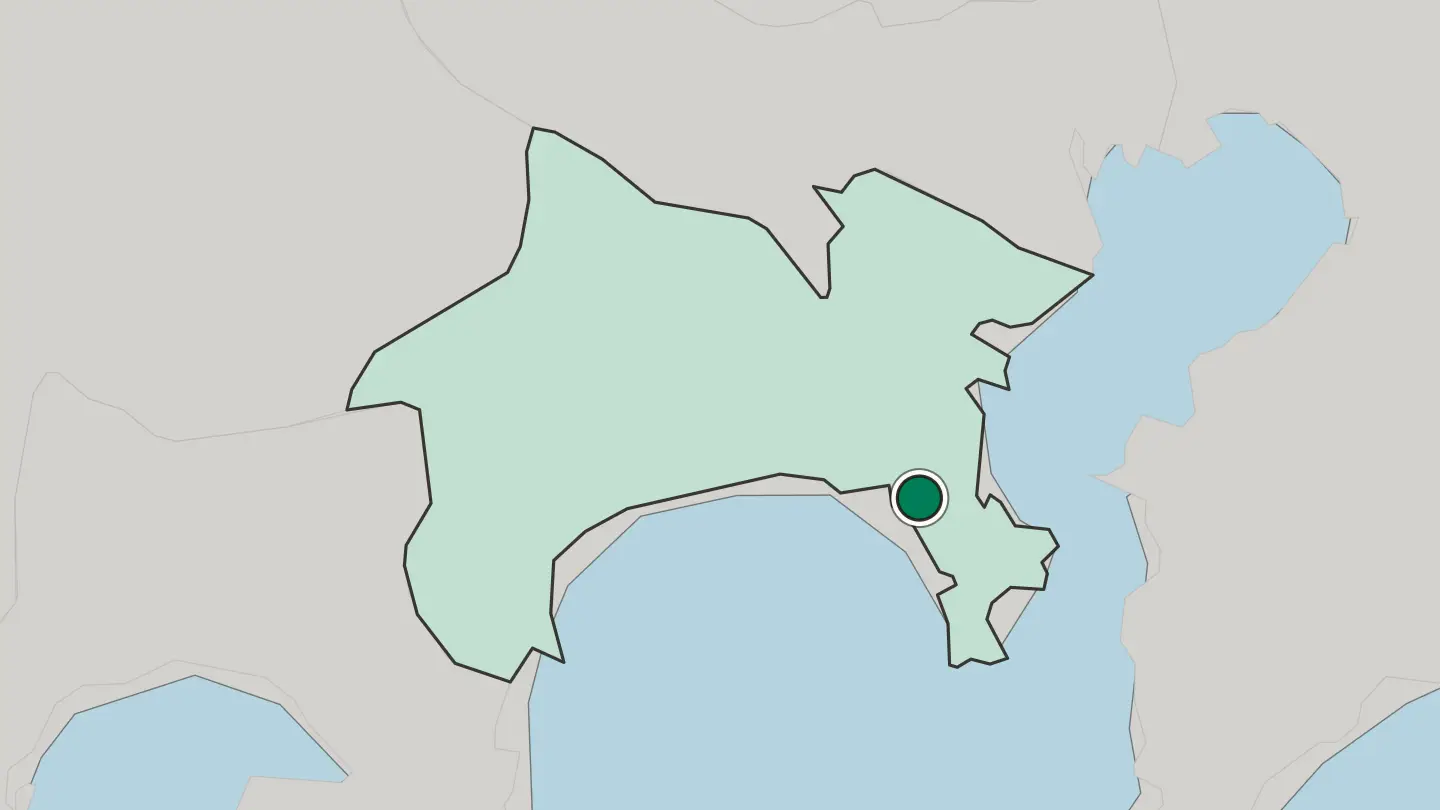
 Japan
Japan
Miura
Miura is a city of Kanagawa in Japan on the southernmost part of the Miura Peninsula, known for the tuna landed at its port, Misaki.Where to stay →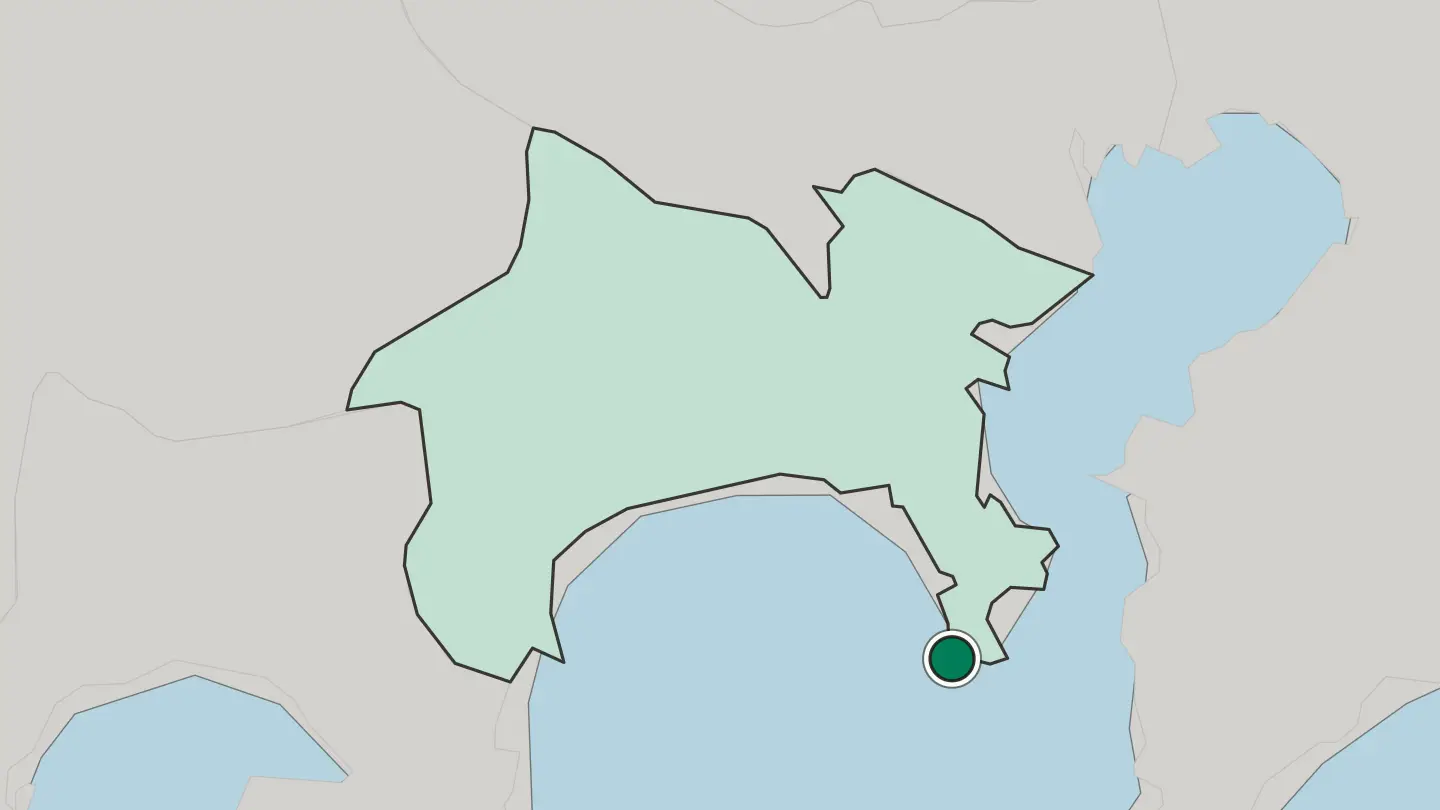
Hotel links are affiliate links: booking through them may earn us a commission, at no extra cost to you. It never affects how places are ranked. How this works
About Kanagawa
What is Kanagawa known for?
Kanagawa is known as Tokyo's southern neighbour. It lies within the Kantō region on the island of Honshu, one of Japan's smaller prefectures by area but among its most closely built, filled where the capital's reach spreads south across the surrounding country. To the northwest it meets Yamanashi Prefecture, and to the west, Shizuoka Prefecture.
Its fortunes track Tokyo's. That closeness shapes the prefecture.
Where is Kanagawa?
Kanagawa lies in the Kantō region of Honshu, the main island of Japan, immediately south of Tokyo. Its northern edge runs against the capital. To the northwest the prefecture borders Yamanashi Prefecture, and to the west it meets Shizuoka Prefecture, so its land is boxed between the metropolis on one side and neighbouring prefectures on the others.
For all its weight, it is one of Japan's smaller prefectures by area, a compact block rather than a sprawling one. The scale is deceptive. A short prefecture on the map still holds a great deal, its ground worked hard along every edge that touches Tokyo.
Within that small frame the ground is closely used. The prefecture's towns run almost without a break from the Tokyo boundary outward, one settlement giving way to the next. Away from the capital, toward Yamanashi Prefecture and Shizuoka Prefecture, the country loosens and towns thin out.
Kanagawa's shape is defined less by any single river or peak than by where it sits, wedged along the southern flank of Tokyo within the Kantō region. Position is its main geographic fact.
What is Kanagawa like?
Kanagawa's character is bound up with Tokyo. As the prefecture on the capital's southern side, within the Kantō region of Honshu, it lives in the orbit of the larger city and takes much of its rhythm from it. The name Kanagawa belongs to the modern prefecture created in 1868, and the place took shape as part of that administrative Japan rather than an old separate realm.
Its identity is regional and practical. It reads as one piece of a shared metropolitan world around the capital. Away from Tokyo, the tone shifts.
Toward Yamanashi Prefecture and Shizuoka Prefecture in the west, the pace eases, and the prefecture feels less like a suburb of the capital and more like its own country. The gap is not large in distance, only in feel, since the whole prefecture is one of Japan's smaller ones and its two sides lie close. That contrast is the local texture.
Kanagawa holds both the pull of Tokyo and a quieter life at its far edge, and the two sit close together within one small prefecture on Honshu. Little about it makes sense apart from the capital next door.
What is the history of Kanagawa?
Kanagawa was created as a prefecture in 1868, and its recorded life as this unit begins there. The boundary drawn then set it on the southern side of Tokyo, within the Kantō region of Honshu. Its story is modern.
Since that founding, the prefecture's history has run alongside the capital's, its growth following Tokyo's rather than a separate provincial past toward Yamanashi Prefecture and Shizuoka Prefecture.
What is the climate of Kanagawa?
Kanagawa has a temperate climate, in line with the rest of the Kantō region of Honshu. Summers are warm and humid, winters cool and drier, much as they are across neighbouring Tokyo. The prefecture is small.
Because it does not stretch far, conditions vary little from one side to the other, staying broadly even from the Tokyo boundary toward Yamanashi Prefecture and Shizuoka Prefecture in the west.
How do you get to Kanagawa?
Kanagawa is reached through Tokyo. The prefecture sits directly south of the capital, bound into the same Kantō corridor of Honshu, so most travellers arrive by way of Tokyo before crossing its northern boundary. The routes run north and south.
From the west, roads come in from Yamanashi Prefecture and Shizuoka Prefecture, tying Kanagawa to its neighbours as well as to the capital.
Good for
More regions in Japan
Updated September 2026