Japan · Miyagi-ken
Where to Stay in Kurihara, Miyagi-ken
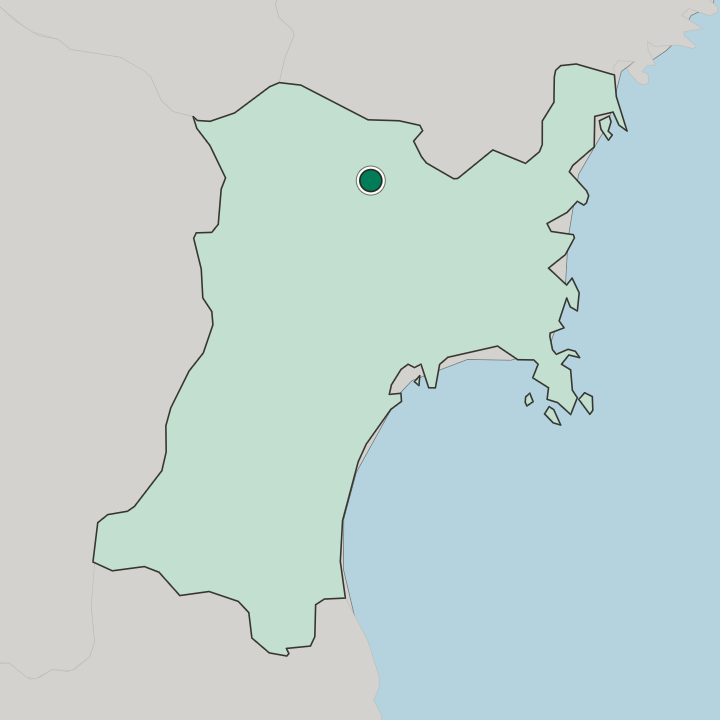
Kurihara is a wide city in Miyagi Prefecture, dating from 2005, with part of its ground lying inside the Kurikoma Quasi-National Park.
Hotel links are affiliate links: booking through them may earn us a commission, at no extra cost to you. It never affects how places are ranked. How this works


Where to stay in Kurihara
The practical side of choosing where to sleep.
Kurihara is not one place. The city dates only to 2005, yet it carries roughly 805 square kilometres of Miyagi Prefecture, which means the choice of bed decides which part of Kurihara a visitor actually reaches on foot. Kannari is one such part.
The Kannari Orthodox Church and the Kannari Elementary School Building stand there, and a room on that side puts the built heritage within reach. The park pulls the other direction. Ground inside the Kurikoma Quasi-National Park belongs to a different sort of day, and anyone booking for it should accept that the excavated sites and the museums sit well back from the protected edge.
Water marks a third option. Izunuma lies on the open side of the municipality, and a night near it trades the church and the school building for country quiet. Archaeology runs across all of it.
The Sannō-Gakoi Site, the Irinosawa Site and the Nuruyu Bansho Site are scattered rather than clustered, so no single base covers them without driving. The Kazenosawa Museum and the Seigo Shirotori Memorial Museum are the indoor anchors, and either one is a reasonable fixed point for a stay that has to cover this much ground.
Find hotels in Kurihara
Direct booking searches for these neighbourhoods.
The Kannari quarter
The Kannari part of Kurihara, holding the Kannari Elementary School Building and the Orthodox church that shares its name. Rooms are few around here — worth securing early.Find hotels in The Kannari quarterWalkers heading into the protected ground of the Kurikoma Quasi-National ParkThe Kurikoma park side
The protected end of Kurihara's 805 square kilometres, chosen for park access rather than for the excavated sites. Lodging is scarce in this area; reserve in advance.Find hotels in The Kurikoma park sideQuiet nights on the open country around IzunumaToward Izunuma
The watery corner of the municipality at Izunuma, well away from the Kazenosawa Museum side of the city. Rooms are few around here — worth securing early.Find hotels in Toward IzunumaHotel links are affiliate links: booking through them may earn us a commission, at no extra cost to you. It never affects how places are ranked. How this works
Things to do in Kurihara
Ranked by global recognition; descriptions from Wikidata (CC0).
Museums & Galleries
1- Kazenosawa Museum
Churches & Religious Sites
1- Kannari Orthodox Church
Castles & Historic Sites
3- Irinosawa Site Heritage
- 上高森遺跡
- Nuruyu Bansho Site
Nature & Outdoors
1- Izunuma Heritage
worth knowingacross 4 categories in Kurihara
About Kurihara
Space is the first fact.
What is Kurihara known for?
This is one of the widest municipalities in Miyagi Prefecture, roughly 805 square kilometres in all, and parts of that territory fall inside the Kurikoma Quasi-National Park. Archaeology fills the rest. The Sannō-Gakoi Site, the Irinosawa Site and the Nuruyu Bansho Site mark ground that has been dug and recorded rather than developed.
What are the main landmarks in Kurihara?
Digs outnumber buildings here. The Sannō-Gakoi Site, the Irinosawa Site, the Nuruyu Bansho Site and Kamitakamori Site are all excavated ground rather than standing monuments, which suits a city whose oldest history lies under the surface. Two structures do stand.
The Kannari Orthodox Church and the Kannari Elementary School Building carry the built record, and Iji Castle marks the defended past. The Kazenosawa Museum and the Seigo Shirotori Memorial Museum hold the collections.
What is the history of Kurihara?
The oldest record is buried. The Sannō-Gakoi Site, the Irinosawa Site, the Nuruyu Bansho Site and Kamitakamori Site carry the archaeological history of this ground, and together they make Kurihara a place better known to specialists than to travellers. Defence came later.
Iji Castle belongs to the era of fortified seats in this part of Miyagi Prefecture, and it stands between the excavated layers and the modern town in the local record. Kannari carries the recent past. The Kannari Orthodox Church records a Christian presence in this rural district, and the Kannari Elementary School Building preserves a piece of the civic architecture that stood alongside it.
Both were kept rather than replaced. That decision is why the area has anything standing from the period at all. Kannari now reads as a district name inside a much larger city.
Kurihara itself is young. The city dates from 2005, which makes its administrative identity far newer than any of the ground it administers, including the part that lies inside the Kurikoma Quasi-National Park. Museums closed the loop.
The Kazenosawa Museum and the Seigo Shirotori Memorial Museum give the assembled municipality a place to hold its own story.
Where is Kurihara?
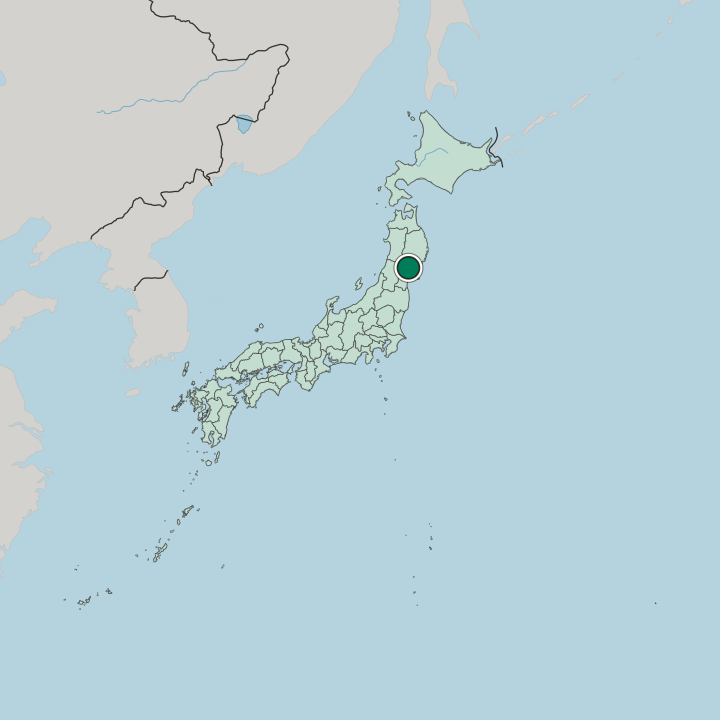
Kurihara is large by any measure. Roughly 805 square kilometres of Miyagi Prefecture fall inside the municipal boundary, and a share of that runs into the Kurikoma Quasi-National Park, which is where the protected landscape sits. Water breaks the pattern.
Izunuma is the named water inside that spread, and it gives a city otherwise defined by its size a fixed natural feature to organise around.
What is the climate of Kurihara?
Winter is long here. The temperate band across Miyagi Prefecture gives Kurihara a full four-season year, and the cold months press hardest on the open country around Izunuma and on the park ground inside Kurikoma Quasi-National Park. Summer is the walking season.
Warm months open the excavated sites and the park to visitors, while the Kazenosawa Museum holds its value whatever the sky is doing.
How do you get to Kurihara?
Distance is the problem to solve. Reaching Kurihara means reaching Miyagi Prefecture first, and then covering enough of roughly 805 square kilometres to arrive at whichever part of the city the trip is actually about. The parts are far apart.
Kannari, the ground near Izunuma and the edge of the Kurikoma Quasi-National Park are separate destinations in practice, and a vehicle is what turns them into one itinerary.
Common questions
What is the best area to stay in Kurihara?
The Kannari quarter: Stays within walking distance of the Kannari Orthodox Church. The Kurikoma park side: Walkers heading into the protected ground of the Kurikoma Quasi-National Park. Toward Izunuma: Quiet nights on the open country around Izunuma.
Good for
More cities in Miyagi-ken
Updated September 2026