Japan · Miyagi-ken
Where to Stay in Shiogama, Miyagi-ken
Shiogama is a compact city in Miyagi Prefecture, constituted in 1889, holding the Shiogama Shrine Museum and the Tōhoku History Museum.
Hotel links are affiliate links: booking through them may earn us a commission, at no extra cost to you. It never affects how places are ranked. How this works


Where to stay in Shiogama
How the choice of base plays out on the ground.
You can cross Shiogama on foot. The whole municipality covers roughly 17 square kilometres, so the practical question is not how far a bed sits from the centre but which of the city's collections a visitor wants at the end of the street. The shrine is one answer.
A room near Shiogama Shrine puts the Shiogama Shrine Museum within reach and gives the stay a fixed morning. Art gives a different shape to the day. The Kanno Museum of Art and the Shiogama Sugimura Jun Museum of Art are the two galleries that reward a slower visit, and beds chosen near them turn a short trip into a proper looking day.
Manga has its own address. The Katsuichi Nagai Manga Museum is a separate draw again, and it suits travellers whose interest in Shiogama has nothing to do with either the shrine or the paintings. Neighbours matter here.
The Tōhoku History Museum, the Shichigahama Historical Museum and the Tagajō Buried Cultural Property Research Center all lie within the same short radius, which makes a Shiogama base a reasonable way to see more of Miyagi Prefecture than the city itself contains. Nothing in that group asks for a long journey from a Shiogama room.
Find hotels in Shiogama
Direct booking searches for these neighbourhoods.
Around Shiogama Shrine
The shrine quarter of Shiogama, where the Shiogama Shrine Museum keeps the institution's own holdingsFind hotels in Around Shiogama ShrineVisitors working through the Kanno Museum of Art and the Sugimura Jun collectionThe gallery pair
The fine-art side of Shiogama, built around the Kanno Museum of Art and the Shiogama Sugimura Jun Museum of ArtFind hotels in The gallery pairDay trips out to the Tōhoku History Museum and the Shichigahama Historical MuseumThe Tagajō and Shichigahama edge
The outward-facing side of Shiogama, nearest the Tagajō Buried Cultural Property Research Center and the neighbouring town collections. Rooms are few around here — worth securing early.Find hotels in The Tagajō and Shichigahama edgeHotel links are affiliate links: booking through them may earn us a commission, at no extra cost to you. It never affects how places are ranked. How this works
About Shiogama
The museums do the talking.
What is Shiogama known for?
Shiogama packs the Tōhoku History Museum, the Kanno Museum of Art and the Shiogama Sugimura Jun Museum of Art into roughly 17 square kilometres, which is a heavy cultural load for a municipality of that size. The shrine anchors it. Shiogama Shrine stands behind the Shiogama Shrine Museum, and the pair carries the religious side of a city otherwise defined by its galleries.
What are the main landmarks in Shiogama?
The list is almost entirely museums. The Tōhoku History Museum takes the regional view, the Shichigahama Historical Museum and the Tagajō Buried Cultural Property Research Center cover the neighbouring ground, and the Shiogama Shrine Museum keeps the shrine's own record. Two galleries handle art.
The Kanno Museum of Art and the Shiogama Sugimura Jun Museum of Art are the fine-art half, while the Katsuichi Nagai Manga Museum represents a form the older institutions do not.
What is the history of Shiogama?
The shrine comes before the city. Shiogama Shrine carries the older institutional history of this ground, and the Shiogama Shrine Museum is where the objects and documents gathered around it are kept. Records survive nearby too.
The Tagajō Buried Cultural Property Research Center exists because buried material in this district needed a permanent place to be studied, which says something about how long people have occupied it. The civic layer is younger. In 1889 the town went onto the register as Shiogama-machi, the designation it held while the modern city was still forming.
Growth stayed inside a tight boundary. Roughly 17 square kilometres is all the municipality ever had to work with, which shaped a dense and compact place rather than a spreading one. Culture arrived as institutions.
The Tōhoku History Museum set out the wider regional story, the Kanno Museum of Art and the Shiogama Sugimura Jun Museum of Art gave the city its fine-art holdings, and the Katsuichi Nagai Manga Museum added a modern form to the same list. Shichigahama contributed as well. The Shichigahama Historical Museum belongs to the same cluster of collections that a visitor to Shiogama can realistically reach.
Where is Shiogama?
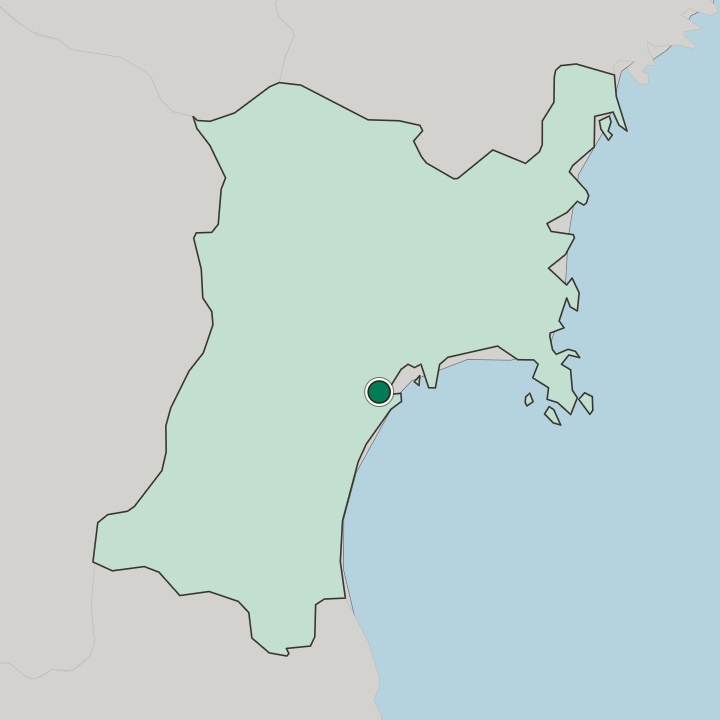
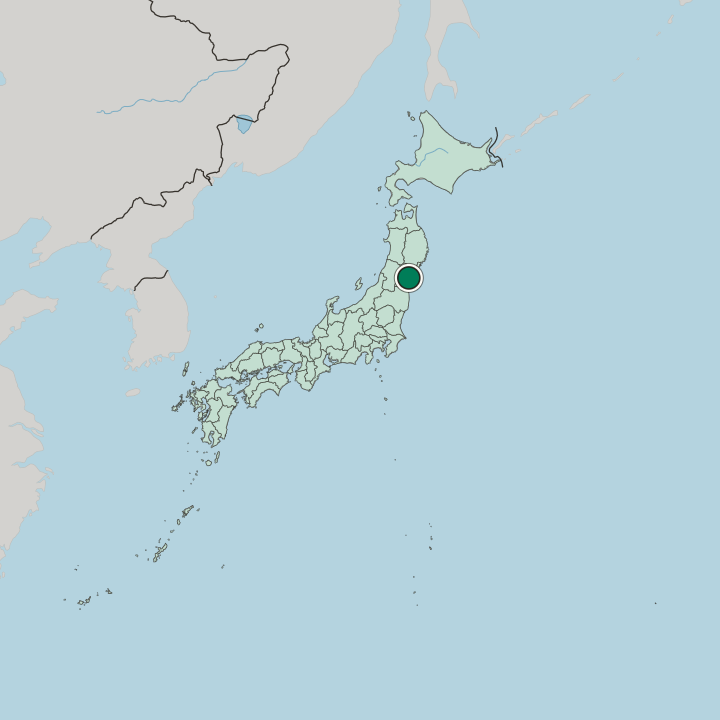
Shiogama is one of the tighter municipalities in Miyagi Prefecture. Roughly 17 square kilometres hold the whole city, which explains why the museums, the shrine and the residential streets are packed into a walkable frame rather than spread over open country. Seasons run the temperate pattern.
Tagajō and Shichigahama sit right on the boundary, and the collections named for both are close enough to read as part of the same visit.
What is the climate of Shiogama?
Tōhoku sets the terms. The temperate band across Miyagi Prefecture gives Shiogama four distinct seasons, with winters cold enough to make the compact scale of the city a genuine advantage when moving between collections. Summer opens the walking.
Warm months make the short distance between Shiogama Shrine and the Kanno Museum of Art an easy stroll rather than a calculation.
How do you get to Shiogama?
Arrivals come through Miyagi Prefecture. Shiogama sits close enough to Tagajō and Shichigahama that a traveller arriving for any one of the three has effectively arrived for all of them, which is the practical geography of this stretch. The city itself is walkable.
Roughly 17 square kilometres means that once a bed is booked, Shiogama Shrine, the Kanno Museum of Art and the Katsuichi Nagai Manga Museum are all reachable without further planning.
Common questions
What is the best area to stay in Shiogama?
Around Shiogama Shrine: Mornings that begin at Shiogama Shrine before anything else opens. The gallery pair: Visitors working through the Kanno Museum of Art and the Sugimura Jun collection. The Tagajō and Shichigahama edge: Day trips out to the Tōhoku History Museum and the Shichigahama Historical Museum.
Good for
More cities in Miyagi-ken
Updated September 2026