Japan
Miyagi-ken, Japan — Towns & Travel Guide
Miyagi is the Pacific-coast heart of Japan's Tōhoku region, from the Sendai plain to the pine islands of Matsushima Bay.
Hotel links are affiliate links: booking through them may earn us a commission, at no extra cost to you. It never affects how places are ranked. How this works


Towns & cities in Miyagi-ken
Pick a town or city — each links to where to stay.
 Japan
Japan
Sendai
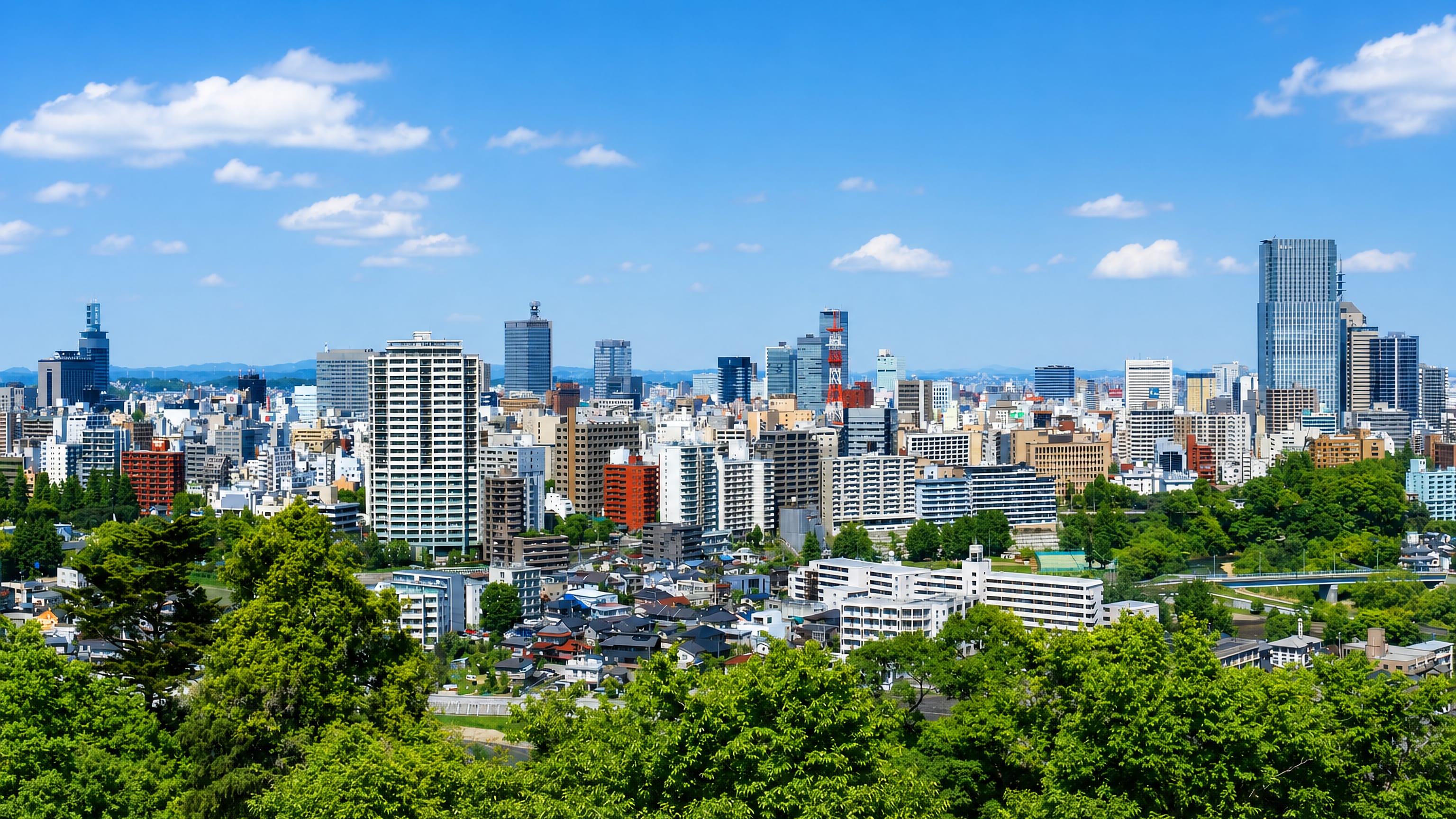
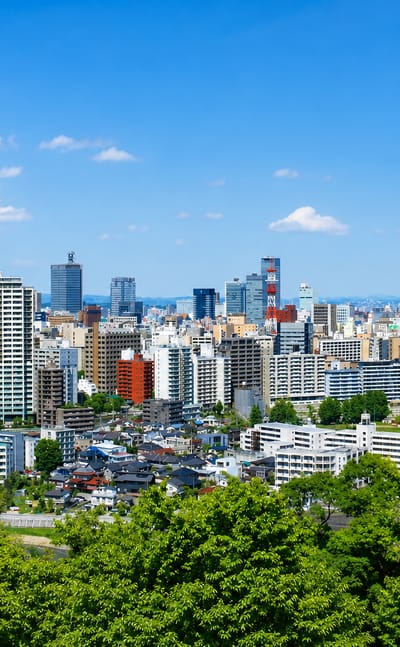
Wooded hills rise above Sendai, the largest city of the Tohoku region and capital of Miyagi Prefecture, close to both the sea and the mountains.Where to stay →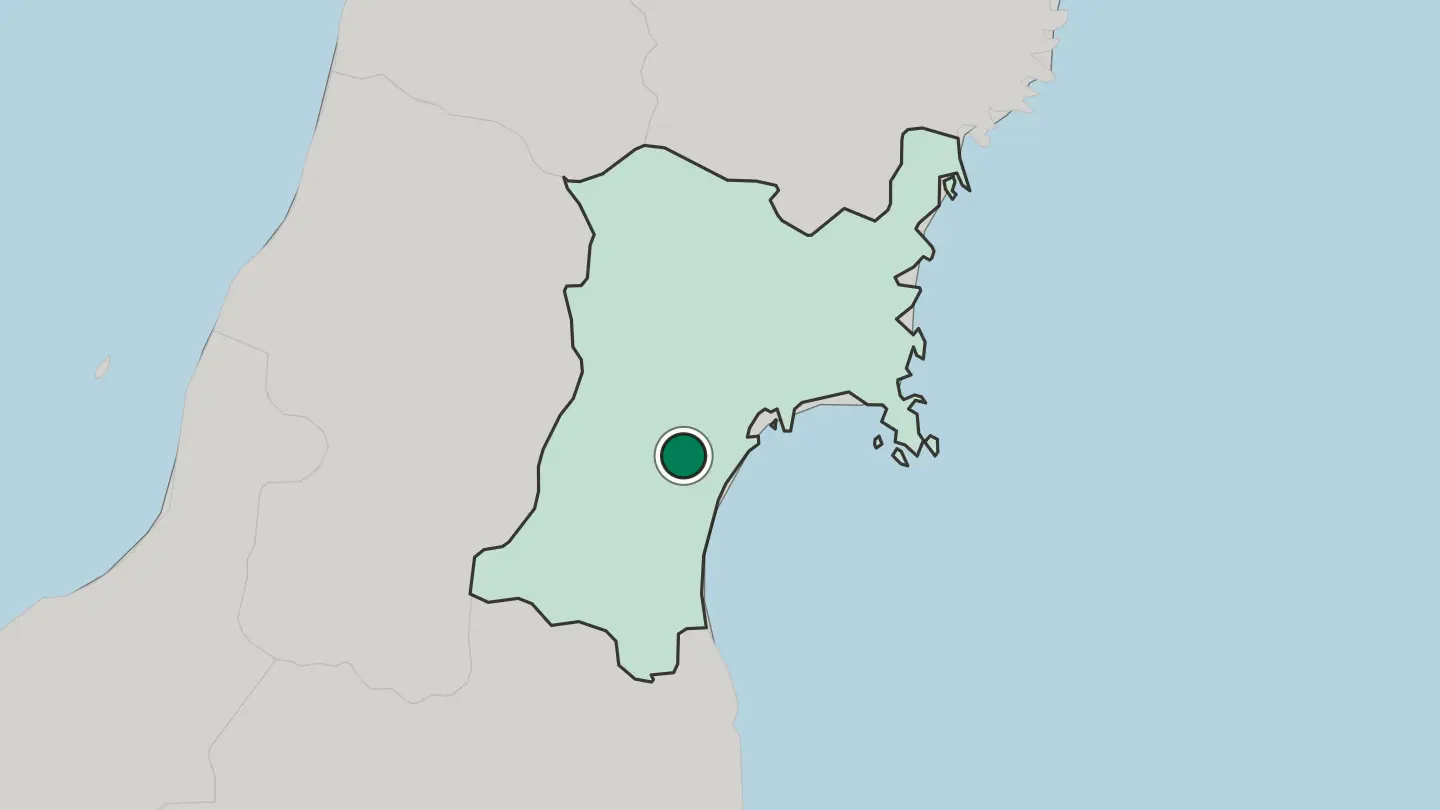
 Japan
Japan
Ishinomaki
Ishinomaki is a coastal city of Miyagi Prefecture, Japan, with the islands of Kinkasan and Tashirojima lying offshore.Where to stay →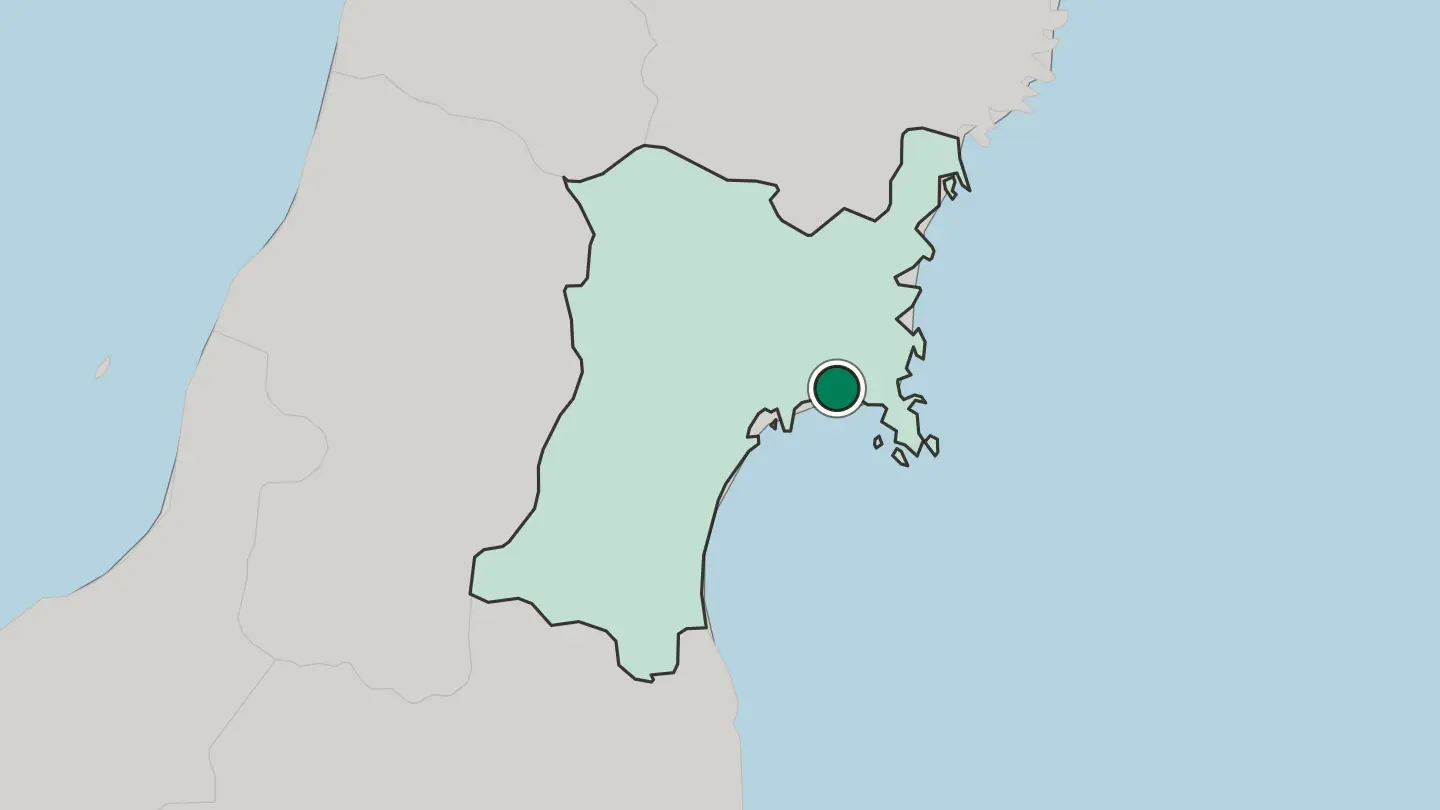 Japan
Japan
Ōsaki
Ōsaki is a city of Miyagi Prefecture in Japan, dating from 2006, with Yūbikan, the Miyazawa Site and the Onikōbe geysers on its register.Where to stay →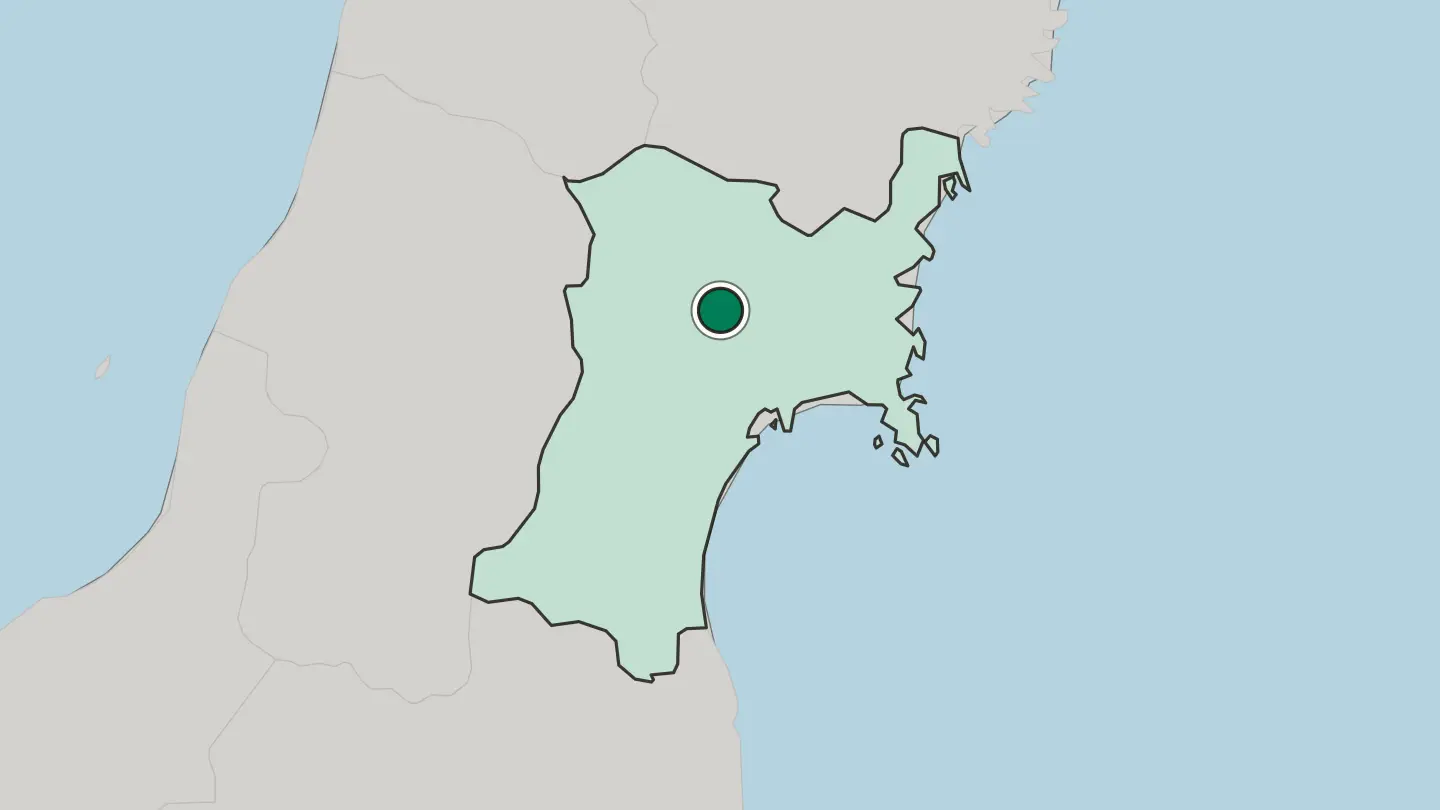
 Japan
Japan
Natori-shi
Natori is a coastal city in Miyagi, Japan, just south of Sendai, rebuilt from the great tsunami of 2011.Where to stay →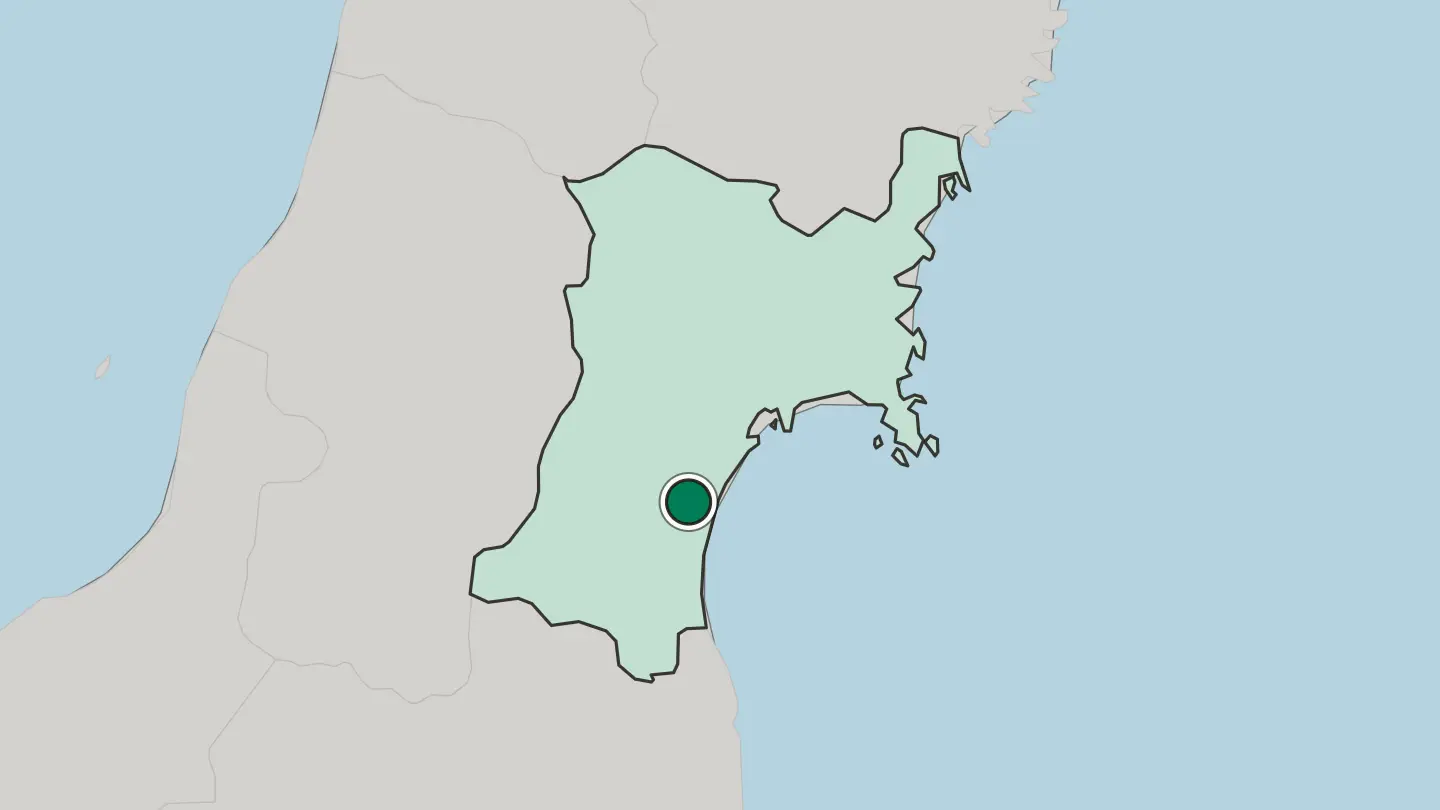 Japan
Japan
Kurihara
Kurihara is a wide city in Miyagi Prefecture, dating from 2005, with part of its ground lying inside the Kurikoma Quasi-National Park.Where to stay →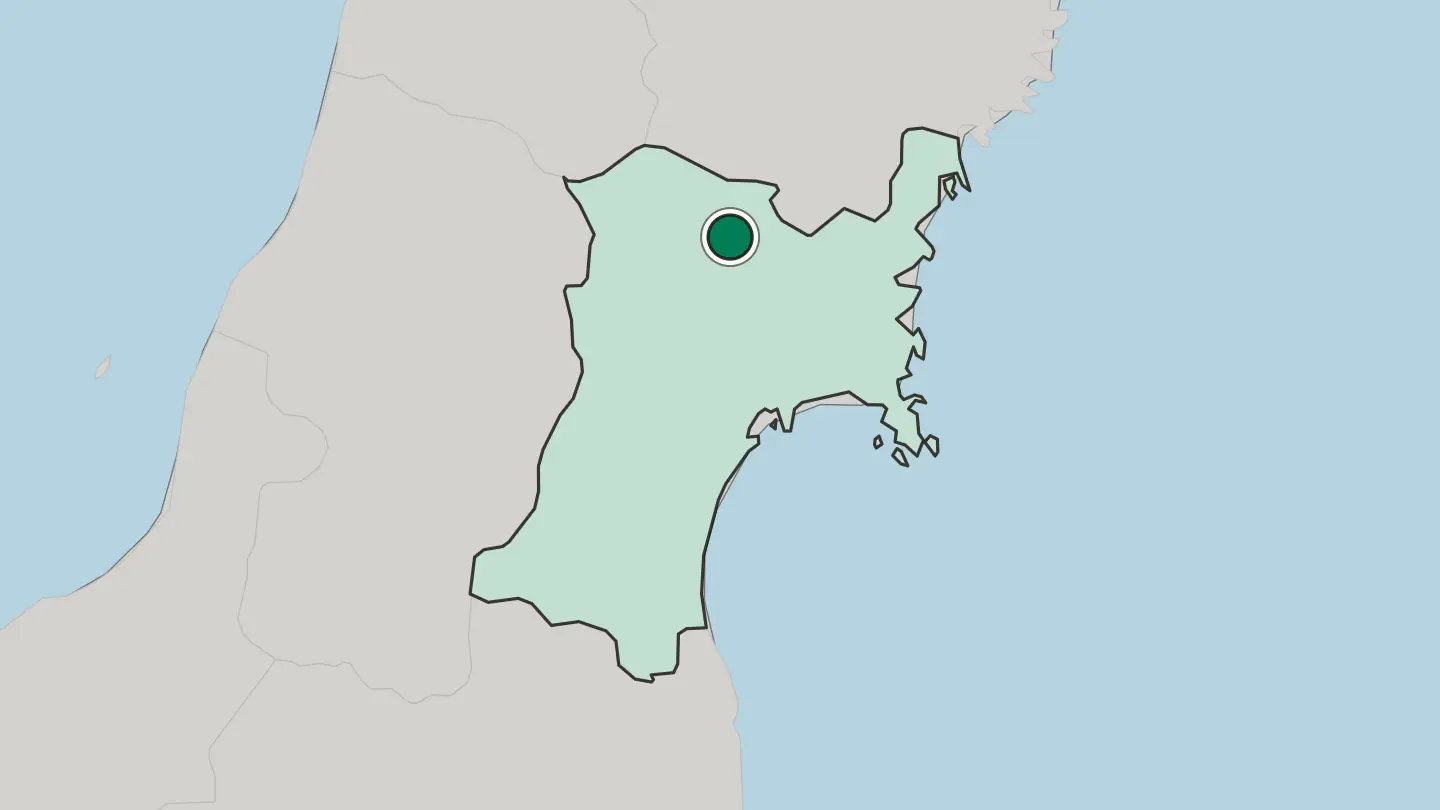
 Japan
Japan
Kesennuma
Kesennuma is a coastal city of Miyagi Prefecture, Japan, whose Shark Museum is the only one of its kind in the country.Where to stay →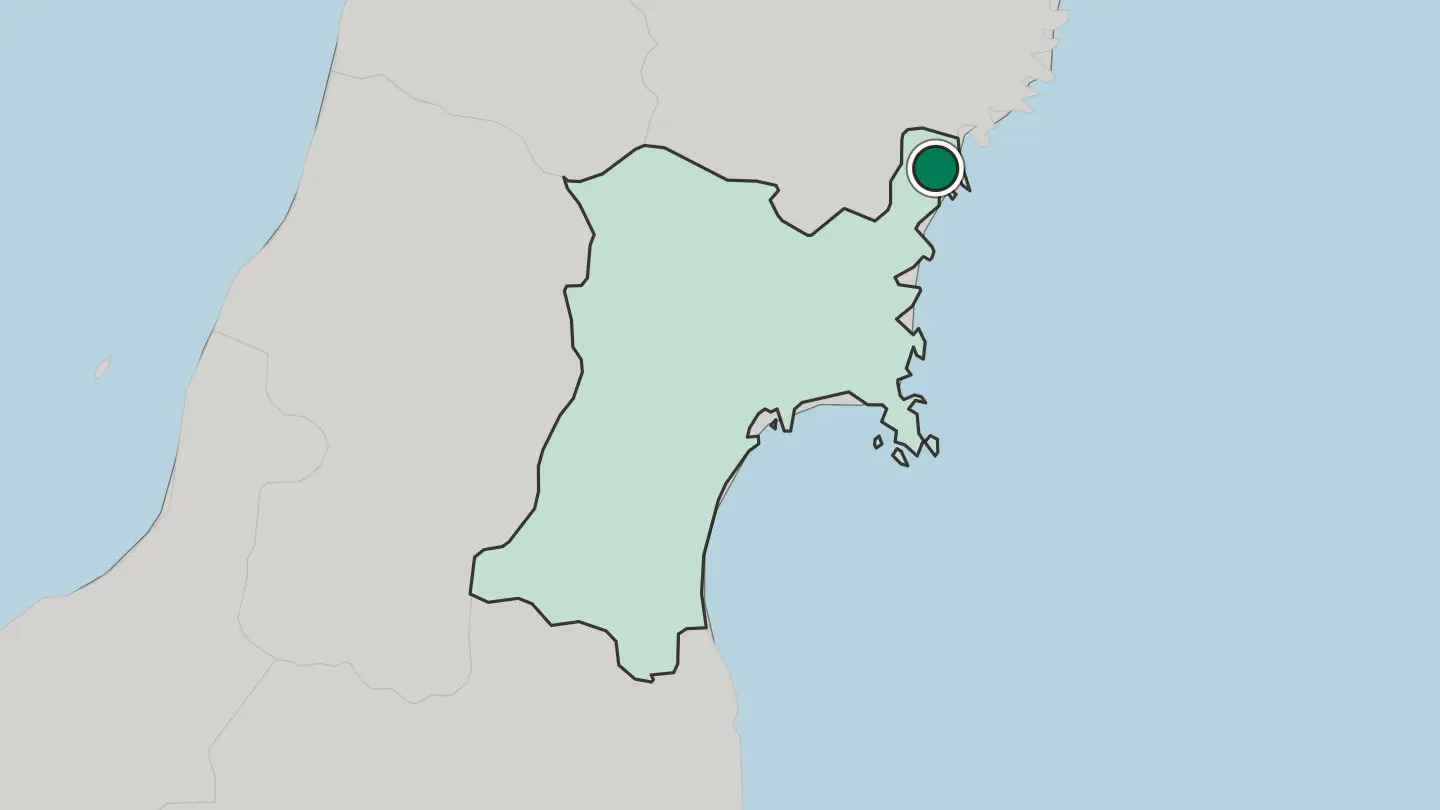 Japan
Japan
Shiogama
Shiogama is a compact city in Miyagi Prefecture, constituted in 1889, holding the Shiogama Shrine Museum and the Tōhoku History Museum.Where to stay →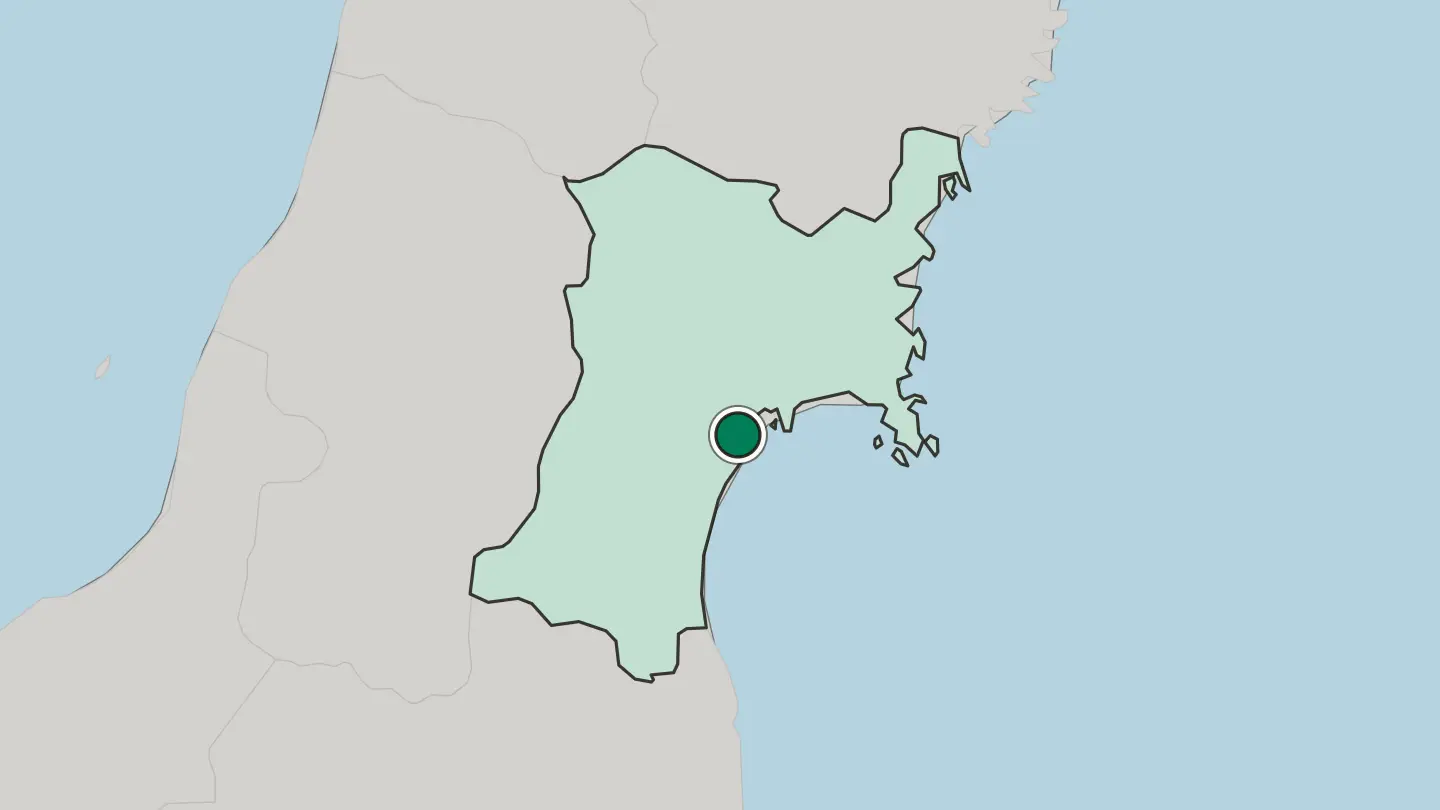 Japan
Japan
Tomiya
Tomiya is a city in central Miyagi Prefecture, recorded as a village in 1889, covering some 49 square kilometres near Sendai.Where to stay →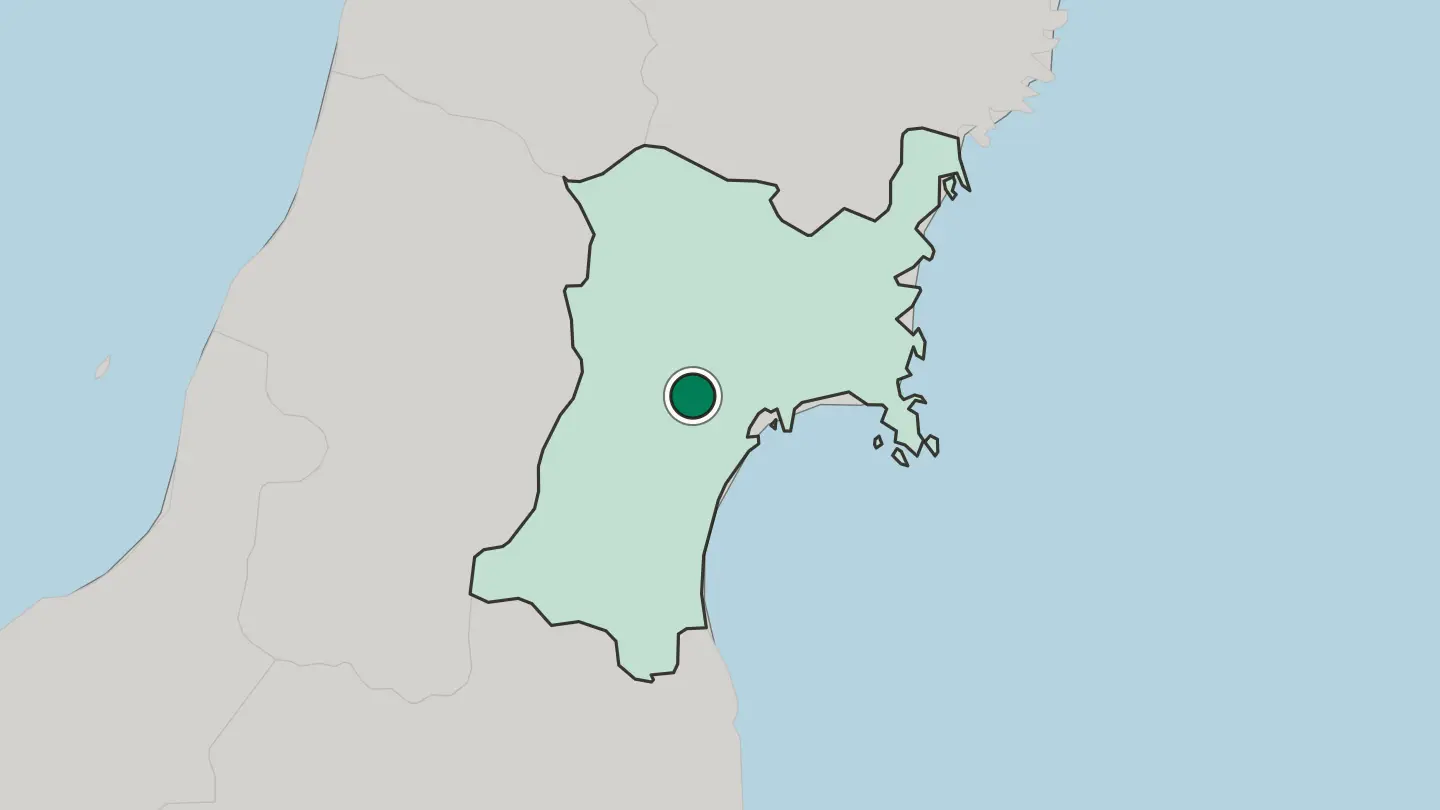
Hotel links are affiliate links: booking through them may earn us a commission, at no extra cost to you. It never affects how places are ranked. How this works
About Miyagi-ken
Sendai anchors everything.
What is Miyagi-ken known for?
The largest city in the Tōhoku region grew up around Date Masamune's Aoba Castle, and its grilled beef tongue, or gyūtan, draws diners from across the country. Offshore, the bay at Matsushima scatters more than two hundred pine-topped islets across the water, long counted among the Three Views of Japan. The Sanriku Coast frays into inlets and fishing harbours further north.
Skiers climb Mount Zaō for its rime-frosted trees each winter.
Where is Miyagi-ken?
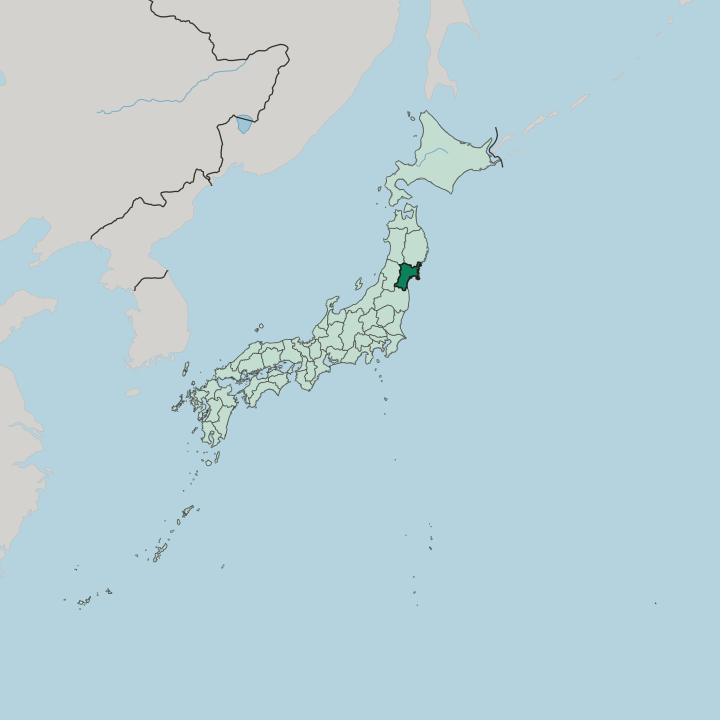
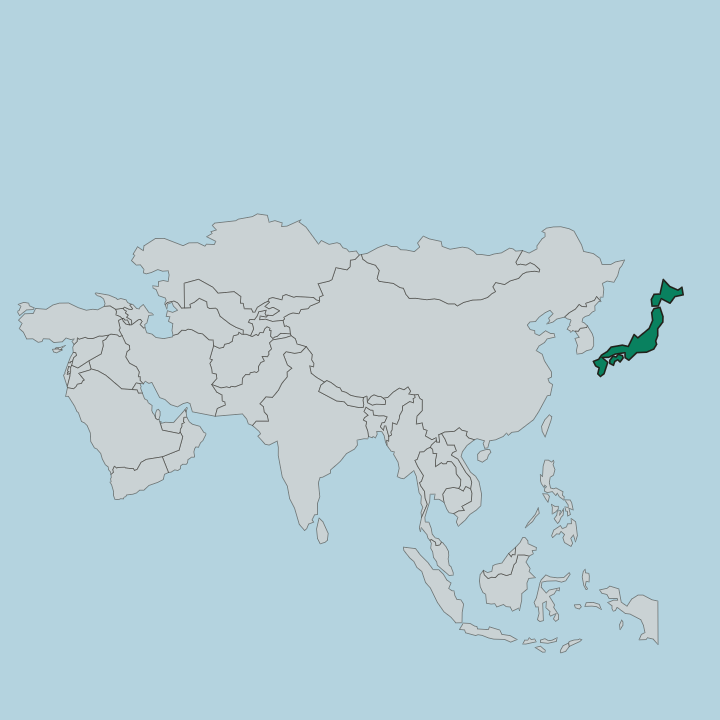
Miyagi sits on the Pacific side of the Tōhoku region, in the north-east of the island of Honshū. It faces open ocean to the east. The Ōu Mountains, the longest range in Japan, wall off its western edge and mark the border with Yamagata Prefecture inland. Iwate Prefecture lies to the north and Fukushima to the south, so only the eastern flank opens to the sea.
Between the mountains and the coast spreads the Sendai plain, a broad band of rice country and the most heavily settled ground in Tōhoku. The coastline tells two stories. In the north it breaks into the drowned valleys of the Sanriku Coast, a jagged ria shore of deep inlets and fishing harbours.
Further south it softens around Matsushima, where a shallow bay holds more than two hundred pine-clad islets counted among the Three Views of Japan, before flattening into the long sand strands below Sendai. The Kitakami River, the longest in the north-east, drains down from Iwate and reaches the Pacific near Ishinomaki. Volcanoes edge the interior.
Mount Zaō straddles the Yamagata border with its acid crater lake, and forested hills climb west toward the spine of Honshū. Sea and mountain are never far apart here.
What is Miyagi-ken like?
Miyagi wears its samurai past lightly but visibly. Date Masamune, the one-eyed warlord who founded Sendai in 1600, still rides above the city as a bronze horseman on the Aoba Castle hill. His taste for display shaped a merchant culture that prized craft and ceremony.
That inheritance surfaces every summer in the Sendai Tanabata, when the shopping arcades hang thousands of long paper-and-bamboo streamers for the star festival. Japanese is the language of daily life, as across the country. Food carries as much identity as history here.
Sendai made its name on gyūtan, thick-cut beef tongue charcoal-grilled and served with barley rice, and on zunda, a bright green paste of mashed young soybeans spread over rice cakes. The paddies of the Sendai plain feed a serious sake trade, and the cold Pacific keeps the fish markets of Ishinomaki and Kesennuma busy. Up in the Ōu Mountain valleys, the lathe-workers of Naruko turn kokeshi, the slender painted wooden dolls that the town is known for.
Craft and appetite run together. It is an unshowy, deeply regional culture, prouder of its own table than of any outside comparison.
What is the history of Miyagi-ken?
The land was the seat of the Sendai Domain, one of the largest in feudal Japan. Date Masamune founded its castle town of Sendai in 1600 and ruled from Aoba Castle. His line held the fief until the domains were dissolved.
Miyagi Prefecture was drawn up in 1871, when the old han were abolished and remapped into prefectures. Modern history turned on a single day. The 2011 Tōhoku earthquake and the tsunami it sent ashore devastated the Sanriku Coast and the low ground around Ishinomaki, and rebuilding has shaped the coast ever since.
What is the climate of Miyagi-ken?
Miyagi keeps a milder winter than the snow country on the far side of the mountains. The Ōu Mountains block the heavy snowfall that Siberian winds dump on the Sea of Japan coast, so Sendai and the plain stay comparatively dry and bright in the cold months. Summers turn warm and humid, with the wet season soaking the rice paddies before the heat sets in.
The heights are a different world. Mount Zaō gathers deep snow and its ice-crusted snow monsters each winter, while the coast rarely freezes for long.
How do you get to Miyagi-ken?
Sendai is the way in. The Tōhoku Shinkansen runs north from Tokyo and reaches Sendai Station in roughly an hour and a half, putting the prefecture within an easy day of the capital. Sendai Airport, on the coast south of the city, handles domestic flights and a scatter of international routes, linked to the centre by its own rail line.
From Sendai, local trains fan out to Matsushima, the Sanriku Coast and the onsen valleys of the interior. Everything threads through the one city.
Common questions
What is the best area to stay in Miyagi-ken?
Sendai: a first base in the Tōhoku region. Matsushima: waking up over the pine-island bay. Naruko Onsen: sulphur baths and kokeshi woodwork. The Sanriku Coast: ria inlets and working fishing ports.
Good for
More regions in Japan
Updated September 2026