Japan · Oita Prefecture
Where to Stay in Nakatsu, Oita Prefecture
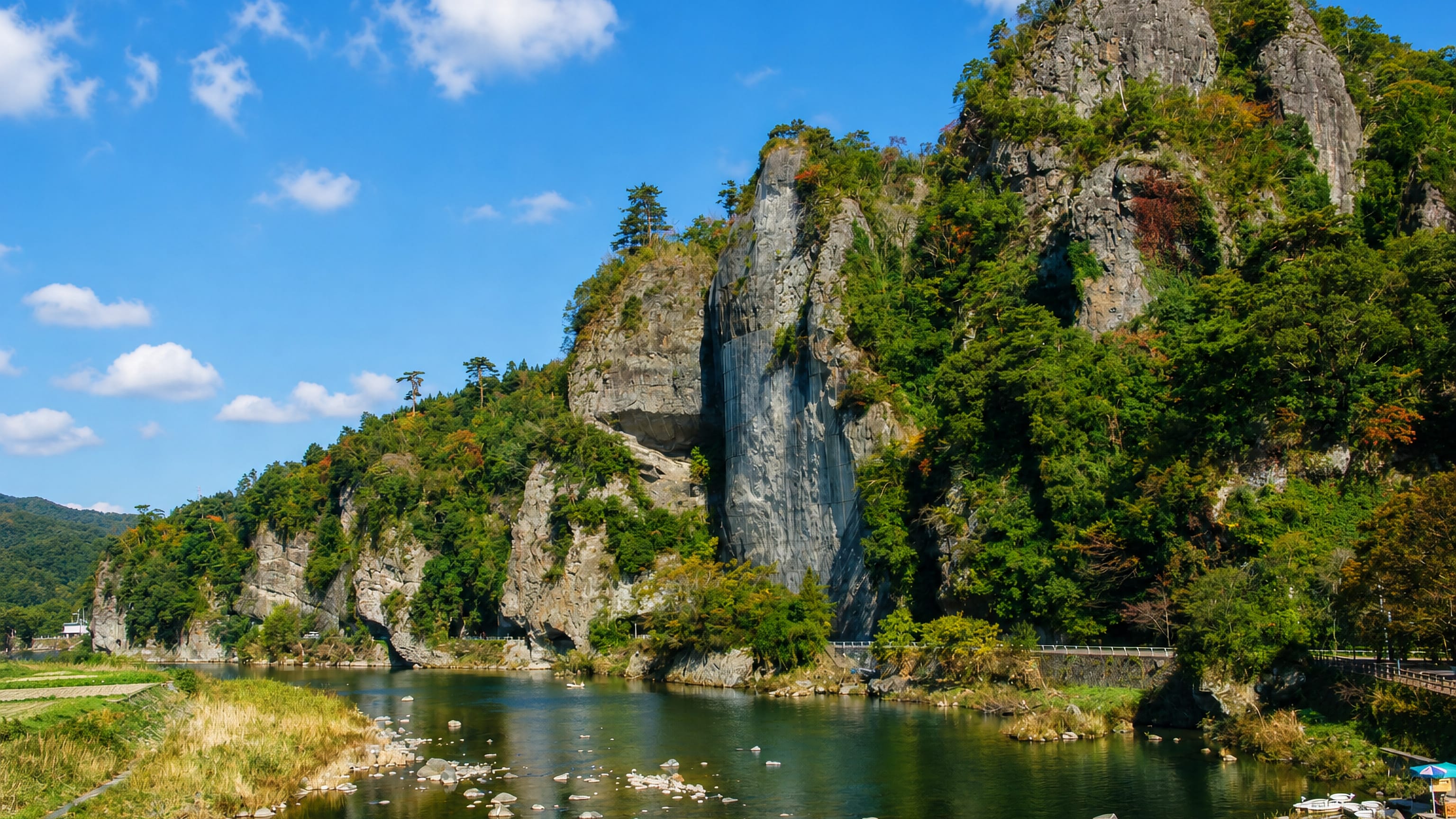
Nakatsu holds the northern border of Ōita Prefecture in Kyushu, a wide municipality that takes in Yabakei and Mount Hiko.
Hotel links are affiliate links: booking through them may earn us a commission, at no extra cost to you. It never affects how places are ranked. How this works


Where to stay in Nakatsu
Where the beds are, and what that means for the visit.
Nakatsu is really two places. The built-up part holds the Former Residence of Yukichi Fukuzawa, the Nakatsu History Museum and the Nakatsu City Kimura Memorial Art Museum within a short walk of one another, which makes it the obvious base for a first visit. Yabakei is the other.
Rooms out there put Rakan-ji Temple, the Yabakei Museum and the Sarutobi potholes on the doorstep, at the cost of everything in town becoming a drive. Mount Hiko marks the far limit. It stands at the edge of what this municipality takes in, and a stay chosen for it is a different trip again, closer to hill walking than to the museum circuit that fills the other end.
Nagasoe Sports Park answers a third need. Fixtures there fill beds for reasons unconnected to Yukichi Fukuzawa or Rakan-ji Temple, and anyone booking around a match will want the built-up side rather than Yabakei. Sites thin out between the poles.
The Chōja Yashiki Government Office Site, the Dainose Kanga ruins and the Hōgaki Site are scattered across ground that rewards a car more than a timetable.
Find hotels in Nakatsu
Direct booking searches for these neighbourhoods.
Around the Fukuzawa house
The Former Residence of Yukichi Fukuzawa and the Nakatsu History Museum stand close enough to cover on foot in a morning.Find hotels in Around the Fukuzawa houseNights out at Yabakei rather than in the built-up partYabakei
Yabakei and the Yabakei Museum are far enough from the town side that returning each evening wastes the light. Few places to stay nearby — book ahead.Find hotels in YabakeiEarly mornings at Rakan-ji TempleRakan-ji Temple approach
Rakan-ji Temple stands in the Yabakei country, and a bed nearby turns the approach into a walk instead of a drive. Lodging is scarce in this area; reserve in advance.Find hotels in Rakan-ji Temple approachWalkers using Mount Hiko as the day's anchorMount Hiko side
Mount Hiko rises at the far edge of what Nakatsu takes in, a long way from the Nakatsu City Kimura Memorial Art Museum. Rooms are few around here — worth securing early.Find hotels in Mount Hiko sideGroups tied to fixtures at Nagasoe Sports ParkNagasoe Sports Park
Nagasoe Sports Park draws stays that have nothing to do with Yabakei or the Fukuzawa house at all.Find hotels in Nagasoe Sports ParkHotel links are affiliate links: booking through them may earn us a commission, at no extra cost to you. It never affects how places are ranked. How this works
Things to do in Nakatsu
Ranked by global recognition; descriptions from Wikidata (CC0).
Museums & Galleries
2- Nakatsu City Kimura Memorial Art Museum
- Yabakei Museum
Castles & Historic Sites
3- Chōja Yashiki Government Office Site
- Dainose Kanga ruins
- Hōgaki Site
Nature & Outdoors
1- Mount Hiko Heritage
Stadiums & Sports
1- Nagasoe Sports Park
worth knowingacross 4 categories in Nakatsu
About Nakatsu
One name outranks the rest here.
What is Nakatsu known for?
The Former Residence of Yukichi Fukuzawa preserves a single house, kept because the man who lived in it matters more to the record than most of what surrounds it, and the Nakatsu History Museum and the Nakatsu Municipal Museum for History and Folklore work the ground around him. Landscape supplies the other half. Yabakei and Mount Hiko draw people who never open a museum door, and Rakan-ji Temple sits among them.
What are the main landmarks in Nakatsu?
Nature and biography share the list. Yabakei, Mount Hiko and the Sarutobi potholes are the natural entries, while the Former Residence of Yukichi Fukuzawa is the only one that turns on a single person. Ruins fill the middle.
The Chōja Yashiki Government Office Site, the Dainose Kanga ruins and the Hōgaki Site all hold the remains of earlier building, and Rakan-ji Temple, the Yabakei Museum, the Nakatsu History Museum, the Nakatsu Municipal Museum for History and Folklore and the Nakatsu City Kimura Memorial Art Museum account for everything under a roof.
What is the history of Nakatsu?
Administration on this ground is old. The Chōja Yashiki Government Office Site and the Dainose Kanga ruins both preserve the remains of official buildings, which means the business of governing was being done here long before any modern council existed, and the Hōgaki Site adds a third excavated point to the same picture. The register formalised it in 1889.
Nakatsu entered that record as Nakatsu-machi, a town rather than a city, and the higher rank it carries came later. One resident outweighs the rest of the record. The Former Residence of Yukichi Fukuzawa is kept as a museum piece, and both the Nakatsu History Museum and the Nakatsu Municipal Museum for History and Folklore give his period more room than any other.
Religion runs deeper. Rakan-ji Temple belongs to the Yabakei country rather than to the built-up part, and Mount Hiko stands beyond both, a natural landmark that owes nothing to any institution named here. Collecting is the newest habit.
The Nakatsu City Kimura Memorial Art Museum and the Yabakei Museum came into a city that had already spent a long time accumulating things worth putting in them.
Where is Nakatsu?
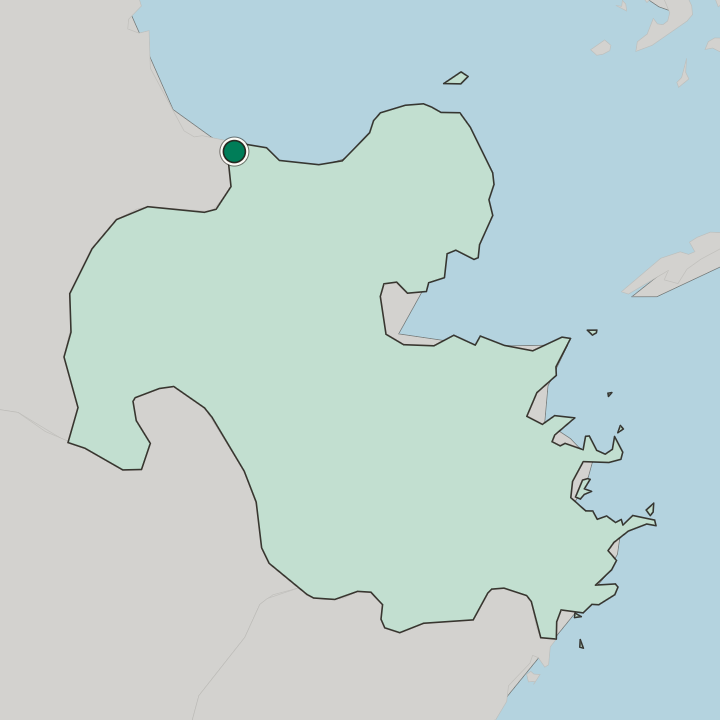
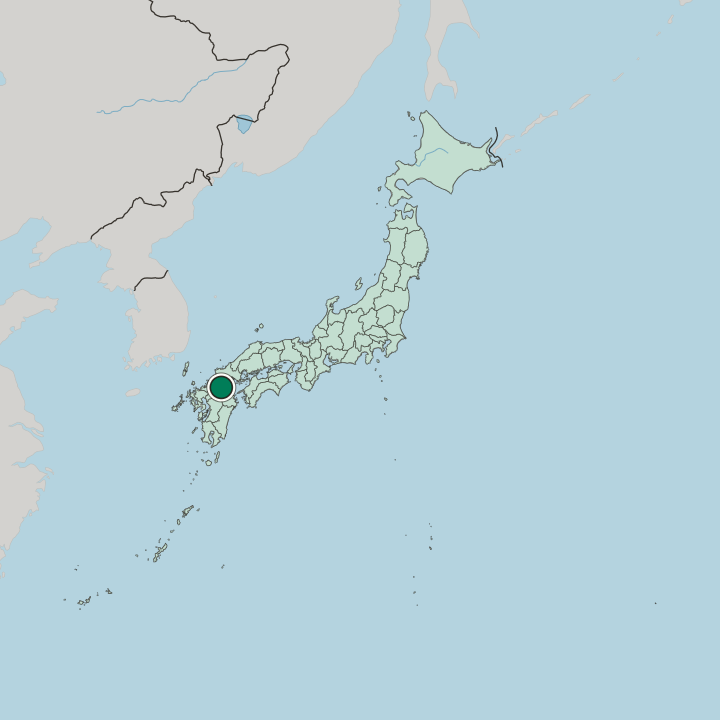
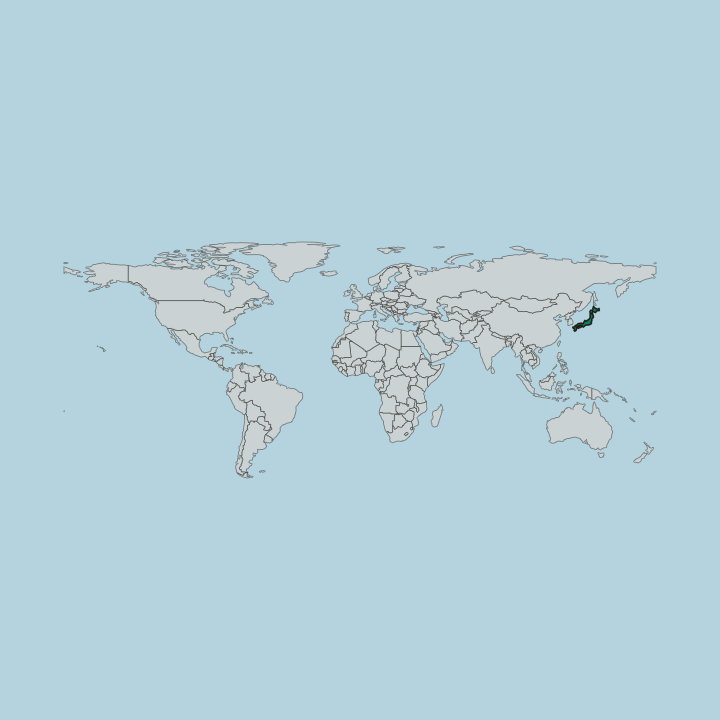
Nakatsu spreads far beyond its town centre. Nearly five hundred square kilometres of Ōita Prefecture belong to it, running from the northern border of the prefecture back into country that holds Yabakei, the Sarutobi potholes and Mount Hiko. Kyushu frames the whole of it.
The subtropical band covers that ground evenly, and the distance between Rakan-ji Temple and the museums in the built-up part is what a visitor actually feels.
What is the climate of Nakatsu?
Mount Hiko changes the arithmetic. Height at that end of the municipality means conditions there part company with the built-up side, and the subtropical band that governs Nakatsu as a whole is felt least in the country around Yabakei. Warm months run long.
Rakan-ji Temple and the Sarutobi potholes reward the cooler edges of the year, while the Nakatsu History Museum and the Nakatsu City Kimura Memorial Art Museum are indifferent to all of it.
How do you get to Nakatsu?
Kyushu puts Nakatsu on a border. The city holds the northern edge of Ōita Prefecture, which makes it the first or the last stop depending on which direction a journey runs, and arrivals from the neighbouring prefecture cross into it directly. Inside, distances stretch.
Yabakei, Rakan-ji Temple and Mount Hiko are a long way from the Former Residence of Yukichi Fukuzawa, so anyone without a car should choose one end and commit to it.
Common questions
What is the best area to stay in Nakatsu?
Around the Fukuzawa house: Walkable days from the Former Residence of Yukichi Fukuzawa. Yabakei: Nights out at Yabakei rather than in the built-up part. Rakan-ji Temple approach: Early mornings at Rakan-ji Temple. Mount Hiko side: Walkers using Mount Hiko as the day's anchor. Nagasoe Sports Park: Groups tied to fixtures at Nagasoe Sports Park.
Good for
More cities in Oita Prefecture
Updated September 2026