Japan · Oita Prefecture
Where to Stay in Ōita, Oita Prefecture
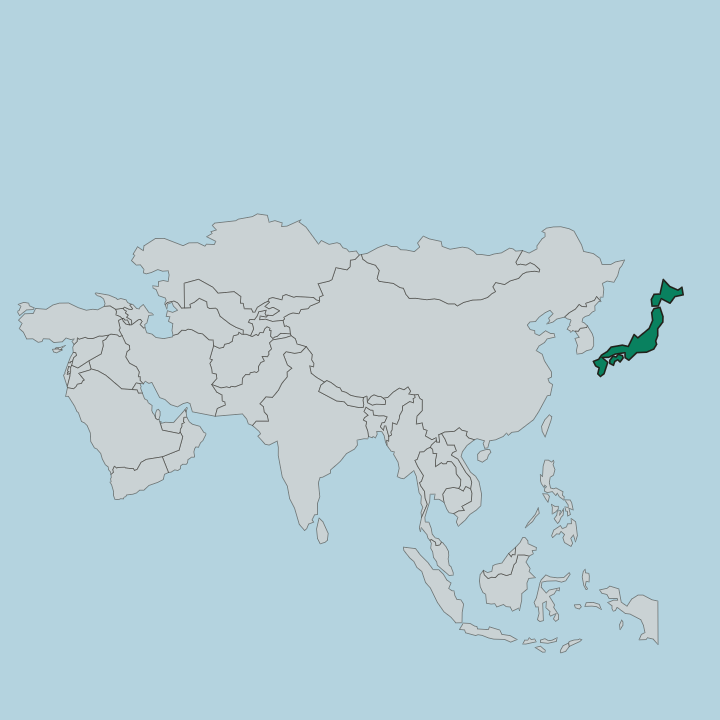
Ōita is a port city of Kyushu in southern Japan, the seat of its prefecture on a bay of the Inland Sea, an old castle town near the hot springs of Beppu.
Hotel links are affiliate links: booking through them may earn us a commission, at no extra cost to you. It never affects how places are ranked. How this works


Where to stay in Ōita
Where visitors usually base themselves, and why.
Where you stay in Ōita turns on the town or the bay. The streets around the castle park keep the museums, the shops, and the old moats within a walk, and staying downtown suits anyone here for the city. The castle walls stand in the park.
Trains run to Beppu. Up the shore toward Beppu and the springs, the town gives way to the hot-spring resorts, the steaming hells, and the coast. A room up the bay trades the streets for the onsen baths, the sea views, and the green Kunisaki hills.
The steam drifts over the town. Stay downtown for the castle, or up the bay for the springs. Downtown Ōita sits a little way back from the bay.
Find hotels in Ōita
Direct booking searches for these neighbourhoods.
The castle town
Around downtownFind hotels in The castle townStays wanting the hot springs and coastBeppu and the bay
Up the shoreFind hotels in Beppu and the bayHotel links are affiliate links: booking through them may earn us a commission, at no extra cost to you. It never affects how places are ranked. How this works
About Ōita
Ōita is the bay city of eastern Kyushu.
What is Ōita known for?
On a wide bay of the Inland Sea in southern Japan, it grew from an old castle town into a busy port and mill city, and it keeps the ruins of its Funai castle by the water, the steaming hot springs of Beppu just up the bay, a strong line in art and fine museums, and the old stone Buddhas and temples of the Kunisaki hills nearby. The blue bay opens wide. The green hills ring the plain.
What are the main landmarks in Ōita?
The Funai castle ruins are the mark of old Ōita. The moats and stone walls of the lords' old castle, set in a park in the middle of the city, recall the days of Funai, the emblem of the town, downtown. Art fills the halls nearby.
The city's bright art museums gather painting and sculpture in the centre, while the bay port, the Kunisaki stone Buddhas, and the hot springs of Beppu mark the country around Ōita.
What is the history of Ōita?
Ōita was once the port of Funai. Long ago the Ōtomo lords ruled the province of Bungo from a castle here, and one great lord opened the port to the ships of the West, welcoming Portuguese traders and priests and their new faith. The town looked out to sea.
For a time Funai was a window on the world, with Western goods, guns, and even a hospital new to Japan, until the country closed itself and the Christian days ended. The castle town settled into peace. Under the shoguns Funai lived as a quiet castle town by its bay, and only later, under its new name of Ōita, did it grow again.
Industry came to the bay. In modern times steel and chemical works rose along the shore and a great port was built, and Ōita swelled into a busy city of eastern Kyushu, keeping its castle ruins, its art, and the hot springs up the coast. The ships still fill the bay. Ōita keeps its port and its castle on the Inland Sea.
Where is Ōita?
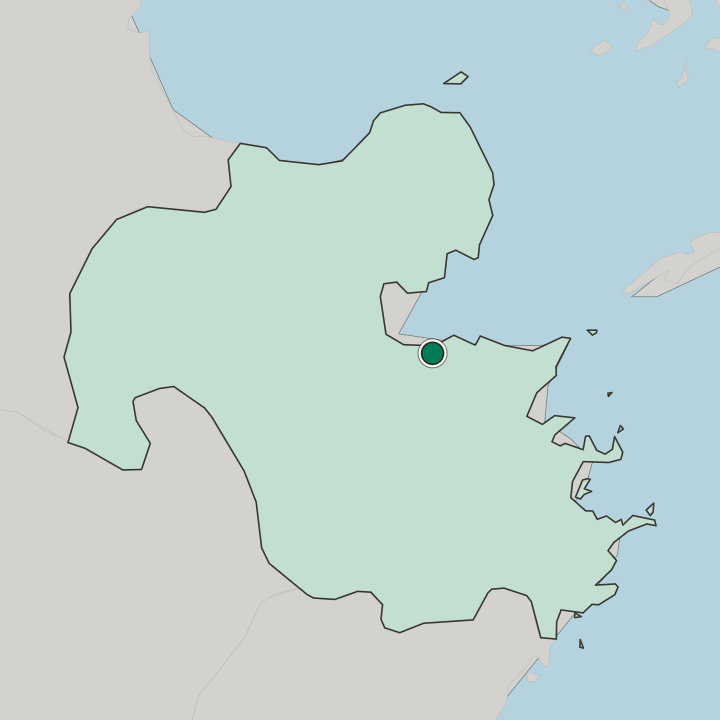
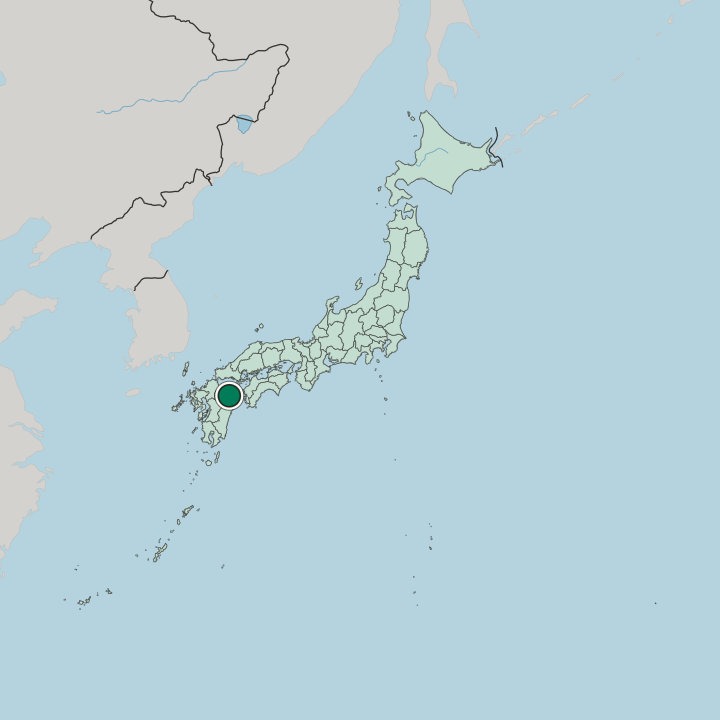
Ōita lies in the east of Kyushu in southern Japan, on Beppu Bay of the Inland Sea. The city spreads over a coastal plain at the mouth of the Ōita river where it opens to the bay, ringed by green volcanic hills, with the hot-spring town of Beppu up the shore and the sea to the east. The bay lies flat and blue.
Green hills climb behind.
What is the climate of Ōita?
Ōita has a warm, wet temperate climate. Hot damp summers and mild winters cross the bay, with heavy summer rains, the odd typhoon, and clear mild winters. The summer air hangs humid.
Winter stays bright and soft.
How do you get to Ōita?
Ōita sits on Beppu Bay in eastern Kyushu, in southern Japan. Trains and the expressway run to it along the coast, and its airport and port link the bay. Boats cross the Inland Sea.
Beppu lies north up the shore.
Common questions
What is the best area to stay in Ōita?
The castle town: Visitors here for the castle park and museums. Beppu and the bay: Stays wanting the hot springs and coast.
Good for
More cities in Oita Prefecture
Updated September 2026