Japan · Oita Prefecture
Where to Stay in Saiki, Oita Prefecture
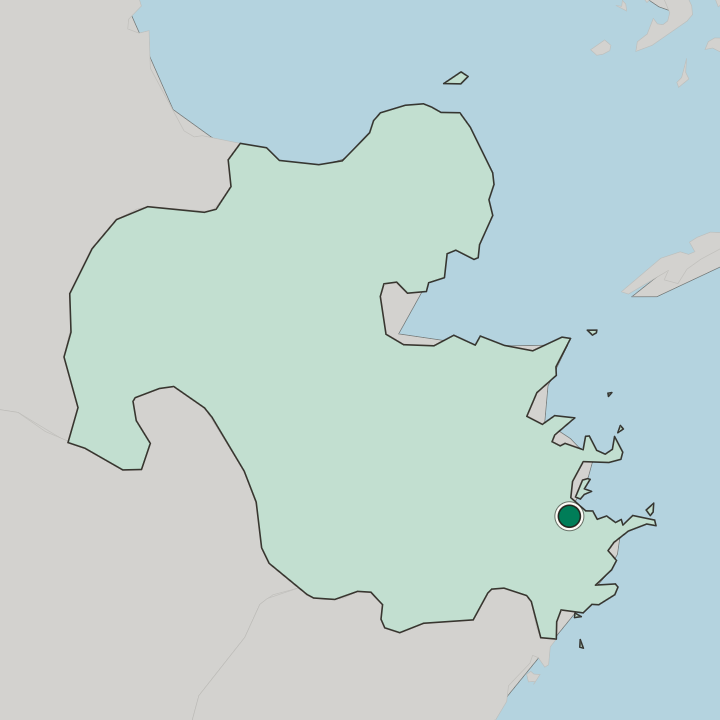
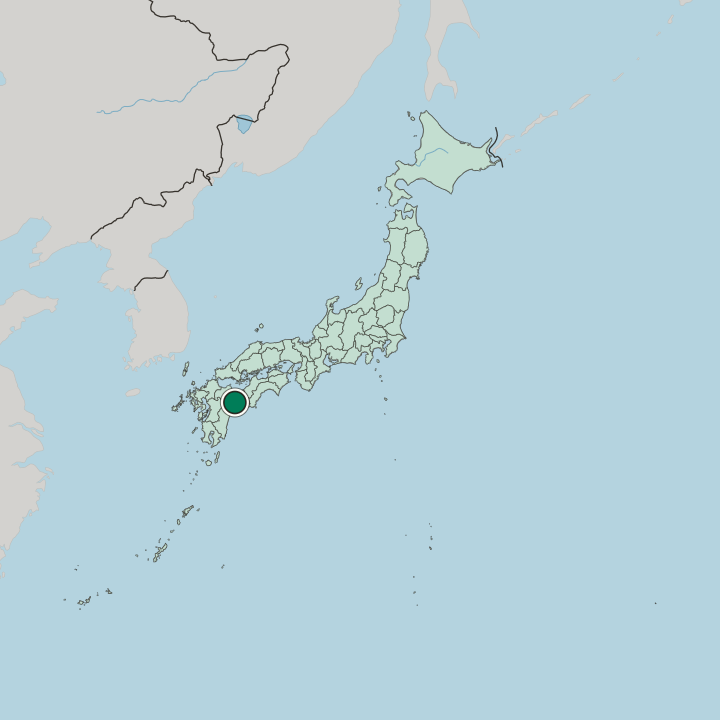
Saiki is the easternmost city in Kyushu, a former castle town where the Banjō River meets the Bungo Channel in south-eastern Ōita Prefecture.
Hotel links are affiliate links: booking through them may earn us a commission, at no extra cost to you. It never affects how places are ranked. How this works


Where to stay in Saiki
Where the beds are, and what that means for the visit.
Saiki splits into three places to sleep. The castle town under Shiroyama is the one to pick for walking, since the Street of History and Literature runs through it and the climb to the Saiki Castle ruins starts at its edge. Saiki Station and the port suit arrivals and departures instead, with Saiki Port a short walk off for the Sukumo ferry.
Cosmo Town, out by the East Kyushu Expressway, is the choice with a car, trading the walk to Umaimon-dori for somewhere to put it. Eat in the centre wherever you sleep.
Find hotels in Saiki
Direct booking searches for these neighbourhoods.
The castle town under Shiroyama
The old quarter below Shiroyama, where white walls line the Street of History and Literature and the path up the hill reaches the Saiki Castle ruins and a view over the Banjō River mouth.Find hotels in The castle town under ShiroyamaEarly trains on the Nippō Main Line and the ferry out of Saiki PortSaiki Station and the port
The transport end of the city, a short walk from Saiki Port, which suits anyone catching the Sukumo ferry across the Bungo Channel or a limited express north.Find hotels in Saiki Station and the portDrivers coming off the East Kyushu Expressway with a car to parkCosmo Town
The newer commercial ground north-west of the centre, near the expressway exit, with shops around it and a drive rather than a walk to Umaimon-dori.Find hotels in Cosmo TownHotel links are affiliate links: booking through them may earn us a commission, at no extra cost to you. It never affects how places are ranked. How this works
About Saiki
Sushi is the local boast.
What is Saiki known for?
Saiki sells its sushi as the finest anywhere, and Umaimon-dori lines one street with seafood restaurants supplied by the town's own boats. The Bungo Channel brings the catch in. The mountains of the Sobo-Katamuki range behind the city bring the other half of the table, and shiitake belongs to Saiki as well, since Harada Risaburō is recorded as the first grower in Japan to raise the mushroom on kunugi oak, in 1805.
What are the main landmarks in Saiki?
The castle is the anchor. Saiki Castle ruins crown Shiroyama as a national historic site, the Sannomaru Yaguramon gate survives at the foot, and Yōkenji holds the graves of the Mōri family who ruled the domain. The Kunikida Doppo museum keeps the writer's connection to the town.
Out on the water the Mizunokojima Lighthouse stands as the tallest island lighthouse in Japan, and the Tsurumizaki Lighthouse marks the easternmost point of Kyushu. Inland, Hijiridaki Cave sits under the hills.
What is the history of Saiki?
Saiki grew as the castle town of the Saiki Domain, held by the Mōri family, and the old saying that the lord was kept by the inlets and the inlets by the mountains still describes how the place fed itself. The town proper dates from 1889, when the municipal system created it. In 1916 the council changed the reading of the name from Saeki to Saiki to match local speech, though the state kept the older form for a while on the railway and at the naval base.
The Saiki Naval Air Group was raised in 1934, and the demand for a garrison town of the right size drove the mergers that made Saiki a city in 1941. Everything widened in 2005, when the city absorbed five towns and three villages of Nankaibe District and became the widest municipality in Kyushu. The district vanished with it.
Where is Saiki?
Saiki faces the Bungo Channel along one of the most broken coastlines in Japan, a ria shore inside the Nippō Coast Quasi-National Park where the Tsurumi Peninsula and the Yotsuura Peninsula reach out past Ōnyūjima and the smaller islands of Fukashima and Yakatajima. The centre sits on the alluvial plain of the Banjō River. Behind it the land climbs into the Sobo-Katamuki range, with Hikodake and Motogoshiyama over the city and the boundary of Miyazaki Prefecture along the southern edge.
Water shapes all of it.
What is the climate of Saiki?
The coast and the hills do not share a winter. Saiki belongs to the warm, wet southern pattern of the Pacific side, with heavy rainfall and a humid summer, and on the shore frost is uncommon enough that whole stretches go without it while a run of close summer nights is normal. Inland at Ume the reading changes completely, with January lows below freezing and a frost count that stands with the coldest ground in Kyushu.
Summer nights there stay cool.
How do you get to Saiki?
Saiki Station sits on the Nippō Main Line, with Nichirin limited expresses north to Ōita by way of Usuki and south to Nobeoka and Miyazaki. Saiki Port lies a short walk north of the station, and the Sukumo ferry crosses from there to Shikoku. Drivers use the East Kyushu Expressway.
The nearest airports are Ōita Airport, reached by bus, and Miyazaki Airport, which the line reaches directly.
Common questions
What is the best area to stay in Saiki?
The castle town under Shiroyama: Walking the Street of History and Literature and climbing to the Saiki Castle ruins. Saiki Station and the port: Early trains on the Nippō Main Line and the ferry out of Saiki Port. Cosmo Town: Drivers coming off the East Kyushu Expressway with a car to park.
Good for
More cities in Oita Prefecture
Updated September 2026