Japan · Saga-ken
Where to Stay in Saga, Saga-ken
Saga is the capital of Saga Prefecture on Kyushu, Japan, a museum-heavy city that most travellers pass on the way to Nagasaki.
Hotel links are affiliate links: booking through them may earn us a commission, at no extra cost to you. It never affects how places are ranked. How this works


Where to stay in Saga
The practical side of choosing where to sleep.
The Saga Castle History Museum fixes the centre of gravity. Rooms near it put the Saga Prefectural Museum, the Saga Prefectural Art Museum, and Chōkokan inside one short circuit of the centre, which is the arrangement you want if collections are the point of the trip. The centre is compact enough that the choice is really about which museum comes first in the morning rather than about distance.
The Ōkuma Memorial Museum belongs to the same central cluster. A single walk covers them all. Beyond the museum core the city spreads wide across the rest of the municipality, and a room out there trades short walks for space and a quieter street.
Saga City Health and Exercise Centre and the Saga Balloon Museum sit out among those outer addresses. Ballooning draws its own crowd. Saga Church of the United Church of Christ in Japan and Saga Church of the Japan Evangelical Lutheran Church mark a different thread of Saga's built record, and both are worth pinning to a map before choosing a bed.
One more collection, at Saga University Art Museum, rounds out the reasons to stay in town. Saga sits on Kyushu, and the road onward to Nagasaki is the reason many rooms here are one-night stops rather than bases.
Find hotels in Saga
Direct booking searches for these neighbourhoods.
The Saga Castle History Museum quarter
The central cluster keeps the Saga Prefectural Art Museum a walk awayFind hotels in The Saga Castle History Museum quarterStays with the Saga Balloon Museum and Saga City Health and Exercise Centre in reachThe outer municipality
Wider streets past the museum core of Saga Prefecture's capitalFind hotels in The outer municipalityHotel links are affiliate links: booking through them may earn us a commission, at no extra cost to you. It never affects how places are ranked. How this works
Things to do in Saga
Ranked by global recognition; descriptions from Wikidata (CC0).
Museums & Galleries
2- Saga Prefectural Art Museum
- Saga University Art Museum
Churches & Religious Sites
2- 日本基督教団佐賀教会
- 日本福音ルーテル佐賀教会
Stadiums & Sports
1- 佐賀市健康運動センター
worth knowingacross 3 categories in Saga
About Saga
Museums make the case here.
What is Saga known for?
The Saga Prefectural Museum, the Saga Prefectural Art Museum, and the Saga Castle History Museum sit alongside the Ōkuma Memorial Museum and the Saga University Art Museum in a city that keeps more collections than its size suggests. Ballooning has its own museum. Most travellers pass Saga on the way to Nagasaki, though the capital of Saga Prefecture holds enough to stop for.
What are the main landmarks in Saga?
The list runs long. Saga Prefectural Museum, Saga Prefectural Art Museum, Saga University Art Museum, and the Saga Castle History Museum hold the public collections, with Chōkokan and the Ōkuma Memorial Museum adding two more. The Saga Balloon Museum is the odd one out.
Saga Church of the United Church of Christ in Japan and Saga Church of the Japan Evangelical Lutheran Church put two churches on the same list, and Saga City Health and Exercise Centre closes it.
What is the history of Saga?
Saga's past is kept indoors. The Saga Castle History Museum holds the castle's account, while the Ōkuma Memorial Museum and Chōkokan carry two more strands of the same civic memory. The register dates the city to 1889.
Capital status explains the museum count: the Saga Prefectural Museum and the Saga Prefectural Art Museum are prefecture-wide institutions that happen to sit in this one city. Not every capital collects like this. Saga is the name in its own script.
The Saga University Art Museum ties one collection to the university. Saga Church of the United Church of Christ in Japan and Saga Church of the Japan Evangelical Lutheran Church record a Christian presence in the city, and both stand on the same short list of landmarks as the museums. The Saga Balloon Museum answers for a subject none of the others cover.
The Saga Prefectural Art Museum and the Saga University Art Museum split the art between a public body and an academic one. Nagasaki pulls most traffic past the city, yet the institutions listed here were built for Saga Prefecture rather than for passing visitors. One city, many keepers.
What Saga holds is less a skyline than an archive, spread across the buildings on its landmark list, which between them cover the castle, the prefecture, the university, and the congregations.
Where is Saga?
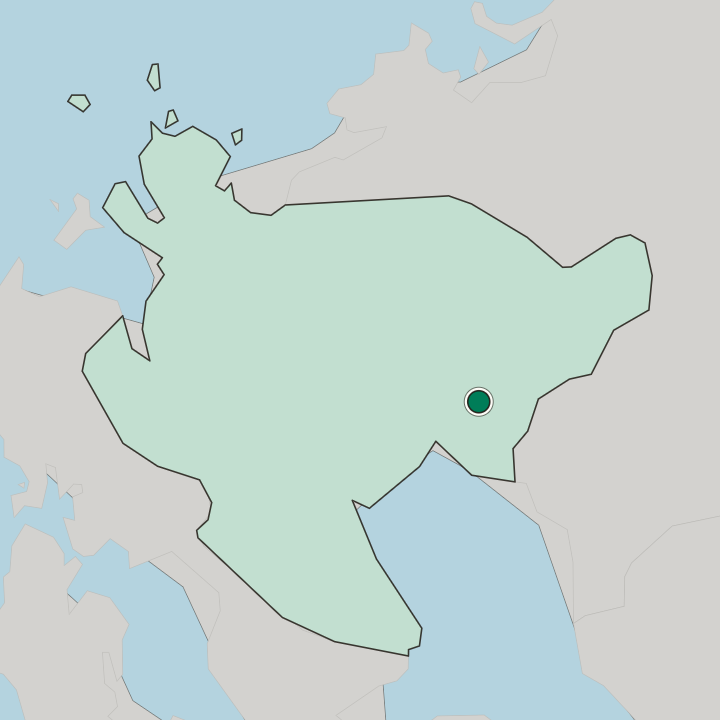
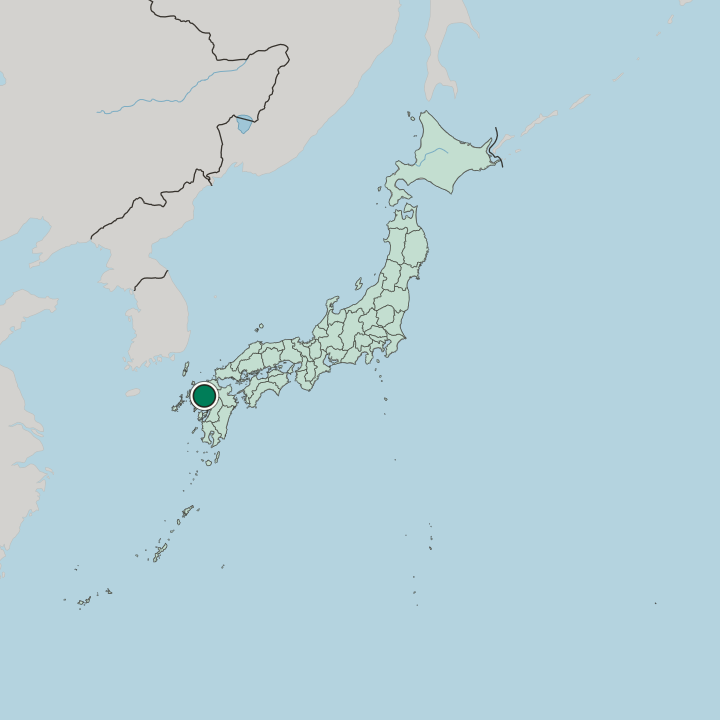
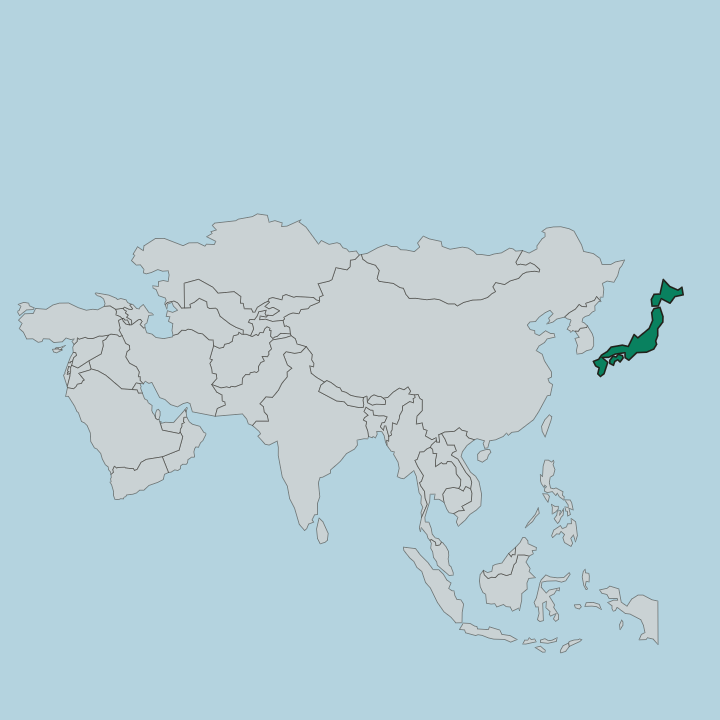
Saga sits on Kyushu. The city covers a wide municipality inside Saga Prefecture, whose capital it is, and most through-traffic on the island is heading onward toward Nagasaki rather than stopping here. Kyushu puts Saga in the subtropics.
Everything on the landmark list, from the Saga Prefectural Museum to Saga City Health and Exercise Centre, falls inside that one municipality.
What is the climate of Saga?
Kyushu puts Saga in the subtropical band. That means a long warm season for a city whose landmark list is mostly indoors anyway, from the Saga Prefectural Art Museum to Chōkokan. Rain finds the roofs useful.
The Saga Balloon Museum and Saga City Health and Exercise Centre give the wetter days somewhere to go, while drier stretches suit walking between the museums of Saga Prefecture's capital.
How do you get to Saga?
Most people are on their way somewhere else. Saga sits on the route most travellers take toward Nagasaki, which is why the capital of Saga Prefecture is more often passed than stopped in. Stopping is the whole trick.
Once inside the city, the Saga Castle History Museum and the Saga Prefectural Museum are the two addresses that repay the detour, with the Saga Balloon Museum a third for anyone with a spare afternoon.
Common questions
What is the best area to stay in Saga?
The Saga Castle History Museum quarter: Museum runs taking in Chōkokan and the Ōkuma Memorial Museum. The outer municipality: Stays with the Saga Balloon Museum and Saga City Health and Exercise Centre in reach.
Good for
More cities in Saga-ken
Updated October 2026