Japan
Saga-ken, Japan — Towns & Travel Guide
Saga is Kyushu's smallest prefecture, a slim band of land between two seas that fired Japan's first porcelain at Arita.
Hotel links are affiliate links: booking through them may earn us a commission, at no extra cost to you. It never affects how places are ranked. How this works


Towns & cities in Saga-ken
Pick a town or city — each links to where to stay.
 Japan
Japan
Saga
Saga is the capital of Saga Prefecture on Kyushu, Japan, a museum-heavy city that most travellers pass on the way to Nagasaki.Where to stay →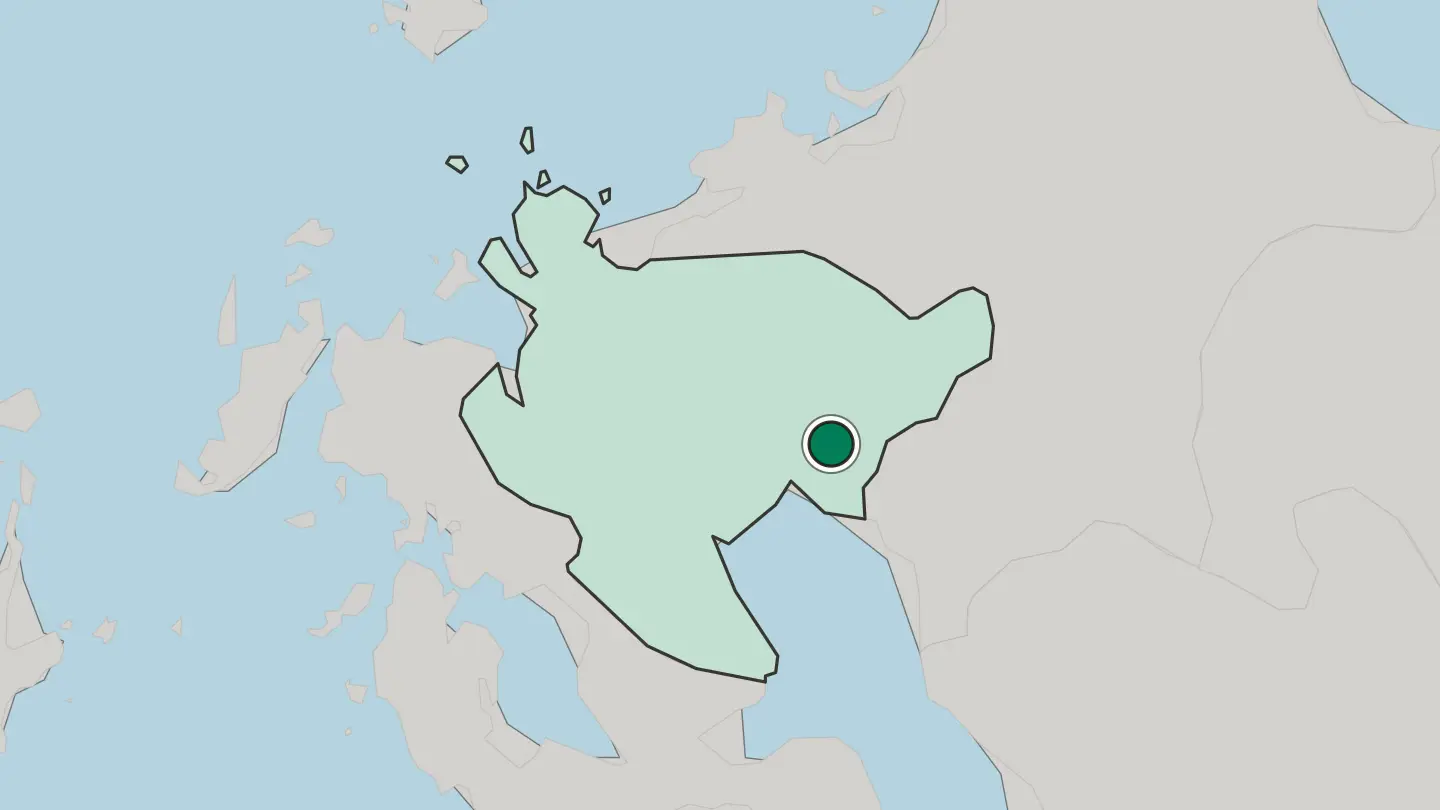 Japan
Japan
Karatsu
Karatsu is a port city in Saga Prefecture on the island of Kyushu, Japan, whose name records old trade with China and Korea.Where to stay →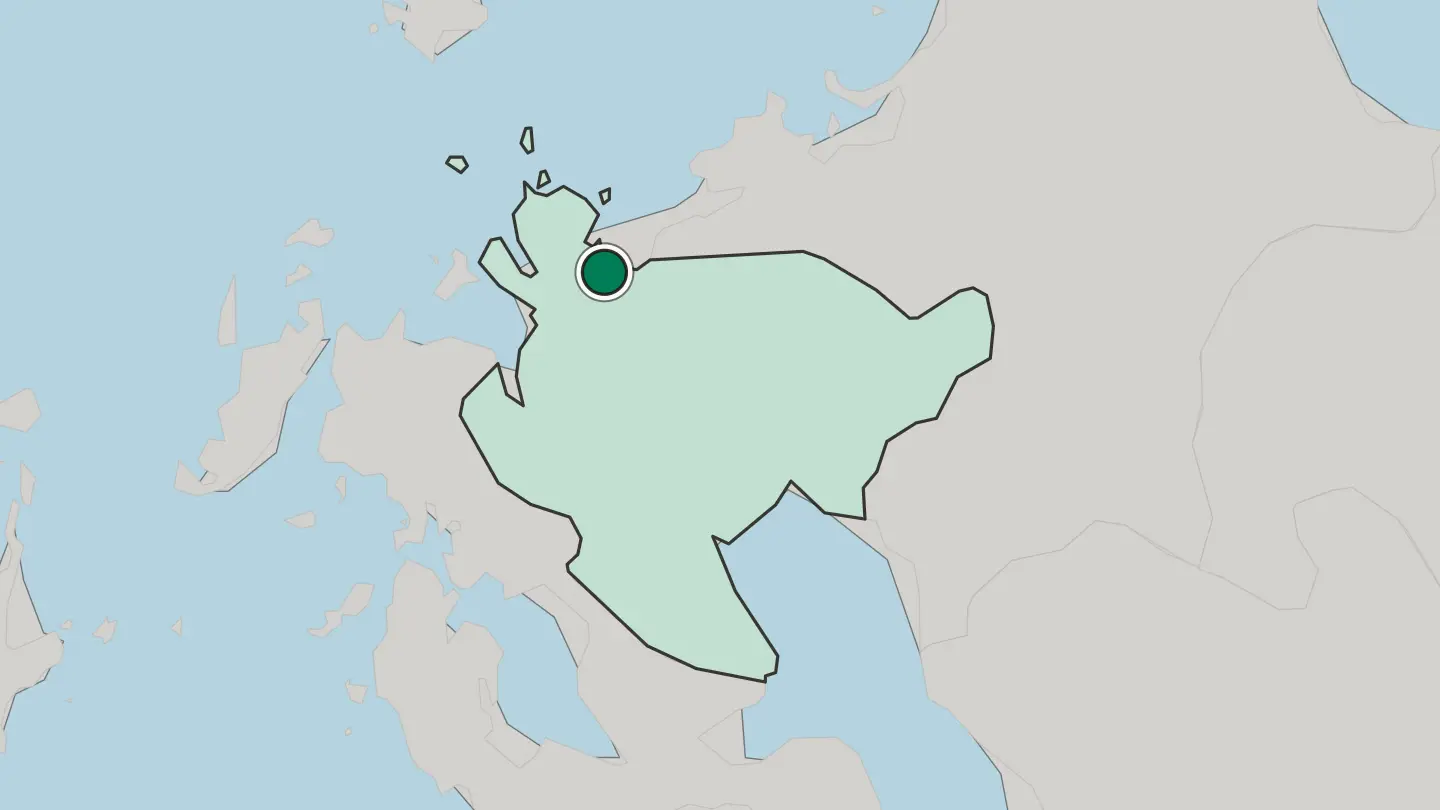
 Japan
Japan
Tosu
Tosu is a compact city in Saga Prefecture on Kyushu, Japan, holding Katsunoo Castle, two excavated sites and a museum of medicine.Where to stay →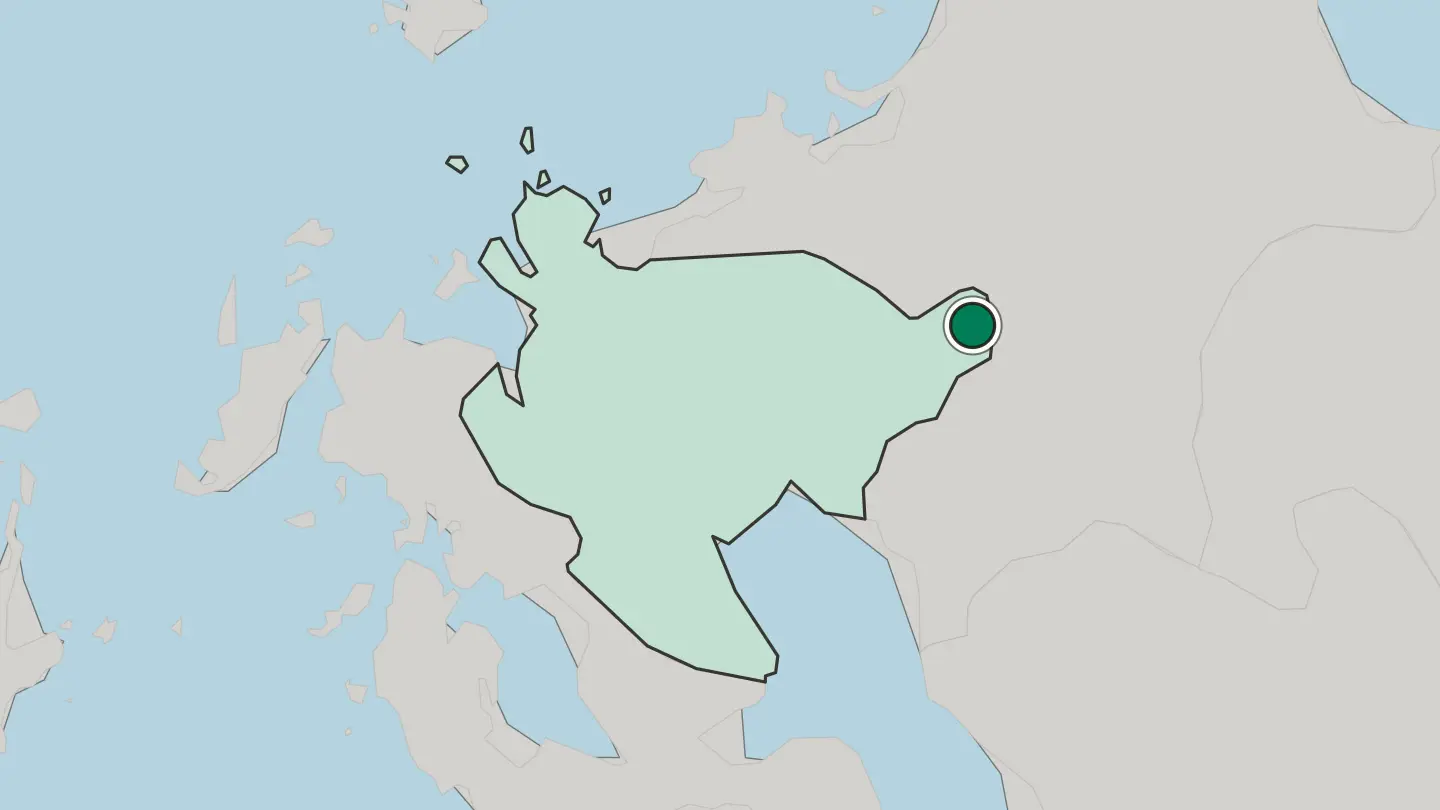
Hotel links are affiliate links: booking through them may earn us a commission, at no extra cost to you. It never affects how places are ranked. How this works
About Saga-ken
Porcelain made Saga famous.
What is Saga-ken known for?
The kilns of Arita fired Japan's first true porcelain, and the nearby port of Imari shipped it to Europe under the name Imari ware for well over two centuries. Karatsu answers with humbler stoneware prized for the tea ceremony. Inland, the Yoshinogari site preserves the largest moated village left from the Yayoi period.
The Ariake Sea feeds a famous nori harvest, and the hot springs at Ureshino and Takeo draw bathers year-round.
Where is Saga-ken?
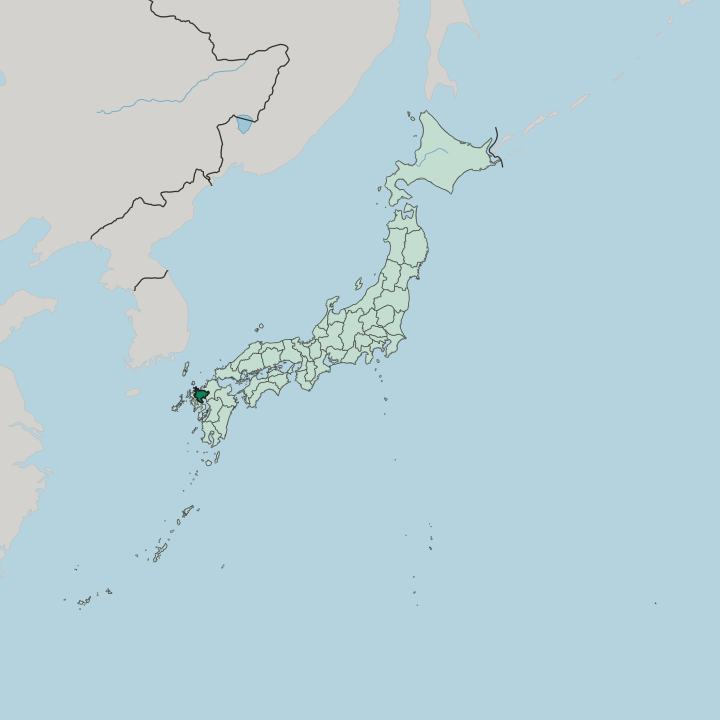
Saga sits in the north-west corner of Kyushu. It is the smallest prefecture on that island. The land narrows to a slim neck here, so that the Genkai Sea washes the northern shore while the Ariake Sea reaches up the southern coast toward the plain. Fukuoka Prefecture lies to the north-east, Nagasaki Prefecture to the south-west.
The Sefuri Mountains draw the boundary with Fukuoka, rising to Mount Sefuri along the ridge. Between the hills and the Ariake shore stretches the Saga Plain, flat, reclaimed in part from the sea, and laid out in rice paddies and seaweed beds. The Ariake Sea is unusual.
Its tides fall further than anywhere else in Japan, baring broad mudflats twice a day where nori is farmed and mudskippers cross the flats. The Genkai coast in the north is another country entirely, all rocky headlands, pine-backed bays, and offshore islands. The whole prefecture is compact.
A traveller can cross from the Genkai headlands in the north to the Ariake mudflats in the south within a single unhurried day, passing hills, paddies, and kiln towns on the way. To the east, the Chikugo River marks part of the line with Fukuoka before emptying into the Ariake Sea.
What is Saga-ken like?
Clay runs through everything here. Four centuries after Korean potters first found porcelain stone near Arita, the kilns still shape how the western towns live, work, and mark their calendars. Arita ware began as blue-and-white, then bloomed into the enamelled colours of the Kakiemon style.
Shipped abroad through Imari, the same porcelain reached European courts as Imari ware and set potters at Meissen copying it. Arita even raised a shrine gate of porcelain, blue-and-white torii and guardian dogs fired in the local kilns. Karatsu took another path.
Its unglazed, iron-flecked Karatsu ware became a favourite of the tea ceremony, prized for a rough plainness that the porcelain towns never chased. The vermilion halls of Yūtoku Inari Shrine at Kashima rank among the great Inari shrines of Japan, banked on a hillside above the town. Autumn belongs to the festivals.
Karatsu Kunchi hauls fourteen lacquered floats through the streets, while the balloon fields of the plain fill the sky over the Kase River. The table leans on the two seas. Nori and shellfish come off the Ariake mudflats, sea bream and squid off the Genkai coast, and the local sake pours dry to match.
The everyday language is Japanese.
What is the history of Saga-ken?
Saga was long part of Hizen Province. Under the Nabeshima lords of the Saga Domain, the castle town governed a coast that had traded with the mainland for centuries. Porcelain changed the domain's fortunes.
In 1616 a Korean potter found porcelain stone at Izumiyama near Arita, and the kilns that followed made the Nabeshima rich on export ware. That wealth funded early industry. By the closing years of the shogunate, Saga was casting cannon and building furnaces, and it stood among the southern domains that pushed through the Meiji Restoration.
What is the climate of Saga-ken?
Saga runs warm and damp. Summers turn hot and sticky, and the plum rains of early summer soak the Saga Plain before the typhoon months arrive off the Pacific. Saga's winters run gentle.
Frost is light on the plain and snow rare on the coasts, though the Sefuri Mountains to the north can whiten after a cold snap. The Genkai Sea keeps the northern shore a shade cooler than the muggy Ariake shore.
How do you get to Saga-ken?
Most travellers come through Fukuoka. A limited-express train runs from Hakata down to Saga in well under an hour, so the prefecture makes an easy day's reach from the big Kyushu hub. The rails then split.
The Nishi Kyushu Shinkansen begins at Takeo-Onsen and speeds south toward Nagasaki, met there by a relay express that bridges the unfinished stretch back to Hakata. Saga Airport adds direct flights to Tokyo for those skipping the trains.
Common questions
What is the best area to stay in Saga-ken?
Saga: a first base with rail links. Ureshino Onsen: a skin-softening onsen night. Takeo Onsen: a quiet spring-fed ryokan stay. Karatsu: sea air and the autumn float parade.
Good for
More regions in Japan
Updated September 2026