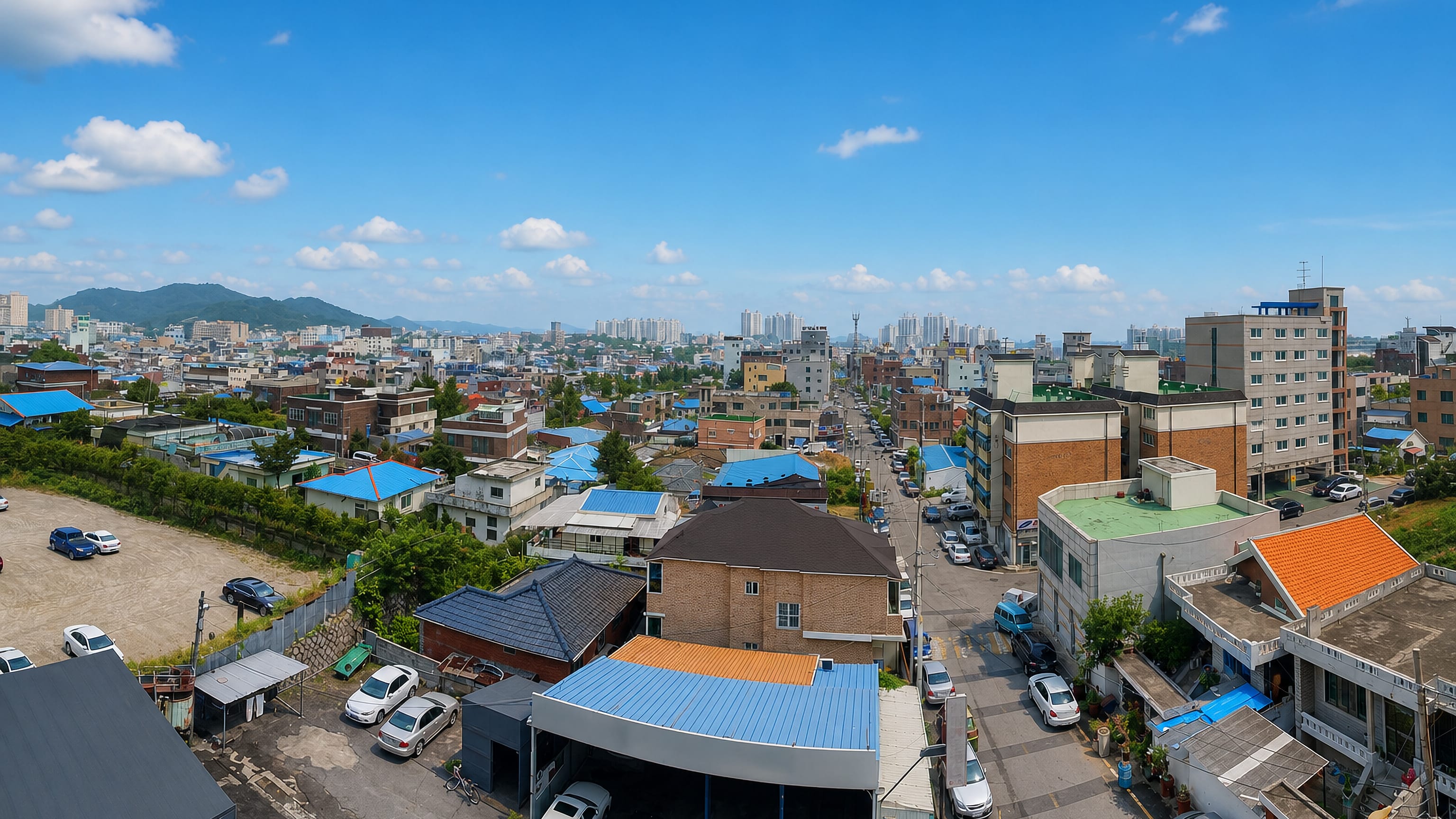
South Korea · Chungcheongnam-do
Where to Stay in Asan, Chungcheongnam-do
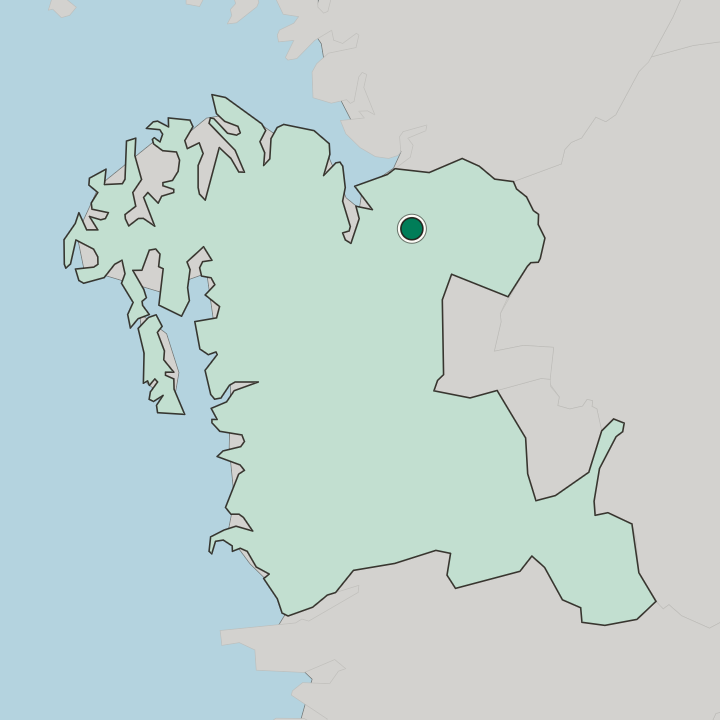
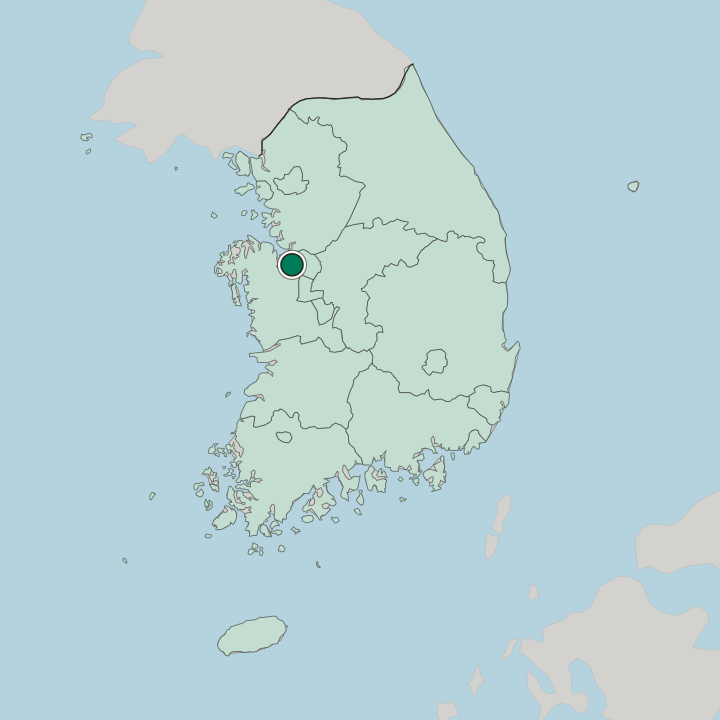
Asan holds the oldest hot springs in Korea at Onyang, a South Chungcheong Province city whose upper boundary meets the Seoul Capital Area.
Hotel links are affiliate links: booking through them may earn us a commission, at no extra cost to you. It never affects how places are ranked. How this works


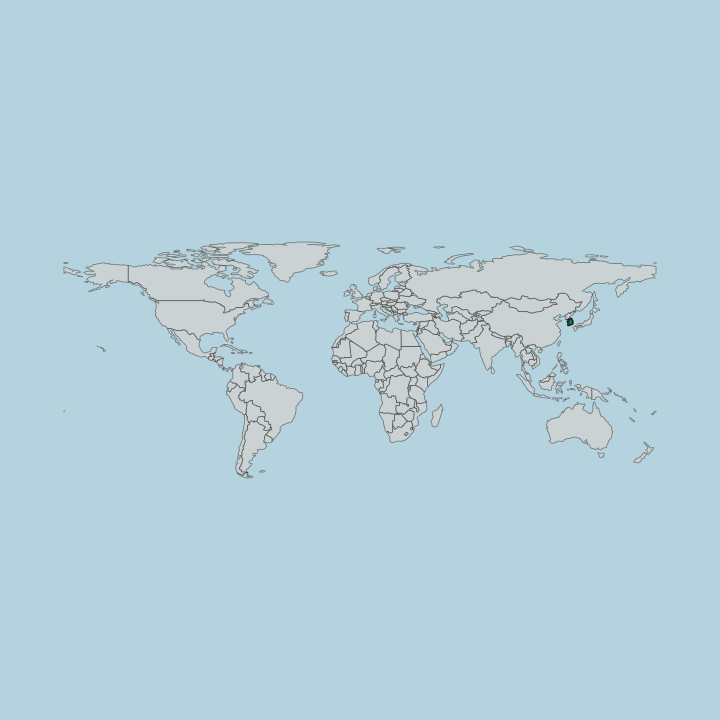
Where to stay in Asan
How the choice of base plays out on the ground.
Onyang decides most stays. The hot springs there are the oldest recorded in Korea, and a visitor who has come for the water will want a bed inside that quarter rather than anywhere else in Asan. Everything else is a trade.
South Chungcheong Province meets the Seoul Capital Area along the northern side of the city, so the second common reason to sleep here has nothing to do with bathing and everything to do with what lies beyond that boundary. Gongseri pulls a different visitor. Rooms near Gongseri Roman Catholic Church suit a slower stay, with the church itself the reason to be on that side of Asan at all, and the bathing quarter a ride away rather than a walk.
Seonjang Football Field marks another pocket entirely. Civic ground of that kind rarely gathers beds around it, so a stay pinned to a fixture there means accepting whatever the nearest part of the city offers. The choice narrows quickly.
Onyang for the water, the church ground for quiet, the northern margin for anyone whose business is really in the Seoul Capital Area, Asan does not pretend to offer more than those three.
Find hotels in Asan
Direct booking searches for these neighbourhoods.
Onyang
The quarter of Asan built around Onyang Hot Springs, where the water rather than a square or a hall sets the shape of the streetsFind hotels in OnyangA slow morning at Gongseri Roman Catholic ChurchThe Gongseri church ground
The quieter side of Asan around Gongseri Roman Catholic Church, a ride out from the Onyang bathing quarter. Beds are limited here, so book early.Find hotels in The Gongseri church groundAn early start into the Seoul Capital AreaThe northern margin
The edge of Asan where South Chungcheong Province runs up against the Seoul Capital Area boundaryFind hotels in The northern marginHotel links are affiliate links: booking through them may earn us a commission, at no extra cost to you. It never affects how places are ranked. How this works
Things to do in Asan
Ranked by global recognition; descriptions from Wikidata (CC0).
Museums & Galleries
3- Baekje Cultural Land
- Buyeo National Museum
- Jeongnimsaji Museum
Churches & Religious Sites
1- Gongseri Roman Catholic Church Heritage
Castles & Historic Sites
8- Royal tombs in Neungsan-ri Heritage
- Archaeological Site in Gwanbuk-ri Heritage
- Sataekjijeok Monument Heritage
- Buyeo Gunsuri temple site Heritage
- 부여 금강사지 Heritage
Show 3 more →
- 동남리사지 Heritage
- 부여구아리백제유적 Heritage
- 부여용정리소룡골백제건물지 Heritage
Stadiums & Sports
2- Buyeo Stadium
- Seonjang Football Field
worth knowingacross 4 categories in Asan
About Asan
A spring is where Asan begins.
What is Asan known for?
Onyang Hot Springs holds the oldest hot-spring record in Korea, and that single fact has carried Asan further than anything else standing inside the city limits. Faith left the other mark. Gongseri Roman Catholic Church carries the built heritage on the city's list, and Seonjang Football Field sits among the plainer civic entries beside it.
Position does the rest, since South Chungcheong Province ends at the Seoul Capital Area along the northern side of Asan.
What are the main landmarks in Asan?
Three landmarks account for Asan. Onyang Hot Springs comes first, the oldest such springs recorded anywhere in Korea and the reason most visitors put Asan on a route at all. Gongseri Roman Catholic Church follows.
The church is the built landmark the register holds up, while Seonjang Football Field belongs to the ordinary civic ground that any South Chungcheong Province city keeps rather than to anything a traveller crosses the country for.
What is the history of Asan?
The springs are the oldest thing here. Onyang Hot Springs is recorded as the earliest hot-spring site in Korea, which makes bathing, rather than a wall or a market charter, the practice this city's history is dated from. That inverts the usual order.
Water of that kind is used long before anyone writes about it, and the springs at Onyang went on being used through every later arrangement of the province around them. A church carries the next layer. Gongseri Roman Catholic Church survives as the built mark of the Catholic presence in Asan, and its place on the city's list makes it the one structure the register holds up against the springs.
The boundary carries the third. Asan takes in the stretch of South Chungcheong Province that runs against the Seoul Capital Area, and proximity of that kind reshapes a city steadily rather than through single events, pulling work and traffic across a line that never moves. Past that, documentation thins.
No charter year appears for Asan, and what the record does keep is short: the springs at Onyang, the church at Gongseri, a football ground at Seonjang, and a provincial edge that has done more to the place than most of what it can name.
Where is Asan?
The city sits on the province's northern rim. Asan takes the part of South Chungcheong Province that runs up to the Seoul Capital Area, so its boundary on that side is a metropolitan one rather than a rural one. Onyang lies inside it.
The hot-spring ground there, the church land at Gongseri and the open ground at Seonjang spread across a municipality that carries no single dominant relief feature in its record.
What is the climate of Asan?
Season shows up in the water. Onyang Hot Springs runs at its own temperature whatever South Chungcheong Province is doing overhead, which is exactly why a bathing town reads the calendar differently from the province around it. The rest is a temperate year.
Cold months make the springs the point of the trip, while the warmer half favours the walk out to Gongseri Roman Catholic Church and the open ground at Seonjang, and neither half of the year closes anything in Asan.
How do you get to Asan?
Arrival is a northern matter. The upper boundary of Asan runs against the Seoul Capital Area, which puts the city within reach of that metropolitan side of South Chungcheong Province before anything else. Onyang is the target inside it.
Visitors bound for the hot springs converge on that quarter, while Gongseri Roman Catholic Church and Seonjang Football Field lie out in the wider municipality and need a local hop of their own.
Common questions
What is the best area to stay in Asan?
Onyang: Bathing where Korea's oldest hot springs are recorded. The Gongseri church ground: A slow morning at Gongseri Roman Catholic Church. The northern margin: An early start into the Seoul Capital Area.
Good for
More cities in Chungcheongnam-do
Updated October 2026